


By Brendan Aherne, Chief Operating Officer, OUTCO
Every winter, local authorities across the UK face the same challenge: how to keep civic buildings, council offices and public facilities safe and accessible while managing ever-tighter budgets. When facilities managers are asked to trim budgets, outdoor winter maintenance can often come under scrutiny. If the previous winter has been mild, then cuts here can seem like an easy saving on paper. However, gambling on the weather is a risk that almost always backfires.
The true cost of “doing nothing” extends far beyond the price of a gritting contract. A frozen footpath outside a civic centre is more than just an inconvenience; it can mean resident injuries, reputational fallout, costly legal claims and angry headlines in the local press. In the public sector, where scrutiny is constant and expectations are high, one bad winter can undo years of careful trust-building.
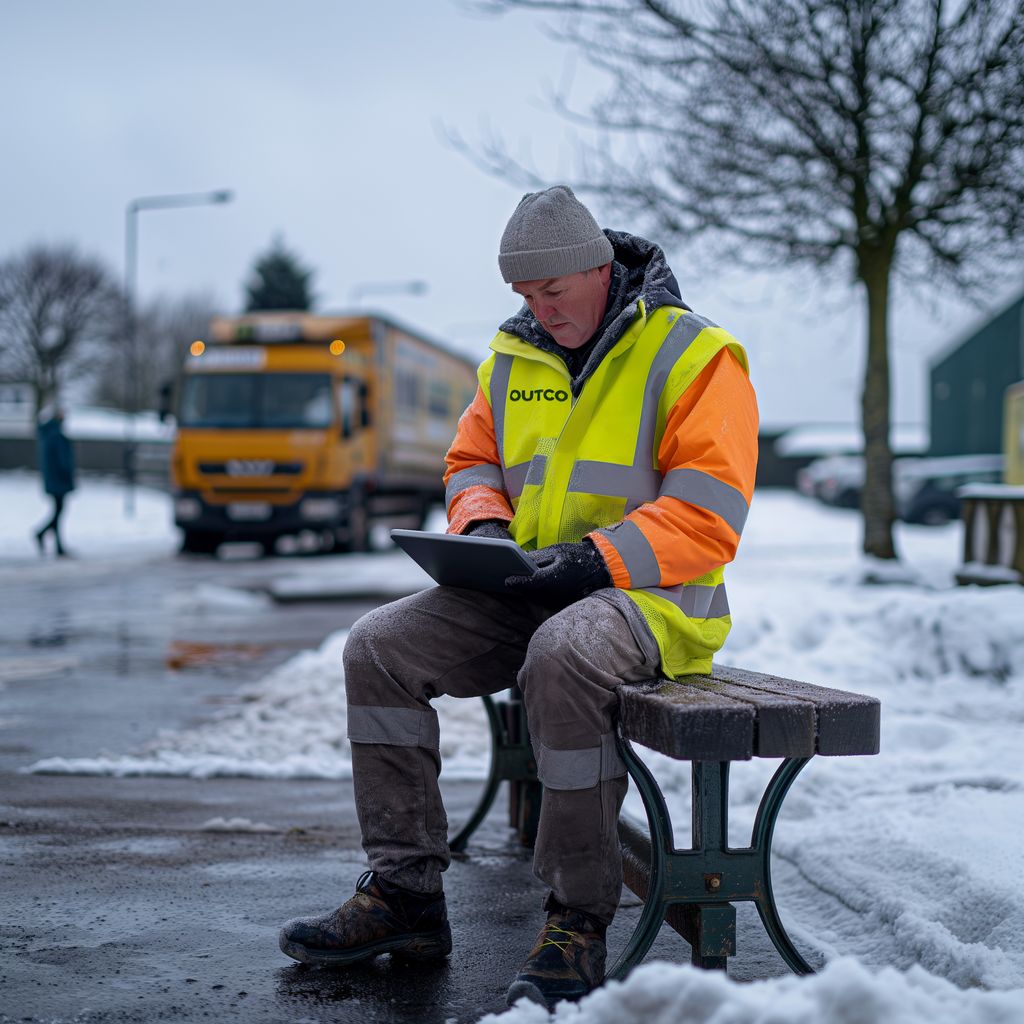
To see how expensive this gamble can be, let’s provide a practical example. NB – this is fictionalised version based on a several real case studies. Let’s imagine a hypothetical local authority, Eastborough Council.
Eastborough Council manages a civic centre, a large library, two public leisure centres and a portfolio of community buildings. For years, it had invested around £35,000 annually in proactive winter maintenance across these sites, including 24/7 weather monitoring, pre-treatment of entrances, and gritting of car parks and pedestrian areas. But in late 2024, faced with a funding shortfall, the council voted to cancel the proactive contract in favour of reactive gritting on an ad-hoc basis.
The decision looked like an efficient saving. The previous two winters had been relatively mild, and councillors argued that if severe weather arrived, contractors could simply be called in. But as with all gambles, luck eventually ran out.
In January, a sudden cold snap swept across the region. Overnight temperatures dropped sharply, and by morning the civic centre’s forecourt, library steps and leisure centre car parks were dangerously icy. With no proactive treatment in place, staff arriving early were the first to experience the consequences. Before 9 a.m., four residents had fallen outside the civic centre and library, two of them pensioners who required hospital treatment. The library was forced to close for the day, and the leisure centre cancelled morning classes after multiple complaints about unsafe conditions in its car park.
Local outrage grew quickly. Residents took to Facebook and X (Twitter) with photos of untreated pavements outside public buildings, using hashtags like #EastboroughIce. Within hours, the story was picked up by local newspapers under the headline: “Council Cuts Back on Gritting — Residents Pay the Price.” Opposition councillors seized on the issue, criticising the administration for putting cost savings ahead of public safety.
The fallout escalated further. Personal injury claims from the falls were later settled at around £25,000 each, including legal fees. Insurers increased premiums by 15% over the next three years, adding an extra £50,000 to costs. Local businesses around the civic centre reported reduced footfall, blaming unsafe conditions for lost trade, and submitted complaints to the council. Most damaging of all was the reputational impact: a public survey conducted weeks later found resident satisfaction with the council’s services had dropped by 18 points.
By spring, the £35,000 “saving” had unravelled into more than £250,000 in direct costs, not to mention political embarrassment and lasting reputational harm. For Eastborough Council, the gamble on the weather had failed spectacularly.
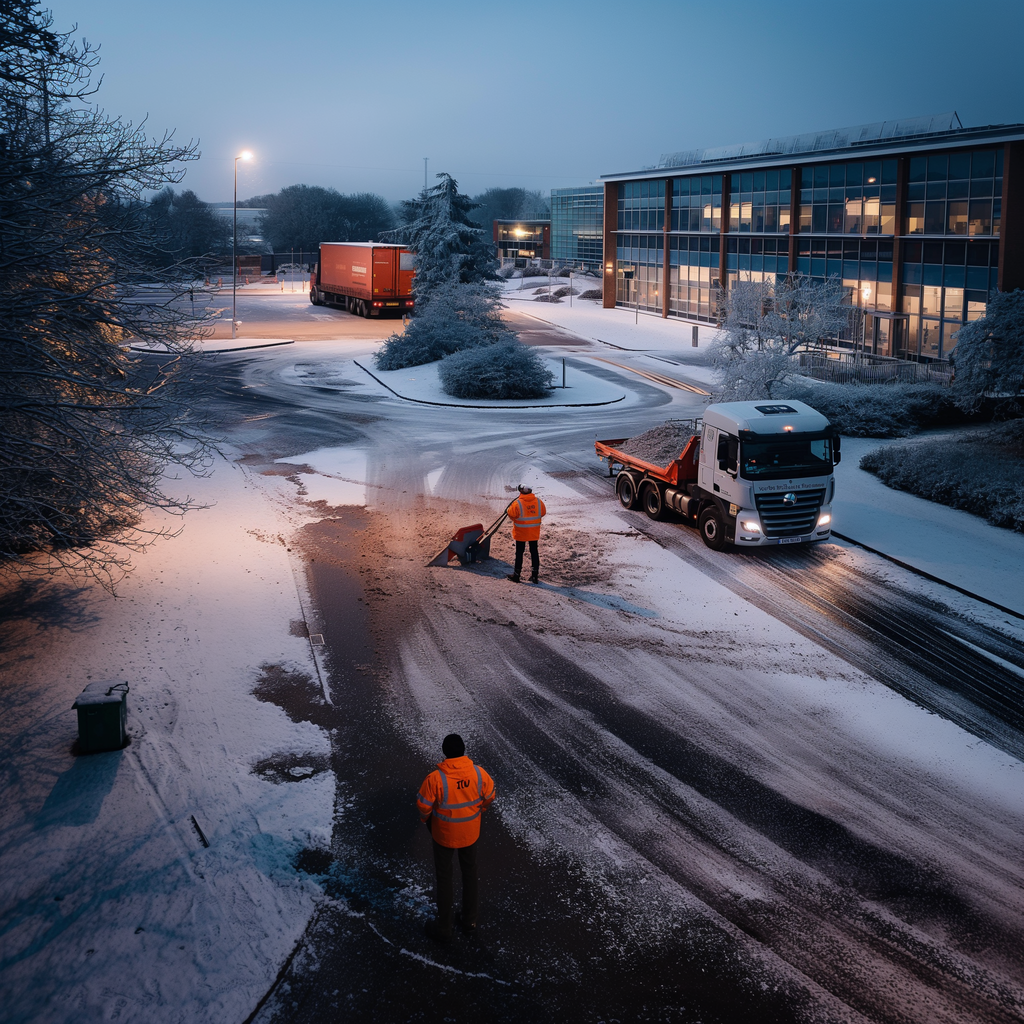
The Eastborough story may be fictional, but it highlights very real risks. Across the UK, local authorities are judged not just on financial stewardship but on how well they deliver visible, everyday services. Winter maintenance is one of the most visible of all. Residents notice immediately when footpaths, car parks and civic spaces are unsafe. A single incident can dominate local media, spark opposition criticism and erode community trust. In the world of local government, those consequences are measured not only in pounds and pence but in political capital.
The financial risks are equally stark. Slips and trips are the most common type of public liability claim against councils, costing millions every year. Cutting a modest winter gritting contract may save a few tens of thousands on paper, but one claim or closure can wipe out those savings instantly. And the hidden costs – reputational damage, lost community trust, reduced footfall in town centres – are harder to quantify but often more damaging in the long run.
So why do councils continue to cut winter maintenance? The answer lies in human psychology. We underestimate low-frequency, high-impact risks, convincing ourselves that “it probably won’t snow this year.” Councillors and officers under pressure to save money may gamble that luck will hold. But in a climate where weather patterns are increasingly volatile, with sudden freezes and icy rain becoming more common, relying on chance is not foresight. It’s negligence.
The smarter approach is to see winter maintenance as an investment in public safety, continuity and reputation. That starts with recognising that preventing accidents and disruption is always cheaper than responding to them. It means conducting thorough risk assessments, reviewing past claims and incidents, and modelling the return on investment for proactive gritting. It means ensuring providers offer guaranteed response times, accurate weather forecasting and auditable records that can be shared with insurers, auditors and residents alike.
At OUTCO, we see first-hand how proactive planning protects councils and communities. By combining live meteorological data with pre-agreed service schedules, we ensure civic centres, libraries, leisure sites and car parks are treated before ice can form. Our digital reporting systems provide councils with the evidence they need to demonstrate compliance, defend claims and reassure both insurers and residents. Most importantly, it gives councils confidence that they are doing everything possible to keep communities safe, rather than hoping luck will carry them through the winter.
The lesson from Eastborough Council is clear. The most expensive decision a local authority can make is to gamble on the weather. What looked like a £35,000 saving ended up costing over a quarter of a million pounds, alongside reputational damage and political fallout that will linger long after the ice has thawed. With budgets tight and winter approaching, councils face a choice: invest in proactive maintenance, or keep rolling the dice. But as every gambler eventually learns, the odds are never in your favour.
For more information on how OUTCO can bring an innovative approach to your winter gritting, contact 0800 0432 911 email enquiries@outco.co.uk or visit www.outco.co.uk




Recent Comments