
The 10-year health plan outlined earlier this year intends to make the NHS ‘digital by default’ and central to the overhaul will be the roll out of an NHS App tool which will read real-time data from wearables, biometric sensors or smart devices.
According to one Government source: “This Plan will take the NHS from the 20th century technological laggard it is today, to the 21st century leader it has the potential to be.”
Now one expert in the health technology solutions space has come forward to unveil a new and enterprising proposal he believes could be a gamechanger for the NHS.
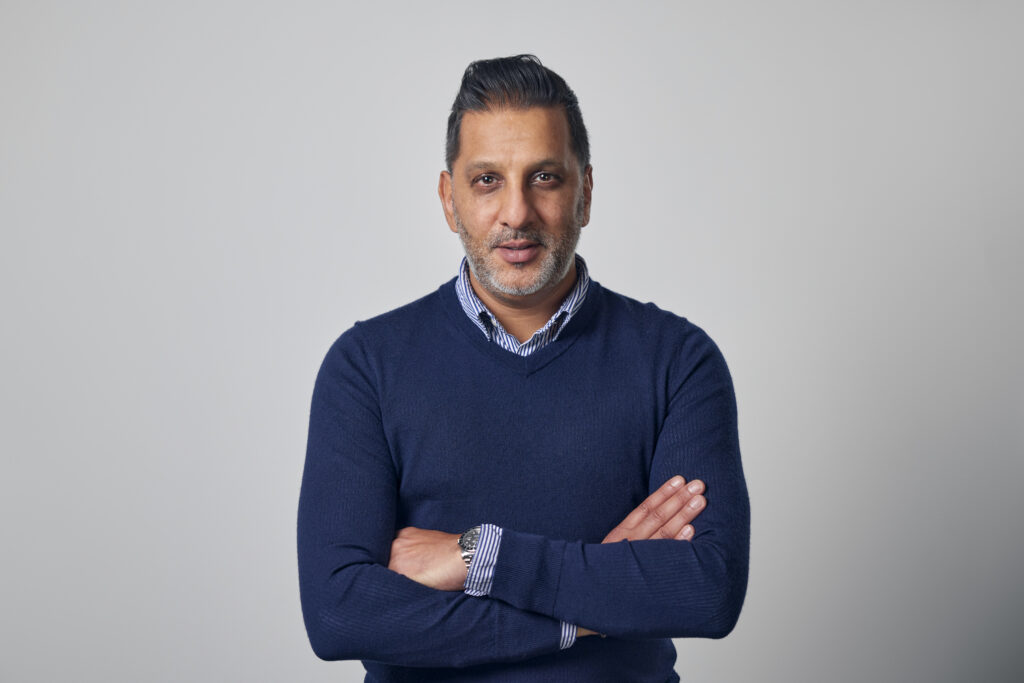
Steve Sanghera is the CEO and Co-Founder of Inventus, a British company immersed in the life sciences space and one which provides bespoke tech solutions to meet the unique needs of clinical trials.
Launched five years ago, Inventus is now a successful global exporter and works with some of the biggest pharmaceutical companies in the world.
It is this expertise and success that has allowed Steve to see that the NHS needs to push further and harder with its plans to digitise.
And central to its rollout is a ‘Digital Health Ecosystem’.
So, what will this mean for the NHS, what will it look like & why is it needed?
The NHS faces the same tech challenges as the clinical trials industry – digital acceleration is key
Says Steve: “I know first-hand how fundamental data is to allow better and logical decisions to be made when it comes to health and patient care. And when you start looking at the NHS and the complexities of how it’s structured with all its different facets, from managing GPs, hospital appointments, to care homes and care workers, it’s a Digital Health Ecosystem that is needed to join up all the dots.
“But it’s important to remember, creating a digital ecosystem for the NHS is complex. If it was easy, it would have been done already.
“Various experts will have a different view; interpretation of what it looks like. For me, it will be based on the area of expertise that Inventus has. The technology challenges faced by the NHS are similar, if not the same, to the ones experienced by the pharmaceutical companies we support.
“Clinical trials are complex, involving multiple people, systems and data flows. Success depends on the technology infrastructure as much as the science itself.
“Innovative technology that can be sewn into existing NHS platforms and accelerates and streamlines logistics through integration, improves patient experience through seamless connectivity across the NHS and leverages AI responsibly to create neighbourhood networks are the components I believe create a successful Digital Health Ecosystem.”

Prevention rather than cure
Explains Steve: “The use of wearables, which has already been outlined in the digital plan unveiled by the NHS, is vital to supporting the outcomes of a Digital Health Ecosystem and creating a prevention rather than cure attitude towards the NHS.
“The data we have access to as a result allows us to get to know the person before they become a patient. This is instrumental when creating a preventative health focus which moves the NHS from reactive treatment to proactive prevention and early intervention.
“A Digital Health Ecosystem also allows for access to information across the board – from wearables (which could provide information on sleep patterns, blood pressure for example) to medical records, treatment plans whether that’s from a GP, or a dietician.
“What this then creates is a holistic picture of an individual which allows for a more detailed plan to be created which can focus on preventative care and allow for steps to be put in place to prevent someone from becoming ill in the first place.
“Technology will be crucial in order to do this and specifically bringing in technology that can help assess from the start and is end-to-end.”
Strengthen communities
Using a Digital Health Ecosystem to build communities is a key driver of Steve’s vision.
He explained: “It will support the transition from hospital-based care to community and neighbourhood-led models of support.
“But let’s look at how you build communities – it’s through better communication and the most used tool in the world for doing this is a mobile phone.
“Creating messaging and discussion forums allow for shared experiences and create a sense of community.
“Technology also gives you the opportunity for the community to start within your house and a Digital Health Ecosystem then allows for a ripple effect to ensue so that this then extends to street and then your neighbourhood.
“A key component to this is data and the joining up of the dots to highlight people who have health and lifestyle similarities who can support one another. Considered and careful use of AI and technology allows this to happen.
“This is an exciting time for the NHS and a journey Inventus is keen to be part of.”
Leave a Reply