|
|
The UK’s leading, independent, membership body for health and social care managers says politicians and policy makers must level with the public as one in five poll respondents say more than 15% of staff are now off sick or isolating
The Institute of Healthcare Management has called for honest and open communication about NHS capacity after a snapshot survey revealed the scale of sickness absence across the service.
The UK’s leading, independent, membership organisation for health and social care managers also said local leaders and communications teams should be allowed to level with the public about their situation, as almost two thirds of poll respondents reported ‘worse’ or ‘much worse’ absence levels than they would expect at this time of year.
 IHM, chief executive, Jon Wilks One in ten respondents reported sickness levels of 12-15% and one in five reported absences of more than 15%. Despite this, a majority said they were ‘managing well’ or finding things ‘tough, but we are coping.’
IHM, chief executive, Jon Wilks said this was a tribute to the planning that had gone into preparing the NHS to cope with the Covid-19 pandemic this winter, and a demonstration of the resourcefulness that health and care services have shown as the second wave has accelerated.
However, he said politicians and policy makers needed to be transparent about the situation, so the public could form realistic expectations about the NHS’ ability to open up new services and follow guidance intended to halt the spread of the disease.
“At the moment, politicians and policy makers are talking about opening additional services, such as Nightingale Hospitals and Nightingale vaccination centres,” Wilks said. “Although the picture varies across the country, our members are saying that the scale of sickness absence in the NHS right now makes that fanciful.
“Current services are managing, under enormous pressure, but without staff the idea of opening additional beds and services is a non-starter.
“We need openness and honesty about the position so workers and staff, patients and families have realistic expectations about the treatment available for Covid-19 and other conditions, and don’t lose faith in the service because the reality fails to match the headlines they are seeing.”
Wilks also urged politicians and national organisations to allow commissioners and trusts to communicate with local media, instead of relying on central messages. “If local managers could represent their position to local communities, we would have a much better understanding of what is happening across the service,” he said.
“That would almost certainly win a lot more support for the NHS and for the Covid-security measures that everybody needs to follow to halt the spread of this terrible pandemic.”
The online, snapshot survey was completed by 82 IHM members. It found 32% felt sickness absence was ‘same as we would expect at this time of year’ but 37% thought it was ‘worse’ and 25% thought it was ‘much worse’.
Asked to estimate how many staff were off sick, 30% said ‘up to 5%’, and 26% said 5-7%, 8-10%, or 10-12%. However, 12% said absence was running at 12-15% and 20% said it was ‘more than 15%’. 
Wilks pointed out that these figures exacerbated long-term shortages of staff. The NHS went into the Covid-19 crisis with 100,000 vacancies unfilled and short of more than 40,000 nurses.
Asked ‘to what extent staff absence is currently affecting your organisation’s ability to deliver services’, more than 22% of respondents said they were ‘managing well’ and 39% said it was ‘tough, but we are managing ok.’
However, 29% said ‘services are being affected, although we are not in crisis’ and 10% said ‘services are being seriously affected and we are in crisis.’
The survey was launched over New Year, so the majority of responses were submitted before this week’s big increase in cases, and the release of figures showing that the number of people who have died within 28 days of a positive Covid-test has passed 1,000 per day for the first time since April 2020.
By Evan Wienburg, CEO of Truespeed
Normally at this time of year, Oxford Dictionaries comes up with a word of the year. But, in light of the extraordinary and seismic events we’ve seen in 2020, the Oxford team produced instead a whole list in their “Words of an unprecedented year” report. Along with words encompassing the
 Evan Wienberg coronavirus pandemic and social movements witnessed around the globe, ‘Unmute’ and ‘Zoombombing’ were chosen to represent our growing use of technology as people have adapted to working from home. And it comes as no surprise that the words ‘remote’ and ‘remotely’ have seen a significant rise in usage this year. For anyone who has struggled with the frustrations of substandard broadband whilst WFH, there are several other words and phrases that could have been added to the list. How many of us have been in team meetings this year only to find someone can’t turn on their camera or quickly upload a megabit hungry digital file because their broadband simply isn’t up the job.
Already lagging behind many other European countries in terms of broadband speeds, UK plc cannot afford all the time that’s wasted watching spinning wheels and buffering percentages on screen. For the increasing number of home-based workers running complex digital programmes, as well as school children and students accessing a variety of essential educational platforms, access to ultrafast, ultra-reliable connectivity is essential.
Things are definitely moving in the right direction but it’s still the fortunate minority – around 22% of the UK according to the latest figures – who have access to the gigabit capable broadband speeds that the UK government is keen to unleash across the UK to underpin growth, improve opportunities, increase productivity and bridge the digital connectivity divide. But at the other end of the scale, over 600,000 UK properties are still unable to get a decent fixed broadband service of 10Mbps – with rural areas in particular bearing the brunt.
Without a doubt, Gigabit-capable broadband connectivity is going to be an essential building block in the UK’s economic and educational renewal so levelling up this digital divide remains a priority. In terms of broadband infrastructure, levelling up is not a case of north versus south, but rather harder-to-connect communities versus major conurbations where the build economics look far more impressive. Regardless of UK post-code, it’s vital that everyone is afforded the same digital possibilities, with access to full fibre broadband infrastructure and digital tools at their fingertips.
As part of the Chancellor’s recent spending review, the UK government’s plan to get gigabit-speed broadband to every home by 2025 has been rolled back to a “minimum of 85 per cent coverage” but the ambition remains. And the overall budget for the planned rollout was not touched, remaining at £5 billion, although only £1.2 billion of the budget will be made available up until 2024.
We’re making great inroads in getting the full fibre show on the road – recent figures suggest that nearly 15% of premises can now order a Gigabit capable Fibre-to-the-Premises (FTTP) service – but of course there’s still much more to be done to accelerate roll-out and deliver on this ambitious target.
To steal another OED word of the year, delivering on the promise of full fibre and gigabit-capable broadband for everyone the length and breadth of the country isn’t a moonshot. Certainly an ambitious project, but doable provided we all pull together as an industry. Local and national government need to accelerate the pace at which full fibre rollouts are green lighted – particularly in harder to reach areas. And infrastructure providers need to continue apace with competitive offerings to accelerate rollout – not just for towns and cities, but in rural areas and traditionally hard to connect historic cities so those working and living in these areas don’t get left behind.
Royal Berkshire Fire and Rescue Service is made up of an engaged and dedicated team of some 700 diverse and talented individuals. We are a progressive and community-focused organisation that work as one team to deliver prevention, protection and response services to keep the residents of Berkshire safe. Our resilient workforce is made up of both operational and professional / support staff. In 2019, following our first inspection by Her Majesty’s Inspectorate of Constabulary and Fire and Rescue Services, we were delighted that it concluded:
“Our first inspection of Royal Berkshire Fire and Rescue Service revealed that it is performing to a high standard. We graded the service as ‘good’ in each of our three main inspection categories. The people of Berkshire can be confident that they are being well-served.”
Building on this positive assessment, we are committed to delivering an even better service to our communities, our staff and our partners. Therefore, finding the person with the specific skills, values and experience to facilitate our journey will be critical to our success.
We are seeking an inspirational and talented person to lead our Service on the next phase of our journey of change and improvement. The successful candidate will have a passion for public service, a commitment to continuous improvement and the collaborative leadership skills to guide our organisation. If you believe you possess the authenticity and vision that this role deserves, we would be keen to hear from you. To find out more about the Service, the role, the benefits and how to apply, visit: RBFRS.co.uk/JoinRBFRSSeniorLeadershipTeam
By Jane Warburton – MD Flamefast
With some schools closing, and despite varying levels of Lockdown in England, Scotland, Wales and Northern Ireland, the spread of Covid-19 remains a real threat, especially in classrooms.
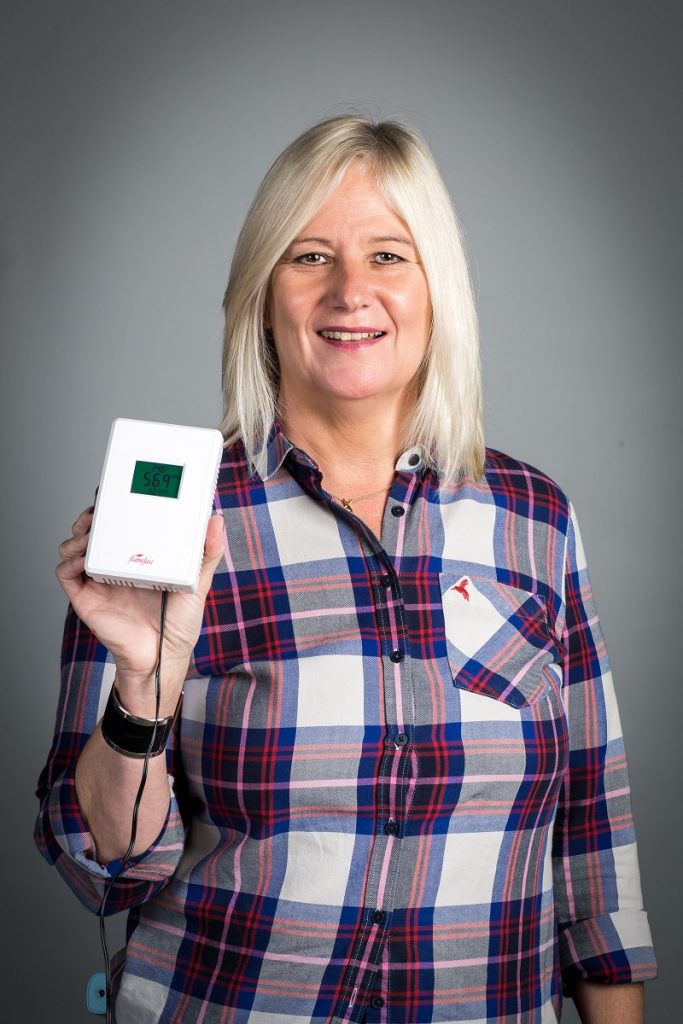 Jane Warburton MD of Flamefast A report produced by Sage’s Environmental and Modelling Group (EMG) suggested that fresh air plays a significant role in keeping the virus at bay indoors, and that poor air quality could be highlighted with the use of a CO2 monitor.
The report, which is backed by the Chartered Institute of Building Services Engineers (CIBSE), demonstrates the correlation between poor ventilation and an increase in the relative risk of the airborne transmission of Covid-19, and recommends that ventilation be increased wherever possible to ensure that lower levels of CO2 are maintained.
Continuous monitoring
There is increasing evidence the virus is airborne and there is now a significant focus on ventilation. The guidance advises to increase “air changes”, however the majority of classrooms are naturally ventilated and rely on opening windows, so without the use of a CO2 Monitor there is no means to verify that the required rates are being achieved.
Scientists stated that continuous CO2 monitoring is likely to be a reliable proxy for transmission risk in most environments. Preliminary research suggested that in spaces where the same group of people regularly attend, for example schools and universities, continuous monitoring would be possible as a transmission risk indicator.
The report suggests that multi-occupancy spaces with 20 or more people would see a significant increase in relative risk when carbon dioxide levels exceed 1,500ppm (parts per million).
However low occupancy spaces or spaces with singing, loud speech or aerobic activity will require far greater ventilation rates and should aim to maintain a CO2 level of less than 800ppm, the report states.
Opening of doors and windows
Current guidance to schools is to ‘open windows and doors’ and that thermal comfort is secondary to ventilation, however during winter, in most cases this will not be feasible.
Despite the science, budget constraints in schools have held back the installation of CO2 monitors in classrooms to date, as requests in many instances into local governments have failed to produce any action.
 CO2 monitor with the traffic light indicator Universities are addressing the problem as funding is less of an issue, and Local Authorities in Scotland are responding following the release of their own guidance from CERG as most of the schools still fall under LA control, unlike the rest of the UK where schools have been left to fend for themselves.
As winter draws in, conversations with teachers have supported the argument, with complaints that children are less inclined, or able, to work in the lower temperatures. In many cases pupils are subsequently asked to wear extra jumpers and coats, however it is yet to be seen how effective, sustainable, or enforceable this is.
Traffic light indicator
CO2 monitors, with an easy-to-follow traffic light indicator, are already widely used in universities, schools and offices, and whilst they do not necessarily solve the ventilation problem, they remove the uncertainty and provide the occupants with the information to safely manage their environment.
Opening windows and doors in schools, will reduce the risk of Covid transmission, however it may also increase heating bills significantly. Whilst it is recommended that some windows are always open during occupation, it is not always necessary to open all of the windows all of the time. This strategy helps reduce the relative risk of transmission, but also heat loss thereby reduces heating bills, which may provide a proportion of the cost of the installation of a CO2 Monitor.
By creating a better working environment, it is already well documented that there is an increase in learning ability. In conclusion, although relatively inexpensive, CO2 Monitors should be seen as a long-term investment to benefit everyone, as well as a short-term solution to ventilation issues, as opposed to an unnecessary expense.
For more information visit www.flamefast-gas-safety.co.uk/covid
Key Highlights:
Alcidion’s reseller agreement with NextGate now expanded to include UK and Ireland.
Expansion further strengthens Alcidion’s offering to NHS organisations and integrated care records.
 Lynette Ousby General Manager UK – Alcidion Smart health tech provider Alcidion Group Limited (ASX:ALC) has announced an expansion of its reseller agreement with NextGate to include the UK and Ireland.
In 2018, MKM Health (which was acquired by Alcidion in 2018) signed an agreement to resell NextGate’s market leading Enterprise Master Patient Index (EMPI) and Provider Registry solutions in Australia and New Zealand. Following a successful two-year relationship, this agreement has now been extended to also include the UK and Ireland.
NextGate is the global leader in healthcare enterprise identification, helping healthcare organisations overcome the clinical, operational and financial challenges that result from duplicate records and disparate data.
Alcidion’s reseller agreement with NextGate has resulted in two significant state-wide contracts in Australia. The Queensland Health Referral Service Directory based on the Provider Index was delivered by Alcidion working closely with NextGate. For the Victorian Department of Health and Human Services Unique Patient Identification program, Alcidion supported NextGate in delivery of its EMPI capability.
The expansion of the agreement to the UK and Ireland will further strengthen Alcidion’s ability to support NHS trusts, health boards and region wide integrated care systems. The news follows the Alcidion’s formal launch this summer of its Miya Precision product as the first smart clinical asset for the NHS.
Lynette Ousby, UK General Manager of Alcidion, said: “With the current focus in the NHS on consolidating clinical systems across regions, the ability to include the offering of NextGate solutions to complement our Miya Precision capability, establishes a true enterprise approach to healthcare delivery.”
 Kate Quirke – Managing Director, Alcidion Alcidion’s Miya Precision presents the NHS with an opportunity to move beyond static electronic records to technology that engages healthcare professionals. Early adopters are using the platform to orchestrate information across disparate systems using modern technology from Alcidion based on the FHIR standard and to establish smart clinical engagement supported by tailored clinical decision support.
With the ability to allow NHS organisations to use data to automate routine tasks, care plans and pathways, Miya Precision is being seen as a way to realise more value from electronic patient record investments and to provide a technology orchestration layer in trusts and for entire regions.
The addition of the NextGate Patient and Provider Registries, which are built on the MatchMetrix® master identity platform, will extend that capability to effectively manage identity for both patients and healthcare providers.
“We are delighted to expand our partnership with Alcidion to facilitate a modernised NHS infrastructure where patients are accurately identified and consistently matched to their health and social care data,” said Andy Aroditis, CEO of NextGate. “Together, Alcidion and NextGate are delivering innovative interoperable solutions that maximise the quality, efficiency and coordination of care.”
Alcidion Managing Director, Kate Quirke commented: “I am delighted that we can now expand our success implementing the NextGate solution in Australia to the UK. The combination of our service delivery and domain expertise with the powerful capabilities of MatchMetrix creates a compelling opportunity for the health sector to establish first class identity management.”
Walker joins in the wake of rapid growth in healthcare and public sector
Agilisys, the digital transformation specialist for the public sector, today announced the appointment of Richard Walker as Partner for Data & Insights. The appointment supports Agilisys’ growth within healthcare and local government and reflects the crucial role that data now plays in the role of digital transformation.
Richard joins Agilisys from KPMG, where he was most recently a Director of Data & Analytics responsible for helping public sector clients to unlock the value in their data. At Agilisys, Richard will work closely with the leadership team to build and evolve the company’s data-led customer offerings.
 Richard Walker “I’m a firm believer that the better use of data is critical to the future of our public services,” says Richard Walker, Partner for Data & Insights at Agilisys. “As more organisations explore the potential in their data and in turn realise the benefits of advanced analytics and digital innovation, it’s a hugely exciting time to be in this industry. The drive to join up data across Health and Care presents a unique opportunity to generate new insights to some of our most vexing challenges. Joining Agilisys gives me the chance to put this into practice across the public sector, delivering benefits to citizens and keeping people and communities healthy, safe and thriving.”
Agilisys empowers public sector workers with the tools and insight to improve outcomes for the citizens they serve. The company combines significant data consulting experience with an award-winning approach to technology solution delivery to create end-to-end solutions for its public sector clients.
“We’re delighted to have attracted someone of Richard’s calibre to Agilisys and look forward to seeing him apply his experience and vision to our customers,” adds Louise Ah-Wong, Senior Partner for Digital Transformation at Agilisys.
“Whether you’re talking about data analytics for healthcare or local and regional government, the key is allying deep industry and sector knowledge with broad functional capabilities with a high degree of technical sophistication. The addition of Richard to our team bolsters our already strong data capabilities and allows us to join up our AI, insight, data platform and data managed services offerings and leaves us well placed to better meet the needs of the market. Richard will be supported by newly promoted Agilisys veteran Dan Thompson who has taken the role of Head of Data Services and Engineering.”
 A new partnership between a charity platform and homelessness support network has launched with the aim of bringing local charities together to support vulnerable people and tackle the challenge of rough sleeping in Wakefield. A new partnership between a charity platform and homelessness support network has launched with the aim of bringing local charities together to support vulnerable people and tackle the challenge of rough sleeping in Wakefield.
Investors in Community, a charitable giving platform which links good causes with businesses and fundraisers, will be working with Street Support Network and Wakefield Council to link more than 30 charities, voluntary groups and government services.
The network of organisations will provide long-term solutions for people who need help to transform their lives. Services such as getting rough sleepers into housing, where to get food, support for alcohol or drug addiction or advice on benefits.
The Street Support Wakefield website and app also enables local residents and businesses to see what they can do to help, which includes donating money or items such as food or clothes, and volunteering.
Residents can also contact the Council and Wakefield’s Rough Sleeper Outreach Service if they are concerned about someone they have seen sleeping rough.
 Phillip Webb, managing director of Investors in Community, said: Phillip Webb, managing director of Investors in Community, said:
“Street Support Wakefield is a great initiative bringing good causes together to tackle the hugely important issue of homelessness and we are delighted to be working with the Street Support team, Wakefield Council and the 30-plus organisations supporting the project.
“The Investors in Community platform is free of charge for charities and it will enable them to shout louder about the fantastic work they have been doing as part of the Street Support Network, and gain extra support for businesses and individuals. Times are hard for lots of people at the moment and good causes are more important than ever to the vulnerable in our local communities.”
Gary Dunstan, Co-Founder of Street Support Network, said:
“Due to COVID-19, more people are now facing hardship and homelessness; and local charities need the help of businesses and the public to help vulnerable people in Wakefield. We hope that this new partnership can capture all the kindness there is locally in Wakefield and direct it to where it is needed.”
Investors in Community has been working closely with charities and businesses in Wakefield since a partnership with Wakefield BID brought companies together to collaborate on CSR projects.
For more information about Street Support Wakefield, visit streetsupport.net/wakefield/
For more information about Investors in Community, visit investorsincommunity.org/
 Jeremy Nettle Industry veteran Jeremy Nettle reflects on a recent debate by the Highland Marketing advisory board on the role of national and local organisations in NHS IT policy, funding and implementation. Twenty-years of switching focus has created confusion and delay, he argues, and it’s time for a new model.
I was interested to read that McKinsey has been hired to review the way that NHS England/Improvement, NHS Digital and NHSX work together. According to the Health Service Journal, Laura Wade-Gery has called in the consultants as part of a wider piece of work on how to drive digital transformation in health and care.
Readers were sceptical about the value of another review; and about the value of consultants doing it. But the question of who should be determining NHS IT policy, and who should be delivering health tech initiatives, is a pressing one. It was the subject of a debate by the Highland Marketing advisory board, which I chair, that concluded a new model is needed.
Adding complexity to a complex system
The relationship between national, regional and local leadership of NHS IT is complex, and it has taken a long time for it to become as complex as it has. This May, the National Audit Office pointed out that the health service has been trying to deploy technology for twenty years, and what it has been trying to achieve hasn’t changed all that much.
What has changed is the approach. We’ve gone from ‘let a thousand flowers bloom’ in the 1998 Information for Health strategy, to ‘command and control’ with the National Programme for IT, to attempts to find a ‘third way’, like the global digital exemplar programme, and reverted to central targets.
The three bodies that McKinsey is reportedly reviewing have their origins in these different approaches. Some of NHS Digital’s core functions date back to Information for Health, while NHS E/I came up with the GDE programme when Jeremy Hunt was health secretary, and NHSX arrived with his successor, Matt Hancock.
There is no doubt that they can get in the way of each other, and with the work that trusts and integrated care systems are trying to do on the ground. The Highland Marketing advisory board was given some interesting examples by the CIO of an ICS.
First, it was told that it couldn’t let GPs book hospital appointments from within an integrated care pathway, because it must use NHS Digital’s Choose and Book, which was set-up in a very different era of patient choice and acute-sector competition.
Then, it had to put its hospital-diversion projects on hold, to get an NHS E/I ‘talk before you walk’ service in place for A&E this winter; while finding the funds for ‘axe the fax’, which is not an immediate priority, and will eventually be addressed by creative use of an integrated digital care record.
Clarifying responsibilities and roles
If we are going to find a way through this complexity, we are going to need a return to first principles. What is the health and care system trying to do, who does it want to do it, what technology does it need, and who does it want to do that?
Ideally, that would mean clarifying the role of NHS E/I, its regional offices, and health and care systems, and it would mean defining policy and delivery in terms of outcomes, rather than processes or technologies, so organisations could do things in the way that works for them.
That, in itself, would go some way towards addressing the frustrations of our ICS leader, being told to implement a national policy with a specified technology (roll-out ‘talk before you walk’, use NHS 111) that doesn’t align with local priorities (create integrated care pathways, make the most of the developing IDCR).
However, the advisory board felt that it would also be useful to have a new NHS IT strategy, to articulate what kind of technology the health and care system is going to need, and a central body to drive it. Ideally, this body would be strong enough to push back against distracting initiatives (like ‘axe the fax’, again).
Or, at least, it should be able to ask what outcomes such initiatives are meant to achieve, where they sit in the priority list, and how they are going to be funded. Alongside a new NHS IT strategy, we felt the NHS should also revisit the idea of digital maturity.
New models are needed to enable the centre, healthcare economies and individual trusts to prioritise investment, assess progress, identify technology gaps, and work out where support is needed. On the last point, some of the ideas behind the GDE programme could also be revisited, and ‘federated’ models developed to enable trusts to pool budgets, learn from each other, and get a better deal from suppliers.
The x-factor
Our discussion reached a fair degree of consensus on what a more strategic, more stable approach to NHS IT would look like. It would leave policy making at a national level but encourage a focus on outcomes rather than processes or technologies.
It would create a new NHS IT strategy aligned to maturity models that could be used to measure progress and push back against ‘headline-grabbing’ or ‘soundbite’ culture. It would mean a new IT body to set strategy, measure progress, and advise the government. It would mean regional or federated support for local organisations that would otherwise be charged with delivery.
The McKinsey review may have concluded that some of this exists already. Clarifying the role of NHS E/I should be bread and butter to a management consultancy. The NHS E/I regional offices look well placed to take on at least some of the federated co-ordination and support role. ICSs are developing.
So, the big question may be: does the NHS need a new body to set strategy and measure maturity? Or, if this sounds a lot like what NHSX was set up to do: why isn’t it doing it, and how can we make sure that it can do it in the future?
Read a full report of the Highland Marketing advisory board discussion on highland-marketing.com
 Highland Marketing advisory board Highland Marketing’s advisory board is: Jeremy Nettle, former global advisor for Health Sciences, Oracle Corporation; Cindy Fedell, former chief digital and information officer at Bradford Teaching Hospitals NHS Foundation Trust; Andy Kinnear, former director of digital transformation at NHS South, Central and West Commissioning Support Unit; James Norman, healthcare CIO, EMEA, at DellEMC; Ravi Kumar, health tech entrepreneur and chair of ZANEC, and Andrena Logue, consultant, Experiential HealthTech.
Highland Marketing is an integrated communications, PR and marketing consultancy with an unrivalled reputation for supporting UK and international health tech companies, built over almost 20 years. Read more analysis and interviews on the Highland Marketing website, follow us on Twitter @Highlandmarketng, or get in touch on: info@highland-marketing.com
 allpay has confirmed a contract with the NHS Business Services Authority (NHSBSA) to facilitate payment card top-ups to the digitised Healthy Start Scheme which will be launched in 2021. allpay has confirmed a contract with the NHS Business Services Authority (NHSBSA) to facilitate payment card top-ups to the digitised Healthy Start Scheme which will be launched in 2021.
Healthy Start is a statutory scheme which will be administered by the NHSBSA on behalf of the Department of Health and Social Care (DHSC) from 2021, to support better diets for lower-income pregnant women and families with children under four.
The NHSBSA is launching a digitised Healthy Start Scheme in 2021 that will offer an online application form and prepaid card to replace the current paper vouchers. This will help disadvantaged families eat more healthily by providing support that is simpler to access and more flexible to use. allpay is to facilitate top-ups to the scheme’s new payment cards, which can be spent on fresh, tinned or frozen plain fruit and vegetables, pulses, milk and infant formula.
Digitisation of the scheme removes the requirement for retailers to register with the scheme, to accept paper vouchers in their stores. Unlike the paper voucher scheme, the new digital scheme will allow beneficiaries to purchase items in any retailer with a card payment system.
The Healthy Start Scheme currently supports some 300,000 beneficiaries a year, with digitisation expected to help support more families to apply for and use the scheme.
allpay has previously worked with the Scottish Government on the “Best Start Foods” scheme, the prepaid card programme assists families with children under three who are eligible for certain income benefits and encourages the purchase of “healthy” products from retailers.
Tony Killeen, Managing Director, allpay Limited said: “The digitisation of the Healthy Start Scheme is an exciting step and I am delighted that allpay has been able to utilise its prepaid solution to help the NHS Business Services Authority and other partners make this, what we hope, will be a very successful initiative.”
Chris Calise, Head of Service for Healthy Start, at NHSBSA said: “NHSBSA is looking forward to helping more families to eat healthily and making the scheme available to more families through the delivery of a digital scheme and the contract with allpay is a step in the right direction. We’re looking forward to working with them on this important initiative.”
 Keeping the nation’s cycleways and pathways clear and ice-free this winter has just got easier with the announcement of an exciting new winter services partnership. Keeping the nation’s cycleways and pathways clear and ice-free this winter has just got easier with the announcement of an exciting new winter services partnership.
This new venture between Safecote and Econ Engineering will provide local councils across the country with the equipment and materials to clear ice and snow on footpaths and cycleways more efficiently.
Whilst Econ has more than 50 years-experience in supplying gritters to the market, Safecote has been delivering ready-to-use liquid anti-icers and de-icers for more than a decade.
Authorities are facing new challenges to keep the ever-increasing network of footways and cycleways open and accessible to the public during the winter season.
This new joint-venture is a natural fit and allows the companies to offer a turnkey solution for those highways authorities who have obligations to keep cycleways and footways safe this winter.
Econ, which last year celebrated its golden anniversary manufactures more than 80 per cent of the winter maintenance and repair vehicles used on Britain’s roads.
 Supamix Clear It has recently launched two satellite engineering and service hubs – the first in Alloa, Scotland, and the second in the Welsh capital of Cardiff.
Econ Engineering director Andrew Lupton said: “We are delighted to be working in partnership with such a reputable distributor of liquid anti and de-icer as Safecote.
“It has an extensive range of good quality products which complement our towable trailer sprayer de-icer perfectly.
“Econ is constantly innovating its product range to meet the growing demands of our customers and this partnership only enhances our newest offering – the towable trailer sprayer de-icer.”
Safecote prides itself on offering innovative winter service solutions. Its unique products offer unrivalled performance and value for money and is known for its extensive experience in this area.
Mark Dutton, Managing Director at Safecote, said: “Coming together with Econ, a well-known British manufacturer of winter service equipment, to provide this new combi-package is an exciting prospect for us.
“Both companies have extensive experience in the winter services sector and this joint venture will help to meet the demand in the market to keep these areas ice free.”
- UK public servants see biggest shift to remote working compared to European counterparts, and over half now want to continue working from home post Covid-19
- A third (37%) of UK public servants say their IT hindered their ability to respond to the crisis
- 58% say that a remote delivery model can maintain or improve quality of service
- Modern/faster computers, improved applications and better infrastructure cited for upgrades
Almost three quarters (74%) of UK public servants[1] experienced a major increase in remote working amongst their teams in response to Covid-19, but over a third (37%) found that their IT hindered their ability to respond to the crisis. The pan-European study of 3,500 public servants found the UK public sector experienced the biggest shift to remote working of the eight European countries analysed.
Despite the impact of technology on responding effectively to the crisis, almost two thirds (58%) of UK public servants indicated that service quality can be maintained or even improved with a remote model. This was only slightly below the European average of 62% – with Italy topping the rankings – with almost three quarters (71%) expecting no effect, or an improvement in services delivered remotely.
The UK findings, which form part of the major new pan-European survey across eight countries, are exclusively published today (23 November 2020) by management and technology consultancy BearingPoint. The study also found few UK public servants interested in the latest tablet or touchscreen device to help them deliver their work more effectively, but almost 2 in 5 (38%) need a modern/faster computer, 34% require improved applications on their computer, and 31% need access to better IT infrastructure.
Overall UK public servants’ views on remote working are positive – and compared to their European counterparts – the UK (52%) only ranks second to Italy (54%) for wanting to continue to work remotely regularly after the Covid-19 crisis is over. Almost three quarters (73%) of UK public servants also reported that the Covid-19 crisis has either had a positive impact on collaboration (46%) or had no effect on how their team has worked together (27%).
But the BearingPoint report says that with a greater number of public servants in the UK and Europe wishing to continue working from home after the pandemic, the success of this new hybrid model (split between working remotely and in the office) relies on an effective allocation of tasks and careful planning of those activities carried out face-to-face rather than remotely.
Stewart Johns, Partner at BearingPoint said:
“Our study has shone a light on the fact that in the UK and across Europe, public sector organisations need to prioritise investments in basic IT hardware and infrastructure to enable more effective remote working and delivery of services. Remote working requires effective platforms for collaboration and remote conferencing, and professionalising the use of collaborative platforms such as MS Teams, will also future-proof service delivery and maintain public sector morale during these challenging times, and beyond.”
The BearingPoint study also found:
- Covid-19 response and job satisfaction – There has also been signs of a positive morale boost in the UK’s public sector – with almost half (43%) of public servants reporting that the response to Covid-19 has had a positive impact on their job satisfaction.
- New skills – Over two thirds (69%) of UK public servants also state that the Covid-19 crisis has increased the need for new skills in their role; with a similar number (68%) stating that they will need new skills in the next three years.
Stewart Johns from BearingPoint concluded:
“There’s a real hunger amongst public servants to acquire new skills, citing skills development as the key dimension to improve service quality, ahead of technology, management and the working environment. Public sector organisations should therefore invest more in L&D to help public servants’ transition to new ways of working and take advantage of new technologies. With the right level of support, public servants can continue their transition from ‘process followers’ to ‘problem solvers’.”
The countries included in the BearingPoint study were France, Germany, UK, Netherlands, Italy, Sweden, Switzerland, and Ireland using information captured from online surveys of representative sample groups over the summer period 2020.
[1] 600 UK public servants were surveyed over the summer period 2020 as part of the larger Pan-European study of 3,500 public servants.
 The Prime Minister will tomorrow publish a Covid Winter Plan, setting out the next phase of the government’s Covid response. The Prime Minister will tomorrow publish a Covid Winter Plan, setting out the next phase of the government’s Covid response.
On Monday, he will confirm national restrictions will end on 2 December and set out how England will move back into a three-tiered, regional set of restrictions.
Whilst some local measures will be similar to those in place previously, the tiers will also be strengthened in some areas in order to safeguard the gains made during the period of national restrictions.
It is expected that more areas will be placed into the higher tiers in order to keep the virus under control, and ensure further national restrictions are not required.
However, whilst these measures will be difficult, the Prime Minister will be clear that these restrictions will not last any longer than absolutely necessary and will take into account the need to protect livelihoods and support the economy.
The tiers will be reviewed on a regular basis, in line with the latest data and trends and there will be a legal obligation to keep measures under ongoing review.
Recent positive developments on vaccines and mass testing provide real confidence that the reliance on economic and social restrictions to control the virus can be gradually reduced in the run up to Spring.
Provided vaccines are approved by regulators, the first injections can be made next month before being rolled out more widely in the new year. Progress in mass testing is expected to help provide a way to suppress the virus and relax restrictions.
The plan is set to be discussed and signed off by Cabinet on Sunday, and announced by the Prime Minister in parliament on Monday.
It will also set out how people will be able to see their loved ones at Christmas, despite ministers being clear this will not be a normal festive period.
SAGE are likely to publish further papers on Monday, setting out the scientific advice that the previous tiers were not strong enough, and that a tougher regional approach is required.
On Thursday, ministers will announce which areas will be placed into which tier, which will be based on the latest data and impact of national restrictions. MPs will be able to vote on the tiering system before it comes into force.
A No10 spokesperson said:
“Everyone’s efforts during the current national restrictions have helped bring the virus back under control, slowed its spread and eased pressures on the NHS.
“But the Prime Minister and his scientific advisors are clear the virus is still present – and without regional restrictions it could quickly run out of control again before vaccines and mass testing have had an effect.
“That would put in jeopardy the progress the country has made, and once again risk intolerable pressure on the NHS.”
The Covid Winter Plan will also set out how scientific advances in vaccination, treatments and testing will help enable life to gradually return closer to normal.
Next month, the vaccination programme will begin – provided regulators approve the vaccines – and increases in mass testing will allow us to identify and isolate people who don’t have symptoms.
It is the Prime Minister’s hope and belief that progress in mass testing can – if everyone continues to pull together – provide a way to suppress the virus and relax restrictions until a vaccine becomes available.
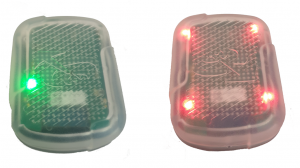 Electronic proximity detectors As part of their COVID-safe production plan, ITV Studios is issuing all the crew of its hit TV show I’m A Celebrity… Get Me Out Of Here! with electronic tags to ensure they keep a safe distance apart during this series.
The show is being set in Gwrych Castle, North Wales rather than New South Wales Australia this year due to Covid restrictions and producers are doing all they can to keep their team safe.
They’re using electronic proximity detectors supplied by Clearview Intelligence which light up and buzz to warn people when they are two metres away from another person. The tags also log any incidents when they occur providing a fast and efficient track-and-trace solution should anyone test positive, therefore, making it easier to identify those who have been in close proximity who would need to self-isolate.
ITV Studios’ Director of Entertainment Richard Cowles, explained, “The crew on I’m A Celebrity all wear proximity monitors that alert them when they are less than two metres away from each other, that way they can step back and safely social distance. We want to do everything we can to create the safest workplace for crew, cast and our hosts.”
Clearview Intelligence has recently taken over marketing and supplying the tags, retaining UK licence holder Neil Levett to work alongside Clearview and drive the project.
“These tags are an essential tool in supporting staff to work safely in any environment,” added Nick Lanigan, Managing Director of Clearview Intelligence. “ITV Studios recognises that it makes sense from a health and safety and business continuity perspective to use the tags and help keep their staff safe.”
The EGOpro Social Distancing Solution is being used at a number of construction and transport sites since their UK introduction in March.
 CMO, Dr Frank Atherton The Chief Medical Officer for Wales has welcomed the news that a Covid-19 vaccine could be ready this year but has warned “that these are very early days”.
Dr Frank Atherton said it could be towards the end next year before a vaccine was rolled out fully to all the eligible population and in the meantime it is essential that everyone continues to observe social distancing, limit meeting in indoor spaces, wear face coverings where appropriate and practice good hand and cough hygiene.
“This is an important step and a remarkable scientific achievement. But full safety data is needed before the vaccine is approved for use,” he said.
“We have well-developed plans to roll out any approved vaccine across priority groups in Wales, but in the meantime, we all need to continue doing everything we can to continue to prevent the spread of coronavirus.
Limiting indoor visits, keeping our social distance, and wearing a face covering where needed as well as regular hand washing are vital actions if we are to suppress the spread of the virus in Wales. Continue to ‘stay safe’ and protect yourself and others.”
The Welsh Government has been working closely with the UK Government and other devolved nations on preparing for vaccines in development.
Dr Atherton said: “Planning for the delivery of a potential COVID-19 vaccine in Wales is well underway. Including organising the logistics for transporting the vaccine, identifying suitable venues for vaccinations to take place, and ensuring that healthcare professionals are available and trained to administer the vaccines.
Health and social care workers, care home residents and staff have been prioritised to receive a vaccine first, with roll out to older people in age bands from next year.
But it’s likely to be a long time until the whole population has been vaccinated, so until then we should all be doing whatever we can to stop the spread of the virus.”
efore a vaccine was rolled out fully to all the eligible population and in the meantime it is essential that everyone continues to observe social distancing, limit meeting in indoor spaces, wear face coverings where appropriate and practice good hand and cough hygiene.
“This is an important step and a remarkable scientific achievement. But full safety data is needed before the vaccine is approved for use,” he said.
“We have well-developed plans to roll out any approved vaccine across priority groups in Wales, but in the meantime, we all need to continue doing everything we can to continue to prevent the spread of coronavirus.
Limiting indoor visits, keeping our social distance, and wearing a face covering where needed as well as regular hand washing are vital actions if we are to suppress the spread of the virus in Wales. Continue to ‘stay safe’ and protect yourself and others.”
The Welsh Government has been working closely with the UK Government and other devolved nations on preparing for vaccines in development.
Dr Atherton said: “Planning for the delivery of a potential COVID-19 vaccine in Wales is well underway. Including organising the logistics for transporting the vaccine, identifying suitable venues for vaccinations to take place, and ensuring that healthcare professionals are available and trained to administer the vaccines.
Health and social care workers, care home residents and staff have been prioritised to receive a vaccine first, with roll out to older people in age bands from next year.
But it’s likely to be a long time until the whole population has been vaccinated, so until then we should all be doing whatever we can to stop the spread of the virus.
The Institute of Economic Development (IED) and the Rural Services Network (RSN) have devised a new practitioner-focused toolkit which is intended as a guide for “anyone seeking to raise rural relevance in the economic agenda”.
The Rural Economy Toolkit, which is being launched on 12 November ied.co.uk/news_events/events_calendar/rural_toolkit_launch, is designed to ensure that rural areas are better recognised in economic strategies and to enable the identification of new opportunities to drive forward rural initiatives.
 Bev Hurley The IED and RSN collectively believe that rural economies present great opportunities for the UK and have been somewhat overlooked in recent economic policy, including in the development of the UK Industrial Strategy (and subsequent local versions) and the Government’s Plan for Jobs. A recent report from the RSN states that predominantly rural areas in England contributed £260 billion of Gross Value Added to the national economy during 2018, which accounts for almost a 16% share of England’s economic output. That rural share has reduced somewhat over time, from 16.4% in 2010 to 15.9% in 2018, as London has expanded further its share of the country’s activity.
Acknowledging that “the situation needs to be addressed”, with the UK required to better utilise its overall resource base, its existing built assets and infrastructure and the whole of its population through more even distribution of productive effort, the Rural Economy Toolkit:
- Uncovers the issues that are preventing rural economies from gaining full recognition.
- Reviews some of the policy drivers that are affecting rural economies.
- Outlines some of the ‘mega trends’ which will create change in rural economies but links these to opportunities.
- Provides a number of case studies of different rural economy initiatives as well as some examples of successful rural businesses.
- Identifies the steps that can be taken to ensure that rural economies remain in the economic narrative.
- Summarises the key measures that rural economies can address to answer “what looks good”.
Speaking ahead of the toolkit’s formal launch on Thursday, IED Chair Bev Hurley CBE and RSN CEO Graham Biggs MBE said: “Current economic
 Graham Biggs strategies in the UK tend towards an urban narrative with the important rural agenda overlooked – despite the importance of resources, activities and people in these areas to the future economic strength of the country. Many drivers of change in the economy have an important rural dimension and create economic opportunities. The most important drivers in this report are identified as low carbon, digitisation, ageing and wealth creation. There are many examples of best practice, where rethinking a rural approach led to economic gains ignored by mainstream strategy. This toolkit approach encourages lateral thinking not standardisation. There is no such thing as ‘rural businesses’ – any business can thrive in a rural setting. The Rural Economy Toolkit provided sets out how rural areas can define themselves; find and present the relevant data; use comparators and time series data to identify strengths and weaknesses and then combine this with lived experience to seize the initiative in strategy.”
Rural economy ‘best practice’ featuring in the toolkit are the Borderlands Growth Deal, Broadband for the Rural North, National Innovation Centre for Ageing, South West Mutual and Transition Town Totnes. There is also a handy ‘top tips’ guide on the things that should be considered to deliver a successful economic strategy.
 Reporter: Stuart Littleford Reporter: Stuart Littleford
South Tees Hospitals NHS Foundation Trust will embrace AI and automation, enhance patient safety, and alleviate pressure on busy staff in a new deal with tech partner Alcidion. Clinicians will use an entire new range of smart technologies and get more from existing IT.
South Tees Hospitals NHS Foundation Trust has signed a major deal with smart health technology provider Alcidion. An entire range of new technology capabilities will alleviate pressure for busy NHS professionals, helping to automate routine tasks, enhance patient safety and improve the delivery of care, whilst also fully harnessing the trust’s existing IT.
The trust, which employs around 9,000 people, will benefit from a modern technology suite that will allow clinical staff to much more easily utilise crucial information and insights, with IT systems working together to proactively aid clinical decisions.
South Tees Hospitals will adopt Alcidion’s Miya Precision solution as well as the Better OPENeP electronic prescribing and medicines administration system, in a move that will rapidly advance the trust’s digital maturity and orchestrate the trust’s best of breed technology strategy.
Mr Andrew Adair, chief clinical information officer and emergency medicine consultant at South Tees Hospitals NHS Foundation Trust, said: “This technology is designed for clinicians by people who really understand clinicians. Our agreement with Alcidion will allow us to accelerate our digital maturity and adopt modern technology that will have a very significant positive impact on the daily lives of the people who use it.
“We have been determined to finalise this agreement at a time of unprecedented pressure in the NHS. The systems we are about to implement will help to lighten the burden faced by clinical staff who are working fantastically hard, by reducing time spent on manual processes and providing some extremely impressive clinical decision support tools. We have chosen to work with Alcidion as more than just another technology supplier – but as a partner that has already demonstrated it understands the needs of our healthcare professionals, our digital strategy and the specific needs of our organisation.”
Miya Precision, a new type of technology for the UK, was formally launched during the summer as the first smart clinical asset for the NHS. It will provide South Tees Hospitals with a trust-wide orchestration layer to integrate information held across existing systems, converting it to the FHIR standard. This will allow data currently held in disparate systems to be consolidated and referenced by artificial intelligence and advanced clinical decision support provided through the Miya Precision platform.
The new system will automate tasks, care plans and pathways at South Tees Hospitals, saving many hours of time traditionally spent by doctors and nurses on manual and administrative functions. Intelligent algorithms and data science that underpin Miya Precision will support new ways of working at the trust and will provide new and advanced functionality around clinical noting, natural language processing, flow management and remote monitoring of patients. The system will also provide a common user interface for dozens of IT systems in place across the trust, whilst Miya Memory, the company’s mobile solution, will make the full patient record accessible to clinicians on mobile devices.
 Lynette Ousby General Manager UK – Alcidion Lynette Ousby, UK general manager for Alcidion, said: “South Tees Hospitals will use Miya Precision to move beyond static systems of record, to systems that proactively engage staff. We are committed to working with the trust and its existing suppliers to unlock substantial value from their current IT investments and complementing that with new technological capabilities in an interconnected way. Ripping out investments to accelerate digital maturity is no longer the only option for the NHS. South Tees Hospitals’ decision demonstrates this, and we look forward to working with the trust to make sure we deliver technology in a way that is genuinely helpful to users.”
The Miya Precision suite of modules incorporates the well-known Patientrack electronic observations system. It will alert staff at South Tees Hospitals with early warnings when patients are at risk of harm or deterioration and will digitise how nurses capture vital signs at the bedside. This will allow the automatic calculation of patients’ early warning scores that will trigger alerts to doctors and appropriate care teams in the hospital when they need to intervene to prevent harm.
This electronic observations functionality is used in more than 40 NHS hospitals to great effect, where healthcare professionals have innovated with the system to help to save lives, improve patient safety, and substantially reduce adverse events such as cardiac arrests and admissions to intensive care. It has also been used to better manage and detect deadly illnesses including sepsis and acute kidney injury.
Kate Quirke – CEO Alcidion OPENeP – a highly respected ePMA system from Better, will allow the trust to digitise its prescribing and medicines administration processes. South Tees Hospitals will be the second NHS trust to benefit from a partnership between Alcidion and Better. The ePMA will launch alongside the electronic observations and patient assessments in the first phase of the technology deployment, allowing seamless integration between electronic observations and medication processes, in a move that will enhance patient safety.
South Tees Hospitals is the second NHS trust to procure a combination of Alcidion’s Miya Precision and Patientrack systems and the Better OPENeP solution – following early adopter Dartford and Gravesham NHS Trust. It is the largest hospital trust in the Tees Valley and runs the James Cook University Hospital in Middlesbrough and the Friarage Hospital in Northallerton as well as community services in Hambleton and Richmondshire, Middlesbrough and Redcar and Cleveland, providing care for more than 1.5 million people.
Alcidion Group managing director, Kate Quirke, said: “Clinical staff working across South Tees Hospitals will be among the first in the UK to benefit from our range of healthcare technologies that have been specifically built to make the right thing to do, the easiest thing to do, even during the busiest of times. It is extremely rewarding to see South Tees Hospitals enter into this agreement so soon after we formally launched Miya Precision as the first smart clinical asset for the NHS. The NHS remains one of our most significant partners anywhere in the world, and I look forward to driving forward this new partnership for the benefit of staff and patients at the trust.”
 Woking Town centre WPS, one of the UK’s leading parking equipment providers, is helping Woking Borough Council to provide a seamless visitor and resident experience with a series of ticketless car park upgrades as a part of Woking town centre’s regeneration.
Central to each installation is the use of WPS’s leading-edge Automatic Number Plate Recognition (ANPR) based parking technology, which reads a driver’s number plate on entry to a car park and calculates the parking fee based on their length of stay.
Before leaving, users have multiple payments options, including cash, chip & pin and contactless (including Apple Pay and Google Pay) at WPS’ ParkAdvance™ pay stations or via the WPS-integrated JustPark App. The customer keys in their car registration number at the pay station or enters a car park code in the app – once paid, exit barriers automatically open. The overall solution includes a web portal for managing season ticket / permit holders using the car parks. The WPS system also links real-time to the JustPark app to provide an ‘AutoPay’ parking experience, where regular users can exit and pay automatically for their parking by preregistering their licence plate and payment details.
New digital “VMS” signage will be installed both on approaching roads and in the new car parks, to help visitors efficiently find available spaces.
The IP-based architecture of the ParkAdvance™ system enables the straight-forward integration of multiple technologies providing total flexibility in system design, as well as a convenient, singular management and reporting platform. The system is also future-proofed, as it can be readily expanded with further features, for example to include retailer and leisure validation and loyalty schemes.
Visitors to the car parks will soon have the option to pay with their theatre or cinema ticket and retailers will be able to discount parking for customers who spend in their outlets. The ticketless system is a greener option, eliminating the requirement for paper tickets and completely removing issues that arise from faulty or lost tickets.
Cllr Ayesha Azad, Leader of Woking Borough Council, praised the excellent working relationship between Woking Borough Council and WPS, which allowed an exacting brief to be developed. She said:
“Our brief was for a seamless customer experience and an advanced system that matched the forward-thinking nature of the town’s regeneration, and this is exactly what we got.
“We are very excited about the enhanced, greener, parking experience that we will now be able to offer visitors to the town centre and can’t wait to welcome shoppers to their new, improved car parks.”
Simon Jarvis, Managing Director of WPS in the UK, says parking is a vital touch point in a visitor’s town centre experience:
“The Council had a well thought out brief that allowed us to work in partnership with them, JustPark and other providers to fully-utilise the best systems and services available. We’ve been able to bring together an integrated suite of leading technologies to create a solution that delivers the utmost in flexibility, efficiency and convenience for Woking residents, commuters and visitors, as well as the Council.”
Hannah Fuller, Head of Partnerships for JustPark, says: “Putting together this brilliant solution is a testament to the collaborative abilities of WPS, JustPark and Woking Borough Council. We’ve worked very hard to create a seamless payment solution, that includes our new AutoPay feature, allowing customers to set up their account to debit automatically when they drive in and out without having to think about it. It’s great to see all this coming to fruition for the benefit of the residents and visitors of Woking.”
The first car park to go live is Victoria Way, a multi-story car park open 24/7 that provides 932 spaces. It will be followed in early 2021 by Shoppers Yellow, Shoppers Blue, Brewery Road and Heathside Crescent. The newly-built Shoppers Red car park will also be launched with the new system.
The installation follows WPS and JustPark’s 2020 British Parking Awards win in the ‘Parking Technology’ category for a solution that combines the benefits of WPS’ ParkAdvance™ pay-on-foot parking system with JustPark’s payment app technology, designed to enhance the customer experience at multiple car parks operated by Cornwall Council.
 Momentum growing in education sector for CO2 monitors Momentum growing in education sector for CO2 monitors
The Scottish Government is leading the call for increased usage of CO2 monitors in classrooms, to reduce the transmission of COVID, and protect pupils and teachers. Local authorities are being advised to learn from neighbouring authorities who already have the monitoring devices in place.
Recently published guidelines state: ‘Local authorities should consider whether CO2 monitors may play a useful role in their overall ventilation monitoring strategies, particularly in areas of the school estate that are identified as higher risk or of concern. CO2 monitors detect the amount of CO2 in a space, which will increase if adequate ventilation is not provided, thereby prompting user intervention such as opening a window or vent, and some schools will have these installed already.’
Universities and local authorities throughout the UK are also implementing a similar CO2 monitor installation strategy.
Preliminary research produced by Sage’s Environmental and Modelling Group (EMG), suggests that in spaces where the same group of people regularly attend, for example schools and universities, continuous monitoring may be possible to use as a transmission risk indicator. The report suggests that a space with 20 people would be unsafe once it reached carbon dioxide levels greater than 1500ppm (parts per million).
‘It has been recognised, even before COVID, that carbon dioxide monitoring is a key indicator as to whether a room is properly ventilated,’ commented Jane Warburton, MD of Flamefast, one of the leading manufacturers of CO2 monitors in the UK.
‘Installing CO2 monitors with an easy-to-follow traffic light indicator provide the occupants with the information to safely manage the air quality,’ she added. ‘Fresh air levels can be measured with CO2 monitors, and doors and windows opened when necessary, without pupils having to work in a constantly cold environment,’ concluded Warburton.
For more information please visit www.flamefast-gas-safety.co.uk/covid
 It has been announced that Pinnacle Group has been appointed to Tier 1 and Tier 2 of the Department for Work and Pension’s (DWP) Commercial Agreement for the provision of Employment and Health Related Services (CAEHRS) across North East England, Southern England, Central England, London and the Home Counties and Wales. It has been announced that Pinnacle Group has been appointed to Tier 1 and Tier 2 of the Department for Work and Pension’s (DWP) Commercial Agreement for the provision of Employment and Health Related Services (CAEHRS) across North East England, Southern England, Central England, London and the Home Counties and Wales.
The CAEHRS programme will run for five years, with a budget of £7.5bn, and will be used to facilitate the provision of employment and health services on behalf of the Government and other contracting bodies.
Pinnacle is acting as the lead organisation for an innovative partnership called PORTRUS between Pinnacle and PeoplePlus Enterprises Pty Ltd trading as PeoplePlus Australia. The collaboration brings together vast expertise to deliver market leading employability services aimed at helping people find and stay in work. Combining Pinnacle’s successful and established delivery model with the Australian partner’s innovation and knowledge from an overseas market enables this partnership to offer new ways to combat employment and health challenges in a complex environment.
Pinnacle has been a trusted partner to the DWP since 2008 and is a current Prime provider of DWP’s New Enterprise Allowance (NEA) and has helped more than 40,000 customers to find sustained work through the delivery of a range of community-led solution since its inception.
PeoplePlus Australia helps people move into work by enabling them to gain the skills they need to make them employable. They provide employment and training services to thousands of people each year in over 150 locations across Australia and are appointed to all the Australian’s Government three major program contracts.
Claire Kober, Managing Director, Homes of Pinnacle Group, said “Our work in employability services has become ever more important since COVID-19 and we have a strong track record of delivering employability contracts. We are delighted to be collaborating with PeoplePlus Australia to explore innovative ways to tackle today’s UK employment, health and skills challenges. There is great synergy with our values and those of PeoplePlus Australia, and we look forward to working with them to help people in the UK find lasting employment.”
Executive Director of Growth and Innovation at PeoplePlus Australia, Emma Crichton, echoed Claire’s remarks and added “Our vision at PeoplePlus Australia is to transform lives and businesses through work and training. We help thousands of people a year in Australia and can’t wait to get started on helping thousands more in the UK. We’re excited to partner with Pinnacle Group, and eagerly await the start of CAEHRS.”
If you would like to be considered to work with the partnership, please get in touch at: caehrs@pinnaclegroup.co.uk
 Steve Swinden, Flamefast CEO, with CO2 monitor Reporter: Stacy Clarke
A report by Government scientists suggested that coronavirus could be checked using CO2 monitors.
As pupils and teachers return to classrooms after half term, major concern is currently being expressed throughout the UK for their health and safety and the threat of airborne transmission of COVID.
However, Carbon dioxide monitors could warn when indoor areas are reaching unsafe Covid-19 transmission levels, government scientists have said.
A report produced by Sage’s Environmental and Modelling Group (EMG) suggested that fresh air plays a significant role in keeping the virus at bay indoors, and could be checked using CO2 monitors.
The scientists conclude that measuring elevated levels of carbon dioxide would be an effective way to spot if air flow levels have reached a level where the coronavirus is more likely to spread.
Early in the epidemic, scientists believed that the COVID largely spread on surfaces, but there is increasing evidence it is airborne and people can breathe the virus in and out.
“Continuous CO2 monitoring is not likely to be a reliable proxy for transmission risk in most environments,” the scientists conclude.
“However preliminary research suggests that in spaces where the same group of people regularly attend, for example schools, universities and offices, continuous monitoring may be possible to use as a transmission risk indicator.”
The report suggests that a space with 20 people would be unsafe once it reached carbon dioxide levels greater than 1500ppm (parts per million).
‘It has been recognised, even before COVID, that carbon dioxide monitoring is a key indicator as to whether a room is properly ventilated,’ commented Steve Swinden, CEO of Flamefast, the leading manufacturer of CO2 monitors in the UK.
The researchers recommend that people working in indoor areas such as offices, universities and schools for several hours should be given regular breaks, with the room purged of air before they return.
“We propose installing CO2 monitors with an easy-to-follow traffic light indicator,” commented Swinden. “These are already widely used in schools and offices, and whilst they do not necessarily solve the ventilation problem, they provide the occupants with the information to safely manage the air quality.”
“Fresh air levels can be measured with CO2 monitors and doors and windows opened at regular intervals,” concluded Swinden.
For more information please visit www.flamefast-gas-safety.co.uk/covid
|
NEED AN UP TO DATE DATABASE? 
|





Recent Comments