Freeport East was one of eight new Freeports announced by Chancellor Rishi Sunak in his budget speech.
Centred upon the Port of Felixstowe and Harwich International Port, both operated by Hutchison Ports (part of the CK Hutchison group) the partnership includes a strong public sector element including South East and New Anglia LEPs, Suffolk and Essex county councils, East Suffolk Council, Mid Suffolk, Babergh and Tendring District Councils. It is backed by a wide range of businesses, business organisations and education providers.
Reacting to the news George Kieffer, Chairman of the Freeport East Project Board, said: “We are delighted to have been chosen by the Chancellor as one of the first new Freeports in the UK for a number of years. Just as the sun rises in our region before it spreads across the UK, so Britain’s future starts at Freeport East.
“Freeport East offers a unique opportunity to build a truly global trade hub at the same time as accelerating opportunities in green energy and helping level-up the economy. We look forward to working with Government to further develop our business plan and to realising the potential that this opportunity represents.”
The Freeport East bid estimated 13,500 new jobs will be created in the area, while over the next five years Freeport East would attract more than £500million of investment and provided a £650m boost to the UK economy.
Freeport East can deliver on the nation’s strategic aims:
growing global trade, combining the UK’s largest deep-sea container port at Felixstowe with the short sea European gateway at Harwich;
being a hub for innovation, driving the Green Industrial Revolution by creating a new hydrogen hub and supporting development of offshore renewables; and
driving economic growth and opportunity for more deprived communities both close to the ports and – through its trade connections throughout the UK – across the country.
Clemence Cheng, Executive Director of Hutchison Ports, said: “Freeport East is the perfect location to develop a new Freeport. Its position on the main global shipping routes, and with frequent services over to Europe, makes it the ideal place to attract inward investment. It has 50% of the UK’s offshore wind capacity on its doorstep and, working with our partners we will help drive developments in green energy for use in the transport sector as well as across the wider economy.”
Felixstowe from Harwich HHA
Under the Freeport East submission, the benefits will spread out from the ports to other sites earmarked for development, such as Horsley Cross and Bathside Bay in Tendring, Great Blakenham, Gateway 14, the Parker and Anzani Avenue areas of Felixstowe and the Port of Felixstowe Logistics Park.
The announcement has also been welcomed by leading public sector figures further afield, such as Cambridgeshire and Peterborough Mayor James Palmer who backed the bid despite it not extending to the area in recognition of the wider benefits it would bring to businesses and residents.
Freeport East is also already working with Ryse-Hydrogen and EDF, operators and developers of the nearby Sizewell nuclear power station, to develop a Hydrogen Hub.
Jo Bamford, Executive Chairman of Ryse-Hydrogen said: “The PM has said the UK will be ‘putting a big bet on hydrogen’ and the Budget’s green light for the Freeport East Hydrogen Hub is a major step towards delivering on these words.
“The Freeport East Hydrogen Hub will support the creation of thousands of green jobs and feature innovative uses in hydrogen for zero emissions buses, construction equipment, marine and agriculture. Crucially, these UK-made Net Zero technologies can be in use within 12 months and will place East Anglia at the forefront of the global hydrogen economy.”
Julia Pyke, Finance director of Sizewell C, added: “This is a great step forward for the East of England. The Freeport East Hydrogen Hub will deliver on six parts of the PM’s Ten Point Plan for a Green Industrial Revolution.
“The Chancellor’s commitment to Freeport East will now turbo-charge private investment in Net Zero nuclear and hydrogen technology across East Anglia and support the development of one of the world’s most exciting and innovative decarbonisation projects.
“We will now develop our hydrogen offering in close cooperation with the port and with the Suffolk councils in order to get national competitive advantage by pursuing things at scale and speed.”
More information about Freeport East can be found at its website, www.freeporteast.com, or by following @FreeportEast on Twitter.
Anna Feuchtwang, Chief Executive of the National Children’s Bureau, said:
“The full effect of the pandemic on families’ finances will only be fully appreciated as the furlough scheme and other measures that protect jobs are wound up at the end of September. Yet this is the moment that the Chancellor will claw back £20 per week from struggling families who rely on Universal Credit to survive. This extra money must be made a permanent increase to benefits, to counter the soaring levels of child poverty seen even before the pandemic struck and should be offered to those living on other legacy benefits too.”
“While measures to improve apprenticeship and trainee schemes will be welcomed by young people facing a deeply uncertain future, the Chancellor failed to acknowledge the full impact of the disruption to children’s lives over the past year. We urgently need a plan that supports children to catch-up for lost school time, which factors in the emotional and psychological stresses of a year growing-up in isolation and chaos.
“Extra money for domestic violence programmes is welcome, however, investment in children’s social care is long overdue. Local authorities need to be able to meet the increasing demands for their help, something they have found increasingly difficult to do given the steady erosion in funding for children’s services over the last decade.”
On what today’s Budget means for businesses, Mark Heppell, Partner at JMW Solicitors, says: “The freeze on Capital Gains Tax (CGT), and no mention of business disposal relief (Entrepreneurs’ Relief), is good news and business owners will breathe a sigh of relief (for now). The speculation surrounding CGT reforms was quite heavy leading up to the budget, and given the reviews that have been carried out in the last year, I would not be surprised to see changes in the near future so the message to business owners planning their exit will still be to bring forward their plans as it does feel like the days are number for the current regime.
“I’m also not surprised by the increase in Corporation Tax (from 2023) and it makes sense to me that the most profitable businesses will be called upon to contribute in a greater proportion. Hopefully the freezing of the rate below £50k profit and tapering to £250k profit will give some comfort to SMEs, but it will mean that, for most, there is more to pay.”
TSSA General Secretary, Manuel Cortes, has described the Budget as “a wasted opportunity” to set out a meaningful economic roadmap from the Covid crisis, for the travel sector and beyond.
Cortes attacked Rishi Sunak’s measures as “showbiz and spin” while lacking “solidity”.
Commenting, Cortes said: “Sadly the Chancellor has presided over a wasted opportunity in his Budget, again ignoring the plight of the travel sector and others who have been so badly hit in the pandemic.
“While our union welcomes the extension to the furlough scheme, we know that many workers and businesses, not least in our travel trade, will be no less worried about their prospects after hearing from Rishi Sunak.
“Time and again our union has told the Government they must leave no stone unturned when it comes to securing the future of our high street travel agents. Yet we heard nothing. Time and again we have warned that Eurostar – our green link to Europe – requires intervention, again we heard nothing.
“This is deeply troubling. What we heard from the Despatch Box today was a lot of reheated announcements, coupled with showbiz and spin. Where were the rewards for our key workers who have done so much for our country throughout the pandemic?
“Sunak offered nothing on raising statutory sick pay, nothing on increasing the minimum wage, nothing on climate change and no big plan to help workers across the board, after a decade of Tory cuts.
“This is a Government and a Chancellor lacking in vision and offering no economic solidity. The people of this country will not be fooled.”
Edison Group
Alastair George, Chief Investment Strategist at Edison Group, comments: “A government spooked by the experience of austerity in the previous recession has offered a budget which implies a slow repair of UK government finances, in-line with other nations and also in our view the best way forward. Clearly, leading up to the budget the traditional Conservative virtues of fiscal prudence have been paid only with lip service. However, the reality is that COVID-19 has the stronger influence on policy. Emergency support programs have been extended into the autumn and the payback will come slowly with rises in corporation tax and stealth increases in personal taxation, through the freezing of allowances.”
“We welcome the fantastic news that the Government has decided to set up a Freeport on Teesside. This will undoubtedly help deliver transformational improvements and drive forward the levelling up agenda. This Freeport will bring millions of pounds of investment, create significant new jobs as well as support some the UK’s key sectors like clean energy, chemicals, transport and infrastructure to name just a few. The economic potential of the Freeport cannot be underestimated. It is huge and will play an important role in strengthening the North East’s future trading position.
“In order to realise the full benefit of Freeport, further transport and infrastructure investment will be essential (particularly as it is based on a multi-gateway, multi-modal model, with links to rail-enabled sites and Teesside International Airport). Excellent transport links will need to be established to support, for example, just-in-time logistics and operations within the Freeport.
“It is also great to hear that a major part of Her Majesty’s Treasury will be relocating to Darlington, importantly including senior civil service posts that shape policy and decisions. This, alongside the recent changes to the Green Book appraisal process, has the potential to create a more vibrant and beneficial culture of decision-making for new transport and infrastructure schemes here in the North East (not to mention a beneficial increase in traffic on the East Coast Main Line and at Teesside International Airport).
“Yet it is extremely disappointing that the North East Freeport bid has, at this stage, been unsuccessful. And the Chancellor made no further comment or commitment (at least from the dispatch box) to rebuilding public confidence in using public transport, Northern Powerhouse Rail, HS2 in the North and plenty of other “shovel ready” transport projects that fall within the quick wins pipeline (such as road and rail schemes and electric vehicle charging points).”
Budget reaction: statement from Institute of Economic Development
“In today’s budget all Ben Houchen’s Christmases came at once. With the relocation of a Government super-campus to Darlington, funds for new port infrastructure on Teesside, and Freeport status the area was undoubtedly the big winner. The country was sprinkled with a few small prizes in the name of levelling up – and the eponymous fund will also be scrutinised carefully – but in truth, if this budget is to create the investment drive that is hoped for it will not be these incremental measures that make the largest impact. It will be whether UK business has the confidence to take advantage of the 130% capital allowances that will be on offer in the near term. How business will react is unclear since it is then business who will pay the biggest price in making contributions to address the deficit. The steep rise in corporation tax was the first bitter pill in the Covid financial recovery plan but there will need to be more to follow.”
Nigel Wilcock, Executive Director, Institute of Economic Development
Irwin Mitchell
Claire Petricca Riding Head of Planning and Environment at Irwin Mitchell commented on the Chancellor’s announcements concerning the Environment today.
“It is good to see the Chancellor has used this Budget to pursue the Government’s commitment to the “green agenda” and its 10 point environmental plan.
“The Green Industrial Revolution continues to occupy the Government’s mind – Green Growth with Green Jobs.
“The new green savings account with a green gilt which will fund renewable energy and clean transportation projects could certainly be a game changer. This could lead to much more support for renewable energy, including onshore wind and hydrogen generators and lead to cleaner transport, more electrical cars and cycling. Along with the Sovereign Green Bond and the new infrastructure bank based in Leeds as well as the desire to be an economic and scientific super power – it has been a budget set for the COP26 and leading that charge to net zero.
“We’ve also got Freeports, simplified planning zones and green initiatives associated with those areas as well as a new carbon offset market. It remains to be seen what the detail of these schemes are.
“If I’m cynical I could say that some of these ideas are really igniting thoughts the Government had a while back under previous administrations and it’s a shame it’s taken so long to get them off the ground. We could be in a very different place if such initiatives had been followed through several years ago.
“That said, it’s important we look forward and overall the Chancellor’s measures concerning the environment are certainly a large green step in the right direction.”
Yotta
In the comment included below, Steve White, head of digital transformation accounts at Yotta, discusses what this could mean for local governments and the potential opportunities the Bank could bring for their infrastructure investments:
“The Chancellor’s plans for a new Infrastructure Bank are welcome but leave local government unclear about the long-term impact on its own infrastructure plans. The focus for the bank appears to be on supporting private sector infrastructure investment, the approach raises the question of the extent to which local government will have access to the bank’s facilities.
“There is an opportunity here for local authorities to challenge industries and transform the infrastructures underlying them, with innovative technologies fundamental to that. The bank must take a longer-term view that allows it to challenge and catalyse structural change in its approach to infrastructure investment, and use of disruptive technologies, rather than perpetuating the status quo. It mustn’t miss the opportunity to support the momentum towards a low(er) carbon economy and changing expectations around infrastructure and the rise of micromobility.”
Simply Business
Alan Thomas, UK CEO, Simply Business, the UK’s largest provider of SME insurance, comments on the Chancellor’s Budget announcement today:
“At Simply Business, we welcome the lifeline for small businesses in today’s budget. It’s positive news to see small businesses rightfully recognised in the nation’s economic recovery plan, but we should know that many self-employed people will still be left without the support they need to survive, let alone thrive.
“By providing this latest package of SME support measures which total £33 billion, including the extension of the Self-Employment Income Support Scheme and Business Rates Relief, Mr. Sunak will enable many small businesses to make it beyond the current lockdown restrictions. These measures have primed the UK economy for a positive, if phased, reopening as we move through this year.
“We welcome the decision to extend the furlough scheme through to the end of September. With small businesses accounting for 48% of all UK jobs, this is an essential lifeline for millions up and down the country, and is another show of support to the SMEs who will be key to our collective recovery.
“While today’s announcement will provide millions of SMEs with the needed certainty to confidently plan for the future, it’s essential to recognise that many will still be left without the support that they need. We’d urge the Chancellor to do all he can to support the UK’s diverse range of small businesses as we look to bounce back from the effects of the pandemic.”
“SMEs are facing a marathon, not a sprint and with them being so crucial to our collective, long term recovery, we’d urge the Government to keep trying to create better conditions for existing small businesses to prosper, and for new entrepreneurs to start up.”
HLM Architects
Olivia Paine, Project Lead at HLM Architects, said: “The Recovery Loans Scheme and Restart Grants announced in today’s Budget are a welcome relief to retail, leisure and hospitality businesses impacted by the ongoing pandemic. Throughout lockdown, we have come to appreciate and depend on our local high street more, underscoring just how critical they are to the vitality of our communities. While these measures are key for the road to recovery, we need to also be exploring longer term at solutions aimed at unlocking all the potential our towns and cities have to offer and ensuring the impact is lasting.
“This is the motivation behind our #bettertowns roadmap, a collaborative initiative aimed at revitalising our high streets so that they are beautiful places for people to shop, work and enjoy. The tool uses a highly visual, data and evidence-led process to determine short, medium and long term strategies for individual towns, removing barriers to development by listening to the data and clearing the way for decision makers to act in the best interests of their communities. As we rebuild, it is more crucial than ever for us to act in a way that is inclusive, sustainable and strategically impactful, so that future generations are able to enjoy our communities for years to come.”
Physical infrastructure and economic growth is not enough. We need new solutions for sustainable recovery. Sarah Gillinson, chief executive, Innovation Unit
“The Chancellor’s Budget today was understandably focused on national economic survival in the short-term and sustainable recovery in the longer term. These are welcome non-negotiables for a country emerging from crisis.
But for a government ostensibly focused on “levelling up” there was little evidence of deepening investment or understanding of what it will really take to improve the lives and life chances of people in places that have had a raw deal over the decades.
Evidence gathered over many years about the success or otherwise of place-based transformation points to the need for change to be grounded in a locally-owned vision that encompasses all aspects of life – from health and education and a secure home to meaningful work and successful relationships.
The government’s actions have been all about physical infrastructure and economic growth. It is not enough.
This change is unbelievably hard and evolves as we learn over 10 years or more. There are scant examples of successful, long-term, place-based transformation that really works for the people who already live there – rather than the people who move in after change has happened.
If the government is serious about “levelling up” or seriously transforming places with and for the people who live there, it should be investing in much more ambitious and holistic innovation in places, and in loud, transparent learning about what emerges. As we said in November last year, 10% of the £4.8bn levelling-up fund should be dedicated to innovation.
We need new solutions, not partial old ones. Trains, roads and enterprise are important – but they are far from being the whole story. Emerging from Covid-19 gives us a once-in-a-generation opportunity to design forward differently. Let’s seize it, as a broad coalition that wants to learn what it really takes to transform places, rather than being stuck in the inadequate models of the past.”
Innovation Unit grows and scales the boldest and best innovations that deliver long-term impact for people, address persistent inequalities and transform the systems that surround them. www.innovationunit.org
Deputy Mayor of Salford
Following today’s budget announcement, Cllr John Merry, Deputy Mayor of Salford and Chair of national network Key Cities told GPSJ:
“It’s important that if we are to ‘level up’ the country that this is done fairly and equitably. The geographical spread of the freeports and towns funding covered many Key Cities and provides a welcome opportunity for the urban areas that contribute to GDP growth across the UK to work together and thrive. Not all cities benefited from today’s Budget, so the Government must continue to work to connect the diverse voices of urban UK if we are to unlock successful devolution and create a productive, balanced economy for all parts of the country.
“Freeports have the potential to fire up international trade and make the UK an attractive investment proposition post-Brexit, but we need to ensure their design and implementation takes into account local priorities whilst also utilising expertise and best practice from across the UK’s cities.”
Representing 25 cities with a broad geographical and political spread, Key Cities works with other cities, towns and organisations across local government and beyond to deliver prosperity, protect the environment and raise standards of living. Key Cities is a diverse, national network covering almost half the UK’s urban areas.
South Lanarkshire Council confirms ‘Cash Out’ delivers immediate and wider access to crucial funds vs vouchers
Increasing numbers of local authorities are utilising the instant cash solutions from PayPoint to financially help families quickly, as the effects of lockdown bring further suffering. Government free school meals and Winter Hardship Fund vouchers provided to recipients as an eGift card to be spent in a certain number of large supermarkets, are limiting convenience and choice for thousands of families.
90 local authorities and housing organisations across the UK are easing the financial impact of the pandemic in partnership with PayPoint, including South Lanarkshire Council. The council had a small scale but longstanding relationship with PayPoint, which traditionally supported the provision of the Scottish Welfare Fund including crisis grant vouchers. The first Covid-19 Lockdown saw them having to react quickly to facilitate the distribution of school meal vouchers on mass and fast. However, PayPoint’s Cash Out service provided an immediate means of providing them with funds to help them feed their children in the absence of free school meals and remains an essential service for its residents today.
Delivering a fast and efficient payment solution
Stephen Pendrich, Benefits and Revenue Advisor for South Lanarkshire Council explains: “Early in the first Lockdown, we knew we needed to find a fast and efficient solution to deliver school meal payments to all of our eligible residents in need of financial support. eGift vouchers for large supermarkets were not inclusive enough, particularly considering the geographical challenges in South Lanarkshire.
“PayPoint stepped in to deliver an instant answer when we urgently needed it. At first, we saw a 70%-80% redemption rate, but this grew to an average of 91% following further communication from the council. To this day, PayPoint’s Cash Out remains a vital service for our residents, alongside bank transfer which we later introduced to offer as an alternative way of providing financial support.”
Extending the benefits to the wider community
In addition to delivering immediate financial aid to families, other councils working with PayPoint are using Cash Out to reimburse the travel expenses of the wonderful volunteers who tirelessly delivered medicines and prescriptions to individuals shielding during lockdown. This is easing the financial strain on the community during these stressful times, as well as supporting local businesses by encouraging more customers into local stores in the PayPoint network.
PayPoint’s Cash Out solution works in real-time to seamlessly enable eligible families to receive vouchers via email, letter or SMS to be presented to obtain a cash payment. Demonstrating the speed at which people can benefit from the service, a PayPoint Cash Out voucher was recorded as having been presented to obtain cash just over a minute from receipt1. There are over 27,700 retailers across the UK providing access to Cash Out, offering greater convenience than the eGift card alternative, which is limited to specific supermarkets. Access to the Cash Out facility is via an online portal which removes the need for local authorities to invest in any development and requires minimal setup, easing the burden of the Covid-19 crisis.
Danny Vant, Client Services Director of digital payment expert, PayPoint, commented; “The eGift voucher solution works for many families, but it also excludes, inconveniences or limits many others. Offering flexible payment solutions means families can choose the best option for them, whether that is a bank transfer, supermarket eGift voucher or cash to spend in a smaller, more local and more familiar shop.
“PayPoint is committed to providing consumers and businesses with the best, real-time payment solutions. Helping families to gain access to the financial support they need, helping them to manage their current challenges, is an important part of this commitment. With Cash Out, local authorities can broaden their range of pay out solutions to meet the needs of all of their residents receiving government support.”
Meeting the demand of those most in need
PayPoint surveyed those in social grades C2, D and E, with 1 in 4 confirming they are eligible for at least one of the government’s hardship schemes. 23% of those redeeming vouchers said the benefit would be significantly greater if it was available as cash to spend at their local convenience store, rather than needing them to visit a large supermarket. The government’s voucher scheme requires people to redeem the voucher in person, at a supermarket, adding to the burden of those most vulnerable and most in need of support. 38% of people dependent upon government funding expressed concerns about travelling to supermarkets on public transport and the high-volume o other people shopping there. Furthermore, 19% said they had experienced delays when using the government voucher scheme due to the complicated redemption process.
The services supplied by the UK’s public sector, particularly those provided by the world-renowned NHS, are considered by many to be the jewel in our crown. Never before has this commitment to service excellence been more evidenced than by the way our public servants have responded to the challenges presented by the global pandemic and its related issues. The ability to provide an almost BAU service is also due to the public sector leaders’ determination to rapidly embrace the advantages digital transformation can deliver. This is designed to accelerate the adoption of public cloud, data, analytics tools, and seamless software applications that will ease the pain of aged infrastructures and outdated working practices, for the benefit of the entire nation.
A deep pool of digital transformation skills and experience
Leon Orr, Chief Delivery Officer at GFT, commented: “We applaud the UK government’s drive to implement new technology throughout the public sector, particularly around cloud adoption. GFT brings deep expertise and significant experience in this area and is already supporting a growing number of complex digital transformation programmes across various industries.”
Elegant solutions engineered to deliver
“Although our expertise and experience spans strategy and architecture through to delivery, it’s not so much about what you have, it’s about what you do with it,” says Leon. “And because the needs of every organisation are subtly different, for me the GFT difference is about exploring ‘the art of the possible’. This means finding new ways to inject innovative, highly cost-effective, secure programmes that will positively transform the overall business operating model. Our evolutionary, not revolutionary approach enables us to intelligently challenge and debate all potential strategies before bringing customer-centric teams with the right blend of attitude, engineering skills and experience to the table. In turn, they will expertly craft elegant technology solutions which help to eliminate the challenges of managing complex legacy infrastructures, particularly within highly regulated organisations.”
GFT is an award-winning firm providing exceptional cloud, IT and software engineering services, delivering expert consulting and development skills across all aspects of pioneering technologies. These include cloud strategy and planning, cloud engineering and cloud migration, data management and data analytics, artificial intelligence, machine learning and legacy technology modernisation programmes. The firm implements robust, scalable IT solutions, which are proven to increase productivity, reduce operating costs, and provide clients with fast, low risk access to new applications and innovative business models. GFT, together with its extensive skills, resources, and experience, is at the public sector’s service, ready and willing to help complete a truly successful digital transformation journey.
Get in touch
Ready to embark on your digital transformation journey?
An organisation that has represented healthcare managers for more than a century formally becomes the Institute of Health and Social Care Management to give a voice to leaders and managers working throughout both health and social care.
An institute that has represented healthcare managers for nearly 120 years has today announced its new identity as the Institute of Health and Social Care Management.
Previously known as the Institute of Healthcare Management, the membership body’s new name signifies its commitment to supporting individual leaders working throughout both health and social care, at a time when the integration of services is high on the national agenda and when professionals have been working tirelessly in response to the coronavirus emergency.
Jane Brightman
In line with this move, the IHSCM is actively expanding its membership in social care as it champions policy change and delivers programmes to provide practical support to individual managers responsible for delivering services.
Jane Brightman, who has been appointed to lead the IHSCM’s social care activity, following more than two decades working in the sector, said: “The IHSCM will provide a formal network and a new home for social care leaders and managers as individual professionals. We are committed to supporting our members with a collective voice, and as a place for development and support that they deserve. We will deliver tailored programmes of training and development to help our members respond to challenges in leading their colleagues, and we will listen to professionals and take their message back to policy makers and government.”
Brightman, who liaised with government departments around national care workforce development initiatives in her previous roles, added: “People working in social care move around a very transient sector, with 38,000 establishments in England alone. Support for development is great from many employers, but there is also significant variation in that support. This is an opportunity for care leaders and managers to draw on the IHSCM’s resources so they can take responsibility for their own development as part of a very human and personable professional community.”
The renaming of the institute comes as the IHSCM recently published a new green paper on integrated care – highlighting examples both of best practice, and where a lack of integration across health and social care has caused distress for patients, service users and families. It also comes after the institute held its first integrated care conference in January.
The institute has also been leading a national campaign alongside The Care Workers’ Charity, the National Care Forum and social thanking platform Thank And Praise to recognise inspirational social care workers, managers and leaders for outstanding work during the Covid-19 pandemic.
Jon Wilks, chief executive at the Institute of Health and Social Care Management, said: “Professionals in social care are just as deserving of support as colleagues in health, and we believe having a single organisation dedicated to supporting individual leaders throughout health and social care is significant. Covid-19 has shown the real opportunity for integration across health and social care as barriers have been broken down to respond to the needs of patients and service users. Effective leadership in these sectors is vital to ensuring there is no going back and that the barriers don’t come back up. As integrated care systems across the country take shape to advance this agenda, we are committed to giving social care professionals support they need and a strong voice alongside their colleagues in the NHS and other parts of healthcare.”
Roy Lilley, healthcare commentator and director at the Institute of Health and Social Care Management, added: “Patients, residents and carers don’t look for a boundary between health and social care, neither should politicians, managers and front-line colleagues. The institute is dedicated to supporting our members throughout health and social care who are committed to leading the way to demolish silos and deliver seamless care.”
Dedicated app simplifies parking permit renewals for Nottingham drivers
Drivers in Nottingham can now buy and renew their parking permits through Nottingham City Council’s parking app – RHParking – following the ongoing development of the app by APT SKIDATA, one of the UK’s leading parking solutions providers.
The new ‘permits module’ within APT SKIDATA’s bespoke RHParking app will help commuters and other regular users of the city’s car parks to easily renew or cancel their parking permit each month; the app will only allow a permit to be renewed if there are sufficient funds to do so.
Karen Day, Service Manager – Parking Services at Nottingham City Council – says that paper permits were previously renewed via direct debit: “As the process now takes place within the app, it prevents customers from unwittingly falling into debt which was a problem in the past,” she explains.
“We are providing an innovative technological solution to improve the customer experience, but it also means that we’ll no longer need to chase up failed payments which reduces our own workload. This means my team is free to focus on other tasks.”
The RHParking app was launched at the beginning 2020 to allow for contactless payments and improve people and traffic flows. It also allows some Council-owned parking facilities to offer secure parking areas with access managed through the app.
Steve Murphy, APT SKIDATA Managing Director, said: “By working closely in partnership with Nottingham City Council, we have provided the technology to bring the city’s multi-story car parks into a single ecosystem. The app has created a clear audit trail and helped to increase efficiency. We look forward to continue working with the Council to build on these gains and help the team centralise the city’s transport options.”
Tom McVey, Solution Architect, Menlo Security, explains why government and defence organisations must look to build security resilience in 2021
In a year heavily influenced by the global crisis, the security risks faced by government and defence organisations are greater than ever, with cyber criminals exploiting ‘pandemic fear’ to launch more and more sophisticated attacks.
As critical infrastructure systems migrate online, with increased use of SaaS and cloud services, they become the target for attack. Phishing attacks and data breaches involving sensitive information are all too frequent, while state-sanctioned attacks are creating headlines around the world.
In the US, the full impact of the cyber attacks on a number of government agencies is still being felt. The large-scale hack, which also struck numerous companies, is widely attributed to Russian state actors. President Joe Biden has stated that, “a good defense isn’t enough” and the need to “disrupt and deter our adversaries from undertaking significant cyber attacks in the first place”.
Closer to home, the National Cyber Security Centre (NCSC) last year issued guidance to healthcare organisations about the risk of COVID-related attacks. At the same time, Foreign Secretary, Dominic Raab, condemned cyber criminals using the global crisis as an opportunity to carry out malicious attacks that target, “those working to overcome the coronavirus pandemic around the world, from experts working on the global health response to hospitals and healthcare systems”.
In Germany, Chancellor Angela Merkel, warned of possible attacks – both cyber and physical – on vaccination centres, transportation companies and vaccine producers.
Despite the many challenges that government organisations are facing right now, they must remain defiant in the face of attack and take an uncompromising approach to security resilience. It’s not the time to raise the white flag of surrender.
Today’s cybersecurity threats highlight the limitations of maintaining the status quo and the importance of identifying the ‘red flags’ of risk, including:
An increase in phishing attacks, driven by the trend for working from home. At Menlo, we are predicting a new form of attack, known as ‘zishing’ or Zoom + phishing, due to a rise in the number of Zoom meetings.
Ransomware is not a new form of attack by any means, but we fully expect cyber criminals to move from data ransom to more system ransom attacks.
Business Email Compromise (BEC) attacks that use email fraud to target organisations, typically with subject lines like ‘Response’, ‘Request’, ‘Urgent Reply’ and ‘Hello’. In some cases the subject line includes the name of the recipient, clearly a targeted threat, asking them to approve financial transactions or payments. We predict a rise in BEC mobile attacks, while caller-ID spoofing will become part of the BEC attack.
Command and Control attacks can be used to compromise an entire network, providing attackers with access to confidential and highly sensitive data or an entry point for a denial of service attack. We predict an increase in the use of HTTPS to communicate to the Command centre, although such attacks will become less relevant for data theft as data continues to move to the cloud.
This year will be another difficult year as organisations look to maintain business operations in uncertain times. A ‘no white flags’ strategy means taking practical approaches to managing cyber risk, combined with creating a culture of collaboration, innovation and prioritisation.
To find out more about this topic, register here for Menlo Security’s Building Cybersecurity Resilience in 2021 webinaron 23 February 2021 (15:00-16:15 GMT).
● UK emergency services will be able to receive fast and accurate access to critical medical and personal details that could save lives ● RapidSOS links life-saving data from 350M+ connected devices to over 4,800 emergency communication centers worldwide ● Hexagon’s solutions help protect nearly 1bn people globally
RapidSOS, the world’s first emergency response data platform, has partnered with Hexagon’s Safety & Infrastructure division, a global leader in computer-aided dispatch (CAD) software and public safety solutions, to give emergency communications centres across the UK access to life-saving data.
The partnership is an extension of the existing RapidSOS and Hexagon collaboration in the United States. It brings together two foremost industry experts and is the first stage in moving public safety agencies towards next-generation (NG999) communications.
By combining Hexagon’s innovation in call centre dispatch with the RapidSOS emergency response data platform, the pair are ensuring emergency services around the world have fast, accurate and up-to-date information when responding to accidents, critical incidents and health emergencies.
The technology created by New York-based RapidSOS protects more than 90% of the U.S. population. Worldwide, it securely links emergency intelligence data – including medical status, vehicle crash data, and more – from 350M+ connected devices directly to emergency services and first responders. A recent partnership with MedicAlert UK was announced late last year, providing life-saving details and medical conditions of the charity’s ID cards users direct to the UK 999 system.
By joining forces with Hexagon, this life-saving data, accessed through the RapidSOS Platform, can be distributed widely to first responders through the HxGN OnCall® Dispatch suite – which provides police, fire, ambulance and transportation agencies with quality incident management and call-taking capabilities, to deliver better service during emergencies and major events.
For example, when a call is made from a user’s registered mobile phone or connected device, call handlers will automatically receive critical details about them to send to those attending emergency call-outs.
Jessica Reed, VP of Strategy and Global Partners at RapidSOS, said: “The RapidSOS Platform is able to bring together crucial and potentially life-saving information from a variety of sources. Partnering with Hexagon in the US and now in the UK, helps ensure this information is delivered to the right place at the right time to make informed decisions, improve responses and save lives.
Reed continued: “The RapidSOS Platform supports all sorts of data, from dynamic AML (Advanced Mobile Location) and alternative location services to additional details generated from security systems, connected mobility, healthcare, connected buildings, apps, and wearables.”
Ian Holmes, Head of Public Safety for Hexagon’s Safety Infrastructure division UK, added: “There are a number of huge challenges ahead for public safety agencies, which require the capability to receive requests for service via not only voice but also through text, video, sensors, social media and instant messaging.
“HxGN OnCall can leverage many of these next-gen information platforms. By partnering with RapidSOS, Hexagon is able to provide quick and efficient access to this information. As well as critical medical details, this also includes location accuracy and a range of supplemental information such as contact or building information.”
To learn more about our technology that’s protecting lives, www.rapidsos.com
The cybersecurity risks and pressures faced by government and defence organisations are greater than ever in a year heavily influenced by the pandemic.
This year is set to be equally challenging. But before organisations raise the white flag of surrender, they should be taking a more uncompromising approach to cybersecurity by identifying and understanding the red flags of infrastructure risk.
This will be the topic of an online event this month aimed at government and defence organisations about how they can build cybersecurity resilience in 2021, hosted by web security company, Menlo Security.
The practical session will include insights from Lt. Gen Philip Jones CB CBE DL, and guests Paul Chichester, Director of Operations at the National Cyber Security Centre (NCSC), John Spicer, CTO & Co-Founder, Nteligen, and Ian McGowan, MD & Founder, Barrier Networks. Attendees will also hear customer testimonials from the Nuclear Decommissioning Authority (NDA) and Sellafield Ltd.
Menlo’s CTO, Kowsik Guruswamy, will share insights from Menlo Threat Labs and Tom McVey, Solution Architect, will demonstrate how to flag and eliminate risk using Menlo’s unique isolation technology, alongside OPSWAT Critical Infrastructure Protection Solutions.
Designed specifically for government and defence cyber practitioners, industry leaders will share their experience of building and maintaining resilience for critical infrastructure and partner and supplier ecosystems.
Menlo Security’s Building Cybersecurity Resilience in 2021 webinaris on Tuesday, 23 February 2021 (15:00-16:15 GMT). To register, visit here.
Two senior politicians are set to headline and inspire an upcoming conference on Learning & Development (L&D) organised by the Credit Services Association (CSA), the voice of the UK debt collection and debt purchase sectors.
Gillian Keegan
Gillian Keegan, Minister for Apprenticeships and Skills, and Toby Perkins, Shadow Minister for Apprenticeships and Lifelong Learning, will update delegates about the critical importance of employer engagement for lifelong learning.
They will tackle the role of apprenticeships for the financial services sector (especially at a time when people may be looking to ‘retrain’ into new roles following the pandemic) and explore opportunities from the Government’s Kickstart Scheme which provides funding to create job opportunities for 16–24-year-olds.
Both MPs are in a unique position to speak about L&D and not just because of their current roles: Gillian Keegan is the only degree level apprentice in the House of Commons, having begun an apprenticeship at 16, working for Delco Electronics whilst also studying for a Business Degree. Toby Perkins, meanwhile, has championed improvements in the standard of apprenticeships, and has experience working with the Chesterfield College and private apprentice providers during his 10 years as MP for the constituency.
Toby Perkins
Fiona Macaskill, Director of Learning and Development at the CSA is looking forward to welcoming Mrs Keegan and Mr Perkins to the event: “At such a significant point in the country’s employment history, we are lucky to hear from two MPs sitting on opposite sides of the Commons Chamber, who are united in their awareness of the necessity to future-proof employment prospects.
“A key aim of the conference,” she continues, “is to provide insight into developments and changes to apprenticeships, and no one is better placed to do so than two MPs who are influencing the national further education strategy, the National Retraining Scheme, and working with the institutes of technology and national colleges, right in the heart of Westminster.”
The L&D Conference will take place virtually on 9 February.
Truespeed, Airband and Wessex Internet selected to roll out full-fibre networks on behalf of the Connecting Devon and Somerset (CDS) programme
Ringing out the old, ringing in the new – music to the ears for over 56,000 rural homes and businesses across Devon and Somerset who are set to benefit from around £80million combined public and private sector investment to roll-out full fibre broadband networks.
Complementing the Government’s ambition to build a Gigabit capable network across the UK, the Connecting Devon and Somerset (CDS) programme has selected three well-established companies with experience of working in the South-West to install full fibre broadband across the region.
Matt Warman MP
The CDS funding – which runs until the end of 2024 – will enable Truespeed, Airband and Wessex Internet to pass thousands more properties, including even the most remote and rural locations where infrastructure build costs would otherwise be prohibitive.
Minister for Digital Infrastructure, Matt Warman MP, said: “Today’s announcement marks a major step forward in our mission to build back better in the South West, with thousands of homes and businesses set to be linked up to lightning fast gigabit broadband thanks to an £18.4 million investment by the government. With Airband, Truespeed and Wessex Internet now on board I am confident we will deliver on our ambition for an infrastructure revolution in Devon and Somerset.”
CDS divided the area into 6 Lots and began communications in February 2020 with the procurement process running through until December.
Truespeed submitted and won bids for Lots A and B which overlay Truespeed’s current area of operation in B&NES (Bath & North East Somerset), North Somerset, Mendip and part of Sedgemoor. By building a brand new infrastructure, Truespeed is able to deliver 10 gigabit-capable full fibre broadband directly into premises. Winning the CDS contract comes at the end of a year in which Truespeed has already passed over 40,000 properties bypassed by national broadband providers.
“We are delighted to have won these prestigious contracts with CDS to bring Gigabit-capable full fibre broadband to harder to reach communities in the south west. As a Somerset-based business focused on building out our own full fibre infrastructure to areas left behind by the industry giants, we are the natural partner for CDS,” commented Evan Wienburg, Truespeed CEO.
“The requirement for full fibre broadband is essential as more people study and work from home. Many Truespeed customers are already benefiting from our ultra-reliable, ultra-fast broadband service and we will continue to work as hard and as fast as we can to accelerate our roll out,” he continued.
A community-focused business, Truespeed provides schools passed by its network with free ultrafast broadband connectivity for life. This ensures school-age children have fast, reliable internet access to support their education.
“We’re pleased to confirm the appointment of three well-established, regionally-based suppliers to help with the challenge of delivering the next phase of the CDS programme,” commented Councillor David Hall, CDS Board Member and Somerset County Council Cabinet Member for Economic Development, Planning and Community Infrastructure. “They have significant experience of delivering broadband connections in rural areas of Devon and Somerset, so they have an understanding of the remote areas where CDS is looking to improve connectivity. This investment will deliver full fibre broadband ahead of many other parts of the country.”
Councillor Rufus Gilbert, CDS Board Member and Devon County Council Cabinet Member for Economy and Skills added “These contracts will deliver vital connectivity to a significant number of rural communities across Devon and Somerset helping our businesses and supporting local jobs. Access to services online, home working and staying connected has never been more important, and these investments will provide a much needed boost to our rural and coastal communities.”
The whole Connecting Devon and Somerset programme is expected to deliver an £800 million boost to the regional economy.
VALE ATV weed spraying system saves time, staff resources and money
VALE Engineering is the UK’s leading supplier of weed control and winter maintenance equipment for the municipal and amenity sectors. The company supplies high-specification Yamaha ATV quad bikes fitted with weed spraying equipment that can save time, staff resources and money – according to Paul Eccles of Tameside Metropolitan Borough Council.
VALE Engineering’s latest weed spraying ATV, the PKL450, complies with all current emission standards whilst also being a significant step forward in terms of comfort and safety for the user. The PKL450 has rapidly become the equipment of choice for clients in the local authority, housing association, grounds maintenance and leisure sectors. The PKL Spraying System is generally considered to be one of the most robust and reliable in the marketplace, being one of the only spraying systems suitable for kerb-edge spraying, hard surfaces and mowing margins.
Tameside Metropolitan Borough Council, located mid-way between the Pennines and the City of Manchester, contains a mix of urban and rural landscapes with varied streetscapes and open spaces – including historic market towns, a canal network and industrial heritage areas. Paul Eccles, Operations Supervisor at Tameside, has been using the VALE PKL system for four years, commenting: “In early 2017 we approached VALE Engineering regarding their quad-bike mounted weed spraying equipment. Previously, we had just been using handheld equipment. I am so pleased we made that call to VALE as it has saved us time, staff resources and, most of all, money! Their PKL system has allowed us to utilise our time and resources much more efficiently, keeping on top of the weed growth as well as all our other commitments around Tameside.”
“VALE ATVs are supplied ready-to-go and fully road legal with lighting kit and E marked road legal tyres and, knowing they fully conform to the current British and European standard for spraying equipment, that provides peace of mind and ticks all the boxes on risk assessments and health & safety. VALE even offer some first-rate training to ensure our operatives are given the necessary skills and qualifications to be able to spray effectively and safely. I would definitely recommend the VALE equipment and training to others. For the cost, I genuinely can’t see a better way as these ATVs mean my team can get around easily and spray every street within the Borough. I would recommend the VALE PKL system to any authority with weed control responsibility.”
The PKL450 Spraying System’s key features include:
70-litre sprayer tank with filter and baffle
Very low-drift nozzle technology
Kerb-edge spraying nozzles
Handlebar spray control
Front mounted clean water tank with 22-litre capacity
A limited quantity of the PKL350 Yamaha ATVs will still available from VALE Engineering whilst stocks last, backed by the company’s spare parts and servicing departments.
For further information or to order, contact VALE Engineering on 01904 738533, email info@valeuk.com or visit the company’s new website www.valeuk.com
Rizwan Malik, divisional medical director of Bolton NHS Foundation Trust and managing director of South Manchester Radiology, joins the expert group that advises the dedicated health tech agency and its clients
Leading radiologist Rizwan Malik has joined Highland Marketing’s advisory board of NHS IT and health tech industry leaders.
The divisional medical director of Bolton NHS Foundation Trust and managing director of South Manchester radiology will contribute to the group’s increasingly influential discussions on health tech strategy and hot topics.
Rizwan Malik
He will also be available to advise the dedicated health tech agency and its clients, which range from established providers with enterprise systems that support the NHS in its day-to-day operations to exciting new entrants to the market.
Malik said: “Thanks to its newsletter and its website, Highland Marketing is my prime source of information about the healthcare IT space. So, when I was invited to join the advisory board, it seemed like a great opportunity to get involved with an agency that is helping the NHS and its technology suppliers to chart the way forward.”
Malik joins the advisory board at an important moment for health tech. In the first wave of the coronavirus pandemic, the health service moved rapidly to reconfigure its systems to support the triage and treatment of Covid-19 patients.
It also rolled out remote working, virtual clinic, and telephone or video consultation technologies. However, there is a growing consensus that health and social care now needs a “second wave” of innovation to consolidate these gains, improve efficiency, and create new, digital services for patients.
Malik said: “Health tech is at an important crossroads. The first lockdown removed some of the barriers that had prevented the NHS adopting technology that was already available to it. Now, as we look ahead to the end of the second lockdown, we need to keep up momentum.
“We need to evaluate the technology that we adopted last year, to make sure it is the right technology, and we are doing the right things with it. And we need to innovate.
“We need to add newer technologies, such as automation and AI to support clinicians, and we need completely new thinking on population health management and creating great services for patients at home. Both the healthcare system and its suppliers need to be asking: how can we go further?”
Malik has a history of innovation in the digital imaging space. Last year, he worked with Qure.ai to apply an AI tool to chest x-rays to support Bolton doctors working with Covid-19 patients.
The project helped doctors to identify deteriorating and improving patients, so they could make better decisions about intensive therapy, and won Highland Marketing’s #HealthTechToShoutAbout award in the Health Tech Awards 2020.
Jeremy Nettle, chair of the Highland Marketing advisory board, said: “The work that Bolton NHS Foundation Trust did with Qure.ai is a great example of the kind of innovation that we want to see in healthcare; not AI ‘for the sake of it’ but to deliver measurable benefits to clinicians and patients that can be replicated to other Radiology departments across the NHS.
“It’s fantastic that Rizwan has agreed to bring his practical experience of working at the front-line of the NHS and health tech to the advisory board, and we are very much looking forward to his contribution and to his experience informing our work and the approach of our clients.”
Malik studied medicine in Cambridge and London before qualifying as a radiologist. He has worked in Bolton since 2006, in a number of increasingly senior roles. Alongside his clinical interests, he has also pursued an interest in health tech.
Malik has also been an advisor to healthcare IT companies and is managing director of South Manchester Radiology, which provides consultancy and clinical advisory services to NHS organisations and suppliers looking to innovate in the imaging and AI space.
The UK’s leading, independent, membership body for health and social care managers says politicians and policy makers must level with the public as one in five poll respondents say more than 15% of staff are now off sick or isolating
The Institute of Healthcare Management has called for honest and open communication about NHS capacity after a snapshot survey revealed the scale of sickness absence across the service.
The UK’s leading, independent, membership organisation for health and social care managers also said local leaders and communications teams should be allowed to level with the public about their situation, as almost two thirds of poll respondents reported ‘worse’ or ‘much worse’ absence levels than they would expect at this time of year.
IHM, chief executive, Jon Wilks
One in ten respondents reported sickness levels of 12-15% and one in five reported absences of more than 15%. Despite this, a majority said they were ‘managing well’ or finding things ‘tough, but we are coping.’
IHM, chief executive, Jon Wilks said this was a tribute to the planning that had gone into preparing the NHS to cope with the Covid-19 pandemic this winter, and a demonstration of the resourcefulness that health and care services have shown as the second wave has accelerated.
However, he said politicians and policy makers needed to be transparent about the situation, so the public could form realistic expectations about the NHS’ ability to open up new services and follow guidance intended to halt the spread of the disease.
“At the moment, politicians and policy makers are talking about opening additional services, such as Nightingale Hospitals and Nightingale vaccination centres,” Wilks said. “Although the picture varies across the country, our members are saying that the scale of sickness absence in the NHS right now makes that fanciful.
“Current services are managing, under enormous pressure, but without staff the idea of opening additional beds and services is a non-starter.
“We need openness and honesty about the position so workers and staff, patients and families have realistic expectations about the treatment available for Covid-19 and other conditions, and don’t lose faith in the service because the reality fails to match the headlines they are seeing.”
Wilks also urged politicians and national organisations to allow commissioners and trusts to communicate with local media, instead of relying on central messages. “If local managers could represent their position to local communities, we would have a much better understanding of what is happening across the service,” he said.
“That would almost certainly win a lot more support for the NHS and for the Covid-security measures that everybody needs to follow to halt the spread of this terrible pandemic.”
The online, snapshot survey was completed by 82 IHM members. It found 32% felt sickness absence was ‘same as we would expect at this time of year’ but 37% thought it was ‘worse’ and 25% thought it was ‘much worse’.
Asked to estimate how many staff were off sick, 30% said ‘up to 5%’, and 26% said 5-7%, 8-10%, or 10-12%. However, 12% said absence was running at 12-15% and 20% said it was ‘more than 15%’.
Wilks pointed out that these figures exacerbated long-term shortages of staff. The NHS went into the Covid-19 crisis with 100,000 vacancies unfilled and short of more than 40,000 nurses.
Asked ‘to what extent staff absence is currently affecting your organisation’s ability to deliver services’, more than 22% of respondents said they were ‘managing well’ and 39% said it was ‘tough, but we are managing ok.’
However, 29% said ‘services are being affected, although we are not in crisis’ and 10% said ‘services are being seriously affected and we are in crisis.’
The survey was launched over New Year, so the majority of responses were submitted before this week’s big increase in cases, and the release of figures showing that the number of people who have died within 28 days of a positive Covid-test has passed 1,000 per day for the first time since April 2020.
Normally at this time of year, Oxford Dictionaries comes up with a word of the year. But, in light of the extraordinary and seismic events we’ve seen in 2020, the Oxford team produced instead a whole list in their “Words of an unprecedented year” report. Along with words encompassing the
Evan Wienberg
coronavirus pandemic and social movements witnessed around the globe, ‘Unmute’ and ‘Zoombombing’ were chosen to represent our growing use of technology as people have adapted to working from home. And it comes as no surprise that the words ‘remote’ and ‘remotely’ have seen a significant rise in usage this year. For anyone who has struggled with the frustrations of substandard broadband whilst WFH, there are several other words and phrases that could have been added to the list. How many of us have been in team meetings this year only to find someone can’t turn on their camera or quickly upload a megabit hungry digital file because their broadband simply isn’t up the job.
Already lagging behind many other European countries in terms of broadband speeds, UK plc cannot afford all the time that’s wasted watching spinning wheels and buffering percentages on screen. For the increasing number of home-based workers running complex digital programmes, as well as school children and students accessing a variety of essential educational platforms, access to ultrafast, ultra-reliable connectivity is essential.
Things are definitely moving in the right direction but it’s still the fortunate minority – around 22% of the UK according to the latest figures – who have access to the gigabit capable broadband speeds that the UK government is keen to unleash across the UK to underpin growth, improve opportunities, increase productivity and bridge the digital connectivity divide. But at the other end of the scale, over 600,000 UK properties are still unable to get a decent fixed broadband service of 10Mbps – with rural areas in particular bearing the brunt.
Without a doubt, Gigabit-capable broadband connectivity is going to be an essential building block in the UK’s economic and educational renewal so levelling up this digital divide remains a priority. In terms of broadband infrastructure, levelling up is not a case of north versus south, but rather harder-to-connect communities versus major conurbations where the build economics look far more impressive. Regardless of UK post-code, it’s vital that everyone is afforded the same digital possibilities, with access to full fibre broadband infrastructure and digital tools at their fingertips.
As part of the Chancellor’s recent spending review, the UK government’s plan to get gigabit-speed broadband to every home by 2025 has been rolled back to a “minimum of 85 per cent coverage” but the ambition remains. And the overall budget for the planned rollout was not touched, remaining at £5 billion, although only £1.2 billion of the budget will be made available up until 2024.
We’re making great inroads in getting the full fibre show on the road – recent figures suggest that nearly 15% of premises can now order a Gigabit capable Fibre-to-the-Premises (FTTP) service – but of course there’s still much more to be done to accelerate roll-out and deliver on this ambitious target.
To steal another OED word of the year, delivering on the promise of full fibre and gigabit-capable broadband for everyone the length and breadth of the country isn’t a moonshot. Certainly an ambitious project, but doable provided we all pull together as an industry. Local and national government need to accelerate the pace at which full fibre rollouts are green lighted – particularly in harder to reach areas. And infrastructure providers need to continue apace with competitive offerings to accelerate rollout – not just for towns and cities, but in rural areas and traditionally hard to connect historic cities so those working and living in these areas don’t get left behind.
Royal Berkshire Fire and Rescue Service is made up of an engaged and dedicated team of some 700 diverse and talented individuals. We are a progressive and community-focused organisation that work as one team to deliver prevention, protection and response services to keep the residents of Berkshire safe. Our resilient workforce is made up of both operational and professional / support staff. In 2019, following our first inspection by Her Majesty’s Inspectorate of Constabulary and Fire and Rescue Services, we were delighted that it concluded:
“Our first inspection of Royal Berkshire Fire and Rescue Service revealed that it is performing to a high standard. We graded the service as ‘good’ in each of our three main inspection categories. The people of Berkshire can be confident that they are being well-served.”
Building on this positive assessment, we are committed to delivering an even better service to our communities, our staff and our partners. Therefore, finding the person with the specific skills, values and experience to facilitate our journey will be critical to our success.
We are seeking an inspirational and talented person to lead our Service on the next phase of our journey of change and improvement. The successful candidate will have a passion for public service, a commitment to continuous improvement and the collaborative leadership skills to guide our organisation. If you believe you possess the authenticity and vision that this role deserves, we would be keen to hear from you. To find out more about the Service, the role, the benefits and how to apply, visit: RBFRS.co.uk/JoinRBFRSSeniorLeadershipTeam
With some schools closing, and despite varying levels of Lockdown in England, Scotland, Wales and Northern Ireland, the spread of Covid-19 remains a real threat, especially in classrooms.
Jane Warburton MD of Flamefast
A report produced by Sage’s Environmental and Modelling Group (EMG) suggested that fresh air plays a significant role in keeping the virus at bay indoors, and that poor air quality could be highlighted with the use of a CO2 monitor.
The report, which is backed by the Chartered Institute of Building Services Engineers (CIBSE), demonstrates the correlation between poor ventilation and an increase in the relative risk of the airborne transmission of Covid-19, and recommends that ventilation be increased wherever possible to ensure that lower levels of CO2 are maintained.
Continuous monitoring
There is increasing evidence the virus is airborne and there is now a significant focus on ventilation. The guidance advises to increase “air changes”, however the majority of classrooms are naturally ventilated and rely on opening windows, so without the use of a CO2 Monitor there is no means to verify that the required rates are being achieved.
Scientists stated that continuous CO2 monitoring is likely to be a reliable proxy for transmission risk in most environments. Preliminary research suggested that in spaces where the same group of people regularly attend, for example schools and universities, continuous monitoring would be possible as a transmission risk indicator.
The report suggests that multi-occupancy spaces with 20 or more people would see a significant increase in relative risk when carbon dioxide levels exceed 1,500ppm (parts per million).
However low occupancy spaces or spaces with singing, loud speech or aerobic activity will require far greater ventilation rates and should aim to maintain a CO2 level of less than 800ppm, the report states.
Opening of doors and windows
Current guidance to schools is to ‘open windows and doors’ and that thermal comfort is secondary to ventilation, however during winter, in most cases this will not be feasible.
Despite the science, budget constraints in schools have held back the installation of CO2 monitors in classrooms to date, as requests in many instances into local governments have failed to produce any action.
CO2 monitor with the traffic light indicator
Universities are addressing the problem as funding is less of an issue, and Local Authorities in Scotland are responding following the release of their own guidance from CERG as most of the schools still fall under LA control, unlike the rest of the UK where schools have been left to fend for themselves.
As winter draws in, conversations with teachers have supported the argument, with complaints that children are less inclined, or able, to work in the lower temperatures. In many cases pupils are subsequently asked to wear extra jumpers and coats, however it is yet to be seen how effective, sustainable, or enforceable this is.
Traffic light indicator
CO2 monitors, with an easy-to-follow traffic light indicator, are already widely used in universities, schools and offices, and whilst they do not necessarily solve the ventilation problem, they remove the uncertainty and provide the occupants with the information to safely manage their environment.
Opening windows and doors in schools, will reduce the risk of Covid transmission, however it may also increase heating bills significantly. Whilst it is recommended that some windows are always open during occupation, it is not always necessary to open all of the windows all of the time. This strategy helps reduce the relative risk of transmission, but also heat loss thereby reduces heating bills, which may provide a proportion of the cost of the installation of a CO2 Monitor.
By creating a better working environment, it is already well documented that there is an increase in learning ability. In conclusion, although relatively inexpensive, CO2 Monitors should be seen as a long-term investment to benefit everyone, as well as a short-term solution to ventilation issues, as opposed to an unnecessary expense.
Alcidion’s reseller agreement with NextGate now expanded to include UK and Ireland.
Expansion further strengthens Alcidion’s offering to NHS organisations and integrated care records.
Lynette Ousby General Manager UK – Alcidion
Smart health tech provider Alcidion Group Limited (ASX:ALC) has announced an expansion of its reseller agreement with NextGate to include the UK and Ireland.
In 2018, MKM Health (which was acquired by Alcidion in 2018) signed an agreement to resell NextGate’s market leading Enterprise Master Patient Index (EMPI) and Provider Registry solutions in Australia and New Zealand. Following a successful two-year relationship, this agreement has now been extended to also include the UK and Ireland.
NextGate is the global leader in healthcare enterprise identification, helping healthcare organisations overcome the clinical, operational and financial challenges that result from duplicate records and disparate data.
Alcidion’s reseller agreement with NextGate has resulted in two significant state-wide contracts in Australia. The Queensland Health Referral Service Directory based on the Provider Index was delivered by Alcidion working closely with NextGate. For the Victorian Department of Health and Human Services Unique Patient Identification program, Alcidion supported NextGate in delivery of its EMPI capability.
The expansion of the agreement to the UK and Ireland will further strengthen Alcidion’s ability to support NHS trusts, health boards and region wide integrated care systems. The news follows the Alcidion’s formal launch this summer of its Miya Precision product as the first smart clinical asset for the NHS.
Lynette Ousby, UK General Manager of Alcidion, said: “With the current focus in the NHS on consolidating clinical systems across regions, the ability to include the offering of NextGate solutions to complement our Miya Precision capability, establishes a true enterprise approach to healthcare delivery.”
Kate Quirke – Managing Director, Alcidion
Alcidion’s Miya Precision presents the NHS with an opportunity to move beyond static electronic records to technology that engages healthcare professionals. Early adopters are using the platform to orchestrate information across disparate systems using modern technology from Alcidion based on the FHIR standard and to establish smart clinical engagement supported by tailored clinical decision support.
With the ability to allow NHS organisations to use data to automate routine tasks, care plans and pathways, Miya Precision is being seen as a way to realise more value from electronic patient record investments and to provide a technology orchestration layer in trusts and for entire regions.
The addition of the NextGate Patient and Provider Registries, which are built on the MatchMetrix® master identity platform, will extend that capability to effectively manage identity for both patients and healthcare providers.
“We are delighted to expand our partnership with Alcidion to facilitate a modernised NHS infrastructure where patients are accurately identified and consistently matched to their health and social care data,” said Andy Aroditis, CEO of NextGate. “Together, Alcidion and NextGate are delivering innovative interoperable solutions that maximise the quality, efficiency and coordination of care.”
Alcidion Managing Director, Kate Quirke commented: “I am delighted that we can now expand our success implementing the NextGate solution in Australia to the UK. The combination of our service delivery and domain expertise with the powerful capabilities of MatchMetrix creates a compelling opportunity for the health sector to establish first class identity management.”
Walker joins in the wake of rapid growth in healthcare and public sector
Agilisys, the digital transformation specialist for the public sector, today announced the appointment of Richard Walker as Partner for Data & Insights. The appointment supports Agilisys’ growth within healthcare and local government and reflects the crucial role that data now plays in the role of digital transformation.
Richard joins Agilisys from KPMG, where he was most recently a Director of Data & Analytics responsible for helping public sector clients to unlock the value in their data. At Agilisys, Richard will work closely with the leadership team to build and evolve the company’s data-led customer offerings.
Richard Walker
“I’m a firm believer that the better use of data is critical to the future of our public services,” says Richard Walker, Partner for Data & Insights at Agilisys. “As more organisations explore the potential in their data and in turn realise the benefits of advanced analytics and digital innovation, it’s a hugely exciting time to be in this industry. The drive to join up data across Health and Care presents a unique opportunity to generate new insights to some of our most vexing challenges. Joining Agilisys gives me the chance to put this into practice across the public sector, delivering benefits to citizens and keeping people and communities healthy, safe and thriving.”
Agilisys empowers public sector workers with the tools and insight to improve outcomes for the citizens they serve. The company combines significant data consulting experience with an award-winning approach to technology solution delivery to create end-to-end solutions for its public sector clients.
“We’re delighted to have attracted someone of Richard’s calibre to Agilisys and look forward to seeing him apply his experience and vision to our customers,” adds Louise Ah-Wong, Senior Partner for Digital Transformation at Agilisys.
“Whether you’re talking about data analytics for healthcare or local and regional government, the key is allying deep industry and sector knowledge with broad functional capabilities with a high degree of technical sophistication. The addition of Richard to our team bolsters our already strong data capabilities and allows us to join up our AI, insight, data platform and data managed services offerings and leaves us well placed to better meet the needs of the market. Richard will be supported by newly promoted Agilisys veteran Dan Thompson who has taken the role of Head of Data Services and Engineering.”
A new partnership between a charity platform and homelessness support network has launched with the aim of bringing local charities together to support vulnerable people and tackle the challenge of rough sleeping in Wakefield.
Investors in Community, a charitable giving platform which links good causes with businesses and fundraisers, will be working with Street Support Network and Wakefield Council to link more than 30 charities, voluntary groups and government services.
The network of organisations will provide long-term solutions for people who need help to transform their lives. Services such as getting rough sleepers into housing, where to get food, support for alcohol or drug addiction or advice on benefits.
The Street Support Wakefield website and app also enables local residents and businesses to see what they can do to help, which includes donating money or items such as food or clothes, and volunteering.
Residents can also contact the Council and Wakefield’s Rough Sleeper Outreach Service if they are concerned about someone they have seen sleeping rough.
Phillip Webb, managing director of Investors in Community, said:
“Street Support Wakefield is a great initiative bringing good causes together to tackle the hugely important issue of homelessness and we are delighted to be working with the Street Support team, Wakefield Council and the 30-plus organisations supporting the project.
“The Investors in Community platform is free of charge for charities and it will enable them to shout louder about the fantastic work they have been doing as part of the Street Support Network, and gain extra support for businesses and individuals. Times are hard for lots of people at the moment and good causes are more important than ever to the vulnerable in our local communities.”
Gary Dunstan, Co-Founder of Street Support Network, said:
“Due to COVID-19, more people are now facing hardship and homelessness; and local charities need the help of businesses and the public to help vulnerable people in Wakefield. We hope that this new partnership can capture all the kindness there is locally in Wakefield and direct it to where it is needed.”
Investors in Community has been working closely with charities and businesses in Wakefield since a partnership with Wakefield BID brought companies together to collaborate on CSR projects.





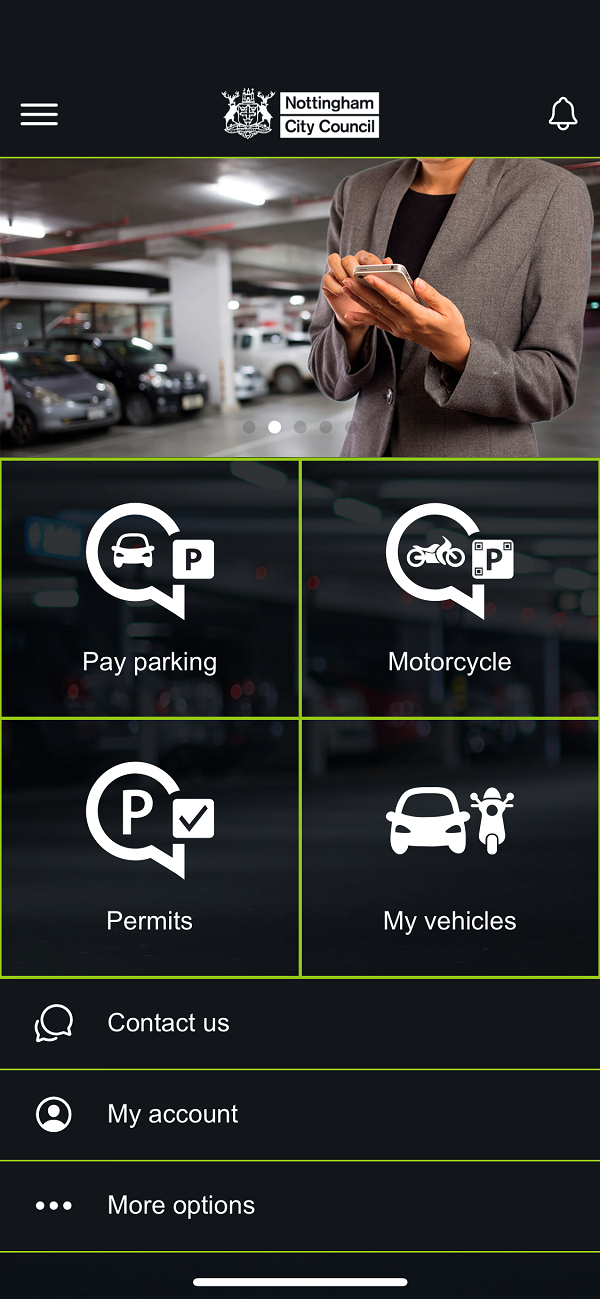
 In the US, the full impact of the cyber attacks on a number of government agencies is still being felt. The large-scale hack, which also struck numerous companies, is widely attributed to Russian state actors. President Joe Biden has stated that, “a good defense isn’t enough” and the need to “disrupt and deter our adversaries from undertaking significant cyber attacks in the first place”.
 By combining Hexagon’s innovation in call centre dispatch with the RapidSOS emergency response data platform, the pair are ensuring emergency services around the world have fast, accurate and up-to-date information when responding to accidents, critical incidents and health emergencies.








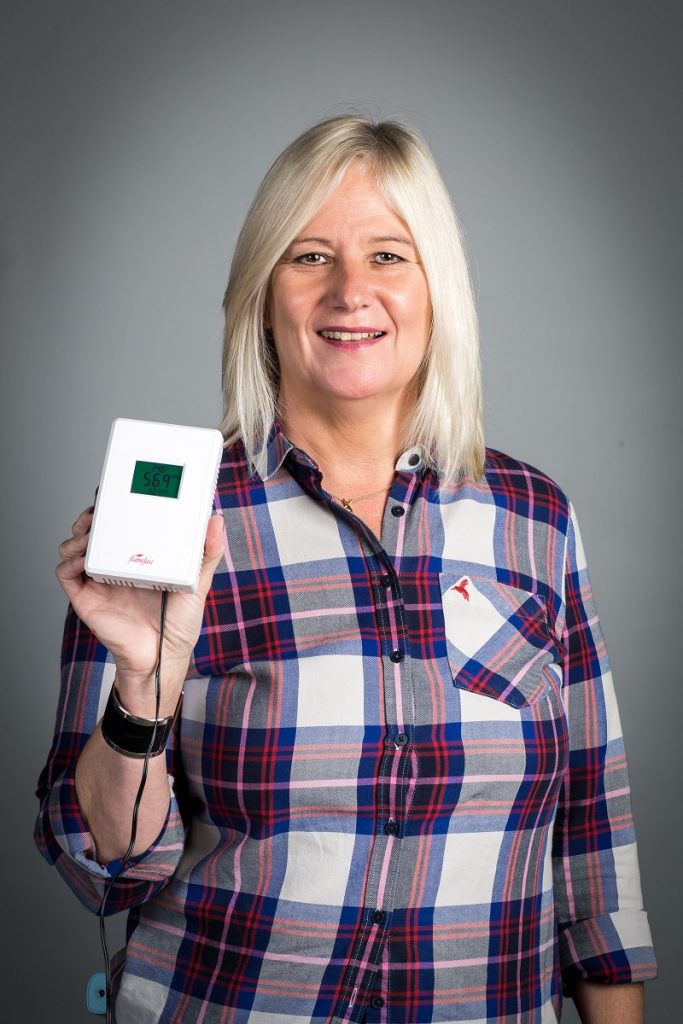




 A new partnership between a charity platform and homelessness support network has launched with the aim of bringing local charities together to support vulnerable people and tackle the challenge of rough sleeping in Wakefield.
 Phillip Webb, managing director of Investors in Community, said:



Recent Comments