|
|
 Daniel Harrison, co-founder and head of technology at Voicescape Voicescape has launched a unique tenant engagement solution for social landlords and local authorities, representing a major step change in the intelligent automation of rent arrears management.
Caseload Manager (CM) has been developed by the specialist software business to enable social landlords to improve the efficiency and effectiveness of income recovery.
It combines Artificial Intelligence (AI), Machine Learning (ML), and Data Science and Behavioural Insight (Bi), to identify individual tenant behaviours and risks, automating each stage of the arrears management process. It then applies learning algorithms to accurately predict future customer behaviour, continuously improving operations over time.
Daniel Harrison, co-founder and head of technology at Voicescape, said: “Never before have customer engagement and operational efficiency been more important in helping social landlords to tackle growing income deficits. The sector is facing challenges that have been exacerbated by the pandemic, stretching financial and resource pressures further than ever, and placing demands on organisations to support tenants with the rising cost of living.
“With rents predicted to rise by as much as 4.1 per cent from April 2022, it’s a critical time for social landlords to be able to engage meaningfully with tenants to create successful outcomes for everyone. For the first time, social housing managers can realise the true value of the data they possess, big or small, allowing teams to manage rent arrears more effectively, at a lower cost, and with an improved tenant experience,” he added.
CM is designed to work with all major Housing Management Systems (HMSs) and in-house developed IT support systems, addressing the entirety of the arrears pool in one solution. It does not require additional modules should the landlord wish to tackle Former Tenant Arrears, for example.
Daniel added: “It doesn’t sit in isolation from the rest of the arrears ecosystem. It brings together critical and salient information in one place. By intelligently profiling risk and then taking active intervention, Caseload Manager reduces the generation of new caseload and resulting volume of active cases, saving hours of manual work.”
The CM solution has been developed in partnership with Thirteen, which provides housing services to more than 70,000 customers across Yorkshire, Teesside and the North East.
Chris Marshall, head of housing services at Thirteen, explained: “We’ve all seen the challenges of debt recovery through the pandemic and what we’re seeing now is the cost of living really starting to have an impact, particularly for low income customers that sit just above the housing benefit threshold. As an organisation our ambition is to use behavioural science to intervene at the right time, with the right message, as well as increasing our use of automation to free up our colleagues’ time to be able to spend with customers.
“Caseload Manager not only aligns with the values of our organisation to deliver automation driven by behavioural science, it’s helped us to deliver support to customers when they most need it, and uses all of the intelligence we have on our customers to help us be smarter in our interventions. It’s supported our co-ordinators to manage debt cases in one clear dashboard to streamline processes and reduce the volume of manual intervention required. We’ve already seen, in a relatively short space of time, the benefits of how the system continues to learn from the action that we take and the behaviour of our customers to refine those interventions.”
Using a unique combination of automation technology, behavioural insights and data science, Voicescape creates bespoke communication solutions that help public service organisations drive substantial operational efficiencies and service-level improvements.
 The MAST (Joint European Torus and Mega Ampere Spherical Tokamak) experimental plasma machine at CCFE Hundreds of scientists and engineers working on the UK’s race to harness fusion energy are being protected from COVID-19 contamination by new super-tough anti-microbial coating Touchpoint Shield.
The UK Atomic Energy Authority (UKAEA) has commissioned bio-hazard cleaning and decontamination specialist SafeGroup to install Touchpoint Shield in washrooms and toilet areas.
Facilities managers at the authority’s research centre near Abingdon, Oxfordshire, were impressed with trials that proved the coating suppressed the build-up of SARS-Cov-2, the COVID-19 virus.
A team of SafeGroup technicians has now applied the fast-drying and nearly invisible Touchpoint Shield to showers, toilets and taps at multiple locations across the 200-acre fusion energy research site.
The coating has been installed in time for the UKAEA to provide enhanced surface protection against the new Omicron COVID-19 variant.
Keith Musgrave, the UKAEA’s Head of Buildings and Facilities Management, said: “SafeGroup has worked with us to undergo pilot testing of Touchpoint Shield over a six-week period at the height of the pandemic.
“The results were conclusive as to the coating’s effectiveness. Touchpoint Shield has now been applied to areas throughout the site.
“We will now add this process to our new builds and building refurbishment projects. The service from SafeGroup throughout the whole process has been efficient, collaborative and totally professional.”
Adam Clark, Building and Refurbishment Manager at the UKAEA, said: “Touchpoint Shield provides long-lasting anti-microbial protection on all surfaces while also making them so much easier to keep clean. Treated surfaces also look excellent.”
The UKAEA carries out fusion energy research on behalf of the UK Government.
 Aerial view of CCFE Its Culham Centre for Fusion Energy (CCFE) is a global leader in fusion energy research which aims to harness the power of the stars, including our Sun, to provide safe, sustainable, low-carbon energy.
Chris MacDonald, SafeGroup’s Business Strategy Director, who has been leading the Touchpoint Shield installation, said: “The spread of the Omicron COVID-19 variants shows we must take a long view to beat the pandemic and establish high performance hygiene protection.
 Touchpoint Shield being installed at the Culham Centre for Fusion Energy “Our work at the CCFE demonstrates how Touchpoint Shield is quick and simple to install and instantly begins to provide long-term, active protection against SARS-Cov-2 and a range of other pathogens.
“Uniquely, it combines proven effectiveness against the COVID-19 virus in a long-lasting, low-maintenance coating that, because it is transparent, doesn’t change the look or feel of treated surfaces.
“Installing Touchpoint Shield is a proven way to also directly address the heightened concerns employees have about workplace hygiene, supporting enhanced assurance, trust and wellbeing.”
Like many organisations, the UKAEA has been looking for effective ways to improve protection for its teams during the COVID-19 pandemic and has made Touchpoint Shield a key element of its enhanced hygiene strategy.
CCFE’s work is highly collaborative, with scientists and engineers visiting from around the world to work on highly complex experiments. Putting in place improved hygiene protection measures to allow this to continue has been a top priority for the authority.
The active anti-microbial agent in Touchpoint Shield is silver ions, which have long been proven to destroy many viruses, bacteria, mould, fungi and many parasites.
Independent laboratory tests, commissioned by SafeGroup, have proven Touchpoint Shield is 99+% effective against SARS-CoV-2 and other bugs that cause serious workplace illness, including the flu virus and Norovirus.
The silver ions are added to liquid coating made from billions of nano-ceramic particles. It is these particles that make the coating ultra-smooth and tough, enhancing the look of treated surfaces and makes them easier to clean.
This is giving SafeGroup clients, including the UKAEA, the added advantage of making their cleaning regimes more productive, with no need for additional high frequency touchpoint cleaning.
For more information please visit: www.touchpointshield.co.uk
Email: touchpointshield@thesafegroup.co.uk
 By Barley Laing, the UK Managing Director at Melissa By Barley Laing, the UK Managing Director at Melissa
The pandemic, along with improving technology driving digitalisation, has seen the public sector place many of their services online.
Unfortunately, fraud has always been a big issue in the public sector – something that’s been exacerbated by services quickly going online during the health crisis. The Cabinet Office estimates that fraud and error costs the public purse up to £51.8 billion every year, with the Bounce Back Loan Scheme set up during the pandemic alone expected to cost the taxpayer £27 billion in fraud or credit losses. This high level of fraud requires public bodies to know who they are engaging with. It’s confirmation of identity that will prevent valuable budgets from being disbursed incorrectly, money that can be more appropriately targeted at frontline services.
At the same time, people are used to engaging with businesses which provide fast and secure access to services online, particularly during the pandemic. Therefore, when they register online for a service offered by the public sector they expect it to be quick and seamless.
This poses the question: How can public bodies ensure accurate and fast identity verification – ideally in real time – at the point of access?
Biometric technology = accurate and fast remote identity verification
The public sector needs to take an effective remote and automated approach to identity verification, to ensure those who are entitled to access services can, while those who aren’t, can’t.
A good place to start is to use biometric technology to verify identity remotely. It’s the way forward for those serious about delivering a standout and effective ID verification process in the digital age. Biometric technology enables organisations to digitally identify someone using their physical human characteristics, such as fingerprints, facial features, and voice; or behavioural characteristics, such as how they interact with a touchscreen. These are all unique identifiers that cannot be replicated, avoiding the need for time-consuming security questions or the frustration of forgotten passwords.
Biometrics enables people to quickly and easily access their services or account, helping to deliver a positive experience. It’s this technology that’s already proving popular in seamlessly confirming the ID of prospective customers in other heavily regulated industries, such as banking. It is now attracting the attention of the public sector.
Biometrics that uses facial verification technology is the standout tool for those in the public sector. With this form of biometrics, once the applicant to a service or product has scanned and provided their primary ID document (such as a passport or driver’s licence with a photo), via a device of their choice, Machine Readable Zone (MRZ) and Optical Character Recognition (OCR) technology can check its validity in real time. The applicant then simply takes a selfie, which the software scrutinises via an algorithm within the technology, comparing it with the master ID image. The algorithm can instantly distinguish differences between the selfie and the ID image, including head position, hairstyle, skin imperfections, facial hair, makeup and age.
Liveness checks are key
However, when sourcing facial verification technology it’s vital that those in the public sector select one that offers liveness checks, and requests a ‘challenge response’. By asking the individual to blink, which confirms eye movement and proof of life, it’s possible to establish that the person is real and not a static image. It provides additional confidence that the person being onboarded online is very definitely who they say they are. This is important at a time when there’s been an increase in ‘spoofing’ which involves criminals using creative methods like 2D images and video playback to try to trick facial recognition technology and ‘prove’ they are the person they are impersonating.
Good facial verification biometric software enhances the customer journey by ensuring that the lighting, sharpness, and quality of the images of the ‘live’ selfie and the ID document are sufficient to pass through the process quickly and efficiently. Additionally, using such software enables ID checks to be performed in just a few minutes, rather than waiting for a lengthy manual, and more costly, ‘back office’ check.
Biometric technology preferable to manual checks
Using automated biometric technology to remotely verify identity is significantly better than the physical, time consuming, and more costly checks that traditionally take place behind the scenes at public bodies, for a number of reasons. Firstly, staff are asked to check documents for authenticity, manually, despite not always having specific training in identifying forged or fraudulent documents. With thousands of ID document types worldwide employees can’t be expected to know them all, which can cause review-related delays. Also, everyone is vulnerable to human error, making manual reviews less effective or stringent than they should be. Finally, operating manually does not usually allow for a quick response to changes, whether legislative or regulatory. In light of this public bodies should ask if there is any justification for continuing spending money on manual ID checks with budgets under extreme pressure, when speed and accuracy are offered via automated remote ID verification services, such as biometrics?
Remote onboarding is becoming more important for those in the public sector in 2022 and beyond, as services increasingly go online. It’s time public bodies look to embrace the benefits automated remote identity verification can bring, particularly using biometric technology that powers facial verification.
For more information about Melissa and how our ID and document verification services can help you prevent fraud please visit: Melissa, email: barley.laing@melissa.com or call: 020 7718 0070.
Barley will present a seminar on: ‘How to verify identity remotely’ at the Counter Fraud in Public Sector Conference at the QEII Centre in London on 23rd February 2022.
Investment will enable the company to further enhance its software solution Scout®. A data aggregation, risk identification and reporting platform that currently allows organisations to more effectively carry out compliance checks, investigations and make intelligent decisions.
Synalogik, the company whose Scout® data automation platform allows organisations to aggregate data, identify risk and create reports, has raised more than £3m in a Series A funding round.
The funding round was led by high-profile investors Bill Currie, founder of retail, ecommerce and tech investment fund, the William Currie Group and Sir Terry Leahy, former CEO of Tesco.
Synalogik will use the capital raised to scale its Scout® solution across different markets and territories and to expedite the launch of additional solutions that have been in development over the past 18 months. These solutions will widen the application of its data aggregation, risk identification and decision intelligence capabilities.
The company, whose clients range across gambling, insurance, banking, legal and the public sector include Entain, Betway, Vitality and NatWest, will also invest in its people, research and development with plans to double the size of its engineering team and enhance its dedicated customer support department over the coming months.
Gareth Mussell, CEO at Synalogik, said: “The data landscape is exploding, organisations have unprecedented opportunities to make intelligent decisions based upon the data within their eco-system or immediately available to them. Organisations are struggling to harness these opportunities and often rely on manual processes to aggregate data – this is simply not scalable.
“Scout® has been developed to overcome these challenges and it’s great to see that the potential for the business and our growing suite of solutions has been recognised by high profile investors such as Mark Blandford, Bill Currie and Sir Terry Leahy, as well as those individuals who have supported us from the beginning.”
“Closing this Series A funding round allows us to rapidly scale up our capabilities, increase our headcount and bring new and exciting products to market that will allow us to better serve existing and new clients.”
Synalogik was founded in late 2018 by a group of former police officers, barristers and members of the intelligence community who were frustrated by the inefficiency of manually aggregating data from disparate sources.
Synalogik’s solution, Scout®, is a unique platform that enables organisations to automate data aggregation from multiple disparate sources, identify risk and report findings in seconds. Scout® supports users with regulatory compliance, anti-money laundering and fraud investigation.
“Synalogik displayed real vision in their plans for utilising data aggregation and enabling businesses to get access and assess data more cost-effectively, we believe we are investing in a really exciting company,” said Bill Currie, investor in Synalogik. “The potential number of industries that can benefit from Scout® is truly extraordinary with clear cut value for organisations across not just gambling, insurance, financial services, but also retail and marketing, among others. Their focus on being data agnostic, aggregating from the maximum number of sources, means they are able to give unparalleled insight providing a truly 360-degree view.”
Sir Terry Leahy, investor in Synalogik, added: “The threat from money laundering and fraud to public and private organisations is very significant and growing. Businesses are struggling to meet compliance standards and need better solutions like the Scout product from Synalogik which transforms the speed of data aggregation and analysis of risk.”
 Bolton-headquartered EdTech firm, Near-Life, has successfully launched a ground-breaking immersive learning programme for Greater Manchester Police (GMP) that will support their work tackling Child Sexual Exploitation and protect some of the most vulnerable members of society. Bolton-headquartered EdTech firm, Near-Life, has successfully launched a ground-breaking immersive learning programme for Greater Manchester Police (GMP) that will support their work tackling Child Sexual Exploitation and protect some of the most vulnerable members of society.
The pilot was awarded £241,000 in funding from Innovate UK in November 2020 to accelerate the development of an interactive learning programme tailored to complex investigations – an area of police training identified as challenging and of the greatest need.
Working in partnership with GMP, Near-Life has developed a comprehensive course built using its Near-Life CREATOR+ interactive video software, which uses cutting edge gamified simulation technology. Learners have the opportunity to take on the roles of both officer and investigator in a simulated Child Sexual Exploitation case.
Each module features a combination of written content and videos on a range of topics from unconscious bias to recognising risk factors, conducting thorough searches of a missing person’s home and using the Appropriate Language Policy.
Each module concludes with an interactive scenario where the user is given decisions to make as part of a simulated investigation. Their choice dictates what happens next in the simulation, giving officers the opportunity to test potential decision-based outcomes around complex investigations to improve problem solving and decision making in a safe learning environment.
The technology will better track performance and learning based outcomes, supporting an improved knowledge base that will allow GMP to share best practice examples of how digital simulations can support learning and training for complex investigations.
“Through our work with Greater Manchester Police over the last 12 months, we’ve really got to understand, in practice, the potential that using a gamified simulation approach has for dealing with a complex, sensitive and challenging topic like investigating potential Child Sexual Exploitation cases,” explained Mike Todd, CEO of Near-Life.
“The benefit to using immersive learning is that it allows you to create real-world scenarios and environments tailored to the needs of the user and the business. Research published by OFCOM found that it can improve knowledge retention by as much as 90%,” he added.
Superintendent Gareth Parkin said: “GMP are constantly looking at how to improve learning to help keep our communities safe. This interactive pilot project with Near-Life, which focuses on a very important topic, is a key part of our ongoing efforts to explore new ways in which innovation can support our work.”
Globally, the immersive training market was valued at $26.05 billion in 2020 and is expected to reach $463.7 billion by 2026.
Mike continued: “Undoubtedly, the learning supply chain is being disrupted. The pandemic has brought with it many new ways of working and immersive technology has been given the chance to really demonstrate how it can be a cost-effective way to improve engagement in ways that are customisable to the user, scalable and generate better results.”
 By Charles Damerell, Senior Director UKI at SolarWinds By Charles Damerell, Senior Director UKI at SolarWinds
In responding to the demand for better digital capabilities, defence organisations are among many across the public sector to have seen significant recent changes in their technology strategies and investment choices.
This has delivered a wide range of benefits, such as enabling the sector to cope with remote working, increased online collaboration, and the adoption of efficient, cost-effective cloud-based services. It has also increased the overall pace of digital transformation—an IT modernisation process already underway, but which was given new urgency and momentum by the varied and complex technology issues to arise as a result of the pandemic.
However, this has also brought a collection of challenges, including how to balance new and innovative technologies with existing legacy infrastructure. As a result, consolidating existing and new solutions has become a key priority for defence organisations.
Our recent research focused on the defence sector has underlined the current ongoing opportunities to consolidate, automate, optimise, and improve tech-led process efficiencies, so organisations across the sector can maximise value and minimise costs.
In particular, the findings revealed there are five key areas where defence organisations must focus, so they can plan confidently for a digital-first future:
1 – Embracing the New Normal
COVID-19 has been an exceptional accelerator for many CIOs and IT departments, many of whom were already focusing on the next wave of the digital revolution.
Confidence across the sector is high, with 84% of defence respondents saying they are in a strong position to adapt their IT environments rapidly, as and when needed. Yet nearly three-quarters (73%) of respondents believe defence is no further ahead than other sectors in its IT development journey. Organisations must, therefore, continue to take the opportunity to advance their technical aspirations to transform their overall legacy environments into modern, consolidated systems.
2 – Identifying and Addressing Risk IT Factors
Among the specific challenges presented by current IT environments, the interoperability of systems is ranked highest by respondents (51%). To keep up with technological developments, organisations have onboarded niche solutions that have solved certain problems but have also presented others when assessing the collaboration of systems and collation of data.
Unsurprisingly, security also ranks highly as a concern (45%), while managing legacy technology and a lack of easy oversight (36% each) are also problematic. Organisations have adopted new solutions as technological advancements have been made, but little has been done to manage the overall structure of this IT ecosystem, which has left organisations losing time to data management and consolidation requirements.
3 – Automation
Across many sectors, organisations are looking closely at the scope for automating simple or repetitive tasks. In defence, however, only 6% of respondents report all basic tasks are automated with staff thereby free to pursue more meaningful tasks.
What’s more, almost a third (30%) of organisations haven’t automated any tasks and are missing out on the efficiencies and staff productivity gains that could be secured. Encouragingly, however, 40% have undertaken a fair degree of automation and are likely to pursue further opportunities as they reap the many benefits it brings.
When assessing digital performance and the relative lack of automation, the research found 34% of respondents were spending a significant proportion of their time dealing with these basic issues—with anywhere from one-fifth (21%) to three-fifths (60%) of their time spent on performance problems. In addition, over a quarter (26%) reported they didn’t know how much time was being lost as a result.
4 – Consolidation
While IT consolidation is recognised as having many benefits for organisations, almost half of the defence sector have not looked at it as an initiative.
However, almost all respondents indicated they are either already benefiting from the solution in several crucial areas or expect consolidation to bring benefits in the future. For example, the ability to collaborate more effectively with colleagues was the highest-ranked benefit (96%); with organisations often managing several offices and supporting home working, effective collaboration is crucial.
The top two barriers for organisations were reported as the perceived cost of change (60%) and risk of service disruption (58%). The problem is, 43% of respondents either have no overall consolidation strategy or are unaware if there is one, suggesting this is a widespread issue that needs to be addressed.
5 – Security and Cloud Adoption
Despite the ubiquitous availability of proven cloud services across a wide range of use cases, security concerns are the main barrier to the adoption of cloud technology in the defence sector, with some 40% just beginning their journey into the cloud.
Only 19% of those surveyed had completed a cloud adoption strategy, leaving a large percentage without the benefits of a full cloud system. A fifth (21%) of respondents are at the beginning of their cloud journey and are looking for the best way to approach this process. Whatever stage organisations are at, it’s important they get the right advice when looking into systems and appraising the full range of public and private cloud systems available.
As the defence sector continues to focus on improving the performance of existing and new IT systems and infrastructure, organisations targeting their efforts to balance the requirements of these challenges will be well placed to succeed.
 Benoit Bole NHS and public sector organizations can now take advantage of LINK Mobility’s leading messaging solutions
LINK Mobility UK is excited to announce it has won a place on NHS Shared Business Services (NHS SBS) Patient/Citizen Communications & Engagement Solutions procurement framework.
Created in 2004 by the Department of Health and Social Care to deliver corporate services to the NHS, and a unique joint venture with Sopra Steria – a European leader in digital services and software development, NHS SBS makes life easier for NHS employees, patients and suppliers, and delivers value for money to the taxpayer.
The Patient/Citizen Communications & Engagement framework, which runs from 01 Nov 2021 – 31 Oct 2023 (with option to extend to 2025) is designed to enhance the interactions between healthcare providers and citizens, ensuring all patients receive reminders, alerts and support when needed. As such, the framework will let any NHS or public sector organization procure communication services from approved providers such as LINK Mobility.
In particular, the framework gives healthcare organizations the full confidence that they will be working with compliant, efficient providers that use robust systems and processes.
Benoit Bole, Chief Operating Officer for the Western Europe region at LINK Mobility, says that this framework award will help bring innovation to NHS & Public Sector organisations: “Innovation in digital healthcare solutions, including mobile messaging platforms and software, has exploded over the last two years. As such, the adoption of new messaging tools such as SMS and WhatsApp can and will play an important part in streamlining the interactions patients have with the NHS.
As a result, healthcare providers will be able to confirm appointments, send reminders and manage queries in a timely way using messaging services patients use in their daily lives. Delivering services in this way is also better for the planet and will save significant sums of money not just in time but also the overheads associated to sending letters and managing missed appointments and forgotten paperwork.”
Adam Nickerson, senior category manager of digital and IT at NHS SBS, adds: “The coronavirus pandemic has added to the complexity of patient appointments and waiting lists. Our Patient/Citizen Communication & Engagement Solutions Framework is designed to respond to the need within the NHS for better pre and post appointment communications, to reduce the backlog of urgent appointments and improve the patient journey, pathway and care.
“Replacing the Communications, Appointments, Reminders & Alerts framework, this revised agreement is for the supply of communication methods to engage with patients, citizens and the workforce across NHS organisations and wider public sector bodies. It provides access to market leading communication tools encompassing alerts, reminders and appointment technology that support healthcare professionals to deliver effective and efficient clinical care.
“Critically, with appointment solutions on offer, encompassing traditional communication methods like phone, mail, email and SMS, alongside appointment technology via digital first communication channels, such as patient self-service booking solutions, the framework ensures organisations can be more inclusive of patient preferences by offering them a greater number of ways in which they can interact, make and respond to medical appointments. In addition, NHS trusts can use the framework to commission Friends and Family Test surveys to understand whether patients are happy with the service provided, or where improvements are needed.”
For more information on how LINK Mobility can help your business or public sector organization visit linkmobility.com/.
 Russell Hamblin-Boone The annual CIVEA conference, which brings together leading players from the enforcement sector, has expanded for 2022 to include an awards ceremony for the very first time.
Reflection & Collection, the past, present and future of enforcement is set to be held at the De Vere Grand Connaught Rooms, Covent Garden, London, on Thursday 21st April 2022.
As the primary trade association for civil enforcement agencies in England & Wales, representing more than 95% of the industry, CIVEA encourages all of its members to ensure that Enforcement Agents (EAs) meet high professional standards. The annual CIVEA conference is an opportunity for members to network and discuss important industry topics as well as share best-practice and successful responses to common challenges and obstacles.
The CIVEA Awards will take place directly after the conference and will be accompanied by a black-tie dinner. These awards will reward exceptional outcomes that benefit local communities, especially in a post-pandemic environment, celebrating hard work in areas such as innovation, social value and maintaining high-quality performance in the face of unique obstacles and circumstances.
All categories are open for entries now and include individual awards for training and development, vulnerability support, innovation in enforcement, parking, revenues and Local Authority partnerships.
CIVEA Chief Executive Officer, Russell Hamblin-Boone, told GPSJ,” Reflection & Collection will discuss the huge strides that have been taken in enforcement operations in recent times, building upon the regulatory reforms of 2014 and demonstrating the dynamic and proactive support provided to central and local government clients, including responses to the coronavirus pandemic. We are very excited to host an awards evening for the first time as part of our annual conference and our judges are keen to hear about all of the forward-thinking, market-leading vision and superior service standards that enforcement firms continuously implement to enhance the civil enforcement profession.”
To register attendance at the event, find out more information or submit an award entry, visit the CIVEA conference website.
 APT SKIDATA, the parking solutions business, is launching a new parking solution which gives public sector bodies and private sector organisations a new way of delivering a hassle-free parking experience with high quality, reliable technology but on a monthly subscription. APT SKIDATA, the parking solutions business, is launching a new parking solution which gives public sector bodies and private sector organisations a new way of delivering a hassle-free parking experience with high quality, reliable technology but on a monthly subscription.
APT SKIDATA’s ‘Parking-as-a-Service’ solution is a combination of technology and service, where APT SKIDATA takes responsibility for installing and maintaining the parking equipment and the operator pays an agreed, monthly fee for five-years.
PaaS instantly removes the need for capital expenditure and the fixed, monthly subscription cost is better for cashflow. All of the service, maintenance and software upgrades are included in the cost, and PSP and banking is also handled by APT SKIDATA.
Steve Murphy, Managing Director of APT SKIDATA, says the new subscription-based model gives car park owners and operators a cashless, pay on exit solution that delivers the best of all worlds: “Parking-as-a-Service (PaaS) gives owners/occupiers the chance to have the best performing technology for their car park where they might have ordinarily opted for a cheaper alternative.
“We know that parking is an important revenue generator for both public and private organisations,” he says, “but operating a car park brings with it a collection of challenges. The first hurdle being the initial capital expenditure required to procure parking equipment which controls and collects parking revenues. This no longer needs to be a barrier.”
For a simple one entry/one exit solution for a car park of 200 spaces, the monthly subscription could be as low as £1250 per month. The revenues generated by such a car park, however, could be as high as £16,000 per month, giving a return on investment of eight times the monthly fee.
At a practical level, PaaS is a cashless solution and the operator can configure the system to best meet the car park need. They have a choice of gates and barriers of different sizes, and ANPR camera mount and packages can include intercom, alongside a maintenance package and transaction (i.e payment) bundles. Once the technology is chosen, the customer is connected to APT SKIDATA’s cloud parking platform.
Operators can build on their current car park usage, potentially working with entertainment venues in town centres, or patient and visitor reservations in hospitals, by adding a reservations platform or by offering discounts on parking through validations. EV charging can also be easily integrate with the parking infrastructure to allow drivers to pay both for parking and EV charging in the same, single transaction upon exit.
A key advantage to PaaS will be the opportunity for smaller car parks to become more competitive within their locality, says Steve: “With a highly reliable high quality parking system that puts the customer experience at its heart, smaller car parks will be able to deliver the same levels of sophistication that the larger car parks are able to offer, but at a fraction of the price.
“Our Parking-as-a-Service has the ability to transform the way public sector bodies and owners of smaller private car parks see, experience, and procure parking systems,” Steve continues. “They will be able to realise new revenue streams, and provide a better customer experience without taking on a challenge and a cost that is beyond their comfort zone. What is required is a little imagination, and the willingness to embrace a new way of thinking.”
 Alan Duric Despite the buzz around quantum computing, the technology today is still in its infancy; to put it into perspective, pioneering quantum computing providers such as IBM will only be able to hire out time on a quantum computer to enterprises in the next few years, and the concept of ubiquitous quantum computing is still at least 10 -15 years away even by the most optimistic of industry experts. So with the rise of quantum and its associated risk being still relatively ‘far off’, why does quantum pose a threat to the security of data in current systems and why should enterprises and governments be concerned about implementing post quantum resistance security technology today?
The promise of quantum
Quantum computing uses the properties of quantum physics to store data and perform complex operations. While today’s ‘classical’ computers currently encode information in binary “bits” that can either be 0s or 1s, a quantum computer uses quantum bits or qubits as its basic unit of memory. Due to a phenomenon called quantum speed-up, qubits enable complex calculations or operations that would take bits or classical computers years to solve, to be done in seconds or tenths of seconds.
The power of quantum computing therefore promises to unleash a whole host of new possibilities. In the field of chemical and biological engineering, quantum will speed up modelling processes such as DNA and RNA. It has the potential to open up new opportunities in artificial intelligence; through combinatoric processing of very large quantities of data, enabling for example better predictions and decisions to be made from facial recognition or fraud detection technology. And in financial services and investments, where millisecond speed advantages in obtaining price information can be fundamental, quantum algorithms stand to bring significant disruption and progression in this field.
The threat to current data security
Together with promising huge progression across industries through enabling laser-quick calculations and combinatoric data processing, quantum computing does however have a significantly worrying downside; it holds the power to ‘crack’ even the highest standard of data security encryption codes within seconds.
Cryptography is at the heart of our global internet economy from online banking to guarding intellectual property as well as secure and private communications between individuals and organisations. As the fundamental security setting for government and enterprise communications, it plays an important role in national security. Ultimately, unless measures are taken to secure current data security processes, quantum computing stands to effectively unveil a wealth of super-confidential data, including government state secrets and enterprises’ intellectual property by making this data accessible when the technology comes into force.
Why should governments act now?
Industry experts believe that it will take at least another decade before quantum computers with very large numbers of qubits – capable of decrypting data security – are available. We are therefore far from a cryptographic Armageddon but governments and enterprises still need to be aware of the threat that quantum poses to data secured by current security technology and take steps today to secure their sensitive data today so it stays safe for decades to come.
Governments are already increasingly worried about ransomware, and they should be. According to IDC’s 2021 Ransomware Study approximately 37% of global organisations said they were the victim of some form of ransomware attack in 2021. And the threat of ransom attacks is surging. A report by Verizon ransomware doubled in frequency in 2021 and accounted for 10% of all data breaches.
However, the emergence of quantum computing presents an even greater risk. Ransomware only holds data hostage – it adds another encryption layer so the attacker cannot see the actual data, which means hackers can demand ransom but not sell the data. With quantum computing, hackers will be able to actually decrypt, access and sell the data, making these attacks more profitable for hackers and extremely dangerous for governments.
Ransomware aside, governments also need to act to protect their confidential data from other nations. Only last month, a report by Tech consultancy, Booz Allen Hamilton, Chinese Threats in the Quantum Era, warned of the threat from China in stealing high-value data, in order to decrypt it once quantum computers are able to break classical encryption. The report suggested that by the end of the 2020s, Chinese threat groups will likely collect data that enables quantum simulators to discover new economically valuable materials, pharmaceuticals, and chemicals.
In summary, governments need to put technology in place that secures the data they store both for today and for threats of tomorrow. By moving to quantum-safe technology they can be assured that their data is protected for whenever quantum computing becomes available. But how do they go about that?
How to implement quantum-safe technology?
Many technology companies have been working on quantum-safe solutions for a number of years and are developing a number of diverse solutions; these include quantum key cryptography (QKC) or post-quantum algorithms (PQA), where the principles of quantum mechanics are used to encrypt data and transmit it in a way that cannot be hacked. In reality many of these providers will update their security levels in order to stay well ahead of the threat from quantum computing, thus removing the onus of upgrading to quantum-safe solutions from their customers. However, governments need to ensure that the communications channels that they use across their organisation are ‘enterprise-grade’ and that they provide both sufficient security and assurance. They also need to ensure that employees do not use consumer apps, which do not have adequate security for government communications and which stand to compromise the systems put in place.
Already today, some dedicated secure communications platforms will have technology in place that offers a more robust protection against the threat of quantum. Such architectures could be described as being “quantum-annoying” since they would take much longer for a quantum computer to decrypt than a platform with standard security encryption. One important protocol called Messaging Layer Security (MLS) is being developed by the MLS IETF working group (which includes the likes of Oxford University, Facebook, INRIA, Google, Twitter and Wire and looks set to provide an important basis for quantum resistant technology. MLS is the first protocol to allow end-to-end encryption for large groups and thus breaks with the paradigm of a server-centric architecture, prevalent in most collaboration tools today. The use of MLS in collaboration platforms therefore will mark an important milestone in protecting data against the threat embodied by the power of quantum computing.
To sum up, the advent of quantum computing looks set to bring about exciting innovations across industry sectors but governments need to prepare today to protect their confidential data for when the technology matures. They need to implement policies that ensure their staff are using only ‘enterprise-grade’ platforms and partner with the technology experts who can provide the platforms to protect their data and offer governments peace of mind that the advances in technology do not lead to unleashing confidential governmental data or infringe on national security.
Alan Duric is CTO, COO and co-founder at Wire.
- New report from Virgin Media Business and the Greater Manchester Combined Authority (GMCA) reveals the “world of difference” a multi-million pound digital investment is making for local people
- Investment is helping assist those at risk of digital exclusion, create local jobs and tackle homelessness
- GMCA commissioned Virgin Media Business to connect more than 1,500 public sites to full fibre in Greater Manchester as part of the UK’s largest Local Full Fibre Networks Programme (LFFN), delivering economic benefits worth £11.8m in the first year alone.
Homeless shelters, schools and local people are benefitting from a multi-million pound investment in the Greater Manchester region, a new report reveals.
The ‘Tackling digital inequality in Greater Manchester’ report, published today by Virgin Media Business in partnership with Greater Manchester Combined Authority (GMCA), provides an update on the positive impact the business has achieved in Greater Manchester through its social value programme, as well as its ambitious plans for the next four years.
Virgin Media Business’ social value programme began in 2020 with the rollout of the UK’s largest Local Full Fibre Networks Programme (LFFN) across Greater Manchester.
The programme included a number of bold investments in social value initiatives that supported Greater Manchester’s Digital Blueprint, including a commitment from Virgin Media Business to directly create 20 apprenticeships based in Greater Manchester, as well as investing in digital and STEM skills for young people.
Focusing on a set of key aims – creating a digital talent pipeline, empowering people with the digital skills they need to access online services, helping Greater Manchester become a global digital influencer and in addition, tackling homelessness – the report highlights the significant benefits delivered to date after the business won a major contract to connect sites across the city-region to a new full fibre network.
Andy Burnham, Mayor of Greater Manchester, said: “In Greater Manchester, we have a £5 billion digital ecosystem and we’re putting people at the heart of our digital ambitions. We are well known for doing things differently and collaboration is integral to what we do.
“This programme has brought local and central government together for a common goal, enhancing our digital capacity and helping our public sector sites to continue delivering the best possible services to residents across our city-region.
“It highlights the possibilities when private and public sector work side by side to level up our communities – from towns and cities to our most rural places and spaces, aligning digital ambitions to ensure that anyone, whatever their age, location, or situation, can benefit from the opportunities digital brings.”
Despite the challenges posed by the pandemic, Virgin Media Business and GMCA have connected 15 homeless shelters, community centres and charities to its network since the project began and is providing free connectivity for local people, with six more sites due to be connected this year.
Community leaders have reported real benefits for local people, who can use the free connectivity in community spaces to access online services like banking and GP appointments, and have more opportunities to develop digital skills and learn how to use the internet safely. It has also given younger people more places to get online and complete their school work.
During the height of lockdown, Virgin Media Business supported the Greater Manchester Technology Fund, with a donation providing 567 school children with digital kit bundles to ensure students in Greater Manchester at risk of digital exclusion could continue learning when schools were closed.
Virgin Media Business also lent financial support to help tackle rough sleeping, donating £100,000 to the Greater Manchester Mayor’s Charity’s “A Bed Every Night” programme, funding emergency bed spaces and additional assistance for those who are currently experiencing homelessness. The report reveals its employees have donated more than 1,000 hours of time to support the community, including volunteering at vaccination centres and regenerating parks.
The partnership with GMCA has created new job opportunities and supported the community with digital skills programmes. More than 80% of the current LFFN workforce is from the Greater Manchester area, outperforming the initial local employment rate target of 50%, and Virgin Media Business has funded three digital skills programmes with the Prince’s Trust and GMCA.
 St Johns Centre, Trafford Alongside the achievements to date, the report also outlines how, over the course of the partnership, the business is committed to creating 50 apprenticeship roles, using an additional 4,000 employee volunteering hours to support community projects and helping schools to improve their digital services.
Jo Bertram, Managing Director of Business and Wholesale at Virgin Media O2 said: “Our work in Greater Manchester is not only transforming connectivity across the region – but is also helping to transform lives for the better, too. In partnership with the GMCA, we are supercharging communities and supporting those most at risk of digital exclusion.
“Whether it’s through funding projects to help those experiencing homelessness, investing in children’s futures or upgrading community connections, we’re committed to doing more for the people of Greater Manchester today and in future.”
Tina Harrison, MBE and Group Lead at Trinity Foodbank in Radcliffe, which is now benefitting from Virgin Media Business services, said: “If the last 18 months has taught us anything, it’s the importance of digital technology in helping the community stay connected.
“The work that Virgin Media Business is doing to give back is fantastic, and their commitment to providing connectivity, equipment, volunteering hours and more to help will make a whole world of difference to people here in Manchester.”
The Greater Manchester LFFN contract has seen Virgin Media Business deliver fibre optic connectivity to more than 1,500 public sector sites throughout the city-region. This new investment, plus existing local authority investments in digital infrastructure, make this the UK’s largest Local Full Fibre Networks Programme – underpinning a wide range of digital transformation and smart city projects.
This is the result of close partnership working between Greater Manchester Combined Authority, Greater Manchester’s local authorities, Fire & Rescue Services and Transport for Greater Manchester and is backed by millions of pounds of funding from central government.
In March 2021, GMCA released a report which showed the significant local economic benefits of the work to date, with £11.8m of overall local economic value (direct and indirect) created during year one.
 Nigel Wilcock A strong independent retail offer, a year-round programme of cultural events and family-friendly activities are the key strategies for underpinning successful town centres of the future, according to a new survey published by the Institute of Economic Development (IED) and Lichfields planning and development consultancy.
Whilst 92% of economic development and regeneration professionals surveyed confirmed that town centre vacancy rates have increased in the past five years – with 71% reporting that growth in online retail has had “significant influence” – a higher than expected 49% say they are “positive” or “very positive” about the prospects of town centres strengthening their position/offer. Within this, private sector consultancy respondents (67%) are more optimistic about the future than local authority officers (47%).
To drive footfall in town centres, respondents to this survey reported that leisure and culture (48%), food and beverage (41%) and independent retail (35%) are “very important” – and to repurpose vacant space it was independent retail (34%), leisure and culture (34%) and residential (28%) carrying the highest overall weighting.
However, when asked about underpinning strategies for supporting successful town centres of the future, a strong independent retail offer (52%), a year-round programme of cultural events (48%) and family-friendly activities (45%) are perceived to be “very important”. Also scoring highly as weighted averages are improvements to the built environment and public realm, and broader economic development interventions to raise the prosperity of the local area.
In contrast, respondents are less convinced about the effectiveness of current interventions in positioning town centres for success in the future. Whilst the majority rated business support to grow independent retail/food and drink offer as “very effective” (32%), only 13% said the same about business improvement districts and 17% about the various planning levers available to local areas. Enterprise arcades, with easy in/easy out terms, low rents/rates and business support, featured more prominently as a weighted average.
Overall, 44% believe changes in Permitted Development Rights (PDR) will be “very effective or effective” in increasing town centre residential development. A further 30% feel that the introduction of Class E will be “very effective or effective” in promoting a town centre renaissance. A similar proportion, 29%, thought that PDR would have the same impact.
Ross Lillico, Economics Director at Lichfields, said: “The impact of Covid-19 on town centres has obviously caught the headlines, but this has simply accelerated longer-term shifts in the way people use and interact with town centres. Both the Future High Streets Fund and the Towns Fund recognise that financial support is needed to deliver positive change by ensuring a greater diversity of uses and repurposing vacant spaces. The value of this survey is it provides on-the-ground intelligence from economic development and regeneration professionals on key strategies for underpinning successful town centres of the future. It suggests that practitioners do not consider some of the tools and levers available to them to be effective as policy-makers might have hoped. That said, there is clearly a sense of positivity in the survey responses regarding the future outlook.”
Nigel Wilcock, Executive Director of the IED, added: “This research has identified some clear priorities for the future of town centres and approaches to driving footfall, repurposing vacant space and overall place management. We have already run successful CPD sessions on the future of town centres with Lichfields which explored some of the issues and opportunities facing town centres as the economy emerges from the aftermath of Covid-19 and examined the tools available to local authorities to support their evolution. Developing the right interventions and approaches to delivering change were part of that programme, and with the knowledge we now have from this survey we will feed this into our next round of professional development activities.”
By Charles Damerell, Senior Director, UKI at SolarWinds
Malicious threat actors are now targeting software vendors and IT vendors in a bid to hide zero-day vulnerabilities in legitimate software updates. Since today’s digital supply chains are becoming ever more complex and intertwined, these supply chain attacks now pose a significant threat. By tampering with back-end systems and introducing a backdoor enabling them to compromise software which is then delivered to unsuspecting customers, these highly organised criminals can achieve mass reach and disrupt at scale.
Like many other industry sectors, public sector organisations increasingly reliant on today’s technology supply chains now need to take positive action to prevent these types of supply chain attacks. As well as taking steps to secure their own software environments and development processes, they’ll need to undertake a rigorous due diligence process when evaluating which software technologies are used in their environment.
Initiate a Secure by Design Development and Build Environment
The recent attack method utilised in the attack against SolarWinds highlights how organisations now need to go beyond traditional integrity checks and single software development and build environments. This should include initiating two or more separate environments and building systems featuring separate user credentials. This will ensure the integrity of each build environment can be independently verified, and potential compromises addressed.
Similarly, developers should adopt a ‘belt and braces’ approach, undertaking source discovery/analysis and PEN testing at every stage of the design process. This will ensure the build pipeline is regularly reviewed and appropriate security controls can be applied to every asset.
Adopt Zero-Trust/Least Privilege
Using compromised or stolen credentials to access an organisation’s development environment is the top approach used by cyber criminals looking to breach organisations relying on software as a service (SaaS) tools and platforms.
To proactively protect themselves, public sector organisations should implement stronger and deeper endpoint protection as well as zero-trust and least privilege access policies and mechanisms. This includes strictly enforcing requirements for multi-factor authentication in all environments and using privileged access management platforms for all administrative accounts.
Use Attack Simulations to Test Defences
Using Red Team vs. Blue team exercises to simulate full-scale tailored attacks will enable cybersecurity teams to gain first-hand experience at responding to and repudiating attacks that utilise the latest techniques and methods. Indeed, the National Cyber Security Centre (NCSC) recommends organisations take advantage of free-to-use platforms like the MITRE ATT&CK® framework to fine-tune their white hat intrusion simulations and find ways to disrupt an attack.
Perform Due Diligence on Suppliers
The cascading nature of today’s supply chain attacks means public sector organisations will now need to undertake detailed checks on all technology vendors. Ideally, every RFP or due diligence process should incorporate the following key seven questions to help public sector organisations explore and assess the security posture of any supplier:
1. What is your approach to the secure development lifecycle?
2. How do you secure software code and its associated infrastructure?
3. Have you implemented enterprise risk management (ERM)? If yes, please describe the programme.
4. When a threat or vulnerability is discovered by or disclosed to your organisation, what is your process for notifying your customers? Does this include providing details of possible mitigations?
5. What level of detail do your internal processes provide to identify internal threats? For example, which individuals were responsible for specific source code, software module, library, and/or hardware changes used within your products?
6. What are your internal processes to validate:
• Product changes against a traceable baseline
• When they occurred
• Attribute the changes to their source(s)
• A means to investigate changes without an established lineage
7. Does your organisation have an internal hiring screening process sufficient to identify adversarial actors, domestic/foreign terrorists, and/or candidates with criminal backgrounds?
By implementing a Secure by Design mindset in everything they do and establishing minimum security standards for their suppliers, public sector organisations can improve their overall resilience and confidently reduce the number and impact of supply chain attacks they experience.
At the end of the day, security is everyone’s business. Those public sector organisations that boost control of their supply chains and take steps to continually improve their own defences using secure design principles can minimise the risk of being compromised.
 Gerard Toplass DEALING with the pandemic has brought the relationship between the construction and healthcare industries into sharp focus, sparking new and innovative ways of working – and the future is looking bright. That was the key message from national framework provider Pagabo’s latest ‘Building Blocks’ podcast, hosted by executive chairman Gerard Toplass.
The construction industry was given a glimpse of how the future could look as a result of the government’s plans for major investment in healthcare over the next decade, thanks to a vastly improved, collaborative and well-integrated supply chain, which evolved during the pandemic.
The ways in which the whole industry united and problem-solved on the hoof was nothing short of impressive, adapting rapidly to ever-changing guidance to ensure as much certainty and support for clients as possible.
This was a point driven home by podcast guest Stuart McArthur, health sector lead at Sir Robert McAlpine, who was also joined by John Carson, head of capital development and planning at NTW Solutions (a subsidiary of Cumbria, Northumberland Tyne and Wear NHS Foundation Trust), and Stephen Jenkins, director at Turner and Townsend.
Throughout the conversation, the group discussed the ramifications of COVID-19, how their various projects were affected, the lessons learned, and how that all feeds into the future – particularly in relation to the benefits of frameworks.
The challenges faced
The number one priority for any and all businesses – no matter their industry – was the health and safety of staff. This was especially true within healthcare and its associated supply chains to be able to continue to deliver critical work and services.
During the initial days of the first lockdown, many construction sites ground to a halt while clarity was provided on what work should continue. But when this clarity was provided from the government, the industry reacted with real agility, flexibility and innovation to find ways to keep schemes going, while introducing the necessary safety measures.
Stephen Jenkins recalled the agility seen on construction sites, combining with a centralised and joined-up project management approach leading the way on solving the new problems thrown up each day. This attitude towards evolving practises and procedures in a safe and sensible way is something that was echoed in the pre-construction phase as well and is something that will certainly benefit the wider industry moving to the future.
John Carson, whose team was involved in creating the NHS Nightingale Hospital North East also reiterated the personal impact. There had to be a focus on wellbeing and looking after people’s mental health. People have very different tolerance levels, and the pandemic had a detrimental effect on everyone due to the combined uncertainty and personal challenges they were facing.
Certainly, one of the biggest changes we have seen in the industry is the impact COVID-19 has had on both designs and costings as clients look to ‘pandemic-proof’ hospitals and other schemes, as well as considering how more remote working of staff can impact capital costs.
Knitting together relationships and futureproofing through frameworks
The real power of frameworks comes from the long-term relationships that can be built, which are over time continually improved to form some of the strongest working collaborations in the market.
This is something particularly pertinent in the healthcare sector, where there are hugely complex clients. With the NHS and its entities there are multi-stakeholder environments that bring together clinical and technical expertise, and there are very rigorous and complex approvals processes to navigate too.
Clients and the frameworks that projects are procured through have all evolved over time. All have evolved to put more focus on social value, wanting to demonstrate the wider benefits from schemes – particularly large-scale healthcare projects – in the wider society.
They often provide the best value to clients, but it is important to remember that best value is about more than just costs. The benefit of frameworks is the overarching platform, broader objectives and a longer-term timescale they have, which allow behaviours to be built over time and focus to be put on values and outcomes.
This bigger picture of best value brings together strands – such as technology and carbon – that have previously been looked at in silos until very recently, when they are inherently connected. The key to unlock all of this is digital and data.
For example, the right digital construction techniques and toolkits will enable better and more adoption of modern methods of construction (MMC), along with the parallel assessment of carbon impact. The Construction Playbook – which was first published almost a year ago and has provided the whole industry with direction on a number of core best practice principles – focuses heavily on MMC and digital adoption.
These methods will combine with ongoing learnings from the supply chain, such as the real value in repetitive design. For example, once a treatment room or seclusion suite has been designed, the knowledge is there and can be repeated – and through MMC methods like modular construction can be built much more quickly.
Together, the construction and healthcare sectors continue to innovate and work together to tackle combined issues – and create a better future for everyone, knitted together by a data-driven approach.
You can listen to the most recent episode of Pagabo’s ‘Building Blocks’ podcast on Anchor and YouTube, and for more information please visit www.pagabo.co.uk
TSSA today responded to Nicola Sturgeon’s announcement on the surge in Omicron cases in Scotland by urging Boris Johnson to reintroduce the furlough scheme.
The surge in Omicron cases has caused 60 ScotRail services to be cancelled today, and many staff at an A&E unit in Lanarkshire are isolating. Jason Leitch, National Clinical Director for Scotland stated that Omicron’s attack rate is 50% meaning that one covid positive person could infect 50 out of a hundred people in a single room.
TSSA General Secretary Manuel Cortes said, “The Omicron variant will soon become not only the dominant variant in Scotland but in the whole of Britain. It’s more contagious than any covid variant we have seen. We must act now to contain it.
“Sturgeon’s intervention today reinstating ten-day isolation on contact with the virus was welcome. But we are one island and to fight off the Omicron variant we need Britain-wide action. That’s why Boris Johnson needs to immediately reinstate the furlough scheme so businesses can send non-essential staff home without loss of income. This isn’t just about cancelling Christmas parties anymore, it’s about saving lives!”
 Islington Council has launched its biggest ever public engagement programme in a bid to explore local people’s experience of inequality and, with local communities, help build a more equal borough together. Islington Council has launched its biggest ever public engagement programme in a bid to explore local people’s experience of inequality and, with local communities, help build a more equal borough together.
Spearheaded by Council Leader Cllr Kaya Comer-Schwartz, the Let’s Talk Islington campaign will provide opportunities for people who live, work, and study in Islington to share their personal experiences of inequality and, together with the council, drive the change they want to see in the borough.
Let’s Talk Islington comes a decade after the Fairness Commission was created by Islington Council to interrogate how to make the borough a fairer place. The pioneering approach resulted in a clear vision to take the steps needed to create a fairer borough (see ‘About the Fairness Commission’ section below).
Now the Council seeks to lead the way once more in addressing some of the most complex challenges people face by putting the community firmly at the heart of its plans.
The Council wants to collaborate with residents to collectively develop and test solutions to complex issues such as disproportionate access to mental health services, the unequal effects of air pollution, and inequalities in educational attainment leading to a lack of opportunities for some of Islington’s young people.
From now until Spring 2022, the Council will work with the local community, voluntary sector, schools and others to facilitate and support a series of discussions, workshops, and creative activities, exploring in-depth how inequality affects life in Islington, and how everyone might contribute to creating a more equal future.
Let’s Talk Islington officially launches today in Caledonian Park, where Cllr Comer-Schwartz will meet with residents on a symbolic ‘conversation bench’ – one of four to be installed in parks across the borough, including in Whittington Park, Islington Green, and Spa Fields.
The Inequality Task Force
As part of Let’s Talk Islington, the Council has assembled an Inequality Task Force of civic, academic, and business leaders with a mix of expertise across health, poverty reduction, and education, both with locally-rooted expertise and from further afield, to bring new perspectives in tackling inequality.
All Task Force members have a wealth of experience in working in partnership with communities, putting people at the centre of our plans (see below for a full list).
Islington Council Leader, Cllr Kaya Comer-Schwartz, said: “Islington is a wonderfully diverse borough, but we know access to the opportunities on offer is far from equal. The Covid-19 pandemic has shone a light on the inequalities which already existed in our society and it’s more important than ever that we listen to local people, to better understand the impact of those inequalities and how best to challenge them.
“There is an immense opportunity, especially in the wake of Covid-19, for the Council to lead the way to a more equal future by actively seeking to understand individual experiences and priorities.
“We want our residents to take the lead, and to collaborate with us to design a new era of public service delivery. Old solutions won’t work for the new challenges and greater complexities we now face. The balance of power must shift to the people in our communities, to those who live these experiences every day and are key to creating a more equal future.”
Professor Donna Hall CBE commented: “Let’s Talk Islington is an innovative approach to tackling inequality and social injustice through community power. I’m proud to be a part of it because these are things I believe in passionately and I hope I can add value to the conversation with partners and citizens.”
The engagement period will culminate in a series of workshops in Spring 2022, in which residents, community groups, and local stakeholders will be invited to build on insights gathered and develop solutions to the challenges the community faces. This will inform the Council’s strategic planning and be presented back to the public in Autumn 2022.
Residents can read more and get involved by visiting: www.islington.gov.uk/letstalk
 SWARCO Smart Charging has been hailed as the Charging & Re-fuelling Infrastructure Provider of the Year at the prestigious GreenFleet Awards. SWARCO Smart Charging has been hailed as the Charging & Re-fuelling Infrastructure Provider of the Year at the prestigious GreenFleet Awards.
The ceremony, which was held on 1 December 2021 at the British Motor Museum in Warwick, celebrates environmental excellence in the fleet and transport sector, recognising innovation and progress from fleets themselves, as well as those – like SWARCO Smart Charging – who supply them.
This industry recognition for SWARCO Smart Charging, which is one of the UK’s leading providers of electric vehicle charging infrastructure and smart charging solutions, follows similar success in 2018 when SWARCO was also named Charging & Re-fuelling Infrastructure Provider of the Year.
This category recognises the efforts of vehicle charging and refuelling infrastructure providers and the progress made in rolling out low carbon infrastructure across the UK. SWARCO Smart Charging’s win is attributed to its ongoing commitment to supporting the expansion of electric vehicle (EV) charging networks that directly benefit fleet drivers.
Justin Meyer, Managing Director of SWARCO Smart Charging is delighted to see the efforts of his team and the results of its successful partnerships rewarded: “We are immensely proud to be working with those who are at the forefront of cutting transport emissions, and who share our passion for growing the right kind of EV charging networks that support fleets up and down the UK. Decarbonising transport is a collective effort, and I am pleased to see the work of our growing team recognised at an industry level and to be named as GreenFleet’s Charging & Re-fuelling Infrastructure Provider of the Year.
“We were one of the first infrastructure providers to the market in the UK,” he says, “and our growing team embodies the same drive and enthusiasm as it did from the very start. 2021 marked a new era for us with substantial new investment in both our team and the development and expansion of our proprietary technology and charging solutions. So we are delighted to have won this award for our work this year and very much look forward to 2022 with even more successful projects on the horizon.”
SWARCO’s successful projects in 2021 have included the completion of project PACE – a joint Lanarkshire and Scottish Power Energy Network’s (SPEN) project which adopted a new, innovative funding mechanism to rapidly deliver charging hubs in urban and rural communities and triple the charger availability in North and South Lanarkshire. Each hub is strategically placed to provide access for all, including commuters, fleet operators and residents.
SWARCO continues to support the E-Bus sector, with deployment of a cost-effective solution for charging and managing 32 fully electric double-decker E-Buses operating on Manchester City centre routes. The SWARCO solution supports the E-Bus fleet to carry out two key high frequency services connecting Manchester city centre, Manchester Airport, five hospitals and two universities – saving 920,000 litres of diesel a year and reducing annual CO2 emissions by 2,400 tonnes.
Having been appointed technology provider for the rapidly expanding Motor Fuel Group network, over the course of 2021, SWARCO is deploying over 200 150kW ultra-rapid chargers. SWARCO is also working with Transport for Wales and Welsh Councils to install charging infrastructure on multiple projects to help develop the strategic road network for Transport for Wales, a rapid charger hub for Carmarthenshire, and rapid chargers for the Cardiff City Region supporting EV Taxis. Similarly, SWARCO Smart Charging and Transport North East have gone live this year with a network targeted at the taxi and private hire market, taking into account extensive research into vehicle dwell times and the most popular pick-up locations. Other significant projects have included SWARCO Smart Charging solutions in Cambridge and Kent.
2021 has also been the year that SWARCO successfully completed what is globally the largest ever EV charging network migration, taking over management of the ChargePlace Scotland network in July. The extensive network includes 2,650 charging stations, 350 hosts and eight technology suppliers and the new dedicated ChargePlace Scotland team, which has been set up in Dundee, continues to make significant improvement in performance of the network and the driver satisfaction rating.
SWARCO Smart Charging has more than 8,500 commercial charge points installed across the UK.
The Conservative Party has been fined £17,800 by the Electoral Commission after failing to accurately report a donation and keep a proper accounting record.
The sanction was imposed on the party, following the conclusion of a detailed investigation. The investigation looked at whether any transactions relating to works at 11 Downing Street fell within the regime regulated by the Commission and whether any such funding was reported as required.
The investigation found that the party failed to fully report a donation of £67,801.72 from Huntswood Associates Limited in October 2020. The donation included £52,801.72 connected to the costs of refurbishment to 11 Downing Street. The full value of the donation was not reported as required in the party’s Q4 2020 donation report.
The Commission also concluded that the reference in the party’s financial records to the payment of £52,801.72 made by the party for the refurbishment was not accurate.
The investigation found that decisions relating to the handling and recording of this donation reflected serious failings in the party’s compliance systems.
Louise Edwards, Director of Regulation at the Electoral Commission, said:
“Our investigation into the Conservative Party found that the laws around the reporting and recording of donations were not followed.
“We know that voters have concerns about the transparency of funding of political parties. Reporting requirements are in place so that the public can see where money is coming from, inaccurate reporting risks undermining trust in the system.
“The party’s decisions and actions reflected serious failings in its compliance systems. As a large and well-resourced political party that employs compliance and finance experts, and that has substantial sums of money going through its accounts, the Conservative Party should have sufficiently robust systems in place to meet its legal reporting requirements.”
For the offence of failing to accurately report the full value of the donation from Huntswood Associates on 19 October, the Commission has imposed a sanction of £16,250. For contravening the requirement to keep proper accounting records, a sanction of £1,550 has been imposed.
Main findings of the investigation
On 19 October 2020, Huntswood Associates Limited transferred £67,801.72 to the Conservative Party. According to the evidence, Lord Brownlow, director of Huntswood Associates Limited, indicated that £15,000 of that was for an event. He specifically identified the remaining £52,801.72 as a donation to cover an earlier payment of that value made by the party to the Cabinet Office. The Cabinet Office had paid three invoices over summer 2020, totalling £52,801.72, for the refurbishment of the private residence at 11 Downing Street. Those payments were made on the basis of an agreement that the sum would be repaid by the party, which it was on 6 August 2020. The party anticipated being repaid by a proposed trust, which was under consideration but had not at that time been created.
On 27 January 2021, the party submitted its Q4 2020 donation report to the Commission. It reported receiving £15,000 from Huntswood Associates Limited. The party did not report the remaining £52,801.72 it received.
Our investigation, launched on 28 April 2021, considered whether the £52,801.72 was a donation and reportable to the Commission. We determined that it was, and should have been reported.
In the party’s financial records and accounts, the £52,801.72 it paid to the Cabinet Office was recorded as a “blind trust loan”. The payment was not a loan and the trust had not been formed, so such references did not accurately reflect the circumstances of the expenditure.
Lord Brownlow also paid directly to the supplier a number of additional invoices relating to the refurbishment, totalling £59,747.40. We considered whether these transactions met expenses incurred directly or indirectly by the party, which would make them donations under the definition in electoral law. From the evidence gathered, we were not satisfied that the party had agreed to meet these expenses or that Lord Brownlow’s payment was meeting a cost incurred by the party. They were therefore not judged to be reportable donations, and so we found no offences in relation to those payments.
 Tim Pitts By Tim Pitts, Senior Partner at Agilisys
The impact of the COVID-19 pandemic over the past 20 months has turned public sector organisations on their heads. Whilst some site that there has been a seismic shift in their digital thinking, others argue that the changes brought on by the pandemic were ones that public sector organisations should have made long ago.
Technology has been front and centre throughout the rapid digital transformation we have been seeing in the public sector. But as we move into the ‘new normal’ what are the areas of tech that savvy public sector CIOs will need to be focused on over the next 12 months and beyond?
- The changing role of IT
The barriers to digital transformation have come down. IT departments have been pivoting from being a function that’s about feeding and watering boxes and wires, to one which drives digital capabilities within the organisation.
In 2022, successful CIOs will increasingly recognise that the job isn’t just about looking after the infrastructure. They must think differently about where the organisation could go and what their leadership can do for them. Local authorities will continue to put tech leaders on the board as they realise they can’t pivot without having digital leadership properly challenging the business to re-think.
- The next phase of RPA
Many local authorities have already adopted robotic process automation (RPA) to remove time-sapping tasks within the organisation, so that staff can focus on more citizen-centred experiences. Thus far, RPA has been primarily used by business functions such as finance, HR, and IT. However, in 2022, data and risk management will become a core driver of RPA. Where you can use the ability of bots to not do anything unexpected it really plays to that compliance and audit aspect. Because they’re not going to deviate or do anything other than what they’re expected to, there’s a direct risk mitigation aspect to their role. I expect to see public sector organisations move tasks where human error could come into play, over to RPA in 2022.
- Driving forward experience through tactical digitisation
The digital transformation we are now seeing is more focussed on the way people are approaching problems versus the technology itself. With the increasing range of technological options now available, being able to connect services, data and citizen interactions is just a small part of what has been made possible. In 2022, local authorities will look at how they can better leverage the data they’ve got on a citizen to make their life simpler across all their future transactions. They will use the tools at their disposal to create a digital experience that all citizens have come to expect. The good news is that solutions today provide much lower cost methods of managing contact than traditional methods, while also delivering a significantly better customer experience.
- Using technology to accurately predict, pre-empt and pre-authorise
Demand for services have reached unprecedented levels at a time when resources have been stretched to their limits. Being able to automate decisions such as planning applications will be imperative. As will pre-empting and pre-authorising processes such as blue badges or parking to revolutionise the customer journey and automating the validation of care related services; removing weeks of uncertainty and hardship for many.
In 2022, digital leaders will increasingly look at information they have at their fingertips to understand where demand is coming from. Adult social care is a good example. Using data – and ideally working as part of an integrated care system – local authorities can understand what the demand is going to be by person. For example, they may want to know who ‘Molly’ is, when she is likely to hit the system, what support she will need and who is best placed to support her. This is where the world of the Internet of Things (IoT) and in-home tech solutions can really come into their own.
- Better harnessing the power of data

Organisations are starting to recognise the power of what can be done with data, but we are all still only scratching the surface. Think about the world of IoT and in-home tech solutions like sensors. By harnessing the power of these data sets, an authority could theoretically cut the number of adult social care workers, allowing a fundamental shift in the skillsets required within their teams. This could be very timely. It has always proven difficult to get good social care staff, and we are seeing this more so now with the lasting effects of the pandemic, Brexit and social care reforms. If these roles could be switched to data specialists, analysts and home tech specialists, public sector organisations could end up shifting the narrative and allow themselves the space to deal with a much wider range of challenges.
- Promoting wellbeing through technology
Across all industries, there is currently an acute need to manage staff wellbeing. Whilst there were plenty of issues before the pandemic, these have been intensified over the past year and a bit. Never has there been a better time to identify and measure where the biggest problems are and address them urgently. In 2022, technology will increasingly be used to help. One of its main benefits is that it takes emotion out of the equation. If decisions and plans are based on data, it is easier for businesses to remain objective and respond to the issues that have been identified as causing problems for the general productivity and wellbeing of their people.
- Moving into the cloud
To become a true digital enabler today you’ve got to move to the cloud. Most public sector organisations can’t afford the computing power to do proper machine learning to predict demand or understand how to communicate with people on an individual basis. Most of the money spent on innovation continues to be cloud based. Out of the hundreds of digital services released every quarter by all the big platforms, very few of them are now built with on-premises usage in mind. The big three cloud providers spent just under £70bn on development last year. That’s a figure all authorities need to be taking advantage of in 2022.
- The climate emergency will drive transformation
The climate emergency is, quite rightly, going to continue to be on everyone’s mind in 2022. Well over 300 local authorities have already declared a climate emergency and the recent COP26 summit monopolised headlines for weeks. Moving to the cloud is a no-brainer for local authorities with environmental aspirations. Plus, with all three big cloud providers declaring they’ll be carbon negative by 2030, let alone carbon neutral, it is yet another compelling reason to head to the cloud.
 Society Recognises Excellence in the Field of Information Management Society Recognises Excellence in the Field of Information Management
The Information and Records Management Society (IRMS) has announced the recipients of its 2021 IRMS Awards. The prestigious and highly sought-after annual industry awards recognise excellence in the field of information management. The awards were presented at a Gala Dinner, sponsored by Iron Mountain, during the IRMS Conference 2021 in Birmingham on Monday 29 November.
The IRMS 2021 Award winners are:
- Information & Records Management Team of the Year: Dapian
- Innovation of the Year: Dapian Data Protection Impact Assessment Platform
- Alison North Award for New Professionals: Ewa Kapica
- Author of the Year: David Canning
- Supplier of the Year: Act Now Training
- Information & Records Management Professional of the Year: Rod Stone
- Special Recognition Award: David Smith
- Lifetime Achievement Award: Deirdre Allison
During the ceremony, co-hosted by Chair of the IRMS, Reynold Leming AMIRS, FIRMS and magician Ben Hanlin, the IRMS also presented Fellowships to Anne Barrett, Simon Ellis, Rod Stone and Suzy Taylor, with an Honorary Fellowship given to Gavin Siggers. Fellowship is the most senior level of IRMS membership. It is awarded to those members of ten years or more who have, in the opinion of their peers, attained appropriate eminence, authority or seniority.
Reynold Leming states: “Congratulations to all our worthy award winners and a very warm welcome our new IRMS Fellows, all of whom have demonstrated best practice and excellence in their field. They are true ambassadors for the information and records management industry and our Society.”
Registration is open now for the IRMS Conference 2022, which takes place in Glasgow from 15 till 17 May and will focus on the theme ‘Resilience, Recovery and Renewal’ www.irmsconference.org.uk
|
NEED AN UP TO DATE DATABASE? 
|



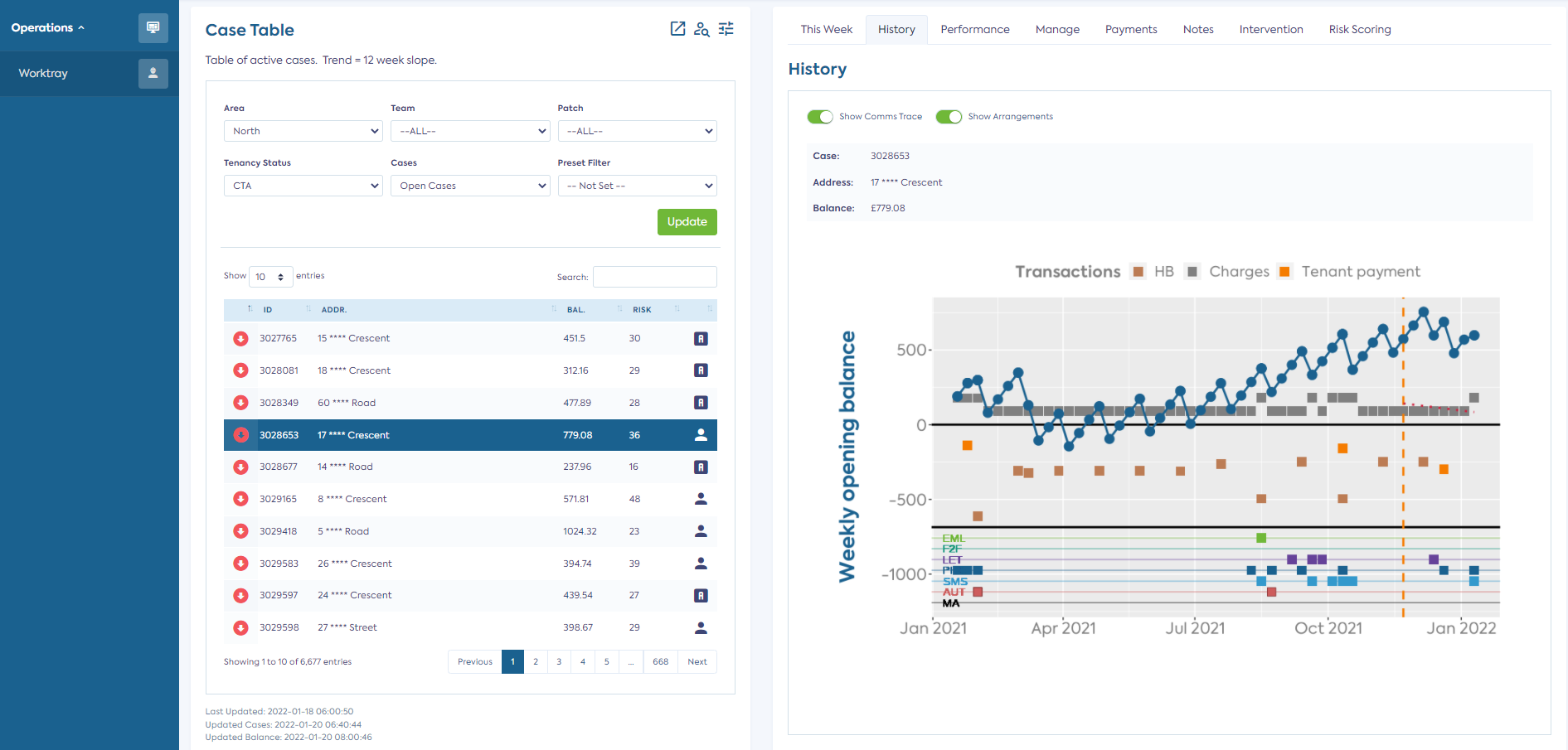



















Recent Comments