|
|
Electric vehicle (EV) infrastructure provider, SWARCO Smart Charging, and Connected Energy, a leading supplier of second life battery energy storage systems (BESS), have teamed up to help accelerate the roll out of EV charging across the UK and offer a decarbonised solution.
This collaboration aims to overcome two of the biggest barriers to the wider take-up of EVs among organisations wanting to provide EV charging for their own EV fleet or to provide public or private charging: energy capacity, and the costly and lengthy DNO upgrades that this can entail.
By working with Connected Energy, SWARCO Smart Charging will be able to provide a seamless integration of their extensive portfolio of EV charging hardware with Connected Energy’s E-STOR system, which is made entirely from second life electric vehicle batteries to provide onsite energy storage.
 What’s more, E-STOR can be linked to renewable energy technologies such as photovoltaic panels allowing charging points to be powered by renewable energy – with excess power generated from the renewable sources stored until it is needed. The 24, second-life EV batteries used within each E-STOR come from Renault Kangoos. What’s more, E-STOR can be linked to renewable energy technologies such as photovoltaic panels allowing charging points to be powered by renewable energy – with excess power generated from the renewable sources stored until it is needed. The 24, second-life EV batteries used within each E-STOR come from Renault Kangoos.
Bringing battery storage and EV charging solutions together is especially important at large fleet depots or public charging hubs, where capacity is an issue. By drawing energy – either from the grid or from renewables – and storing it, energy is available to meet spikes in demand during busy charging periods, ensuring that drivers get the amount of power they expect when they plug in. For locations where a site simply does not have the power required to meet demand, active charger management can be provided to avoid peak load spikes.
Matthew Lumsden, CEO, Connected Energy says this collaboration between leading technology providers will bring ultimate flexibility and control to organisations that are committed to making a difference: “This is a natural collaboration between two like-minded companies that are both on a mission to support vehicle electrification and help to decarbonise charging for organisations and drivers.
“Our energy storage solutions, using second life EV batteries, seamlessly works together with renewable technologies and EV charging technologies to give charge point owners ultimate flexibility over the energy required to deliver EV charging,” Matthew explains.
This collaboration could not come at a better time says SWARCO Smart Charging’s Managing Director Justin Meyer: “Since we helped pioneer the installation of charging points in the UK more than a decade ago, as the size and scale of projects increases, we have seen EV charging projects hampered by the lack of electricity capacity. It is a constant issue, and one that until now has been difficult to overcome, resulting in EV charging roll out being scaled back, relocated away from preferred sites, or delayed.
“In many cases energy storage – integrated with renewable technology – is an excellent solution. And this is especially true when we are working with charge point owners who want decarbonised charging – a request that we have been seeing much more frequently already but the ongoing energy crisis is likely to make it an essential part of many more new EV charging projects,” he adds. “We are proud of the EV charging projects we’ve already delivered that use Connected Energy’s solutions and very much look forward to more successful projects in the future, including our extended range of high powered DC chargers.”
The two companies first started working together in 2017 when Connected Energy’s E-STOR system was installed alongside SWARCO’s charging technology at the UK’s very first charging hub in Dundee’s city centre. The battery system was installed alongside 22kW and 50kW rapid chargers linked to a PV array on the hub’s canopy to harness the power of the sun. The system monitors grid load to ensure power demand is always met and if charging from vehicles gets close to exceeding the power available from the grid, the E-STOR bridges the gap.
At present Connected Energy’s E-STOR unit delivers energy at a rate of up to 300kW and can, for example, simultaneously charge 20 cars for two hours at a rate of 7kW, or it can power two 50kW rapid chargers for almost four hours.
 Goupil G4 Cage Tipper A new Goupil G4 cage tipper from electric vehicle specialist Bradshaw has helped improve the working lives of Dunstable Town Council’s rangers.
The vehicle was acquired through Grounds Operations Manager Dmitriz Sopiaz who had been aware of its benefits through a previous role.
“I’d had experience of the G4, albeit it not with the tipper, and I knew it was reliable and did a good job.”
Available as pick-ups, vans and waste collectors, the Goupil G4 is designed to provide total versatility. With an operational range of up to 68 miles and a maximum speed of 31mph the G4 is purposefully designed with a variety of body types and features a safe and secure cabin with both left and right hand drive options.
Dimitrisz said his rangers find the vehicle ideal for transporting their tools, picking up litter and towing their pressure washer. Also its cage and tipper makes for ideal transportation and disposal of green waste.
He said: “Before I ordered the vehicle it had gone out to tender as required by our council’s procurement policy. I had liaised with the town ranger service to see if there was potentially any other model that might serve them better.
“We looked at the catalogue and the G4 was ideal. It suited all our requirements without us having to make modifications and it gave us the best value for money.”
Dimitrisz said with much of the rangers’ service being carried out in the town centre, it was imperative the new vehicle suited the council’s green policy.
He said: “This vehicle is quiet, it’s narrow which is ideal for when we are working on pathways, there are zero emissions which of course is hugely important in pedestrianised areas. It just ticked all our boxes.
“Further, the town rangers service is very well regarded and this vehicle was ideal as it’s compact, it looks the part and we have branded it with our logo which is great as the rangers are very often stopped by members of the public and being such a familiar sight in the heart of Dunstable, the branding helps make them more approachable.
“So far, so good, I’d have to say!”
 Baroness Blake and Tom Stannard Judith Blake, the Baroness Blake of Leeds CBE, has been appointed as the new Patron of the Institute for Economic Development (IED). She takes up the unpaid role from outgoing Patron, The Rt Hon Greg Clark MP, who was in post for two years.
A British Labour politician serving as a life peer in the House of Lords since 2021, Baroness Blake sits on the opposition front bench as a Shadow Spokesperson for Business and Energy. She was previously Leader of Leeds City Council from 2015 to 2021, becoming the first woman to hold the position, having been Deputy Leader for five years. An elected member of the Council since 1996, Baroness Blake also formerly served as an Otley town councillor.
Judith was awarded a CBE in the 2017 Queen’s Birthday Honours, and, in December 2020, it was announced that she would be conferred a Life Peerage after a nomination by Labour Party Leader Sir Keir Starmer. Currently Baroness Blake is part of the Liverpool Strategic Futures Advisory Panel, established last summer by The Rt Hon Greg Clark MP in his capacity as Levelling Up Secretary, alongside Liverpool City Region Metro Mayor Steve Rotheram (Chair) and Sir Howard Bernstein, former Chief Executive of Manchester City Council from 1999 to 2017, and another past Chair of the IED.
“I was delighted to be approached by the Institute of Economic Development to become its new Patron, and to formally accept the opportunity,” said Baroness Blake. “This is an important time for economic development and regeneration, and for the Institute and its members as the organisation embarks on its 40th anniversary year, and I am looking forward to supporting Chair Tom Stannard, Executive Director Nigel Wilcock, and other Board members in its mission and strategic priorities. In particular, I have a keen interest in keeping in touch with practice in economic development.”
IED Chair Tom Stannard added: “We are proud and privileged to welcome Baroness Blake as our new Patron. The Patron of the IED is an important national role, filled by someone who, due to his/her public achievement, exemplification of outstanding leadership and stature in society, can help the IED achieve its mission by enhancing the Institute’s credibility. My Board colleagues and I felt that Baroness Blake fits that profile perfectly, and we look forward to working with her over the coming years. I would also like to thank The Rt Hon Greg Clark MP for his service over the past two years, and we are grateful for his continued support in investing time in our 40th anniversary activities.”
 Mark Inskip – CEO, Matrix Workforce technology and services platform Matrix has officially become carbon neutral, having offset its carbon footprint by investing in a program that also addresses poverty by creating jobs, aligning with its goal of connecting people to work.
The update came as part of Matrix’s Annual ESG Report, which outlines key activities that took place in 2022 across all of its environmental, social & governance (ESG) workstreams.
In addition to offsetting the company’s carbon footprint, driven by an investment in Weyerhaeuser Uruguay, Forest Plantations on degraded Grasslands Under Extensive Grazing, Matrix has reaffirmed its commitment to a carbon reduction plan to reach net zero by 2040 – which includes a move to consolidate its data centre and migrate to Microsoft Azure, who are more aligned to environmental aspects of cloud computing.
Green initiatives have also been included in Matrix’s Social Value work. Throughout 2022, the firm has also adopted improved inclusive hiring processes that value people and diversity, progressing from level 1 to level 2 on the disability confidence scheme, and signing the Armed Forces Covenant to ensure fair treatment of those who have served.
“Matrix is committed to implementing sustainable and responsible business practices that align with our ESG principles alongside our purpose of connecting people to work,” says Mark Inskip, CEO, Matrix. “We recognise the importance of protecting the environment and promoting social and economic development within both our local and national communities. By aligning our ESG aspirations to our business purpose, we can not only improve our bottom line, but also contribute to building a more sustainable future for all.”
In line with its mission to do business responsibly, Matrix has also signed up to the Slave Free Alliance and the Real Living Wage Foundation to ensure all staff receive a wage that meets every day needs, continuously reviewing and improving all processes and policies.
Looking ahead to what’s to come in 2023, Matrix will continue to invest social programmes that value its people and diversity, including supporting individual growth, continue to work towards its goal of net zero by 2040 by consolidating its data centre, and work to improve the community through a charity partnership with Refugee Action.
“We are delighted with the progress we have made on our ESG aspirations and we want to push this even further in 2023,” said Inskip. “Our next step to ensure we are a responsible business is to make sure this is reflected across the supply chain we engage with, supporting our suppliers by offerings guidance and training on key themes including diversity, equity and inclusion.”
- Ashford and St Peter’s Hospitals NHS Foundation Trust is the first in the UK to install solar e-bike charging stations at its two hospital sites.
- Solarcycle is the first company to offer an off-grid, solar ‘in a box’ EV charging solution designed to provide green, renewable energy for the charging of e-bikes and e-scooters.
- Ashford and St Peter’s already have the highest number of EV charge points of all NHS Trusts in the UK.
- With it being solar, there is no need for a mains connection, no ongoing energy costs, and all staff can benefit from free-to-use recharging of their e-bikes.
- If used to replace car travel, e-bikes have the potential to cut car CO2 emissions in England by up to 50% – about 30 million tonnes per year.
Ashford and St Peter’s Hospitals NHS Foundation Trust (ASPH) (www.ashfordstpeters.nhs.uk) is the first in the UK to install Solarcycle’s (www.solarcycle.uk) off-grid solar e-bike charging stations at its two hospital sites. Solarcycle is the first company in the UK to offer an off-grid, solar ‘in a box’ EV charging solution designed to provide green, renewable energy for the charging of e-bikes and e-scooters. Ashford and St Peter’s installed the charging stations to support staff wellbeing, to reduce pressure on car parking, and to contribute to the Trust’s sustainability and NHS Net Zero efforts.
Solarcycle UK develops and installs scalable, low-cost e-bike and e-scooter solar charging stations to help organisations achieve their sustainability, transport, and employee well-being goals. For Ashford and St Peter’s, the important factors in installing Solarcycle’s charge points are the low-cost, quick impact and minimum disruption the solution offers. There is no disruptive trenchwork required, which can save up to 60% of the cost of installing an EV charger. Plus, it being solar, there is no need for a mains connection, no ongoing energy costs, and all staff can benefit from free-to-use recharging of their e-bikes.
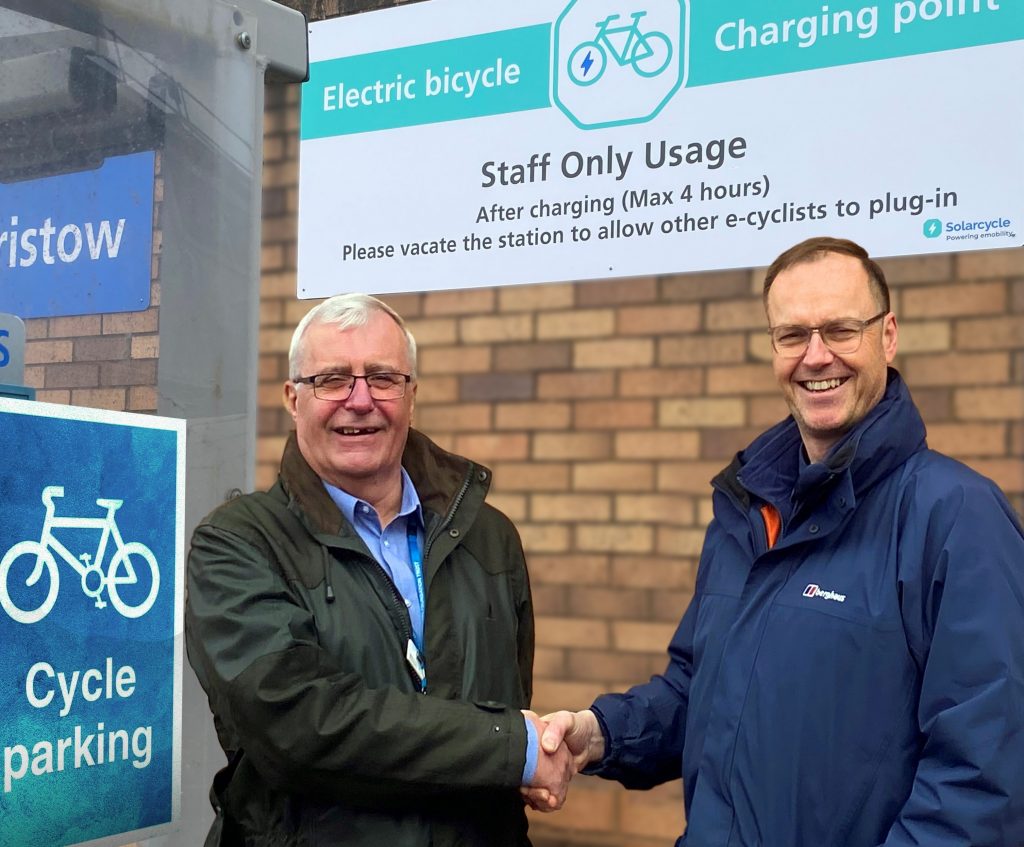 Andy Hyatt – Facilities Support Services Manager at ASPH & Paul Stratford, Founder of Solarcycle UK Andy Hyatt, Facilities Support Services Manager at ASPH said “We are the only Trust in the country with solar powered e-bike points. We have installed many e-car chargers at our sites so it’s great to now have some cycle ones.”
“Getting about by e-bike is a great way to get out of the car and avoid the traffic and parking charges.” Tom Smerdon, Director of Strategy and Sustainability at ASPH said, “It’s very exciting to see the e-bike charging points being installed here at the Trust, helping us reduce our carbon impact, improve our wellbeing and support local enterprise and innovation.”
“I am thrilled for the first installations of Solarcycle’s e-bike charging stations to be at ASPH Trust’s two hospital sites, thanks to Andy Hyatt’s and Tom Smerdon’s foresight.” said Paul Stratford, Founder of Solarcycle UK. “The Trust is a pioneer and shining example in EV-charging, so Solarcycle is a natural addition to this effort with our seamless solution that brings immediate benefits with future scalability. The credibility of being an NHS approved supplier means other NHS Trusts and organisations can follow suit in the knowledge that our solar-powered e-bike charging stations will positively contribute to their sustainability priorities, their staff well-being, and supporting people in navigating the cost-of living crisis by encouraging them to switch from commuting by car to an e-bike.”
 Ashford Solarcycle’s e-bike charging stations were installed in line with Ashford and St Peter’s staff wellbeing initiatives and sustainability priorities to reduce carbon emissions. The Trust have two ‘Cycle to Work’ schemes that offer staff the benefits of tax-free bikes and accessories for their commute to work, including road, mountain, hybrid, and electric bikes. Ashford and St Peter’s already have the highest number of EV charge points of all NHS Trusts in the UK and they are now the first in the country to have an e-bike charger, powered from renewable solar energy.
Solarcycle’s chargers are accessible to all e-bike users, featuring UK standard universal 3-pin sockets. The system captures sunlight via flexible PV panels and converts this renewable energy into electrical current for e-bike and e-scooter charging via lockable IP-66 rated sockets on the SolarPoint pillars. Each pillar is configured to charge up to two bikes simultaneously, enabling the average e-bike and e-scooter to commute 20 miles a day for most of the year. Solarcycle is designed to help power the switch to clean electric transport with the easiest, quick impact and cost-effective off-grid solar charging points for e-bikes and e-scooters.
The demand for e-bikes has soared during lockdown, and a recent study by CREDS researchers at the University of Leeds found if used to replace car travel, e-bikes have the potential to cut car carbon dioxide (CO2) emissions in England by up to 50% – about 30 million tonnes per year. The cost-of-living crisis is also encouraging more people to give up their cars and switch to electric bikes. Solarcycle is designed to meet this growing demand and to help power the switch to clean electric transport with the easiest, quick impact and cost-effective off-grid solar charging points for e-bikes and e-scooters. (www.solarcycle.uk)
CHANNEL 3 CONSULTING has recruited Leo Jones, a former deputy director of children’s services, as a partner to support the company’s continued growth and further strengthen its position in the social care sector.
A qualified social worker and children’s services manager with over 20 years’ experience across consulting and the public sector, Jones will also be Channel 3’s head of delivery.
Immediately before joining Channel 3 Consulting, he was a director at management consultancy IMPOWER. While there, he led a range of complex and innovative whole-system transformation programmes across health and care, with a particular focus in the special educational needs (SEND) and learning disabilities sphere.
His work in this space focused on driving earlier support for children with SEND, through the use of innovative digital assessment tools, and placed a greater focus on improving longer-term outcomes and supporting independence into adulthood.
 Leo Jones – Channel 3 Consulting As a result of his work he was named the 2021 ‘Thought Leader Consultant of the Year’ at the Management Consultancies Association Awards and was asked to present to the director general of the Department for Education and her team.
A passionate advocate of technology’s ability to deliver insights that can help change behaviours, Jones is known for his focus on evidencing the tangible human impact of digitalisation.
Commenting on his appointment, Jones said:
“Channel 3’s reputation for helping organisations harness the power of technology to transform services for the benefit of citizens and patients continues to grow.
“I am thrilled to join a team that is so clearly passionate about what it does.
“With the health and care sectors at breaking point, the need for digital intervention is greater than ever before. Technology can of course drive efficiencies but perhaps more crucially, it can dramatically improve the day-to-day lives of those who deliver and receive vital services.”
John Howard, CEO of Channel 3 Consulting, added:
“Leo has led some of the UK’s most forward-looking work on improving social care and healthcare services. He shares Channel 3’s purpose of harnessing the potential of technology to improve lives and deliver better care, and is committed to helping our clients achieve tangible results for the people they serve.
“His personal experience as a social worker gives him invaluable insight into what service users need, the role technology can play in making services better and how to work effectively with frontline staff to make change happen in a positive way.
“Having Leo in our team will give Channel 3 even more opportunities to help clients overcome the pressures that increasing demand, workforce shortages and tight budgets continue placing on the health and care sector.”
In the past 12 months, Channel 3 Consulting has been awarded several digital transformation contracts in the UK and overseas.
Recent clients have included Reading Council, NHS England, Central and North West London NHS Foundation Trust, University Hospitals Coventry and Warwickshire, the Ministry of Defence, Greater Manchester ICS and Bermuda Hospitals Board.
These notable client relationships have helped deliver over 40% growth at the company since it underwent a management buyout in 2021.
 Chubb’s senior leaders (from left to right) David Dunnagan, Gary Moffatt, and Terry Sallas Chubb, one of the UK’s leading fire safety and security solutions provider, has strengthened its senior leadership team with a number of significant appointments.
Following the recent senior executive hires and promotions for Chubb Group globally, the UK and Ireland team welcomes three new leaders. David Dunnagan was promoted to Managing Director of Chubb UK&I, following Brendan McNulty’s promotion to the newly created role of Vice President – Europe last summer. David has enjoyed a successful career with Chubb, starting as an apprentice in 1993. He now drives the company’s ambition of becoming the employer of choice and the number one fire and security business in the UK and Ireland.
Gary Moffatt has been promoted to Director for Fire and Security UK. Continuing his long and successful career with Chubb, Gary’s appointment is his latest milestone achievement, having secured several promotions since joining the organisation in 2001 as a university graduate.
A new addition to the Chubb senior leadership team is Terry Sallas. Terry joins as Managing Director of Major Projects and has a proven track record of helping organisations create a vision, discover new markets, and grow. He will lead projects incorporating specialist solutions through its technology-leading businesses, Chubb Systems, Frontline Security Solutions, Fire Systems, and the software brands, Sisys and Mentor.
David Dunnagan told GPSJ about the new appointments: “I am delighted that we have significantly strengthened our senior leadership team. Gary and Terry bring an incredible amount of knowledge and experience to our team, and together with the wider team, we will lead Chubb into its next ambitious growth phase.
“We’re guiding our customers through the digital switchover and harnessing the power of new technology, so our fire and security solutions are even better connected and help customers lower their impact on their operations. By getting the basics right, we can be even more responsive and tailor our offering to provide a personal service to our customers. From there, we can evolve and be the number one provider for fire protection, life safety, and security.”
The Chubb senior leadership team is made up of great leaders who each has decades of industry experience. From the core pillars of the business through to business functions such as Digital Technology, Communications & Marketing and Employee Experience & Development, these individuals are the driving force behind the organisation’s success.
 Mark Venables (left) and Dr Alastair Kirby Dr Alastair Kirby, Industry and Technology Navigator at Kent Surrey Sussex Academic Health Science Network (KSS AHSN) reflects on why effective marketing is crucial to the success of new products and how innovators can kick start their marketing activities.
Why am I not being noticed?
You’ve got an innovative and excellent product, so why aren’t NHS influencers and decision makers talking about it? Simple answer may be that they don’t know about you, your product or its value. Effective marketing can help you to change this.
As part of this blog, Mark Venables, CEO and one of the founders of specialist agency Highland Marketing, helps me to explore the challenges health-tech/med-tech start-ups and new product teams face.
Marketing is about translation
Mark helpfully summarises marketing as “being able to explain your product quickly to help understand its relevance and how it meets needs.”
I see marketing as translation. A lot of start-ups and new product teams focus on product development, but they don’t think enough about what the impact of their product is for potential users.
Med-tech and health-tech innovators are often clinicians or technologists with passion and a brilliant idea rather than entrepreneurs. Their skills are in technical areas, not necessarily in explaining benefits to influencers and potential purchasers. However, they need to translate their product features into benefits, then get the message out to their customers.
The challenge is converting ideas into value. You can convert ideas into value by investing in a thought-through marketing, public relations, and sales strategy. In the early stages of an idea, this investment could be time but, as your product scales up, your strategy will need allocated funding.
Articulate your value
Mark shares an anecdote about a start-up sharing an investment deck with him. He showed it to some contacts, but no one saw much value in it. However, when one of those contacts met the start-up managing director and got talking about the product,
what he heard bore no resemblance to the deck, but was of very real interest.
So, a business idea well worth consideration, but the document intended to drive investment just didn’t translate its value. Bottom line, you can’t expect a potential investor or customer to work out what’s good about your innovation, it’s up to you to identify and articulate the value proposition of your product.
Cut through with a clear message
You can articulate your value by cutting above the noise, with a message that’s crisp, clear, relevant, and segmented on your customers. Case studies and stories are a great way of showing impact on clinicians’ lives and on patients’ outcomes.
There’s a real benefit in bringing in a specialist too, an organisation or a consultant that understands communication, knows how to workshop your messages and stories, and understands the health and care context. As Mark, says you’re dealing with a sophisticated audience who want to get to the facts quickly and to know they can trust your knowledge and understanding.
Invest for success
Innovators often ask the KSS AHSN Industry team where they should invest time and money on promotion and relationship building. Mapping this journey is different for each innovator, but there is a common theme – clearly articulating your value to the NHS is vital for success.
Some innovators view marketing costs and time as something to be minimised, given they take resources away from R&D and headcount budgets. Innovators need marketing as much as they need product development or senior team members. It’s fundamental to getting your message and impact across to an expert audience.
Mark’s view is that 20-30% of revenue to get you established, then diminishing over time. It’s a difficult call though, especially at the early stage when there’s no meaningful revenue. However, if marketing spend isn’t regularly on your list of major budget items, or on your investment deck, you’re probably not spending enough.
Marketing as a forethought
Marketing as an afterthought is a major problem. This is when an innovator waits until they have understood a need, worked on the technology and developed a product before thinking about how to talk to people about the product.
My advice is to include marketing from the get-go. Marketing is as much about listening to your customers as is it talking to them. Seek feedback, thoughts, and advice on your idea at an early stage.
This doesn’t have to mean a five-figure budget. You also need some headspace to focus on commercial matters. Ideally, you’ll have a senior development team colleague reflecting customer needs, crafting the value proposition, and setting the strategy and plan.
Work with a partner
Mark’s biggest piece of advice for start-ups and scale-ups is “don’t underestimate the importance of working with a partner that has an understanding of the market space.”
I entirely agree. Whether you’re focused on a new product, or running a lean start-up, chances are you’ll benefit from both an external perspective and expert input. Both of our organisations – KSS AHSN and Highland Marketing – are in that business. We can help you get started with clearly articulating your value.
Get in touch with our team at KSS AHSN to find out how we can help. Highland Marketing are available to advise via the following link.
Environmental charity Hubbub and McDonald’s have launched a new #InTheLoop grant fund to help local authorities and other interested organisations boost out-of-home recycling in public spaces.
The #InTheLoop fund will support two new projects to introduce or improve their recycling infrastructure using the #InTheLoop toolkit. This in-depth guide on how to roll out a successful recycling on-the-go campaign aims to help increase recycling rates and reduce the amount of waste sent to landfill or incineration.
The new funding has been provided by McDonald’s and will grant the two successful applicants £8,000 each to invest in, and boost, anti-litter and recycling facilities. As well as the funding, Hubbub will provide ongoing support based on the charity’s expertise and experience in delivering recycling campaigns. This includes support with project management and design to help bring their projects to reality and to support their delivery. 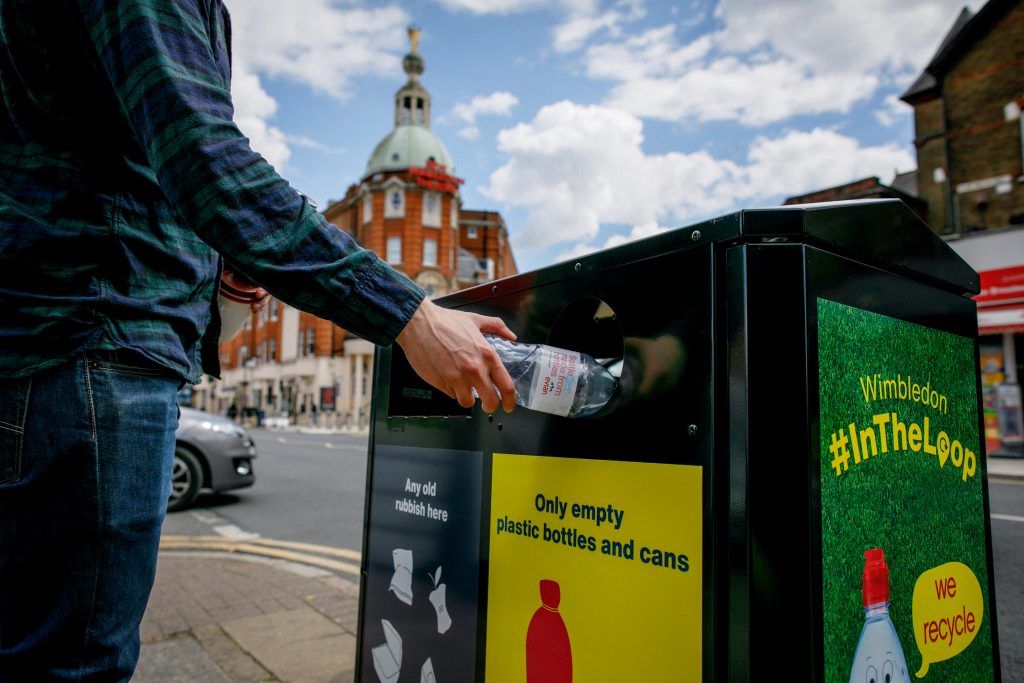
Organisations such as local authorities, business improvement districts, shopping centres, major property owners and transport hubs are invited to apply. The application deadline is 17 March 2023.
First trialled in Leeds in 2018, with support from McDonald’s and other businesses, #InTheLoop is the UK’s biggest collaborative approach to boost recycling on-the-go. Subsequently, Swansea, Edinburgh, Dublin, Wimbledon, Telford & Wrekin and Lambeth have all run similar pilots, installing and testing a range of bright, colourful and eye-catching bins to make it as easy as possible for people to recycle empty glass, plastic bottles, cans, and in some cases coffee cups, and therefore improve recycling rates. Across all these #IntheLoop pilot projects, over 500 bins have been rolled out and over 2.5 million plastic and glass bottles and cans were collected and recycled.
The #InTheLoop toolkit, which was funded by environmental compliance scheme Ecosurety, brings together key learnings and insights gathered from these trials and aims to act as a blueprint for the winning projects.
Gavin Ellis, co-founder of Hubbub, said: “Recycling on the go continues to be a significant challenge, with less than half of local authorities currently having on-street recycling systems. Previous #InTheLoop trials have helped us define an effective approach to out of home recycling, so we’re delighted that additional funding from McDonald’s will enable two more organisations to trial #InTheLoop interventions in their area to help address littering, boost recycling rates and reduce waste sent to landfill or incineration.”
Helen McFarlane, McDonald’s Senior Sustainability Consultant said: “We’re delighted to be funding this piece of work. McDonald’s has been working with Hubbub on their innovative #InTheLoop campaigns for over five years now, and we’re excited that this project builds on all the success we’ve had over the years. We hope that by providing funding to roll out #InTheLoop we can have a lasting impact in the communities we serve.”
For more information on the grant funding and to access the In The Loop toolkit, including downloadable assets, visit www.intheloop.org.uk or contact intheloop@hubbub.org.uk
 New research from environmental charity Keep Britain Tidy reveals a major barrier to driving urgently needed waste reduction and reuse behaviours is a fundamental misunderstanding amongst the public of what waste prevention actually means. New research from environmental charity Keep Britain Tidy reveals a major barrier to driving urgently needed waste reduction and reuse behaviours is a fundamental misunderstanding amongst the public of what waste prevention actually means.
Under the waste hierarchy (more commonly communicated to people as ‘reduce, reuse, recycle’), recycling is important, but reduce and reuse sit above this and are crucial when looking to lessen the environmental impact of what we purchase, use and dispose of. However, people feel they are “doing their bit” for the environment by recycling; while this should not be discouraged, the charity is calling on policy-makers and practitioners to work together to educate and motivate people to move beyond recycling and make choices that reduce the environmental impact of what they purchase in the first place.
In the absence of meaningful progress at government level on waste prevention or steps to bring down resource use, the charity has launched a new report for waste management and sustainable consumption policy-makers and behaviour change practitioners to ignite debate on waste prevention barriers and prompt urgent action.
Bringing together quantitative surveys, focus groups and an ethnographic study the report reveals key insights about the public’s waste prevention knowledge gaps and their attitudes to waste, including:
- Lack of understanding about the waste hierarchy
The prioritisation of recycling over waste prevention in policy has led to a fundamental lack of understanding of the waste hierarchy among most of the public. This is a significant waste prevention barrier that needs to be addressed as a priority especially as when the waste hierarchy is properly explained, the public easily understand the concept. In Keep Britain Tidy’s national survey, when presented with a visual representation and explanation of the waste hierarchy, 55% agreed that they now have a better understanding of how waste should be dealt with to minimise its environmental impact.
- People associate waste more with what they throw away than what they buy
A far greater proportion of people associate negative environmental impact with putting things in the bin (not recycling) compared to buying the things they want and need (83% compared to 49% respectively). Keep Britain Tidy recommends a shift in narrative to focus more on what we buy rather than what we throw away.
- Lack of knowledge between waste prevention and the climate emergency

Stronger links need to be made between the climate emergency and how waste prevention behaviours make a difference. The survey showed 68% of people think that recycling is the best thing they can do to reduce the environmental impact of the things they buy and a third (33%) said they didn’t realise there are much better ways to reduce the impact of their waste than recycling. Eight in ten people say, as a country, we buy too much stuff (79%) but only a quarter (25%) say they personally buy too much stuff. This demonstrates that the concerns people may have about consumption aren’t related to their own personal behaviour.
- More dialogue is needed about waste prevention
The research showed a lack of understanding of what waste prevention actually means, particularly the practical things people can do to prevent waste. People see waste as something to be ‘managed’ rather than prevented – ‘wasting better’ rather than ‘wasting less’. There is a clear need for more dialogue and celebration around people’s waste prevention behaviours and good practice. Using the insights from the report, Keep Britain Tidy launched Buy Nothing New Month at the start of January, a new behaviour change intervention to help people move up the waste hierarchy. Throughout the month, Keep Britain Tidy shared tips and tricks on how people could buy nothing new and make the most of what they already had. The campaign called on people to rethink what they wanted versus what they needed, reconsider if they could repair versus replace and think about whether they cold rent, borrow or buy second-hand rather than buy new. (See box out for more information).
- We need the right infrastructure in place to make it as easy as possible for the public to reduce and reuse
The research revealed that only four out of ten people (41%) feel they have access to products and services that can help them reduce waste. More investment, signposting and promotion of local initiatives from repair cafes to rental schemes is crucial to help drive change.
Allison Ogden-Newton OBE, Chief Executive of Keep Britain Tidy said: “We urgently need to see a widespread adoption of waste prevention behaviours to help bring natural resource use and carbon emissions down to environmentally sustainable levels. Moving people up the waste hierarchy, from recycling to waste prevention, is a huge challenge when our current systems are geared towards increased consumption of resources.
“While government waste prevention policies are continuously delayed, the onus is on practitioners to drive behaviour change. This includes NGOs working on all aspects of ‘reduce, reuse, recycle’ and sustainable consumption and also local authorities as people’s most prominent source of information about recycling. Collectively, we have to attempt to counteract the marketing messages that people are bombarded with, continually pushing them to buy more stuff.
“Learnings from our first Buy Nothing New Month campaign will help develop the evidence base around how to help people move up the waste hierarchy to buying less stuff and maximising the life of stuff that already exists. This is just the beginning and we invite other organisations to collaborate with us, debate and share evidence to take this agenda forward.”
The report, the research that underpins it and the Buy Nothing New Month campaign have been made possible thanks to an award from Postcode Earth Trust, a grant-giving Trust funded entirely by players of People’s Postcode Lottery.
 A New Behaviour Change Intervention – Buy Nothing New Month A New Behaviour Change Intervention – Buy Nothing New Month
Keep Britain Tidy’s research ultimately aimed to generate insights to inform a new behaviour change intervention to help people prevent waste and therefore consume more sustainably. As a result, in January 2023, the charity launched Buy Nothing New Month, a new behaviour change intervention and digital campaign that embraced buying nothing new for the whole of January, “to save your pennies and protect your planet”.
Throughout the month, Keep Britain Tidy shared tips and tricks on how people could buy nothing new and make the most of what they already had. The campaign called on people to rethink what they wanted versus what they needed, reconsider if they could repair versus replace and think about whether they cold rent, borrow or buy second-hand rather than buy new. (See box out for more information).
The campaign pillars:
- People were encouraged to buy nothing new to save money while protecting the environment. The charity also drew on the motivation to save space and reduce clutter.
- The charity emphasised the environmental harm caused by buying new stuff, in terms of the finite natural resources used and the carbon emissions created while also referencing the further environmental damage caused by our throwaway culture.
- Keep Britain Tidy celebrated the pride that can go along with buying nothing new and encouraged a culture of talking about this.
Ahead of the campaign, Keep Britain Tidy’s research found that 67% of people agreed that they were confident that they could buy less stuff and a further 49% agreed they would like information/support to help them reduce the environmental impact of the things they buy.
Buy Nothing New Month was ultimately designed to provide support and the social opportunity for people to move up the waste hierarchy, from recycling to waste prevention (reframed as ‘buying nothing new’) and reduce their environmental impact in a way that works for them.
The campaign is currently being evaluated and results will be published later in 2023.
Sodexo has been awarded a three-year contract with The Insolvency Service to provide strategic programme and advisory services to support the organisation’s ‘Transforming Workplaces Project’.
Partnering with Rider Levett Bucknall (RLB), global construction and property consultancy, Sodexo’s Property Professional Services business and RLB will support The Insolvency Service to rationalise and transform its existing estate and help deliver the five-year programme of major and minor fitouts, building closures and disposals.
Together they will deliver a range of services including:
- strategic and advisory services
- commercial and procurement advice and support (provided by RLB)
- project management (provided by RLB)
- space and design expertise
- support and advice on move management
- principal designer services (provided by RLB)
- assurance for projects and delivery
 Dan Weiss Dan Weiss, managing director of Sodexo’s Property Professional Services said: “We are delighted to be appointed as a strategic partner to The Insolvency Service to help rationalise and transform their estate. We look forward to working together with The Insolvency Service and RLB to bring to life their vision which is aligned to the Government Property Strategy for a smaller, better and greener estate.”
Sodexo’s services have been procured via the Crown Commercial Service Estate Management Framework (RM 6168) where Sodexo is a supplier on three lots:
Lot 1 – Total Estate Management
- Estate asset and property management
- Agency and lease management
Lot 4 – Surveying and Strategic Advice
- Technology based surveys, studies and strategy
- Procurement managed services
Lot 7 – Integrator
- Systems and helpdesk
- Performance and supplier management
The framework has recently been extended by a year expiring in July 2025.
 Sascha Giese Sascha Giese, SolarWinds Head Geek™
The recent spike in energy prices has once again drawn attention to the costs associated with powering IT infrastructure, and high-density technologies such as data centres aren’t the only things under the spotlight.
The energy consumption of technology across departments and agencies within the government—including PCs, laptops, and peripheral devices such as printers—is under the microscope as civil servants look to manage budgets and keep a lid on costs.
Though recent sharp increases in energy costs have focused the mind, the public sector is no stranger to taking action to make its technology estate more sustainable.
It’s a point etched in the Greening Government ICT Annual Report 2021 to 2022 published recently by the Department for Environment, Food, and Rural Affairs (Defra). Although Defra is better known for its work with farmers on matters such as rural affairs and food production, its increasingly important focus on environmental matters means it’s now the lead government department for sustainable information and communications technology (ICT) within the U.K. government.
Seeking energy efficiency across the government’s entire IT estate
As part of this ever-growing task, one of Defra’s roles is to ensure government ICT services are “designed, delivered, and operated with sustainable principles at their core.” This includes Defra’s Digital, Data, and Technology Services (DDTS) team, which is tasked with looking at the environmental impact of IT across the government to ensure sustainability is an integral part of the delivery of the government’s digital services.
This includes the procurement of technology and services to ensure they’re as energy efficient as possible—both within the government’s own IT estate and the companies providing services with systems held elsewhere.
“The ICT estate on government property has become more energy efficient as departments have moved into service provisions driven by Cloud First and Digital Policies,” says Defra’s report. “Therefore, the energy impact of government ICT has moved from not just government estates but to those of our service providers.”
Defra’s report points out in 2021, network equipment consumed the most energy (with
32.23% of the total energy) followed by peripherals (19.21%) and servers (15.93%). Other areas such as assets, imaging equipment, and audio equipment made up the rest.
Digital services and the path to net zero
As a result, this latest Defra report can provide a “more accurate ICT energy consumption figure,” with all hosting suppliers formally tasked to provide energy data relating to the services government is consuming.
As Chris Howes, Defra’s chief digital information officer (CDIO) points out, “Technology and tech teams have a massive role to play in supporting the sustainability objectives of the organisations they support. We’ve been publishing information on emissions from government technology for over 10 years now. And we’ve seen steady reductions in emissions through things like the move to the cloud, enabling us to leverage hyperscale-level data centres and cutting-edge technology.”
Such data gathering is important because the first step in reducing energy consumption is understanding exactly how much is being used and where.
Indeed, “progress towards net zero ICT and digital services” and “increased availability of data about footprint, cloud hosting, and green energy mix” are listed as some of Defra’s performance highlights for the year.
Having access to this level of detail underlines just how important energy consumption is in terms of the planning and buying process for IT teams, helping to shape discussions and focus spending to deliver the biggest payback in terms of energy efficiency.
Energy savings by migrating away from legacy systems to the cloud
It also helps that the major providers of ICT have their own detailed environmental, social, and governance (ESG) analysis to help the public sector make better-informed decisions.
Take SolarWinds, for example. We embed the principles of advancing a circular economy into our practices through green investments and the long-term implementation of new technologies. Reducing energy usage across our business is a key part of improving the operational and environmental performance of our properties. This includes using high-efficiency electrical equipment, including LED and motion detector lighting, alternative energy sources, and efficient heating/cooling units—all of which reduce our energy footprint.
One of the biggest ways the government can reduce costs is by continuing to move away from energy-intensive legacy systems to more efficient modern cloud-based solutions. Depending on which report you favour, the shift from legacy systems to cloud computing has the potential to reduce energy consumption by anywhere from 65% to 93%.
Rationalising the technology estate also means departments can remove redundant kits or duplicate systems. By optimising the tech available, public sector CIOs can eradicate unnecessary spending and associated running costs.
Though the recent spikes in energy prices are a cause for concern, the long-term benefits of greener and more efficient technology—such as reduced costs and stable infrastructure—remain the ultimate goal.
 Barley Laing By Barley Laing, the UK Managing Director at Melissa
Evolving technology is driving efficiencies in processes and reducing costs across most sectors. The significant impact of this trend is quite apparent in the public sector, where budgets have fallen dramatically, or are being scrutinised. Whatever the reason – continued government borrowing, increased spend during Covid, the cost of living crisis – public entities cannot afford waste and must double down on delivering efficiencies across the board.
Fortunately, forward-thinking public servants are staying abreast of and embracing the right technology to help them deliver more with less.
When it comes to data quality new technology is set to play a critical role in ensuring public bodies can efficiently and cost-effectively obtain accurate data on their users. The resulting benefits include reducing wastage and therefore the cost of communications, improving the user experience and reducing the opportunity for fraud. Stopping fraud will become increasingly important because the cost of living crisis, combined with the growth in digitalisation of services and remote working, will likely spur an increase in fraudulent activity.
Data decays quickly
With 91 per cent of organisations having common data quality problems poor data is obviously a big issue, which is perhaps not surprising when user contact data degrades at around 25 per cent a year without regular intervention. Also, from a data input perspective, 20 per cent of addresses entered online contain errors, such as spelling mistakes, wrong house numbers, or incorrect postcodes, primarily caused by people mistyping their details into small keyboards on their mobile devices.
This can lead to poorly targeted communications, and even leave some unable to access services they are entitled to. This results in precious budgets being wasted, a poor user experience, and even an increase in fraud. Those in the public sector need to leverage technology that will cost-effectively, and in real-time, ensure their databases contain accurate names, addresses, email addresses, and phone numbers.
Autocomplete fends off input errors
One of the most valuable pieces of technology for the public sector is an address autocomplete or lookup service which enables address validation and helps to deliver ID verification. This tool can gather accurate address data in real-time at the onboarding stage by providing a properly formatted, correct address as the user begins to input theirs. It also enables the delivery of a standout service by reducing the number of keystrokes required, by up to 81 per cent, when typing an address. This speeds up the onboarding process and reduces the probability of the user not completing an application to access a service. onboarding stage by providing a properly formatted, correct address as the user begins to input theirs. It also enables the delivery of a standout service by reducing the number of keystrokes required, by up to 81 per cent, when typing an address. This speeds up the onboarding process and reduces the probability of the user not completing an application to access a service.
The first point of contact verification can be extended to email and phone, so that these valuable contact data channels can also be verified in real-time. This ensures the ability to communicate effectively with users, not just on the first occasion, but on an ongoing basis.
Match and dedupe for a single citizen view (SCV)
When it comes to data quality, paying attention to data duplication is equally important. The issue is commonly caused when two departments merge their data and mistakes in contact data collection have occurred at different touchpoints. Duplication adds cost in terms of time and money, particularly with printed communications, the distribution of which can also adversely impact on the sender’s reputation. Recipients will see this excess as a waste of public money, particularly at what has become a challenging time for public sector finances.
To prevent such waste engage an advanced fuzzy matching tool to deduplicate data. By leveraging this type of service, and merging and purging the most challenging records, it’s possible to create a ‘single user record’ and obtain a SCV. A SCV can be used to improve services and targeting, including personalisation of communications, which enhances the user experience. Organising contact data in this way will also ensure efficiency and cost reduction because multiple outreach efforts will not be made to the same person.
Additionally, the potential for fraud is reduced with the establishment of a unified record for each citizen. This highlights again the benefits of having data hygiene practices in place before applying ID verification tools. And since ID checks will pick up basic issues with data, such as an incorrectly formatted address, it’s better value and best practice to ensure you have accurate user contact data in the first place.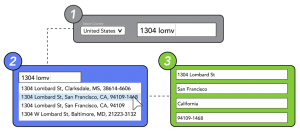
While some organisations might consider matching a once-in-a-while task, a third-party can perform this action more frequently – and economically – on their behalf. A professional services bureau using secure portals, with the necessary data privacy and handling conditions assured, can be a quick and easy way to achieve great results without integrating a service or buying additional software.
Smart data with Artificial Intelligence (AI)
Machine learning technology powers artificial intelligence (AI) to add even greater value to the data you hold. Semantic technology, or semtech, associates words with meanings and recognises the relationships between them readily delivering high value, in-depth intelligence on users of your services. It operates by making powerful real-time connections between records, combining the missing pieces of data to support an informed decision about the content of a communication to a user.
SaaS powers today’s data quality efforts
It’s never been easier or more cost-effective to manage data quality in real-time. Today, Melissa’s Unison licence provides access to a scalable data cleaning software as a service (SaaS) platform that requires no code, integration or training. Simply plug in and benefit, immediately. This technology instantly cleanses and corrects names, addresses, email addresses, and telephone numbers worldwide. It matches records in real-time, ensuring there is no duplication, and delivers data profiling to help identify issues for further action. A single, intuitive interface provides tools for data standardisation, validation, and enrichment resulting in high-quality contact information across multiple databases.
Decaying data quality is a growing issue for the public sector. It fuels unnecessary expenditures, inefficiency, fraud, and a poor user experience. To combat this decay it’s important to select and embrace new technologies that will quickly and cost-effectively solve this issue. Technology such as an address autocomplete service or an easy-to-use data quality interface can readily be licenced, with no integration, coding, or training necessary. This gives those in the public sector the means to leverage their data in ways they could have only imagined.
For more information about Melissa and how our data quality and identity verification services can help you, please visit: www.melissa.com/uk, email: barley.laing@melissa.com or call: 020 7718 0070.
 By Ollie Gray, business development director, Charis Grants Ltd By Ollie Gray, business development director, Charis Grants Ltd
It’s a strange world when you consider those being forced against their will onto prepayment meters because they are struggling to pay their bills, actually end up being charged higher prices as a result – but that is exactly what is happening.
According to the Citizens Advice Bureau, 3.2 million households were forced onto pre-payment meters in 2022 after being cut off from their supply due to an inability to cover their monthly direct debits. That’s 3.2 million who were plunged into darkness, their heating cut off.
Among these, 3.2 million are going to be those who are disabled, vulnerable, and suffering from ill health and loneliness. Also among those 3.2 million are going to be families with young children who have worked hard to pay their bills, only to start falling through the cracks as the cost of living spiralled.
Across the UK, monthly outgoings are soaring over and above normal rates, and household incomes are not keeping up with the rate of increase. Additionally, many of these households are not eligible for extra government support because they are average working households who are not in receipt of any additional benefits.
Rent increases, increased interest rates on mortgages, inflation, council taxes, and petrol – these have all compounded to create a perfect storm for families who are seeing their thin margins of disposable income evaporating into maintaining some level of survival mode.
We are in a state of real crisis at the moment, where the most vulnerable continue to struggle no matter how much money is dished out by the government. What this indicates is that a radical re-think needs to be addressed in the way that tariffs are set and regulated for those on the lowest incomes to ensure that no one risks having their power cut off, plunging them into the dark and cold.
A uniform social tariff, set across all energy companies, subsidised by the energy companies, government, and higher paying customers, could be an ideal safety net for those who are at the most risk. This would be a UK-wide tariff that all energy companies must adhere to, regardless of their own commercial tariffs, and regulated by Ofgem. As a stable economy of scale, the administration of a social tariff voucher through platforms such as the Charis Shop would prove far more cost-effective than monitoring and pursuing dozens of different energy companies.
Considering setting up a joint venture to save on temporary staff recruitment costs? Don’t do anything before reading this, writes Ian Middleton, Business Director, Matrix.
Rising interest rates, soaring inflation and a cost-of-living crisis; growing external pressures have consumers and businesses alike tightening their purse strings in an effort to weather the economic storm that’s brewing. Finance bosses in councils across the country are no exception – many left scratching their heads as they search for opportunities to make cost savings where they can. Don’t get swept up by the headlines, there are cost savings to be had when it comes to temporary staff recruitment – but joint ventures aren’t the solution.
Back in October last year, York Council bosses were told to find cash savings as council finance manager Patrick Looker warned of “troublesome times” that should have everyone “worried”. He cited the use of agency staff in both children and adult social care as two of the biggest areas of overspend for the council, highlighting that the council “cannot afford to continue overspending at the rate we are in those particular service areas”.
If it’s not broken, don’t fix it
The problem is that this model doesn’t work for the long-term and before councils consider taking a similar approach, it’s worth looking at the bigger picture first. With a model like this, it might seem like a quick fix to save costs in the short-term but there’s a bigger scenario at play. Agencies will soon catch on to the fact that they are just being used as a recruitment tool for this model and will ultimately stop supplying workers. When that happens, the council will have to go off-contract and direct to agencies to fill the spots.
 Ian Middleton – Matrix An arrangement like this is heavily weighted to one side, those who want to take agency workers away from the agencies – after a certain period of time, those workers are then required to sign over to the new JV agency without having a say in the matter.
We’ve already seen it happen with other councils, who have ended up with massive amounts of off-contract spend, which isn’t strategic but ends up being the only way to get the workers to meet the demand for roles to fill. With the agency margin staying within the JV, it might look good on the profit sheet at the end of the financial year but if you look beyond that, what you’ll really see is that the council is being charged the same amount of money, negating the need for agency margin which effectively will be held as a surplus.
A fair, transparent approach to recruitment
Going direct to the agencies contradicts the neutral vendor model, making even harder work for the councils trying to recruit. The beauty of a neutral vendor model is that it widens the talent pool by creating a fair and transparent marketplace that builds competitive advantage and allows councils to recruit temporary agency workers for the right cost. What’s more, by competing with one another on an open and transparent field, prices more accurately reflect the true value of each candidate’s skills and expertise.
Moving away from a temporary staff recruitment model that was already working efficiently might at face value show profit in a good light – but it’s not actually saving any money. The end client (the council) will still be charged the same amount, the money will just be put in another place. The danger with this is the hidden costs that you can’t see.
You might be using the agencies as a resource in the short-term but after a period of time, you’re then taking the workers off them and bringing them onto your own contract. That won’t go down well with the agencies, who won’t want to supply through it, effectively wiping out the entire supply chain that connects employers with the staff they need.
So, before you consider taking a different ‘strategic’ approach to recruitment through a joint venture, think about the bigger picture. Think about the supply chain you’re about to wipe out, the ineffective route to market and the hidden costs that you don’t immediately see.
- MICHELIN Connected Fleet helps Marston Holdings to unlock 13.4% fuel efficiency improvements and cut engine idling by 14%
- Data from the on-board telematics system helps company maximise efficiency savings across its 1,400-strong car, van & truck fleet
Marston Holdings is reaping the benefits of MICHELIN Connected Fleet’s smart data and personalised performance analysis, pointing to a year-on-year reduction in fuel consumption of 13.4 per cent across its fleet.
The organisation relies on MICHELIN Connected Fleet across its 1,400-plus vehicles, which includes 650 vans, 350 cars, 300 scooters and around 150 trucks.
 MICHELIN Connected Fleet has helped Marston to unlock 13.4% in fuel efficiency improvements across its 1,400-strong car, van and truck fleet. Marston provides technology-driven solutions for more than 500 local authorities across the UK, as well as central government and private sector organisations, from design through to implementation.
Data collected and analysed by MICHELIN Connected Fleet’s team shows the company has reduced its fleet size by nine per cent during the last year through improved asset utilisation, whilst engine idling has dropped by 14 per cent and CO2 emissions have decreased by four per cent, contributing to a more sustainable business.
Lee Jackson, Marston’s Head of Fleet and Transport, says: “We’re using MICHELIN Connected Fleet to monitor the data from all our vehicles to make sure we get consistent information. It gives us absolute confidence in the data to assess, validate and verify our operations, directly supporting us to make decisions which help the business to become more sustainable.”
Under Marston’s ongoing EV transition programme, smart data gathered by MICHELIN Connected Fleet covering daily mileage, usage, range and terrain is also enabling the company to identify when it is advantageous to switch fossil fuel vehicles to fully electric, factoring in charging infrastructure, downtime, and range. As a direct result, Marston has been able to increase the size of its electric and hybrid fleet to 17% year-on-year.
MICHELIN Connected Fleet’s on-board telematics is also aiding the company’s risk management strategy, with detailed reporting used to modify driver behaviour and leading to fewer incidents of harsh accelerating and braking. These insights in turn help to reduce the likelihood of accidents, whilst also anticipating maintenance requirements to reduce unscheduled downtime.
Jackson adds: “MICHELIN Connected Fleet has been great, proving 100% reliable and giving us real-time insights about how the fleet is performing.”
Commenting on the personalised support from the MICHELIN Connected Fleet team, he adds: “They are forward-thinking and deliver on their promises, which is great. They really want to make a difference and properly understand our business model to assist us in the best way.”
 The on-board telematics system is giving Marston real-time insights about how its fleet is performing. MICHELIN Connected Fleet collects vital data through a range of on-board telematics systems to give fleet managers a real-time view, as well as a detailed report, of their goods and the assets making up their fleet. Those tools and services help to optimise fleet utilisation, which in turn reduces operating costs, whilst bolstering road safety by providing valuable feedback on driving behaviours.
Gilson Santiago, CEO of MICHELIN Connected Fleet, says: “This partnership highlights how we can use the power of our fleet management tools and services to help customers future-proof their operations, and make every single vehicle work more efficiently, and to become a more sustainable business.”
Marston Holdings began enforcing court orders almost 40 years ago. Its 5,000 staff and contractors work across 170 offices and 23 car pounds, helping to collect £850m a year on behalf of UK taxpayers and business.
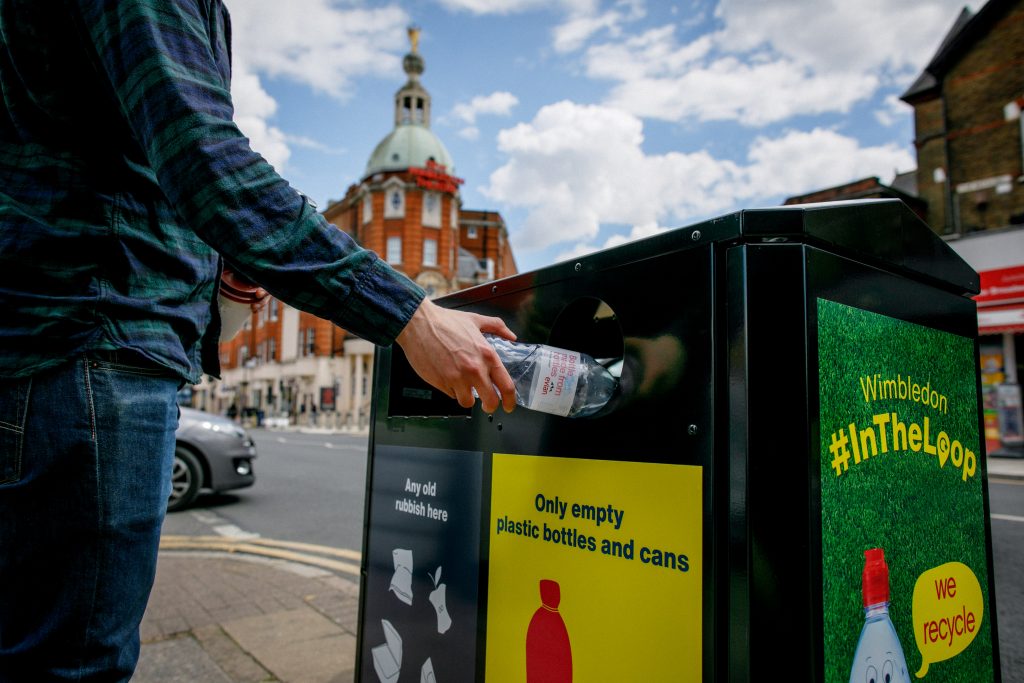 Environmental charity Hubbub has published its ‘In The Loop’ toolkit, an in-depth guide for local authorities on how to roll out successful recycling on-the-go campaigns and thereby increase recycling rates and reduce the amount of waste sent to landfill or incineration. Environmental charity Hubbub has published its ‘In The Loop’ toolkit, an in-depth guide for local authorities on how to roll out successful recycling on-the-go campaigns and thereby increase recycling rates and reduce the amount of waste sent to landfill or incineration.
The toolkit, funded by environmental compliance scheme Ecosurety, brings together key learnings from #InTheLoop, the UK’s biggest collaborative approach to boost recycling on-the-go, which was first trialled in Leeds in 2018, followed by similar trials in Swansea, Edinburgh, Dublin, Wimbledon, Telford and Lambeth.
These areas tested a range of colourful and eye-catching bins to make it as easy as possible for people to recycle empty glass, plastic bottles, cans, and in some cases coffee cups. Across these pilots, over 500 bins were installed and over 2.5 million plastic and glass bottles and cans were collected and recycled.
The results and learnings from the trials have been compiled into this new toolkit to act as a blueprint for other local authorities, and the online resource is packed with information, tips and downloadable templates and assets. Key recommendations include:
- Bright bins: Make the bins colourful and bright, so they’re easily visible and stand out on busy streets.
- Be specific: Consider updating your bins with clear messaging. People are confused about what to put in the bin and ‘mixed recycling’ gets mixed results. People spend less than 2 seconds at a bin, so be concise and give clear instructions.
- Bins need buddies: Don’t leave a recycling bin by itself. Place recycling bins next to general waste bins or use dual bins. Otherwise, general waste will end up contaminating your recycling.
- Keep it positive and simple: Use positive, encouraging messages in your communications and avoid jargon. Repetition of these simple messages is key – we need to hear something 7 times on average before our behaviour changes.
- Build a partnership: Work with the local partners to increase the opportunities for people to see and hear about the new campaign, whether that’s through in-store posters, social media posts or in-person events to raise awareness of the waste issue and the how to use the new bins.
- Measure and make better: Measure what does and doesn’t work through on-the-ground observations, public surveys and waste composition analysis, and refine your approach accordingly.
The toolkit provides valuable and easy-to-implement advice to local authorities, for whom on-the-go waste continues to be a significant problem. It is estimated that 9 in 10 of us recycle at home compared to 4 in 10 who recycle on-the-go. In 2019 an estimated eight billion drinks containers failed to get recycled in the UK. At the same time, less than half of local authorities currently have on-street recycling systems, and 94% of the British public would like to see more recycling points in public places.
To help local authorities roll out public recycling points and boost out of home recycling, the publication of the toolkit is supported by additional funding made available by The Coca-Cola Foundation.
 New recycling bins in Brixton The #InTheLoop grant fund aims to build upon the successes and impact of the seven #InTheLoop campaigns, and Treasure Your River, the largest ever collaboration to reduce litter along five major UK rivers. The fund will support four new projects to introduce or improve their recycling points using the #InTheLoop toolkit in areas that include waterways, such as coastline, riverways, canals, docks or wetlands.
Grants of £25,0000 will be made available to each successful applicant. As well as the funding, Hubbub will provide ongoing support to successful applicants based on the charity’s expertise and experience in delivering recycling campaigns. The application deadline is at midnight 15 December 2022.
Gavin Ellis, co-founder of Hubbub, said: “Our new toolkit pulls together key insights from seven trials in a variety of UK locations that have taken place over the last four years. Our ambition is for #InTheLoop to become a recognised and effective approach to out of home recycling that can be replicated throughout the UK and beyond. We hope sharing our results and learnings openly will be useful to local authorities looking to improve their recycling services.
“We’re delighted that additional funding from The Coca Cola Foundation will help four local authorities to get started and put the toolkit into action to help boost recycling rates and reduce marine litter.”
Stephanie Housty, Marketing & Sustainability Manager at Ecosurety said: “Four years after we joined forces with Hubbub to launch the #LeedsByExample campaign, we are thrilled to close the loop with #IntheLoop by funding this toolkit. Packed with useful tips and assets, it aims to inspire more locations to start or improve their own on-the-go recycling infrastructure.”
For more information on the grant funding and to access the In The Loop toolkit, visit www.intheloop.org.uk or contact intheloop@hubbub.org.uk
Last year’s Budget set aside £2.1 billion for NHS IT, and the autumn statement confirmed the capital is still there, but it looks like most of the money is headed for Frontline Digitisation. The Highland Marketing advisory board considers how this pattern of putting money into health tech, taking it out again, shaking up the badging, and starting over impacts the market.
There was some anxiety ahead of the autumn statement about what Jeremy Hunt might have in store for health and care. In the event, the chancellor found a headline £3.3 billion for the NHS for the next two years, and £2.8 billion for social care next year, with another £4.7 billion the year after.
Perhaps as importantly, he didn’t axe some major capital projects. The money allocated to the New Hospital Programme, diagnostics, and IT in last year’s Budget is still there. However, that doesn’t mean the huge financial pressure on the NHS has been alleviated, or that there is lots of new, central funding for digital technology.
As Andy Kinnear, a former NHS CIO who works for Ethical Healthcare Consulting, told the Highland Marketing advisory board: “The autumn statement was better than expected, but only because expectations were in the cellar.
“The NHS is getting more money, but that is coming on the top of a decade of contraction. What it needs is investment. What it got is a settlement that takes us back to where we were and stops funding falling in real-terms for the next two-years.”
Budgets and priorities
Last year’s Budget identified £2.1 billion for the “innovative use of digital technology, so hospitals and other care organisations are as connected and efficient as possible.”
Allocation has been on hold, pending the autumn statement. Now it has taken place, the expectation is that most of this funding will go on the Frontline Digitisation programme, which will try to get all acute trusts up to a basic level of digital capability (level 5 on the HIMSS EMRAM maturity model, or an English version known as minimum digital foundations).
Neil Perry, director of digital transformation at Dartford and Gravesham NHS Trust, said: “I am hearing that Frontline Digitisation will be pretty much everything. There will be some money for technology in pots set aside for other NHS England priorities, such as diagnostic hubs, digital outpatients, and perhaps virtual wards. But that’s the priority.”
Tough times for innovators
This pattern of NHS IT funding being announced, then clawed back or at least delayed, only to be re-announced, often with a new badge on it, is not unusual. Neil Perry described it as the “digital funding hokey-cokey” and argued that it distorts the health tech market.
“Delay is ok for the big companies – the big EPR-vendors – because they can just wait it out,” he said. “The small companies – the innovators – are living on credit, so any delay can push them under, or make them vulnerable to being bought out.”
Radiology expert Rizwan Malik said he was very concerned about SMEs. “I really worry that what we did during Covid to change mindsets is being undone,” he said. “During the pandemic, we had all these small companies come in wanting to help the NHS, and we told them that if they could prove their ideas, we’d work with them.
“They set up pilot after pilot, and now we’re bringing down the shutters.” Entrepreneur Ravi Kumar agreed. “The current situation is causing a lot of disappointment among start-up companies,” he said. “They go to CIOs and find that they are being asked to take money out of operational areas, never mind innovation budgets, and they just don’t buy.”
What next for big tech?
However, even the big EPR vendors might not be all that happy. Soon after Tim Ferris came to the UK to head up the NHS England transformation directorate, there were reports that he’d suggested buying Epic for all trusts.
While this was never going to happen, Tim Ferris and his chief information officer, Simon Bolton, indicated that they wanted Frontline Digitisation to both level-up acute sector IT and “converge” the systems in use across hospital groups and, possibly, integrated care systems.
The market consensus was that this would suit the ‘megasuite’ or ‘single-supplier’ EPR vendors better than newer entrants with modular offers or data platforms to support ‘best of breed’ strategies. But now the rumour is that NHS England is rowing back, because of the costs involved.
Neil Perry mused: “I wonder what is in it for the big, US vendors. The implication was that there would be a good level of money going into levelling up, and now it’s clear that there won’t be as much as these companies were hoping, and trusts are being told there’s more than one way to HIMSS 5.”
The only certainty is uncertainty
To add to the uncertainty about funding and policy, there is a general election due in two years. This means Frontline Digitisation money is only confirmed until 2024-5. Yet big EPR contracts tend to run for a decade.
In these circumstances, it wouldn’t be surprising if some finance directors balk at signing up with a single supplier. Which might provide another boost to the modular or best of breed approach.
If it does, the NHS will need both smaller suppliers and in-house expertise to deliver their strategies over an extended period of time. But if SMEs are under pressure, trusts are being asked to make ‘efficiency savings’ that tend to fall on any departments not on the ‘frontline’.
And, as Ravi Kumar pointed out: “If trust people vanish, all the good work that was done during the pandemic to build NHS IT capacity will vanish. Even if you get the money to run projects, the ability to execute them will vanish.”
Be clear about where the money is coming from
Almost every observer of the NHS and social care argues that they need a more stable policy environment in which to operate, with cross-party agreement on what they should be looking to achieve for communities across the UK.
 This would make it easier for government to work with central and local organisations on long-term investment plans and for suppliers, including health tech companies, to draw up roadmaps that align with them. As James Norman, a former NHS CIO who now works as EMEA health and life sciences solutions director at Pure Storage, noted, the digital hokey-cokey has real consequences. This would make it easier for government to work with central and local organisations on long-term investment plans and for suppliers, including health tech companies, to draw up roadmaps that align with them. As James Norman, a former NHS CIO who now works as EMEA health and life sciences solutions director at Pure Storage, noted, the digital hokey-cokey has real consequences.
“The NHS is living in an environment in which it is constantly promised and then denied funding, to the point where organisations are reluctant to spend strategically when funding does arrive, for fear it will vanish again in future years.
“Confidence needs to be reinstated from the Department of Health and Social Care and NHS England, so that when a commitment to funding technology is made, integrated care systems and trusts can be confident they won’t get left with the bill a year or two down the line.
“Not doing that will just create more pressure in the system to focus on keeping the lights on; and take resources away from planning for the future and implementing those plans.”
However, with the Treasury on its third Budget in a year, the DHSC on its third or fourth secretary of state (with Steve Barclay doing the job twice), and NHS IT leaders bailing out of the merger of NHS England and NHS Digital, stability feels a long way off. If anything, it feels more likely that the digital funding hokey cokey will pick up speed. In this environment, the advisory board suggested, health tech vendors need to help potential customers by finding alternative sources of funding, such as research, or making use of the data in IT systems.
Or they need to find partners that can deliver change across care pathways and release genuine efficiency savings that can be reinvested despite the turmoil that surrounds them.
Darkest hour before the dawn?
On the last point, Andy Kinnear argued that if there is any upside to the current situation, it is that things are so bad that change is an absolute necessity.
“Perhaps services have to feel the pinch to make them work together and do things in a different way,” he said, suggesting that shared support organisations, infrastructure, and implementing the kind of self-serve technology that is common in retail and banking might be good places to start.
“The downside,” he continued, “is that if the financial pinch squeezes any harder it could start impacting on things that are mission critical. So, I’m torn between seeing positives for the long-term and negatives for this winter. And the big question is how we get from one to the other without putting lives at risk.”
 Sascha Giese By Sascha Giese, SolarWinds Head Geek™
When protecting computer systems and networks, the “biggest cyber risk is complacency, not hackers.” That’s according to John Edwards, the UK’s Information Commissioner who warned that companies are leaving themselves open to cyberattacks by ignoring crucial measures such as updating software and training staff.
The warning comes as the Information Commissioner’s Office (ICO) issued a fine of £4.4m fine to a Berkshire-based construction firm for failing to keep personal information about its staff secure.
Although Edward’s comments were addressed at businesses, he may have just as well speaking to the public sector.
Recent high-profile incidents concerning the use of private communications within the government underline, yet again, the difficulties public sector IT staff face daily in keeping the nation’s data safe and secure.
That’s why cybersecurity is a growing concern that will continue to dominate the workload of IT professionals, as highlighted by seventh Public Sector Cybersecurity Survey Report.
But it’s not the only issue to dominate the ‘to-do’ list of IT professionals working in the public sector. As they look ahead to 2023, the ongoing reliance on legacy systems is a constant brake on progress and a drain on resources.
The ongoing drag caused by legacy systems
It was a point highlighted in an independent government report published in July 2021 —Organising for digital delivery — which touched upon the extent to which out-of-date “legacy systems” are still being used even though they are often built on obsolete technical platforms or still using programming languages that are no longer widely supported.
Its analysis found: “[A]lmost 50% of current Government IT spend (£2.3 billion out of a total central Government spend of £4.7 billion in 2019) is dedicated to ‘keeping the lights on’ activity on outdated legacy systems, with an estimated £13-22 billion risk over the coming five years.”
This level of expenditure is simply unsustainable. But while much of the talk about legacy systems pivots around cost and the fact they were not designed for today’s data-demanding world, this ageing technology is also at the root of other problems, such as recruitment shortfalls.
Although the government is constantly looking to attract new talent, today’s graduates are unlikely to want to work on increasingly redundant systems. Or, to put it another way, the public sector lacks the innovation many younger people require as part of a fulfilling career. Add in the salary gap between the public and private sectors, and there is little wonder that government agencies struggle to fill positions.
Privately, some people have suggested the recent high-profile job losses at some of the biggest tech employers could be a fillip for public sector recruitment for those looking for job security during economic uncertainty and job insecurity.
Recruiting IT talent for the future
If true, it’s only likely to be short-lived. And it certainly doesn’t address the underlying issues that the public sector needs to resolve if it is to plug the skills gap.
Of course, while some things are beyond the control of IT managers, some areas could be addressed. And that includes addressing the ever-growing IT complexity within the public sector.
The SolarWinds IT Trends Report published in 2022 found that the acceleration of hybrid IT has increased network complexity for most organisations. Acknowledging this and taking steps to mitigate the pain points would be a good start.
So too, would addressing systemic issues — such as helping to promote communication not just within IT teams but between IT teams. People often talk about siloed systems, but this also includes teams and the reluctance to break down the walls of their own departments.
And yet, by implementing a unified platform, departments not only have the opportunity to bring data together to provide visibility across the board, it also helps to bring people together. And if that means helping to remove a culture of finger-pointing then so much the better.
Such a shift would also help to rationalise the number of tools being used, reducing the amount of money spent on unnecessary software licences and the time spent carrying out tasks across multiple platforms.
Of course, there’s nothing new in any of these observations. Issues around security, legacy systems, and recruitment are never off the agenda. Highlighting them, however, does ensure they remain a constant reminder of the challenges ahead — and what needs to be done.
 IGEL, provider of the managed endpoint operating system for secure access to any digital workspace, recently announced that it is a major technology partner supporting the annual Crisis for Christmas campaign to help the homeless – the 12th year it has helped the charity. IGEL, provider of the managed endpoint operating system for secure access to any digital workspace, recently announced that it is a major technology partner supporting the annual Crisis for Christmas campaign to help the homeless – the 12th year it has helped the charity.
Since 1967, Crisis has supported the most disadvantaged in society at Christmas, helping to get rough sleepers off the streets at a time when the nation is celebrating the festive period with friends and family.
According to Crisis’ research, 200,000 households are homeless in Britain today – not dissimilar to the number who visit the Glastonbury Festival each year – with rough sleeping expected to rise 76% in the next decade unless the government finally takes firm action to tackle it.
At Christmas, Crisis sets up residential and day care centres and offers various services – everything from medical, dental, financial, counselling along with social and sports activities. It also feeds people: over 31,000 meals are cooked using more than 200 tons of food.
The Aimar Foundation, a charity founded in 2005 with a mandate to help other not-for-profit organisations with their IT, has been Crisis’ primary technology partner for the past 15 years. IGEL supports the Aimar Foundation with technology therefore playing a vital role delivering the project.
COVID-19 forced a radical change in how Christmas services are delivered
In 2020, the Coronavirus pandemic drove a complete rethink about how the whole Christmas project is run, with the same approach to IT to be taken this year.
Chris Riley, the Aimar Foundation’s CTO and project director, explains, “COVID-19 prompted a thorough review and re-engineering of the whole IT environment. A range of new technical innovations were introduced, not only to guarantee a practical way for guests to actually contact Crisis for help, but to enable team collaboration and remote working. This was important to ensure help could still be provided in the event that one worker got sick and the whole shift then had to self-isolate.”
A unified communications and cloud strategy has been implemented using various components:
- In the past, hundreds of IGEL OS powered endpoints connecting to Citrix virtual desktop infrastructure (VDI) were installed in temporary Internet Cafes – quickly set up for the Christmas appeal. Guests could then access a hosted desktop running Microsoft Office to surf the web, send emails and communicate with loved ones, with Crisis’ operational staff also using the same equipment. After a hiatus because of Covid lockdowns, the Internet Cafes were again set up this year at the various Crisis centres.
However, the Aimar Foundation has decided to migrate away from VDI given the price per desktop had increased year on year.
Simon Clark, the Aimar Foundation’s CEO and part of Microsoft UK’s customer success unit, says, “We could scale the solution easily, but the costs would have increased, too. We’ve taken a different approach; rather than having a desktop in the cloud, we’ve shifted to apps and data to the cloud and migrated to Office 365 and Teams for volunteers.
2. For Crisis staff, IGEL has again loaned its powerful UD7 endpoints which enable client apps for both Office 365 and Zoom to be run natively on each device taking advantage of the latest AMD Ryzen processor and 8GB of RAM. Put another way, the multimedia ready IGEL UD7 endpoints allow direct access to the Internet without the need for the additional cost of connecting to a VDI environment. This is a huge benefit for the Crisis volunteers. Teams means staff can collaborate and work together through the one platform whereas before it meant communication through email or numerous mobile phone calls.
In addition, all Internet Cafes this year used pre-owned Lenovo mini-PCs, repurposed to run IGEL OS. They were supplied by Tier 1 Asset Management – a company that specialises in the ethical refurbishment of technology assets which supports the Aimar Foundation’s focus on sustainability.
- For Crisis volunteers, a software-based VoIP platform from 3CX hosted by Gradwell Communications is being used, too. 3CX is a virtual PBX able to handle the call volumes between volunteers – avoiding the need for them to make expensive mobile phone calls.
The cloud delivers total flexibility for backend infrastructure
The Aimar Foundation has shifted the back-end infrastructure to Microsoft Office 365 and Azure with three separate tenants set up: one for the Christmas campaign only; the second for Crisis to use all year round for operational purposes; and a third dedicated to the Aimar Foundation itself. This is so that it can run its own applications, monitoring and management tools, completely segregated from data and applications hosted on the Crisis tenants.
Riley says, “An IGEL UMS server runs on the aimarfoundation.org tenant which sits behind cloud VPNs to ensure maximum security. This is a major benefit – the ability to use UMS in Azure to deploy a site from scratch in literally 3 or 4 hours with no requirement for a local server.”
Crisis has also updated its primary operational application – C-Log – which underpins the Christmas campaign and records all advisor interactions with guests. This has been migrated from Microsoft Access to Microsoft Dynamics 365 and has been integrated with the 3CX phone system.
Clark adds, “Each year, we always try to bring new innovation. We built a PowerApp to manage the whole logistics process. So, if one location wants black trousers in XL, this is ordered and delivered. It’s integrated with Teams and a big improvement compared to the old paper-based process such that we estimate a huge 60% time saving on order processing.”
In terms of printing, this has always been a challenge for the Aimar Foundation in terms of sourcing equipment at short notice, with practical problems then having to be solved such as whether the machines have a network card and the right drivers installed. To address this, the Aimar Foundation invested in buying its own MFPs over ten years ago which have recently been updated.
Riley explains, “Sponsorship by Konica Minolta – who kindly loaned us 33 Bizhub C3531 and C3831 machines – has introduced colour printing, with a hosted, Azure-based print solution from PaperCut now used, too. This allows guests and volunteers at all locations to send emails and/or attachments for easy printing as well as scanning directly from the printers to their email addresses.”
Moving forward, the Aimar Foundation will be look at how it can capitalise on the power and features of IGEL OS to re-purpose other hardware to be more sustainable and ‘green’.
Ian Richards, Head of Crisis for Christmas, says, “The logistical challenges are massive so the shift to the cloud really helps us: it’s an ideal technology approach given we set up services for a short period of time over Christmas and then turn them off in the New Year. Without the IT support we get from all our partners, particularly the Aimar Foundation and IGEL, we just wouldn’t be able to deliver the project like we do.”
Watch a 5 minute film about the Crisis project:
youtu.be/QFbmlmxGdi8
To donate to the Crisis at Christmas campaign, see below.
www.crisis.org.uk/get-involved/donate-to-crisis-at-christmas/
|
NEED AN UP TO DATE DATABASE? 
|



 What’s more, E-STOR can be linked to renewable energy technologies such as photovoltaic panels allowing charging points to be powered by renewable energy – with excess power generated from the renewable sources stored until it is needed. The 24, second-life EV batteries used within each E-STOR come from Renault Kangoos.


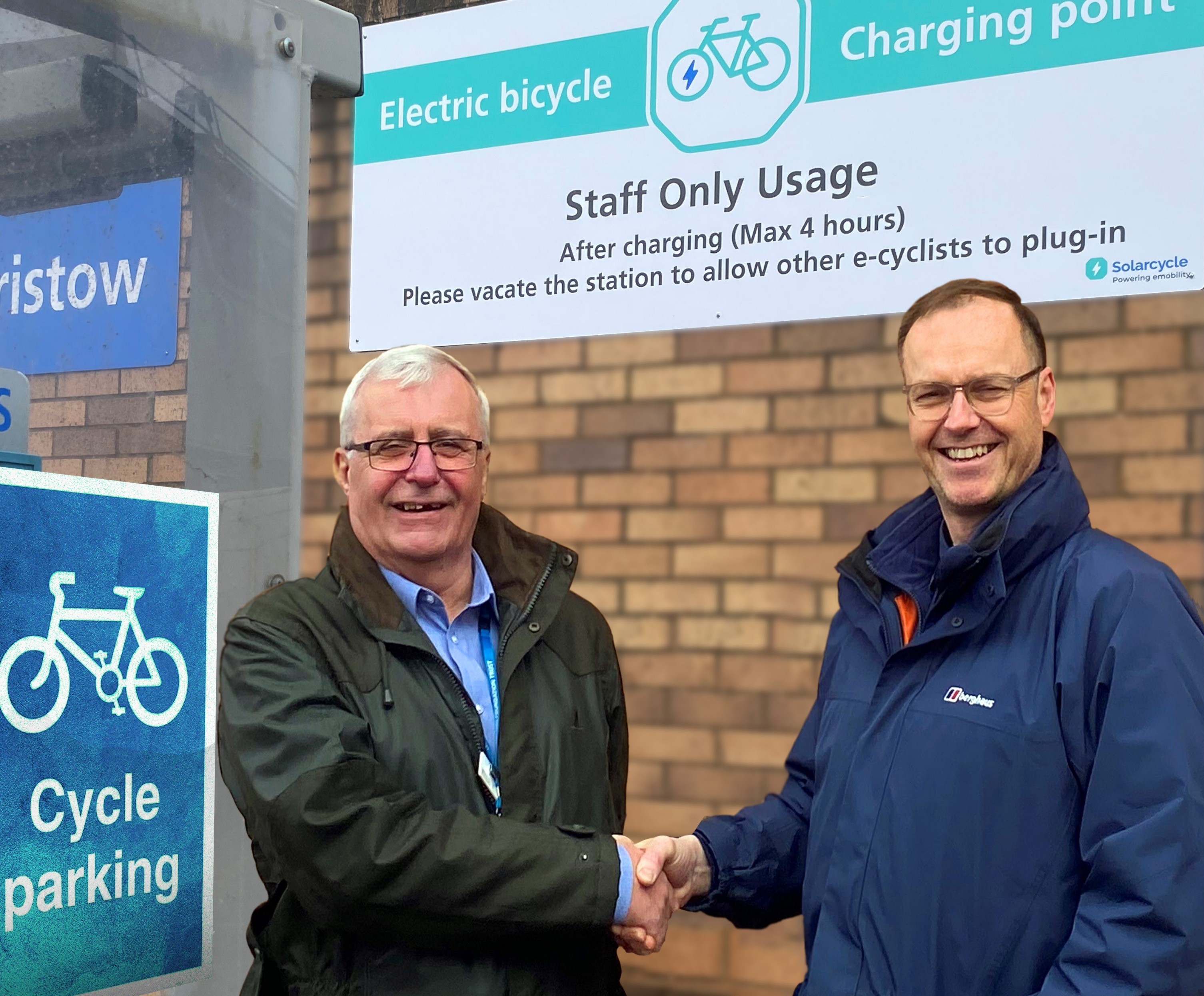



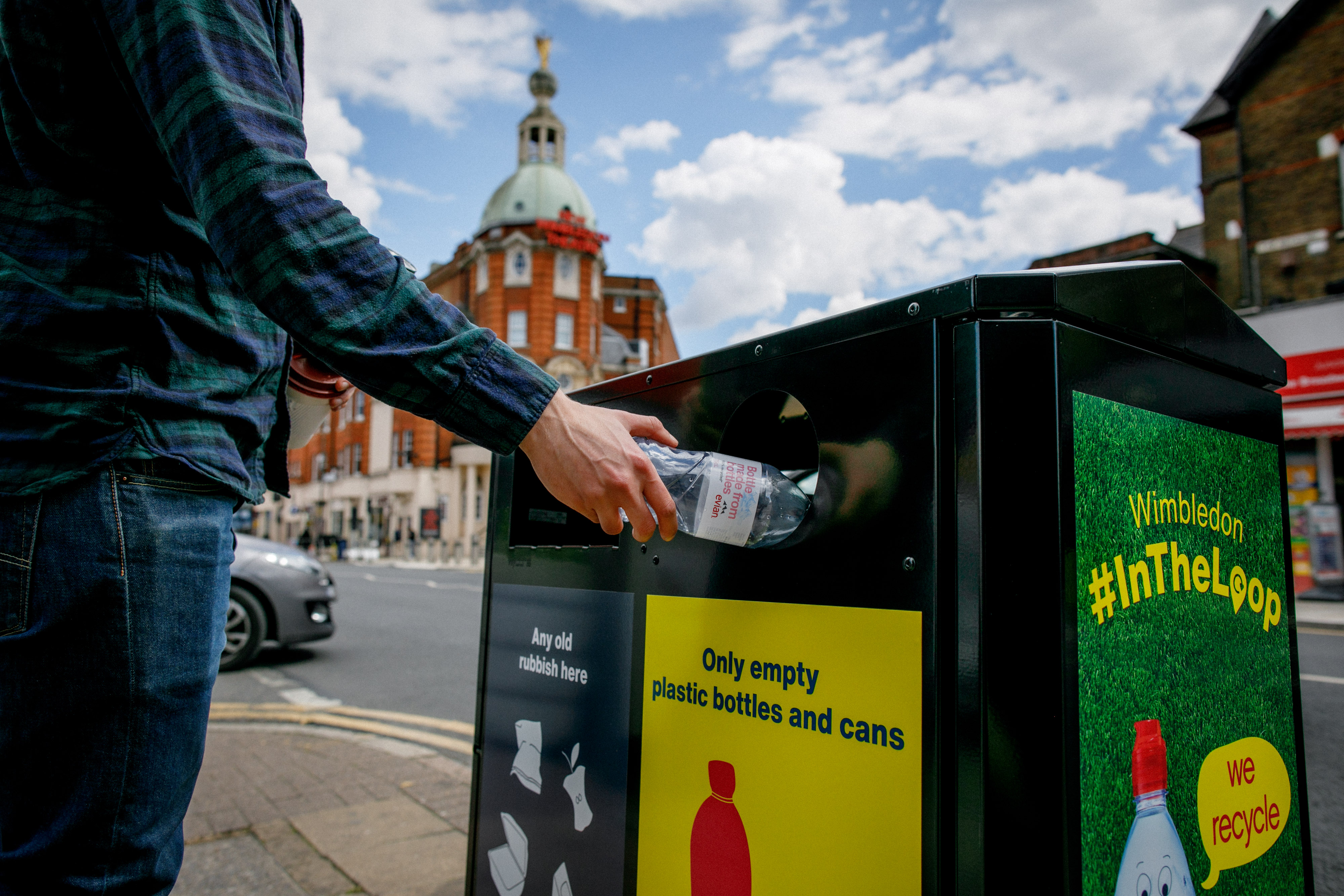





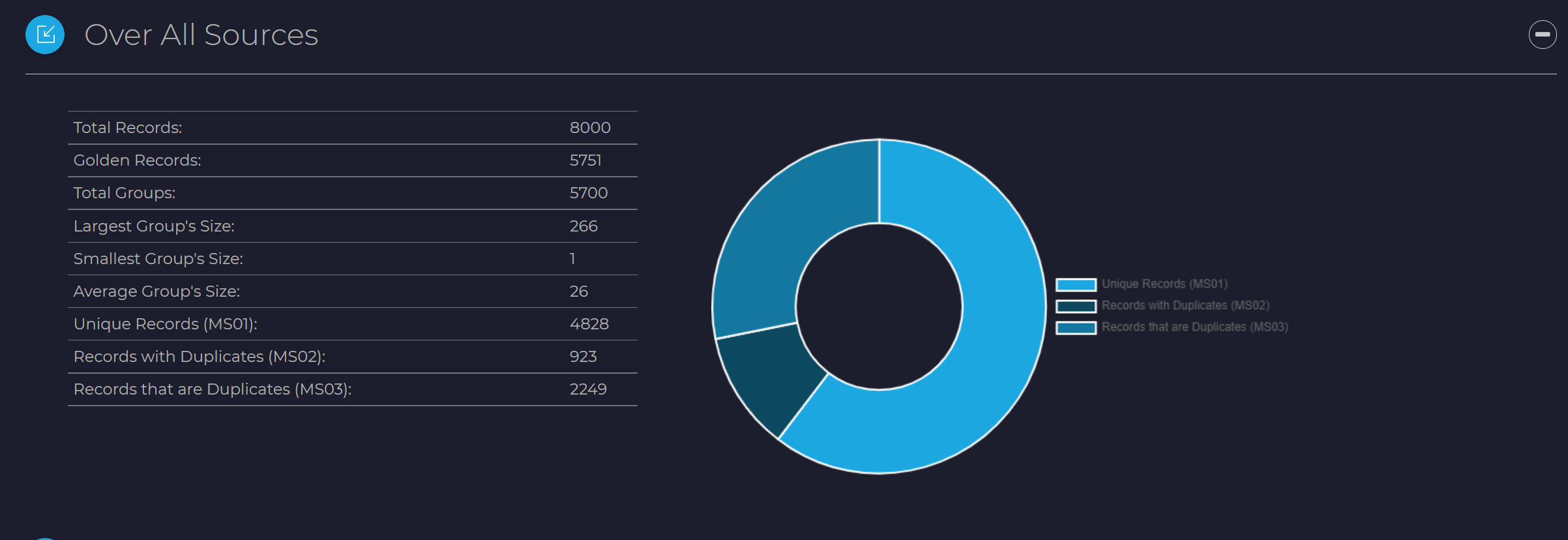
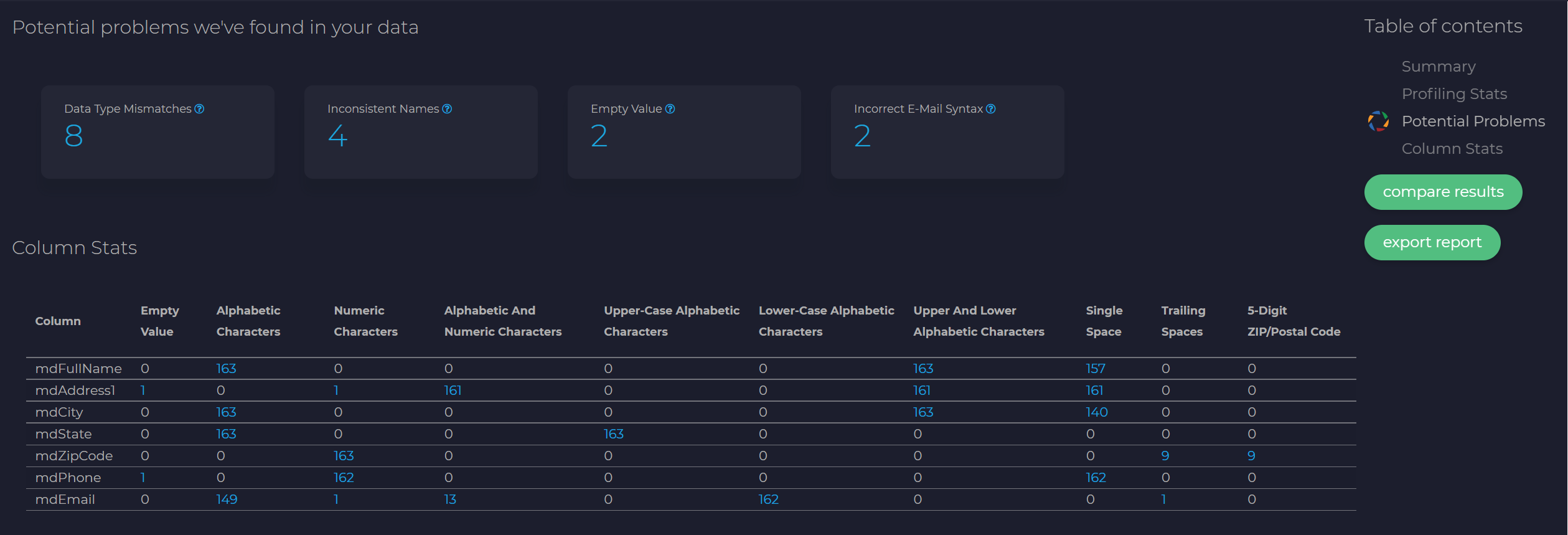
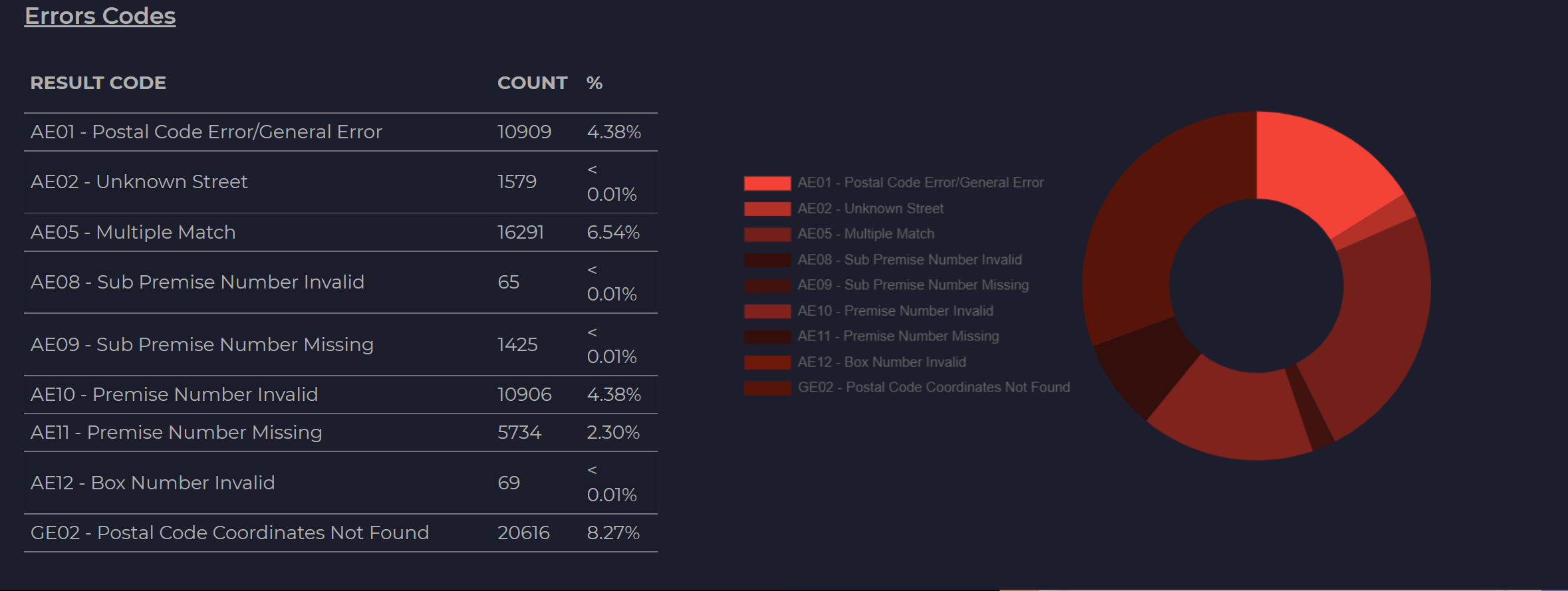
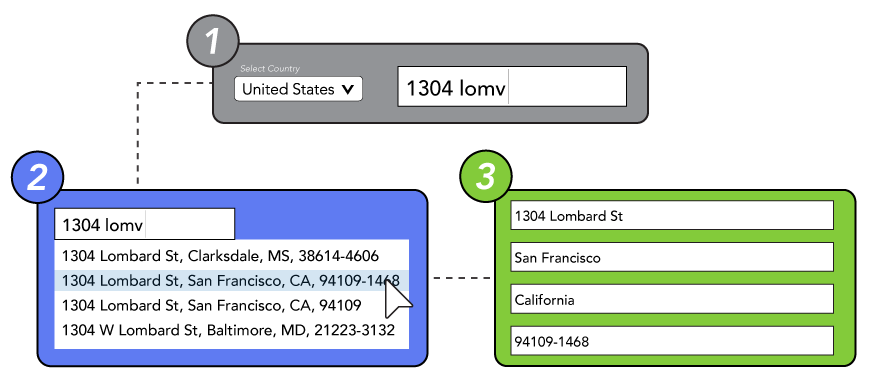


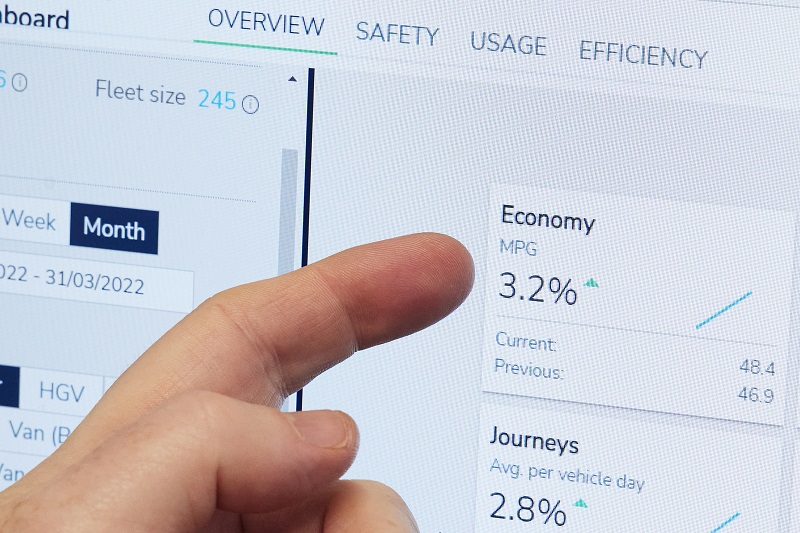
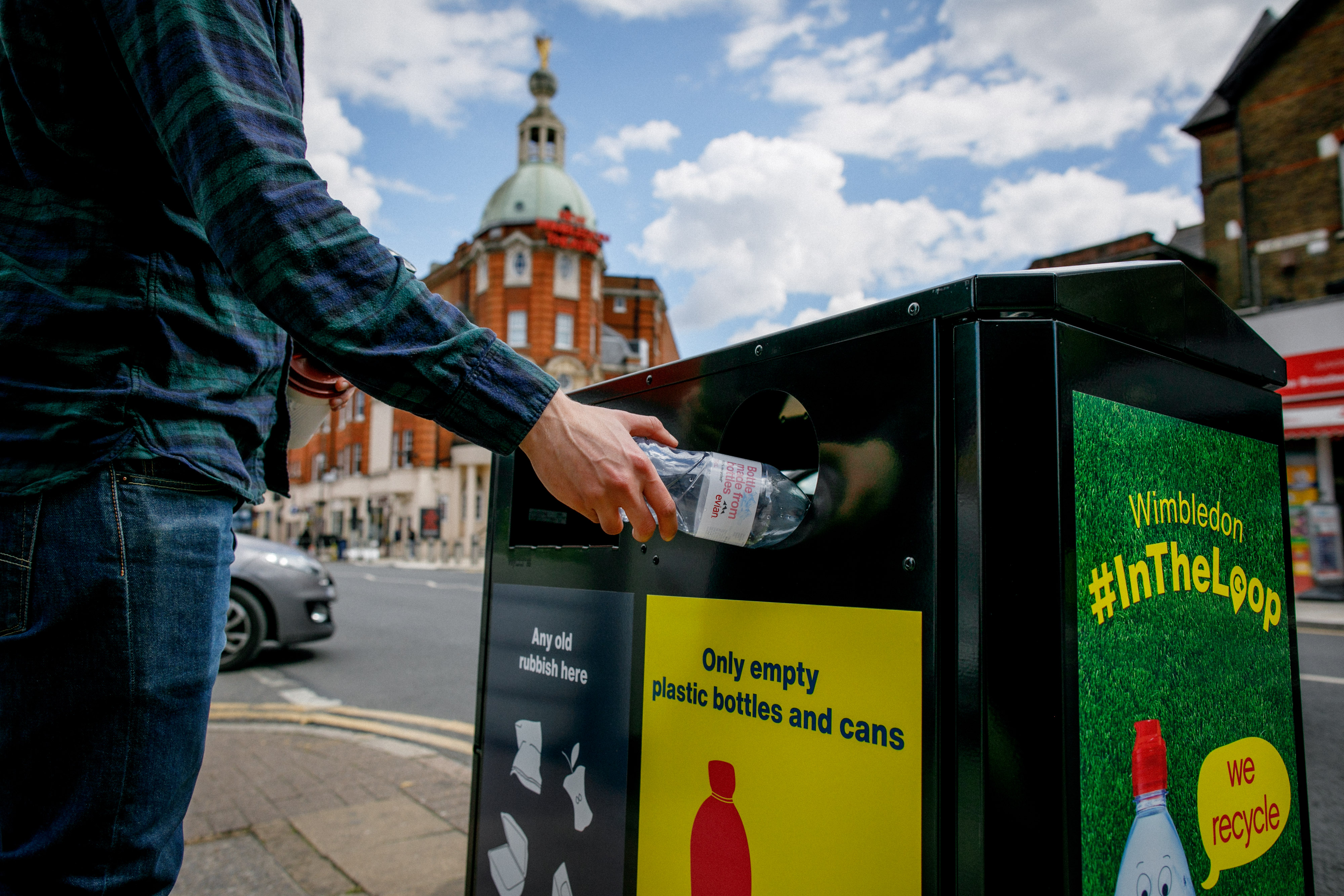





Recent Comments