|
|
 The Bristow & Sutor Group has announced they will be the headline sponsor of the maiden CIVEA awards night and dinner, part of the forthcoming annual CIVEA Conference. The Bristow & Sutor Group has announced they will be the headline sponsor of the maiden CIVEA awards night and dinner, part of the forthcoming annual CIVEA Conference.
Reflection & Collection, the past, present and future of enforcement is set to be held in London at the De Vere Grand Connaught Rooms, Covent Garden on Thursday 21st April 2022. The annual enforcement networking event has expanded this year to include an awards ceremony for the first time, which will celebrate and recognise the ongoing efforts, commitment and success of leading industry organisations and personnel.
CIVEA is the principal trade association representing enforcement firms across England and Wales. Reflection & Collection will showcase the huge strides that have been taken in enforcement operations in recent times, building upon the regulatory reforms of 2014 and demonstrating the dynamic and proactive support provided to central and local government clients, including responses to the coronavirus pandemic.
In addition to being headline sponsor at the awards dinner, Bristow & Sutor will be directly sponsoring the Tier 3 Innovation in Enforcement category. The company will be submitting entries themselves into other independently judged categories that will be up for grabs on awards night.
All CIVEA members, including Bristow & Sutor, are required to follow a strict code of conduct, which exceeds statutory requirements and the National Standards. Compliance with this code is regularly assessed by the independent auditing of members and Bristow & Sutor recently passed their audit, scoring a flawless 100% in the process.
Emma Watson, Head of External Communication at Bristow & Sutor, said: “We are delighted to be the headline sponsor of the first-ever awards evening and dinner at the upcoming CIVEA conference. Our business was incredibly proud to score 100% in our recent CIVEA audit and we are keen to build on this result by showcasing further examples of brilliance from the past year, both from ourselves and amongst our peers across the enforcement industry. The impact of CIVEA and other industry events like this cannot be overstated, as seen by the response to The Money Charity, who joined our stand at the recent IRRV Annual Conference and obtained 53 separate nominations to support local community projects. This highlights the incredible networking opportunities made possible when the industry comes together in this way. We look forward to encouraging and facilitating similar conversations at the CIVEA Annual Conference, as well as celebrating the incredible outcomes businesses have achieved over the past year in areas as diverse as technology, social value and communication during the awards.”
Russell Hamblin-Boone, CEO of CIVEA, told GPSJ: “The inaugural industry awards are an acknowledgement of the huge advances that reflect modern enforcement practice. Enforcement agents operate discreetly in partnership with government agencies and the awards are an opportunity to showcase the best of our industry. Bristow & Sutor has always been a progressive business and its support for the awards is an indication of its commitment to excellence in government debt recovery.”
Bristow & Sutor has over 44 years of experience in the collection of local council tax, non-domestic rates and unpaid Penalty Charge Notices (PCNs). The company is one of the UK’s leading players specialising in debt recovery and regularly encourages conversations between Debt Advice personnel and Local Authorities, utilising shared connections for the good of all involved.
 The Prime Minister has today continued the overhaul of his senior team as he improves the No 10 operation and delivers the change necessary to get on with the job. The new appointments will have the discipline and focus to drive the Prime Minister’s priorities and deliver for the country. The Prime Minister has today continued the overhaul of his senior team as he improves the No 10 operation and delivers the change necessary to get on with the job. The new appointments will have the discipline and focus to drive the Prime Minister’s priorities and deliver for the country.
Chancellor of the Duchy of Lancaster Steve Barclay MP will take on a significant new role, put in charge of integrating the new Office of the Prime Minister and the Cabinet Office, driving the government’s agenda more efficiently and ensuring it is better aligned with the Cabinet and backbenchers. He will become the Prime Minister’s new Chief of Staff, working directly with Cabinet colleagues to ensure the Prime Minister’s levelling up agenda is driven forward and delivered at maximum speed. This change will significantly strengthen Cabinet government, meaning there will be an enhanced role for both Ministers and Parliament.
Guto Harri, a respected journalist with a distinguished BBC career before taking on some of the most demanding roles in communications, is joining as Director of Communications. He was the Prime Minister’s Spokesman and Chief of Staff during his first term as London Mayor.
There will continue to be further appointments over the coming days with a particular focus on improving engagement and liaison with MPs.
Prime Minister Boris Johnson said:
“This week I promised change, so that we can get on with the job the British public elected us to do. We need to continue our recovery from the pandemic, help hundreds of thousands more people into work, and deliver our ambitious agenda to level up the entire country, improving people’s opportunities regardless of where they’re from.
“The changes I’m announcing to my senior team today will improve how No 10 operates, strengthen the role of my Cabinet and backbench colleagues, and accelerate our defining mission to level up the country.”
Enterprise risk management software specialist, Sword GRC announces sponsorship of the 14th annual Nuclear Deterrence Summit taking place from 7-9 February in Arlington, VA
Global risk management software specialist Sword GRC is pleased to announce its sponsorship of the Nuclear Deterrence Summit, a two-day event to be hosted at Hyatt Regency Crystal City at Reagan National Airport, Arlington, VA from February 7-9, 2022.
The Summit, organized by ExchangeMonitor Publications and Forums, brings together professionals from across nuclear deterrence to discuss the management of the nuclear complex, security, arms control negotiation and strategic policy. Sword GRC joins a prestigious sponsors line-up as a key player in the development of mitigative strategies to drive down risk and attain mission success through effective risk management.
“Sword GRC understands the scope of challenges faced by professionals working within nuclear modernization and is proud to work with pioneering organizations across defense and aerospace in support of their complex risk management objectives,” said David Emanuel, Sword GRC VP, North America Operations.
“Our software is considered the ‘de facto’ standard in risk management, trusted by both Government ecosystems and leading organizations to enable risk-based decision making and balance ‘risks v rewards’. We look forward to attending this year’s Nuclear Deterrence Summit, a great opportunity to meet with key stakeholders, explore deterrence issues and demonstrate how through a comprehensive view of risk, our GRC solutions can support goals attainment and competitive advantage across mission-critical project lifecycles.”
Learn more or register for the 2022 Nuclear Deterrence Summit.
- First step: Birmingham and Warsaw have adopted Airly air quality monitoring and controls
- Evidence: Cities that are monitoring and measuring air are the places where air quality improves the fastest, London shows largest improvement in Europe
- Innovation: Airly has created the world’s most detailed and comprehensive air quality solution for users around the world to deploy immediately.
The UK’s second largest city Birmingham and Poland’s capital Warsaw have taken decisive action to address the plight of air pollution by taking the first step to monitor air quality through Airly, the cleantech company who will install their sensors across their cities. In doing so, Warsaw becomes the city with the most air pollution monitors in Europe.
Birmingham and Warsaw join a host of other cities around the world including such as Hong Kong, Jakarta, Oslo, Granada who are partnering with Airly (and Airly Public, in case of Warsaw) to tackle the problem of air pollution. Airly offers a comprehensive SaaS solution for air quality monitoring and control. Made possible by a proprietary low-cost distributed sensor network which provides hyper-local, real-time air quality data. They offer decision-ready data on air quality. Enabling users to analyse trends and sources, develop targeted initiatives to combat pollution, and track improvements. Supporting users on their journey to eliminate pollution, improve air quality and protect public health.
 “Airly is the first step toward pollution-free cities and communities” commented Wiktor Warchałowski CEO of Airly. “These were competitive tenders and we are delighted to serve the municipalities and their communities to help address the world’s biggest killer – air pollution – which is reducing life expectancy by 3 years around the world”. “Airly is the first step toward pollution-free cities and communities” commented Wiktor Warchałowski CEO of Airly. “These were competitive tenders and we are delighted to serve the municipalities and their communities to help address the world’s biggest killer – air pollution – which is reducing life expectancy by 3 years around the world”.
According to the EEA’s latest estimates, 307,000 people died prematurely due to exposure to fine particulate matter pollution in the EU in 2019. At least 58%, or 178,000, of these deaths could have been avoided if all EU Member States had reached the WHO’s new air quality guideline level of 5 µg / m3. As part of the European Green Deal, the EU Zero Pollution Action Plan sets a target to reduce the number of premature deaths due to exposure to fine particulate matter by more than 55% by 2030, as compared to 2005.
Councillor Waseem Zaffar MBE, Cabinet Member for Transport and Environment at Birmingham City Council has said: “There is clear evidence that air pollution can have long and short-term health implications. Our ambition is to create an environment where people can live and work to their full potential without the threat of this entirely preventable pollution.
“It is a promising next step for us today to be able to launch the Air Pollution Sensors project with Airly as this will help us create further awareness across our communities of how the air pollution situation is progressing. Now it is time for us all to think about changes we can make to create a difference, as individuals and as organisations.”
Wiktor Warchałowski CEO of Airly has added: “We’re incredibly proud to partner with Birmingham City Council to provide them with hyperlocal, real-time air quality sensors for schools. Our comprehensive air quality platform will enable them to make intelligent, data-driven decisions based on the insights gained from our platform. Airly will also provide support to the Council to help reduce emissions, raise awareness and protect public health wherever possible.”
Warsaw, the largest city in Poland, is installing a large network of air quality sensors, making it the European metropolis with the highest density of this device. The Airly monitors installed in the capital and all neighbouring municipalities thanks to a contract with Airly Public will monitor air quality at 165 locations in real time 24 hours a day. The devices will monitor the concentration of the most harmful dust – PM1, PM2.5, PM10 – and gases – NO2 (nitrogen dioxide) and O3 (ozone).
For more information visit www.airly.org
 Effective Energy Group’s Help4Homes scheme is aimed at providing the help that will make a real difference for homes in fuel poverty The Effective Energy Group has launched an innovative and holistic new scheme that provides energy saving advice, free heating, insulation and white goods and an income maximisation service for low-income and vulnerable households struggling to pay their energy bills.
Help4Homes covers all property types and tenures, and with a quarter of homes in England and Wales now affected by fuel poverty, the scope for the Ofgem approved scheme to provide help where it is most needed is enormous.
Neil Marshall, director of external affairs at Effective Energy Group, said: “Soaring energy prices have been making headlines for months on end; and rising in tandem with these ever-spiralling prices are the number of households that can be defined as being in fuel poverty – a figure that now tops six million.”
Unlike some other Government-led schemes, Help4Homes isn’t focused solely on energy reduction measures, but extends to cover a variety of different areas; key amongst them income maximisation, which can play a significant role in the difference between households remaining in fuel poverty and getting out of it.
Since going live at the end of 2021 with an initial £500k of funding, the response to Help4Homes has been so overwhelmingly positive that Effective Energy is now seeking new partners to invest in the scheme.
“Energy companies, local authorities and housing associations have funds to spend on helping low income and vulnerable households and Help4Homes has the scope to help more homes in more different ways than any other existing scheme,” added Neil.
“And because of our in-house expertise and that of our partners, IncomeMAX and CSupplies, those investing in it can do so in a cost-effective and time-efficient manner.”
IncomeMAX oversees the income maximisation element of Help4Homes, while CSupplies provides the white goods.
“Although anyone can invest in Help4Homes, it is the ideal vehicle for energy companies and local authorities,” continued Neil. “Energy companies can invest through the Energy Company Obligation (ECO) and Warm Homes Discount schemes, while local authorities can use various sources of funding, including the Local Authority Delivery Scheme (LADs), Home Upgrade Grant Scheme (HUG) and local budgets. And however they invest, they’ll do so knowing their money will make a huge difference to households that need it the most.”
For further information on Effective Energy and its Help4Homes scheme visit www.effective-energy.co.uk, e-mail neil.marshall@effective-energy.co.uk or call 01909 511260.
 Professor John Read, General Manager, Specialities Technology at Shell By: Professor John Read, General Manager, Specialities Technology at Shell
Shell is helping power the journey towards a circular paving industry with Shell Bitumen LT R, a new product for roads that uses plastics destined for landfill as part of the additives to make the bitumen.
As I sit down to write this, the world have departed COP26 in Glasgow, leaving their appointed diplomats and negotiators to begin critical multilateral discussions aimed at getting the world on track to net-zero emissions.
This is where the real work begins towards limiting global warming in line with the Paris Agreement and shaping a more sustainable world.
All forms of transportation account for about 24% of all CO2 emissions worldwide, with around 75% of this from road transportation1. The role of the paving industry is therefore critical to addressing global sustainability challenges by decarbonising road construction, while continuing to improve performance.
The future is about more than decarbonisation
We are excited to launch Shell Bitumen LT R, our new circular product for roads that has been specifically designed to play a part in addressing the issue of waste plastic. Shell Bitumen LT R is a low-temperature binder with an additive that is chemically converted from waste plastic and blended into the bitumen, saving an estimated 450kg of plastic waste and a tonne of CO2-equivalent emissions per kilometre of road paved2.
Converting non-recyclable plastic bottles destined for landfill to a bespoke bitumen additive improves circularity and also performance. When carefully incorporated LT R is easy to mix, evenly dispersed and stable, and retains the lower production and laying temperatures of the LT technology Shell Bitumen has pioneered for more than 25 years.
Why is this important? Innovations such as this will help our customers and clients to meet the UK government’s target to halve the amount of municipal waste going to landfill by 2035. Creating a new end-market for non-recyclable waste plastic also helps mitigate the climate impact of global plastics production.
Wear and tear on highways
The pressure on road paving is increasing for a variety of reasons including climate change and rising average ambient air temperatures. Roads are not designed to withstand this, leading to early-life surface rutting and deformation that has to be repaired more frequently, and that is not sustainable.
The new generation of fuel-efficient autonomous vehicles, whether they be hybrid or fully electric, represent another significant challenge when it comes to road maintenance. Autonomous vehicles will move very close together one after the other in a ‘canalised’ fashion, with very few rest periods.
While this may be good for both commuters and the environment, it will inevitably place additional strain on road networks because all of that stress is being exerted by vehicles on the pavement in exactly the same points on the road surface every time, which will lead to more early-life failures.
The transition from conventional dual-wheel axles on vehicles to super single tyres, while undeniably good in terms of reducing tyre wear, also results in higher levels of pavement damage. Similarly, leaks from poorly maintained air suspensions can lead to steel-on-steel contact instead of a cushioned load, meaning the actual peak loads being applied on the road surface are much higher.
We are also witnessing a tendency for haulage companies to carry more freight on a single vehicle. Again, this is good for the environment, but the increased weight can lead to more road damage.
Putting Shell Bitumen LT R to the test
We are putting Shell Bitumen LT R through its paces in Cumbria to demonstrate its real world environmental and operational benefits in one of the UK’s harshest driving environments. Started in May 2021, Shell partnered with Cumbria County Council and UK contractor Hanson to lay miles of urban and rural roads in a project funded by the ADEPT Live Labs programme.
“What is fundamental to this pilot… is the huge volume of waste plastics, which are stopped going into landfill, which is a major benefit to Cumbria and the UK,” commented Councillor Keith Little, who works on the county’s highways and transport portfolio.
You can view the progress here www.youtube.com/watch?v=8p_v2b4VGHU
The road paving industry has a key role to play in this sustainable future, and I am proud that we are continuing to lead the way in developing innovative, impactful solutions that empower our customers to make positive changes now.
Sources:
1 World Resources Institute
2 Shell Construction & Road
Skillsoft’s Lean Into Learning: 2021 Annual Learning Report provides data and guidance for addressing skills gaps, hybrid learning, and the war for talent
Skillsoft (NYSE: SKIL), a global leader in corporate digital learning, today released its Lean Into Learning: 2021 Annual Learning Report, exploring the top challenges and opportunities facing today’s workforce, as well as trends in learning and development and the role it plays in transforming organisations and employees. With businesses prioritising building future-fit, resilient teams, the report highlights a 55 percent year-over-year increase in the number of learners on the Skillsoft Percipio platform and a 45 percent increase in total hours of Percipio learning consumption in 2021.
Events of the past year have created numerous obstacles for organisations to navigate including the shift to remote and hybrid work, the rapid acceleration of digital transformation, and a widening technical skills gap. As companies seek to reinvent themselves, improve the overall health of their business, and motivate staff, they are placing an increased emphasis on employee development. In fact, a new survey conducted by Skillsoft and IDG found that 83 percent of decision makers are making training and development a critical priority.
“The nature of work – and consequently the nature of the workforce – has evolved at a rapid pace. Digital transformation, a global pandemic, and a changing workforce have caused companies to rethink how they conduct business and the talent required to innovate, meet customer needs, and exceed employees’ expectations,” said Jeffrey R. Tarr, Chief Executive Officer, Skillsoft. “Where there is change there is opportunity, and this disruption is driving workplace reinvention and a heightened need for learning. Competency is the new currency, and by creating cultures of learning and development where every team member has access to the tools needed to develop new skills and succeed, employees and businesses alike can achieve their full potential.”
 In 2021, Skillsoft observed strong growth in total hours of Percipio learning consumption across Compliance (120 percent increase), Technology & Developer (36 percent increase), and Leadership & Business (30 percent increase). Amidst a highly disruptive year for cyberattacks, Skillsoft also saw a 30 percent increase in consumption of Percipio security-related content. In analysing the 20 most popular topics across all disciplines, IT and technology-related subjects comprise 40 percent of the list, with security courses holding two of the top three spots. Additionally, nearly half of the list comprises power skills such as communication and understanding unconscious bias. In 2021, Skillsoft observed strong growth in total hours of Percipio learning consumption across Compliance (120 percent increase), Technology & Developer (36 percent increase), and Leadership & Business (30 percent increase). Amidst a highly disruptive year for cyberattacks, Skillsoft also saw a 30 percent increase in consumption of Percipio security-related content. In analysing the 20 most popular topics across all disciplines, IT and technology-related subjects comprise 40 percent of the list, with security courses holding two of the top three spots. Additionally, nearly half of the list comprises power skills such as communication and understanding unconscious bias.
As employees continue to adapt to new workplace dynamics and take on added management and leadership responsibilities, in 2021, Skillsoft also saw strong interest in its Percipio Aspire Journeys, sequential learning pathways that build on current skills and provide guided roadmaps to success. The three most completed Percipio Aspire Journeys were “Virtual Work in the New Normal,” “Leadership Development Core Journey,” and “First Time Manager Journey.”
Furthermore, more than 12.7 million digital badges were earned and shared via social media upon completion of Percipio courses and Percipio Aspire Journeys in 2021, a 48 percent increase. Of the 20 most awarded badges, 85 percent were for security, cloud computing, and software development courses.
Download the full Lean Into Learning: 2021 Annual Learning Report here. For more information about how Skillsoft can help with your L&D needs, visit www.skillsoft.com.
The release of the UK government’s Veterans’ Strategy Action Plan: 2022-2024 is a great step forward in supporting and empowering the UK’s military veteran community, says Landmarc Support Services (Landmarc).
The Action Plan aims to provide a solid foundation on which the government can continue to build over the next two years and beyond. Reinforced by research and data to give an even greater understanding of the veteran community, five focal points for success are highlighted:
- Delivering a step-change in support
- Maximising veteran employability
- Addressing historic hurt or disadvantage
- Dealing with the legacy from historic operations
- Ensuring a high standard of support across the UK
 Landmarc MD Mark Neill Landmarc manages military training on the UK Defence Training Estate on behalf of the Defence Infrastructure Organisation (DIO) and was an early signatory of the Armed Forces Covenant; publicly declaring its commitment to those who serve or have served in the Armed Forces and achieving an Employer Recognition Scheme Gold Award in 2018.
A significant number of veterans already work for Landmarc at every level of the business, bringing invaluable knowledge learnt from the Armed Forces to the company’s national workforce.
As a longstanding employer of ex-service personnel, last spring Landmarc matched the government’s pledge to offer guaranteed recruitment interviews for military veterans[1] who have the right experience for the role. The initiative, known as the ‘Great Place to Work for Veterans’, makes it easier for veterans to secure employment within several government departments.
 Landmarc Support Services Mark Neill, Landmarc’s Managing Director and Army veteran says: “At Landmarc, over 25 per cent of our workforce is made up of veterans and reservists who all bring a specialist mix of niche skills and expertise gained from their time in the British Armed Forces, which is hugely valuable to our management of the UK Defence Training Estate.
“Our commitment to the government’s guaranteed interview scheme for veterans ensures that all ex-service personnel that have the appropriate skills and experience for the role are offered an interview, and we use our levy fund to offer apprenticeship opportunities to our employees to help formalise these valuable skills into civilian qualifications.
“We wholeheartedly support the government’s aim to make the UK the best place in the world to be a veteran by 2028. The focal points of success and areas of action within the Action Plan will help mitigate any disadvantage faced by our armed forces community due to the unique nature of military service.”
Click here to read the full Action Plan. For further information about Landmarc, please visit www.landmarcsolutions.com
[1] www.gov.uk/government/news/government-delivers-on-promise-to-veterans-announcing-guaranteed-interviews-for-government-jobs
 Shirley-Anne Somerville It remains the government’s ‘firm intention’ to hold National 5, Higher and Advanced Higher exams this Spring, Education Secretary Shirley-Anne Somerville has restated.
Taking into consideration ongoing disruption within schools, the Scottish Qualifications Authority (SQA) has decided to invoke its Scenario 2 contingency and will provide revision support in early March to aid learners in preparing for their exams.
It complements the significant modifications SQA has already made to reduce the volume of assessment and ease the workload of learners, teachers and lecturers.
SQA has also, today, announced a series of measures that will support delivery of the qualifications this year and that acknowledge the disruption caused by the pandemic:
- exceptional circumstances back-up for learners who are unable to attend their exam or exams due to illness or bereavement
- grading exams this year will look to factor in the impact of the pandemic on learners
- once the results have been published, learners will have free direct access to appeal
Ms Somerville also confirmed that £4 million will be used to support schools and colleges provide targeted exam preparation sessions for learners who need it most over the Easter break.
In a statement delivered in the Scottish Parliament, the Education Secretary said:
“It remains my firm intention that exams will take place as planned – they will only be cancelled if public health advice says it isn’t safe.
“While the number of full and partial school closures has been small, it is clear that many secondary schools have experienced extreme disruption as a result of the Omicron variant – particularly in the first half of January – in relation to both student and teacher absences.
“This package of measures is designed to ensure our learners are fully supported in their learning and preparations for the exams this year.”
 Daniel Harrison, co-founder and head of technology at Voicescape Voicescape has launched a unique tenant engagement solution for social landlords and local authorities, representing a major step change in the intelligent automation of rent arrears management.
Caseload Manager (CM) has been developed by the specialist software business to enable social landlords to improve the efficiency and effectiveness of income recovery.
It combines Artificial Intelligence (AI), Machine Learning (ML), and Data Science and Behavioural Insight (Bi), to identify individual tenant behaviours and risks, automating each stage of the arrears management process. It then applies learning algorithms to accurately predict future customer behaviour, continuously improving operations over time.
Daniel Harrison, co-founder and head of technology at Voicescape, said: “Never before have customer engagement and operational efficiency been more important in helping social landlords to tackle growing income deficits. The sector is facing challenges that have been exacerbated by the pandemic, stretching financial and resource pressures further than ever, and placing demands on organisations to support tenants with the rising cost of living.
“With rents predicted to rise by as much as 4.1 per cent from April 2022, it’s a critical time for social landlords to be able to engage meaningfully with tenants to create successful outcomes for everyone. For the first time, social housing managers can realise the true value of the data they possess, big or small, allowing teams to manage rent arrears more effectively, at a lower cost, and with an improved tenant experience,” he added.
CM is designed to work with all major Housing Management Systems (HMSs) and in-house developed IT support systems, addressing the entirety of the arrears pool in one solution. It does not require additional modules should the landlord wish to tackle Former Tenant Arrears, for example.
Daniel added: “It doesn’t sit in isolation from the rest of the arrears ecosystem. It brings together critical and salient information in one place. By intelligently profiling risk and then taking active intervention, Caseload Manager reduces the generation of new caseload and resulting volume of active cases, saving hours of manual work.”
The CM solution has been developed in partnership with Thirteen, which provides housing services to more than 70,000 customers across Yorkshire, Teesside and the North East.
Chris Marshall, head of housing services at Thirteen, explained: “We’ve all seen the challenges of debt recovery through the pandemic and what we’re seeing now is the cost of living really starting to have an impact, particularly for low income customers that sit just above the housing benefit threshold. As an organisation our ambition is to use behavioural science to intervene at the right time, with the right message, as well as increasing our use of automation to free up our colleagues’ time to be able to spend with customers.
“Caseload Manager not only aligns with the values of our organisation to deliver automation driven by behavioural science, it’s helped us to deliver support to customers when they most need it, and uses all of the intelligence we have on our customers to help us be smarter in our interventions. It’s supported our co-ordinators to manage debt cases in one clear dashboard to streamline processes and reduce the volume of manual intervention required. We’ve already seen, in a relatively short space of time, the benefits of how the system continues to learn from the action that we take and the behaviour of our customers to refine those interventions.”
Using a unique combination of automation technology, behavioural insights and data science, Voicescape creates bespoke communication solutions that help public service organisations drive substantial operational efficiencies and service-level improvements.
 The MAST (Joint European Torus and Mega Ampere Spherical Tokamak) experimental plasma machine at CCFE Hundreds of scientists and engineers working on the UK’s race to harness fusion energy are being protected from COVID-19 contamination by new super-tough anti-microbial coating Touchpoint Shield.
The UK Atomic Energy Authority (UKAEA) has commissioned bio-hazard cleaning and decontamination specialist SafeGroup to install Touchpoint Shield in washrooms and toilet areas.
Facilities managers at the authority’s research centre near Abingdon, Oxfordshire, were impressed with trials that proved the coating suppressed the build-up of SARS-Cov-2, the COVID-19 virus.
A team of SafeGroup technicians has now applied the fast-drying and nearly invisible Touchpoint Shield to showers, toilets and taps at multiple locations across the 200-acre fusion energy research site.
The coating has been installed in time for the UKAEA to provide enhanced surface protection against the new Omicron COVID-19 variant.
Keith Musgrave, the UKAEA’s Head of Buildings and Facilities Management, said: “SafeGroup has worked with us to undergo pilot testing of Touchpoint Shield over a six-week period at the height of the pandemic.
“The results were conclusive as to the coating’s effectiveness. Touchpoint Shield has now been applied to areas throughout the site.
“We will now add this process to our new builds and building refurbishment projects. The service from SafeGroup throughout the whole process has been efficient, collaborative and totally professional.”
Adam Clark, Building and Refurbishment Manager at the UKAEA, said: “Touchpoint Shield provides long-lasting anti-microbial protection on all surfaces while also making them so much easier to keep clean. Treated surfaces also look excellent.”
The UKAEA carries out fusion energy research on behalf of the UK Government.
 Aerial view of CCFE Its Culham Centre for Fusion Energy (CCFE) is a global leader in fusion energy research which aims to harness the power of the stars, including our Sun, to provide safe, sustainable, low-carbon energy.
Chris MacDonald, SafeGroup’s Business Strategy Director, who has been leading the Touchpoint Shield installation, said: “The spread of the Omicron COVID-19 variants shows we must take a long view to beat the pandemic and establish high performance hygiene protection.
 Touchpoint Shield being installed at the Culham Centre for Fusion Energy “Our work at the CCFE demonstrates how Touchpoint Shield is quick and simple to install and instantly begins to provide long-term, active protection against SARS-Cov-2 and a range of other pathogens.
“Uniquely, it combines proven effectiveness against the COVID-19 virus in a long-lasting, low-maintenance coating that, because it is transparent, doesn’t change the look or feel of treated surfaces.
“Installing Touchpoint Shield is a proven way to also directly address the heightened concerns employees have about workplace hygiene, supporting enhanced assurance, trust and wellbeing.”
Like many organisations, the UKAEA has been looking for effective ways to improve protection for its teams during the COVID-19 pandemic and has made Touchpoint Shield a key element of its enhanced hygiene strategy.
CCFE’s work is highly collaborative, with scientists and engineers visiting from around the world to work on highly complex experiments. Putting in place improved hygiene protection measures to allow this to continue has been a top priority for the authority.
The active anti-microbial agent in Touchpoint Shield is silver ions, which have long been proven to destroy many viruses, bacteria, mould, fungi and many parasites.
Independent laboratory tests, commissioned by SafeGroup, have proven Touchpoint Shield is 99+% effective against SARS-CoV-2 and other bugs that cause serious workplace illness, including the flu virus and Norovirus.
The silver ions are added to liquid coating made from billions of nano-ceramic particles. It is these particles that make the coating ultra-smooth and tough, enhancing the look of treated surfaces and makes them easier to clean.
This is giving SafeGroup clients, including the UKAEA, the added advantage of making their cleaning regimes more productive, with no need for additional high frequency touchpoint cleaning.
For more information please visit: www.touchpointshield.co.uk
Email: touchpointshield@thesafegroup.co.uk
 By Barley Laing, the UK Managing Director at Melissa By Barley Laing, the UK Managing Director at Melissa
The pandemic, along with improving technology driving digitalisation, has seen the public sector place many of their services online.
Unfortunately, fraud has always been a big issue in the public sector – something that’s been exacerbated by services quickly going online during the health crisis. The Cabinet Office estimates that fraud and error costs the public purse up to £51.8 billion every year, with the Bounce Back Loan Scheme set up during the pandemic alone expected to cost the taxpayer £27 billion in fraud or credit losses. This high level of fraud requires public bodies to know who they are engaging with. It’s confirmation of identity that will prevent valuable budgets from being disbursed incorrectly, money that can be more appropriately targeted at frontline services.
At the same time, people are used to engaging with businesses which provide fast and secure access to services online, particularly during the pandemic. Therefore, when they register online for a service offered by the public sector they expect it to be quick and seamless.
This poses the question: How can public bodies ensure accurate and fast identity verification – ideally in real time – at the point of access?
Biometric technology = accurate and fast remote identity verification
The public sector needs to take an effective remote and automated approach to identity verification, to ensure those who are entitled to access services can, while those who aren’t, can’t.
A good place to start is to use biometric technology to verify identity remotely. It’s the way forward for those serious about delivering a standout and effective ID verification process in the digital age. Biometric technology enables organisations to digitally identify someone using their physical human characteristics, such as fingerprints, facial features, and voice; or behavioural characteristics, such as how they interact with a touchscreen. These are all unique identifiers that cannot be replicated, avoiding the need for time-consuming security questions or the frustration of forgotten passwords.
Biometrics enables people to quickly and easily access their services or account, helping to deliver a positive experience. It’s this technology that’s already proving popular in seamlessly confirming the ID of prospective customers in other heavily regulated industries, such as banking. It is now attracting the attention of the public sector.
Biometrics that uses facial verification technology is the standout tool for those in the public sector. With this form of biometrics, once the applicant to a service or product has scanned and provided their primary ID document (such as a passport or driver’s licence with a photo), via a device of their choice, Machine Readable Zone (MRZ) and Optical Character Recognition (OCR) technology can check its validity in real time. The applicant then simply takes a selfie, which the software scrutinises via an algorithm within the technology, comparing it with the master ID image. The algorithm can instantly distinguish differences between the selfie and the ID image, including head position, hairstyle, skin imperfections, facial hair, makeup and age.
Liveness checks are key
However, when sourcing facial verification technology it’s vital that those in the public sector select one that offers liveness checks, and requests a ‘challenge response’. By asking the individual to blink, which confirms eye movement and proof of life, it’s possible to establish that the person is real and not a static image. It provides additional confidence that the person being onboarded online is very definitely who they say they are. This is important at a time when there’s been an increase in ‘spoofing’ which involves criminals using creative methods like 2D images and video playback to try to trick facial recognition technology and ‘prove’ they are the person they are impersonating.
Good facial verification biometric software enhances the customer journey by ensuring that the lighting, sharpness, and quality of the images of the ‘live’ selfie and the ID document are sufficient to pass through the process quickly and efficiently. Additionally, using such software enables ID checks to be performed in just a few minutes, rather than waiting for a lengthy manual, and more costly, ‘back office’ check.
Biometric technology preferable to manual checks
Using automated biometric technology to remotely verify identity is significantly better than the physical, time consuming, and more costly checks that traditionally take place behind the scenes at public bodies, for a number of reasons. Firstly, staff are asked to check documents for authenticity, manually, despite not always having specific training in identifying forged or fraudulent documents. With thousands of ID document types worldwide employees can’t be expected to know them all, which can cause review-related delays. Also, everyone is vulnerable to human error, making manual reviews less effective or stringent than they should be. Finally, operating manually does not usually allow for a quick response to changes, whether legislative or regulatory. In light of this public bodies should ask if there is any justification for continuing spending money on manual ID checks with budgets under extreme pressure, when speed and accuracy are offered via automated remote ID verification services, such as biometrics?
Remote onboarding is becoming more important for those in the public sector in 2022 and beyond, as services increasingly go online. It’s time public bodies look to embrace the benefits automated remote identity verification can bring, particularly using biometric technology that powers facial verification.
For more information about Melissa and how our ID and document verification services can help you prevent fraud please visit: Melissa, email: barley.laing@melissa.com or call: 020 7718 0070.
Barley will present a seminar on: ‘How to verify identity remotely’ at the Counter Fraud in Public Sector Conference at the QEII Centre in London on 23rd February 2022.
Investment will enable the company to further enhance its software solution Scout®. A data aggregation, risk identification and reporting platform that currently allows organisations to more effectively carry out compliance checks, investigations and make intelligent decisions.
Synalogik, the company whose Scout® data automation platform allows organisations to aggregate data, identify risk and create reports, has raised more than £3m in a Series A funding round.
The funding round was led by high-profile investors Bill Currie, founder of retail, ecommerce and tech investment fund, the William Currie Group and Sir Terry Leahy, former CEO of Tesco.
Synalogik will use the capital raised to scale its Scout® solution across different markets and territories and to expedite the launch of additional solutions that have been in development over the past 18 months. These solutions will widen the application of its data aggregation, risk identification and decision intelligence capabilities.
The company, whose clients range across gambling, insurance, banking, legal and the public sector include Entain, Betway, Vitality and NatWest, will also invest in its people, research and development with plans to double the size of its engineering team and enhance its dedicated customer support department over the coming months.
Gareth Mussell, CEO at Synalogik, said: “The data landscape is exploding, organisations have unprecedented opportunities to make intelligent decisions based upon the data within their eco-system or immediately available to them. Organisations are struggling to harness these opportunities and often rely on manual processes to aggregate data – this is simply not scalable.
“Scout® has been developed to overcome these challenges and it’s great to see that the potential for the business and our growing suite of solutions has been recognised by high profile investors such as Mark Blandford, Bill Currie and Sir Terry Leahy, as well as those individuals who have supported us from the beginning.”
“Closing this Series A funding round allows us to rapidly scale up our capabilities, increase our headcount and bring new and exciting products to market that will allow us to better serve existing and new clients.”
Synalogik was founded in late 2018 by a group of former police officers, barristers and members of the intelligence community who were frustrated by the inefficiency of manually aggregating data from disparate sources.
Synalogik’s solution, Scout®, is a unique platform that enables organisations to automate data aggregation from multiple disparate sources, identify risk and report findings in seconds. Scout® supports users with regulatory compliance, anti-money laundering and fraud investigation.
“Synalogik displayed real vision in their plans for utilising data aggregation and enabling businesses to get access and assess data more cost-effectively, we believe we are investing in a really exciting company,” said Bill Currie, investor in Synalogik. “The potential number of industries that can benefit from Scout® is truly extraordinary with clear cut value for organisations across not just gambling, insurance, financial services, but also retail and marketing, among others. Their focus on being data agnostic, aggregating from the maximum number of sources, means they are able to give unparalleled insight providing a truly 360-degree view.”
Sir Terry Leahy, investor in Synalogik, added: “The threat from money laundering and fraud to public and private organisations is very significant and growing. Businesses are struggling to meet compliance standards and need better solutions like the Scout product from Synalogik which transforms the speed of data aggregation and analysis of risk.”
 Bolton-headquartered EdTech firm, Near-Life, has successfully launched a ground-breaking immersive learning programme for Greater Manchester Police (GMP) that will support their work tackling Child Sexual Exploitation and protect some of the most vulnerable members of society. Bolton-headquartered EdTech firm, Near-Life, has successfully launched a ground-breaking immersive learning programme for Greater Manchester Police (GMP) that will support their work tackling Child Sexual Exploitation and protect some of the most vulnerable members of society.
The pilot was awarded £241,000 in funding from Innovate UK in November 2020 to accelerate the development of an interactive learning programme tailored to complex investigations – an area of police training identified as challenging and of the greatest need.
Working in partnership with GMP, Near-Life has developed a comprehensive course built using its Near-Life CREATOR+ interactive video software, which uses cutting edge gamified simulation technology. Learners have the opportunity to take on the roles of both officer and investigator in a simulated Child Sexual Exploitation case.
Each module features a combination of written content and videos on a range of topics from unconscious bias to recognising risk factors, conducting thorough searches of a missing person’s home and using the Appropriate Language Policy.
Each module concludes with an interactive scenario where the user is given decisions to make as part of a simulated investigation. Their choice dictates what happens next in the simulation, giving officers the opportunity to test potential decision-based outcomes around complex investigations to improve problem solving and decision making in a safe learning environment.
The technology will better track performance and learning based outcomes, supporting an improved knowledge base that will allow GMP to share best practice examples of how digital simulations can support learning and training for complex investigations.
“Through our work with Greater Manchester Police over the last 12 months, we’ve really got to understand, in practice, the potential that using a gamified simulation approach has for dealing with a complex, sensitive and challenging topic like investigating potential Child Sexual Exploitation cases,” explained Mike Todd, CEO of Near-Life.
“The benefit to using immersive learning is that it allows you to create real-world scenarios and environments tailored to the needs of the user and the business. Research published by OFCOM found that it can improve knowledge retention by as much as 90%,” he added.
Superintendent Gareth Parkin said: “GMP are constantly looking at how to improve learning to help keep our communities safe. This interactive pilot project with Near-Life, which focuses on a very important topic, is a key part of our ongoing efforts to explore new ways in which innovation can support our work.”
Globally, the immersive training market was valued at $26.05 billion in 2020 and is expected to reach $463.7 billion by 2026.
Mike continued: “Undoubtedly, the learning supply chain is being disrupted. The pandemic has brought with it many new ways of working and immersive technology has been given the chance to really demonstrate how it can be a cost-effective way to improve engagement in ways that are customisable to the user, scalable and generate better results.”
 By Charles Damerell, Senior Director UKI at SolarWinds By Charles Damerell, Senior Director UKI at SolarWinds
In responding to the demand for better digital capabilities, defence organisations are among many across the public sector to have seen significant recent changes in their technology strategies and investment choices.
This has delivered a wide range of benefits, such as enabling the sector to cope with remote working, increased online collaboration, and the adoption of efficient, cost-effective cloud-based services. It has also increased the overall pace of digital transformation—an IT modernisation process already underway, but which was given new urgency and momentum by the varied and complex technology issues to arise as a result of the pandemic.
However, this has also brought a collection of challenges, including how to balance new and innovative technologies with existing legacy infrastructure. As a result, consolidating existing and new solutions has become a key priority for defence organisations.
Our recent research focused on the defence sector has underlined the current ongoing opportunities to consolidate, automate, optimise, and improve tech-led process efficiencies, so organisations across the sector can maximise value and minimise costs.
In particular, the findings revealed there are five key areas where defence organisations must focus, so they can plan confidently for a digital-first future:
1 – Embracing the New Normal
COVID-19 has been an exceptional accelerator for many CIOs and IT departments, many of whom were already focusing on the next wave of the digital revolution.
Confidence across the sector is high, with 84% of defence respondents saying they are in a strong position to adapt their IT environments rapidly, as and when needed. Yet nearly three-quarters (73%) of respondents believe defence is no further ahead than other sectors in its IT development journey. Organisations must, therefore, continue to take the opportunity to advance their technical aspirations to transform their overall legacy environments into modern, consolidated systems.
2 – Identifying and Addressing Risk IT Factors
Among the specific challenges presented by current IT environments, the interoperability of systems is ranked highest by respondents (51%). To keep up with technological developments, organisations have onboarded niche solutions that have solved certain problems but have also presented others when assessing the collaboration of systems and collation of data.
Unsurprisingly, security also ranks highly as a concern (45%), while managing legacy technology and a lack of easy oversight (36% each) are also problematic. Organisations have adopted new solutions as technological advancements have been made, but little has been done to manage the overall structure of this IT ecosystem, which has left organisations losing time to data management and consolidation requirements.
3 – Automation
Across many sectors, organisations are looking closely at the scope for automating simple or repetitive tasks. In defence, however, only 6% of respondents report all basic tasks are automated with staff thereby free to pursue more meaningful tasks.
What’s more, almost a third (30%) of organisations haven’t automated any tasks and are missing out on the efficiencies and staff productivity gains that could be secured. Encouragingly, however, 40% have undertaken a fair degree of automation and are likely to pursue further opportunities as they reap the many benefits it brings.
When assessing digital performance and the relative lack of automation, the research found 34% of respondents were spending a significant proportion of their time dealing with these basic issues—with anywhere from one-fifth (21%) to three-fifths (60%) of their time spent on performance problems. In addition, over a quarter (26%) reported they didn’t know how much time was being lost as a result.
4 – Consolidation
While IT consolidation is recognised as having many benefits for organisations, almost half of the defence sector have not looked at it as an initiative.
However, almost all respondents indicated they are either already benefiting from the solution in several crucial areas or expect consolidation to bring benefits in the future. For example, the ability to collaborate more effectively with colleagues was the highest-ranked benefit (96%); with organisations often managing several offices and supporting home working, effective collaboration is crucial.
The top two barriers for organisations were reported as the perceived cost of change (60%) and risk of service disruption (58%). The problem is, 43% of respondents either have no overall consolidation strategy or are unaware if there is one, suggesting this is a widespread issue that needs to be addressed.
5 – Security and Cloud Adoption
Despite the ubiquitous availability of proven cloud services across a wide range of use cases, security concerns are the main barrier to the adoption of cloud technology in the defence sector, with some 40% just beginning their journey into the cloud.
Only 19% of those surveyed had completed a cloud adoption strategy, leaving a large percentage without the benefits of a full cloud system. A fifth (21%) of respondents are at the beginning of their cloud journey and are looking for the best way to approach this process. Whatever stage organisations are at, it’s important they get the right advice when looking into systems and appraising the full range of public and private cloud systems available.
As the defence sector continues to focus on improving the performance of existing and new IT systems and infrastructure, organisations targeting their efforts to balance the requirements of these challenges will be well placed to succeed.
 Benoit Bole NHS and public sector organizations can now take advantage of LINK Mobility’s leading messaging solutions
LINK Mobility UK is excited to announce it has won a place on NHS Shared Business Services (NHS SBS) Patient/Citizen Communications & Engagement Solutions procurement framework.
Created in 2004 by the Department of Health and Social Care to deliver corporate services to the NHS, and a unique joint venture with Sopra Steria – a European leader in digital services and software development, NHS SBS makes life easier for NHS employees, patients and suppliers, and delivers value for money to the taxpayer.
The Patient/Citizen Communications & Engagement framework, which runs from 01 Nov 2021 – 31 Oct 2023 (with option to extend to 2025) is designed to enhance the interactions between healthcare providers and citizens, ensuring all patients receive reminders, alerts and support when needed. As such, the framework will let any NHS or public sector organization procure communication services from approved providers such as LINK Mobility.
In particular, the framework gives healthcare organizations the full confidence that they will be working with compliant, efficient providers that use robust systems and processes.
Benoit Bole, Chief Operating Officer for the Western Europe region at LINK Mobility, says that this framework award will help bring innovation to NHS & Public Sector organisations: “Innovation in digital healthcare solutions, including mobile messaging platforms and software, has exploded over the last two years. As such, the adoption of new messaging tools such as SMS and WhatsApp can and will play an important part in streamlining the interactions patients have with the NHS.
As a result, healthcare providers will be able to confirm appointments, send reminders and manage queries in a timely way using messaging services patients use in their daily lives. Delivering services in this way is also better for the planet and will save significant sums of money not just in time but also the overheads associated to sending letters and managing missed appointments and forgotten paperwork.”
Adam Nickerson, senior category manager of digital and IT at NHS SBS, adds: “The coronavirus pandemic has added to the complexity of patient appointments and waiting lists. Our Patient/Citizen Communication & Engagement Solutions Framework is designed to respond to the need within the NHS for better pre and post appointment communications, to reduce the backlog of urgent appointments and improve the patient journey, pathway and care.
“Replacing the Communications, Appointments, Reminders & Alerts framework, this revised agreement is for the supply of communication methods to engage with patients, citizens and the workforce across NHS organisations and wider public sector bodies. It provides access to market leading communication tools encompassing alerts, reminders and appointment technology that support healthcare professionals to deliver effective and efficient clinical care.
“Critically, with appointment solutions on offer, encompassing traditional communication methods like phone, mail, email and SMS, alongside appointment technology via digital first communication channels, such as patient self-service booking solutions, the framework ensures organisations can be more inclusive of patient preferences by offering them a greater number of ways in which they can interact, make and respond to medical appointments. In addition, NHS trusts can use the framework to commission Friends and Family Test surveys to understand whether patients are happy with the service provided, or where improvements are needed.”
For more information on how LINK Mobility can help your business or public sector organization visit linkmobility.com/.
 Russell Hamblin-Boone The annual CIVEA conference, which brings together leading players from the enforcement sector, has expanded for 2022 to include an awards ceremony for the very first time.
Reflection & Collection, the past, present and future of enforcement is set to be held at the De Vere Grand Connaught Rooms, Covent Garden, London, on Thursday 21st April 2022.
As the primary trade association for civil enforcement agencies in England & Wales, representing more than 95% of the industry, CIVEA encourages all of its members to ensure that Enforcement Agents (EAs) meet high professional standards. The annual CIVEA conference is an opportunity for members to network and discuss important industry topics as well as share best-practice and successful responses to common challenges and obstacles.
The CIVEA Awards will take place directly after the conference and will be accompanied by a black-tie dinner. These awards will reward exceptional outcomes that benefit local communities, especially in a post-pandemic environment, celebrating hard work in areas such as innovation, social value and maintaining high-quality performance in the face of unique obstacles and circumstances.
All categories are open for entries now and include individual awards for training and development, vulnerability support, innovation in enforcement, parking, revenues and Local Authority partnerships.
CIVEA Chief Executive Officer, Russell Hamblin-Boone, told GPSJ,” Reflection & Collection will discuss the huge strides that have been taken in enforcement operations in recent times, building upon the regulatory reforms of 2014 and demonstrating the dynamic and proactive support provided to central and local government clients, including responses to the coronavirus pandemic. We are very excited to host an awards evening for the first time as part of our annual conference and our judges are keen to hear about all of the forward-thinking, market-leading vision and superior service standards that enforcement firms continuously implement to enhance the civil enforcement profession.”
To register attendance at the event, find out more information or submit an award entry, visit the CIVEA conference website.
 APT SKIDATA, the parking solutions business, is launching a new parking solution which gives public sector bodies and private sector organisations a new way of delivering a hassle-free parking experience with high quality, reliable technology but on a monthly subscription. APT SKIDATA, the parking solutions business, is launching a new parking solution which gives public sector bodies and private sector organisations a new way of delivering a hassle-free parking experience with high quality, reliable technology but on a monthly subscription.
APT SKIDATA’s ‘Parking-as-a-Service’ solution is a combination of technology and service, where APT SKIDATA takes responsibility for installing and maintaining the parking equipment and the operator pays an agreed, monthly fee for five-years.
PaaS instantly removes the need for capital expenditure and the fixed, monthly subscription cost is better for cashflow. All of the service, maintenance and software upgrades are included in the cost, and PSP and banking is also handled by APT SKIDATA.
Steve Murphy, Managing Director of APT SKIDATA, says the new subscription-based model gives car park owners and operators a cashless, pay on exit solution that delivers the best of all worlds: “Parking-as-a-Service (PaaS) gives owners/occupiers the chance to have the best performing technology for their car park where they might have ordinarily opted for a cheaper alternative.
“We know that parking is an important revenue generator for both public and private organisations,” he says, “but operating a car park brings with it a collection of challenges. The first hurdle being the initial capital expenditure required to procure parking equipment which controls and collects parking revenues. This no longer needs to be a barrier.”
For a simple one entry/one exit solution for a car park of 200 spaces, the monthly subscription could be as low as £1250 per month. The revenues generated by such a car park, however, could be as high as £16,000 per month, giving a return on investment of eight times the monthly fee.
At a practical level, PaaS is a cashless solution and the operator can configure the system to best meet the car park need. They have a choice of gates and barriers of different sizes, and ANPR camera mount and packages can include intercom, alongside a maintenance package and transaction (i.e payment) bundles. Once the technology is chosen, the customer is connected to APT SKIDATA’s cloud parking platform.
Operators can build on their current car park usage, potentially working with entertainment venues in town centres, or patient and visitor reservations in hospitals, by adding a reservations platform or by offering discounts on parking through validations. EV charging can also be easily integrate with the parking infrastructure to allow drivers to pay both for parking and EV charging in the same, single transaction upon exit.
A key advantage to PaaS will be the opportunity for smaller car parks to become more competitive within their locality, says Steve: “With a highly reliable high quality parking system that puts the customer experience at its heart, smaller car parks will be able to deliver the same levels of sophistication that the larger car parks are able to offer, but at a fraction of the price.
“Our Parking-as-a-Service has the ability to transform the way public sector bodies and owners of smaller private car parks see, experience, and procure parking systems,” Steve continues. “They will be able to realise new revenue streams, and provide a better customer experience without taking on a challenge and a cost that is beyond their comfort zone. What is required is a little imagination, and the willingness to embrace a new way of thinking.”
 Alan Duric Despite the buzz around quantum computing, the technology today is still in its infancy; to put it into perspective, pioneering quantum computing providers such as IBM will only be able to hire out time on a quantum computer to enterprises in the next few years, and the concept of ubiquitous quantum computing is still at least 10 -15 years away even by the most optimistic of industry experts. So with the rise of quantum and its associated risk being still relatively ‘far off’, why does quantum pose a threat to the security of data in current systems and why should enterprises and governments be concerned about implementing post quantum resistance security technology today?
The promise of quantum
Quantum computing uses the properties of quantum physics to store data and perform complex operations. While today’s ‘classical’ computers currently encode information in binary “bits” that can either be 0s or 1s, a quantum computer uses quantum bits or qubits as its basic unit of memory. Due to a phenomenon called quantum speed-up, qubits enable complex calculations or operations that would take bits or classical computers years to solve, to be done in seconds or tenths of seconds.
The power of quantum computing therefore promises to unleash a whole host of new possibilities. In the field of chemical and biological engineering, quantum will speed up modelling processes such as DNA and RNA. It has the potential to open up new opportunities in artificial intelligence; through combinatoric processing of very large quantities of data, enabling for example better predictions and decisions to be made from facial recognition or fraud detection technology. And in financial services and investments, where millisecond speed advantages in obtaining price information can be fundamental, quantum algorithms stand to bring significant disruption and progression in this field.
The threat to current data security
Together with promising huge progression across industries through enabling laser-quick calculations and combinatoric data processing, quantum computing does however have a significantly worrying downside; it holds the power to ‘crack’ even the highest standard of data security encryption codes within seconds.
Cryptography is at the heart of our global internet economy from online banking to guarding intellectual property as well as secure and private communications between individuals and organisations. As the fundamental security setting for government and enterprise communications, it plays an important role in national security. Ultimately, unless measures are taken to secure current data security processes, quantum computing stands to effectively unveil a wealth of super-confidential data, including government state secrets and enterprises’ intellectual property by making this data accessible when the technology comes into force.
Why should governments act now?
Industry experts believe that it will take at least another decade before quantum computers with very large numbers of qubits – capable of decrypting data security – are available. We are therefore far from a cryptographic Armageddon but governments and enterprises still need to be aware of the threat that quantum poses to data secured by current security technology and take steps today to secure their sensitive data today so it stays safe for decades to come.
Governments are already increasingly worried about ransomware, and they should be. According to IDC’s 2021 Ransomware Study approximately 37% of global organisations said they were the victim of some form of ransomware attack in 2021. And the threat of ransom attacks is surging. A report by Verizon ransomware doubled in frequency in 2021 and accounted for 10% of all data breaches.
However, the emergence of quantum computing presents an even greater risk. Ransomware only holds data hostage – it adds another encryption layer so the attacker cannot see the actual data, which means hackers can demand ransom but not sell the data. With quantum computing, hackers will be able to actually decrypt, access and sell the data, making these attacks more profitable for hackers and extremely dangerous for governments.
Ransomware aside, governments also need to act to protect their confidential data from other nations. Only last month, a report by Tech consultancy, Booz Allen Hamilton, Chinese Threats in the Quantum Era, warned of the threat from China in stealing high-value data, in order to decrypt it once quantum computers are able to break classical encryption. The report suggested that by the end of the 2020s, Chinese threat groups will likely collect data that enables quantum simulators to discover new economically valuable materials, pharmaceuticals, and chemicals.
In summary, governments need to put technology in place that secures the data they store both for today and for threats of tomorrow. By moving to quantum-safe technology they can be assured that their data is protected for whenever quantum computing becomes available. But how do they go about that?
How to implement quantum-safe technology?
Many technology companies have been working on quantum-safe solutions for a number of years and are developing a number of diverse solutions; these include quantum key cryptography (QKC) or post-quantum algorithms (PQA), where the principles of quantum mechanics are used to encrypt data and transmit it in a way that cannot be hacked. In reality many of these providers will update their security levels in order to stay well ahead of the threat from quantum computing, thus removing the onus of upgrading to quantum-safe solutions from their customers. However, governments need to ensure that the communications channels that they use across their organisation are ‘enterprise-grade’ and that they provide both sufficient security and assurance. They also need to ensure that employees do not use consumer apps, which do not have adequate security for government communications and which stand to compromise the systems put in place.
Already today, some dedicated secure communications platforms will have technology in place that offers a more robust protection against the threat of quantum. Such architectures could be described as being “quantum-annoying” since they would take much longer for a quantum computer to decrypt than a platform with standard security encryption. One important protocol called Messaging Layer Security (MLS) is being developed by the MLS IETF working group (which includes the likes of Oxford University, Facebook, INRIA, Google, Twitter and Wire and looks set to provide an important basis for quantum resistant technology. MLS is the first protocol to allow end-to-end encryption for large groups and thus breaks with the paradigm of a server-centric architecture, prevalent in most collaboration tools today. The use of MLS in collaboration platforms therefore will mark an important milestone in protecting data against the threat embodied by the power of quantum computing.
To sum up, the advent of quantum computing looks set to bring about exciting innovations across industry sectors but governments need to prepare today to protect their confidential data for when the technology matures. They need to implement policies that ensure their staff are using only ‘enterprise-grade’ platforms and partner with the technology experts who can provide the platforms to protect their data and offer governments peace of mind that the advances in technology do not lead to unleashing confidential governmental data or infringe on national security.
Alan Duric is CTO, COO and co-founder at Wire.
- New report from Virgin Media Business and the Greater Manchester Combined Authority (GMCA) reveals the “world of difference” a multi-million pound digital investment is making for local people
- Investment is helping assist those at risk of digital exclusion, create local jobs and tackle homelessness
- GMCA commissioned Virgin Media Business to connect more than 1,500 public sites to full fibre in Greater Manchester as part of the UK’s largest Local Full Fibre Networks Programme (LFFN), delivering economic benefits worth £11.8m in the first year alone.
Homeless shelters, schools and local people are benefitting from a multi-million pound investment in the Greater Manchester region, a new report reveals.
The ‘Tackling digital inequality in Greater Manchester’ report, published today by Virgin Media Business in partnership with Greater Manchester Combined Authority (GMCA), provides an update on the positive impact the business has achieved in Greater Manchester through its social value programme, as well as its ambitious plans for the next four years.
Virgin Media Business’ social value programme began in 2020 with the rollout of the UK’s largest Local Full Fibre Networks Programme (LFFN) across Greater Manchester.
The programme included a number of bold investments in social value initiatives that supported Greater Manchester’s Digital Blueprint, including a commitment from Virgin Media Business to directly create 20 apprenticeships based in Greater Manchester, as well as investing in digital and STEM skills for young people.
Focusing on a set of key aims – creating a digital talent pipeline, empowering people with the digital skills they need to access online services, helping Greater Manchester become a global digital influencer and in addition, tackling homelessness – the report highlights the significant benefits delivered to date after the business won a major contract to connect sites across the city-region to a new full fibre network.
Andy Burnham, Mayor of Greater Manchester, said: “In Greater Manchester, we have a £5 billion digital ecosystem and we’re putting people at the heart of our digital ambitions. We are well known for doing things differently and collaboration is integral to what we do.
“This programme has brought local and central government together for a common goal, enhancing our digital capacity and helping our public sector sites to continue delivering the best possible services to residents across our city-region.
“It highlights the possibilities when private and public sector work side by side to level up our communities – from towns and cities to our most rural places and spaces, aligning digital ambitions to ensure that anyone, whatever their age, location, or situation, can benefit from the opportunities digital brings.”
Despite the challenges posed by the pandemic, Virgin Media Business and GMCA have connected 15 homeless shelters, community centres and charities to its network since the project began and is providing free connectivity for local people, with six more sites due to be connected this year.
Community leaders have reported real benefits for local people, who can use the free connectivity in community spaces to access online services like banking and GP appointments, and have more opportunities to develop digital skills and learn how to use the internet safely. It has also given younger people more places to get online and complete their school work.
During the height of lockdown, Virgin Media Business supported the Greater Manchester Technology Fund, with a donation providing 567 school children with digital kit bundles to ensure students in Greater Manchester at risk of digital exclusion could continue learning when schools were closed.
Virgin Media Business also lent financial support to help tackle rough sleeping, donating £100,000 to the Greater Manchester Mayor’s Charity’s “A Bed Every Night” programme, funding emergency bed spaces and additional assistance for those who are currently experiencing homelessness. The report reveals its employees have donated more than 1,000 hours of time to support the community, including volunteering at vaccination centres and regenerating parks.
The partnership with GMCA has created new job opportunities and supported the community with digital skills programmes. More than 80% of the current LFFN workforce is from the Greater Manchester area, outperforming the initial local employment rate target of 50%, and Virgin Media Business has funded three digital skills programmes with the Prince’s Trust and GMCA.
 St Johns Centre, Trafford Alongside the achievements to date, the report also outlines how, over the course of the partnership, the business is committed to creating 50 apprenticeship roles, using an additional 4,000 employee volunteering hours to support community projects and helping schools to improve their digital services.
Jo Bertram, Managing Director of Business and Wholesale at Virgin Media O2 said: “Our work in Greater Manchester is not only transforming connectivity across the region – but is also helping to transform lives for the better, too. In partnership with the GMCA, we are supercharging communities and supporting those most at risk of digital exclusion.
“Whether it’s through funding projects to help those experiencing homelessness, investing in children’s futures or upgrading community connections, we’re committed to doing more for the people of Greater Manchester today and in future.”
Tina Harrison, MBE and Group Lead at Trinity Foodbank in Radcliffe, which is now benefitting from Virgin Media Business services, said: “If the last 18 months has taught us anything, it’s the importance of digital technology in helping the community stay connected.
“The work that Virgin Media Business is doing to give back is fantastic, and their commitment to providing connectivity, equipment, volunteering hours and more to help will make a whole world of difference to people here in Manchester.”
The Greater Manchester LFFN contract has seen Virgin Media Business deliver fibre optic connectivity to more than 1,500 public sector sites throughout the city-region. This new investment, plus existing local authority investments in digital infrastructure, make this the UK’s largest Local Full Fibre Networks Programme – underpinning a wide range of digital transformation and smart city projects.
This is the result of close partnership working between Greater Manchester Combined Authority, Greater Manchester’s local authorities, Fire & Rescue Services and Transport for Greater Manchester and is backed by millions of pounds of funding from central government.
In March 2021, GMCA released a report which showed the significant local economic benefits of the work to date, with £11.8m of overall local economic value (direct and indirect) created during year one.
|
NEED AN UP TO DATE DATABASE? 
|



 The Bristow & Sutor Group has announced they will be the headline sponsor of the maiden CIVEA awards night and dinner, part of the forthcoming annual CIVEA Conference.







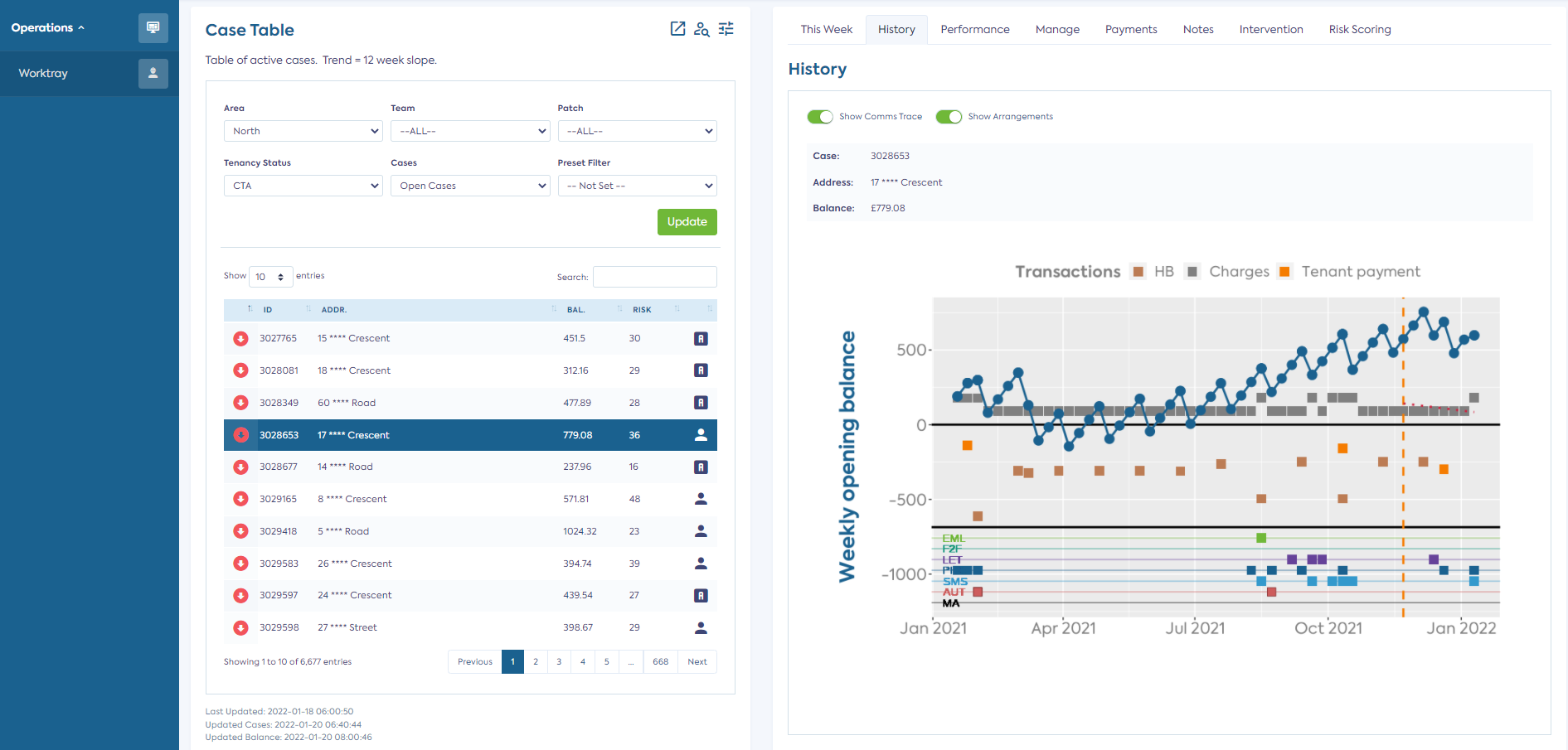

















Recent Comments