Can the seemingly intractable problem of delayed hospital patient discharge be solved by the creation of a single responsible body?
By Norman Niven, CEO at The Medication Support Company and former director at BUPA
What seems to be the problem?
Perhaps the biggest challenge facing the NHS is greater numbers of patients experiencing delayed discharge from hospital, meaning they are medically fit to leave but are unable to do so.
The impact of delays is especially acute when waiting lists are rising, A&E departments are overstretched, and the winter flu season is upon us. And because there are fewer available beds, planned procedures are also impacted.
Finally, there are many risks associated with longer stays; hospital-acquired infections, blood clots, muscle weakening, and pressure sores – to name a few.
While most will be discharged to their home, many require more formal support, often requiring resources from the social care sector – but here too there are pressures – growing demand, staff shortages, and under investment.
The NHS often cites lack of social care capacity as the primary reason for delayed discharge – but the problems run much deeper. It is a complex, disjointed process, exacerbated by a lack of resources, poor communication, confusing financial channels, and fragmented systems.
What can be done?
Here, we break down the various components of the system to see where responsibility lies, how funding works (or doesn’t), and examine the roles of the many players in this tangled ecosystem.
Could the answer be a single body with the sole responsibility for handling every aspect of the discharge process, and with a single source of funding that covers all the cost areas?
But, firstly, what is the scale and nature of the problem?
Stand by your beds
According to a piece on the Nuffield Trust website, from September last year, “The total number of patients who were ready to leave hospital but were delayed has increased by 43% from an average of 8,545 patients per day in June 2021 to 9,933 patients per day in June 2025. At its peak, in January 2024, there were 14,096 patients delayed in hospital.”
When a patient is medically fit but cannot leave, the reasons are classified as:
Hospital Process: Issues within the hospital’s control, such as awaiting medications, final tests, or transport.
Wellbeing Concerns: Concerns from the patient or family about safety, or delays in assessing mental capacity.
Care Transfer Hub Process: Delays in identifying the appropriate destination or funding.
Interface Process: Delays in coordinating care with external services (e.g. home care, social care).
Capacity: Shortages of available spots in community or long-term care beds, or lack of staff to provide home-based support.
As noted in a May 2025 blog on The King’s Fund website, capacity is the most common reason for delayed discharge, but that cannot be attributed to social care alone.
Who’s in (dis)charge?
Focusing on the relationship between the NHS and social care sector, and digging a little deeper into the systems that most directly impacted patient discharge, we firstly find Integrated Care Systems (ICSs).
ICSs and Integrated Care Boards (ICBS) are part of the NHS structure established by the Health and Care Act 2022. ICSs are the overall partnership, while ICBs are the statutory NHS bodies responsible for managing the budget and commissioning services.
So, for clarity, the body with overall responsibility for patient discharge is the ICB, which acts as the strategic lead, working with local authorities to arrange community support (for example, care packages) to get patients home safely and quickly.
But it’s not working, or at least not well enough, and that’s in part down to a lack of proper funding – or at least inefficient use of existing funding.
According to a July 2025 Blog by Dr Agnes Arnold-Forster on The Health Foundation website, “ICBs are facing cuts of 50% to their running costs.”
On a day-to-day basis, responsibility for discharging lies with a multi-disciplinary team, including the consultant/clinician (medical readiness), the discharge coordinator/case manager (logistics), nurses, social workers, and occupational therapists. A Care Coordinator often acts as the main contact.
With so many bodies involved it is not surprising to find friction, communication problems, and financial challenges.
Show me the money
Here are the key funding mechanisms around the discharge process:
The Better Care Fund (BCF) combines mandatory contributions from ICBs and local authorities. It is used for joint initiatives, with a significant focus on hospital discharge.
The Hospital Discharge Fund manages funds for ICBs and local authorities to pay for short-term care packages. This funding is now consolidated within the BCF.
Continuing Healthcare is for individuals with a primary health need; ICBs fund the entire health and social care costs, including personal care and accommodation in a care home.
So, there are multiple sources of funds, coming from various sources and channelled through various networks, but the management of all this adds a considerable overhead – and introduces complexity (for which read delays).
In the face of such complexity, the obvious response is to simplify. A single body, single source of funding, and a clear mandate for delivering optimally efficient patient discharge.
The good news is that this can be achieved within the current system, by improving existing mechanisms.
A new hope
Is it possible a new service, based on an equal partnership between the NHS and social care sector, with a direct, single source of funding, and with a mandate to implement best practice for patient discharge, could be the answer?
The key issue is who pays for a discharge service that requires the cooperation of the health and care sector bodies?
In a report by the BBC, Kerrie Allward, who acts as a policy lead for the Association of Directors of Social Services, said; “Councils often lack the funds to invest in integrated services that would support more timely discharge.”
The creation of a single ‘Health and Care Unified Discharge Programme’ could take advantage of the ICBs to define and implement this new service, which would be funded directly by government – with the health and care sectors being equal partners.
This may sound very good in theory, but some hospitals in North West England are already demonstrating what can be achieved with such a unified approach; patient discharge delays and hospital readmissions have been cut significantly.
In this case, the local ICB was not directly involved.
Conclusions
Making changes to a large, complex system is a major challenge, very often leading to unintended consequences.
The NHS is a textbook case; governments seem unable to resist tinkering, and the results of this over the past 50 years have not been encouraging.
The problems with hospital patient discharge serve to expose structural, systemic, issues within the service and the relationship it has with the social care sector.
Yet, simply by shining a light on these issues it is possible to see how existing structures, systems, and processes could be utilised to better deliver optimal patient discharge.
It looks like a tangled mess – one that has emerged by continuous tinkering and interference, short-term thinking, and patched-up solutions – but the undoubtedly exceptional talents in the NHS can be exploited to engineer a new way of working that is simpler, stripped back, made lean.
The new body would be ultimately responsible for ensuring every patient is discharged in a timely manner, to an appropriate destination, with all the necessary support measures in place.
This is necessarily a longer-term solution; it takes time to turn a tanker. But as everyone knows, making the easy choice now only leads to greater pain later – and vice versa.
About The Medication Support Company
The Medication Support Company offers a complete medication management service, from internet-based home communications systems to remotely lockable medicines cabinets.
Our trained and accredited pharmacy technicians can contact people at home to support them with their medication regimes, ensuring the right drugs are taken at the right time, in the right dosage.
This leads to an improvement in population health that ultimately saves time and money for the NHS and local authorities.
By Steve Rose, IMS Project Strategic Finance Lead at Somerset Council.
Steve Rose
When Somerset Council was formed as a new unitary authority, as part of the largest shake-up in local government in 50 years, five district councils became one. With that came the significant task of unifying systems, services and teams to ensure a smoother, more consistent experience for the people who rely on them every day.
To deliver reliable, accessible and transparent financial services for our communities, we needed to bring everything together under one roof. Consolidating five legacy payment systems was never going to be straightforward – each had its own technical architecture, reference structures and operational quirks.
Among the most urgent challenges were payments. Each predecessor council had its own payment systems, contracts and processes. This fragmentation not only created inefficiencies for staff but also made it harder for residents to make payments, and for us to track income in real time.
But in that complexity lay a unique opportunity: the chance to design a system fit for the future, not just a patchwork of the past. Our goal wasn’t simply to replace outdated systems, it was to build a unified payments infrastructure that would support a more connected council and, in turn, a better experience for residents.
From five into one
Time was against us from the get-go. With legacy contracts expiring in December 2024, we had just four months to implement a single income management platform. Success would mean more than just meeting a deadline – it would mean ensuring continuity of service for our 570,000 residents across the county.
After a thorough tender process, we assembled a focused internal team and worked with Access PaySuite to deliver the transformation on time and on budget. Holding daily stand-ups, twice-weekly reviews and a hands-on problem-solving culture kept momentum high and decisions fast.
When challenges arose, which they inevitably did, we met face-to-face to find solutions. That human connection was key to maintaining focus and trust, ensuring that service quality for residents was never compromised during the transition.
Where we once had multiple systems, suppliers and contracts, we now have one single point of reference for all income data across the council. Integration with Microsoft Dynamics 365 means every service area can access the same real-time financial information.
Reporting that once took days now happens in minutes, helping teams respond more quickly to issues, make better decisions and direct resources where they’re needed most. Ultimately, we freed our teams to focus on delivering efficient, equitable and responsive services for the people of Somerset.
Less admin, more impact
The real value isn’t in the technology itself, but in what it enables for the people using it every day and for the communities they serve. This wasn’t just a technical improvement; it was a cultural shift. Finance is no longer fragmented but unified, transparent and collaborative.
Many of the manual tasks that once consumed hours have been replaced with intelligent workflows that run quietly in the background. Teams now spend less time reconciling figures and more time improving services, from processing refunds faster to ensuring frontline teams have the resources they need to deliver.
Automation hasn’t replaced people, it’s empowered them. By removing repetitive, low-value tasks, we’ve given our staff the space to focus on work that truly makes a difference to communities. In local government, where every hour and every pound counts, that impact is profound.
We knew from the outset that aligning systems was only half the job, aligning teams and mindsets mattered just as much. We brought colleagues from across the former district and county councils together to co-design new processes, share best practice and build a shared culture of collaboration.
The result is more than a unified finance system; it’s a unified Council. A shared sense of purpose turned what could have been a complex IT project into a people-first transformation that has improved how we serve Somerset’s residents every day.
A foundation for the future
Looking ahead, our unified payments platform and data-driven insight mean Somerset Council can plan more strategically, respond more quickly and innovate with greater confidence, ensuring every pound collected and every payment processed directly contributes to better outcomes for residents.
This transformation has shown that when technology, people and purpose align, even the most complex challenges can become opportunities for lasting improvement. We are already building on that foundation, onboarding additional third-party tools and moving remaining payment types, such as chip and pin and legacy online payments, into the Access PaySuite platform.
For other Councils navigating similar journeys, the lesson is clear: unification isn’t just an IT upgrade, it’s an organisational strategy. The right technology enables it, but success depends on communication, collaboration and a shared commitment to delivering simpler, more seamless experiences for residents.
Cloudhouse research highlights public sector skills gaps and reactive technical debt as key factors shaping IT modernisation
New analysis from Cloudhouse, based on a survey of UK public sector IT decision-makers, reveals significant technical debt across government technology estates – and an urgent need for modernisation as AI adoption accelerates.
The Cloudhouse State of Technical Debt Report found that 7 in 10 (69%) government IT leaders say existing systems are currently hindering AI adoption. At the same time, 84% of public sector organisations continue to rely on existing Microsoft Windows environments, underlining the scale of transformation now required across government infrastructure.
Internal capability also remains a critical challenge. Three quarters (75%) of public sector organisations lack the skills needed to modernise ageing systems, while 53% say technical debt is still addressed reactively rather than through structured transformation programmes – reinforcing the need for practical, low-risk modernisation approaches.
“Government organisations need to modernise traditional systems while protecting critical services and maintaining audit confidence,” said Mat Clothier, CEO at Cloudhouse. “Cloudhouse provides the control and visibility needed to reduce transformation risk and ensure change doesn’t become a failure.”
Operational resilience and compliance are also shaping priorities. Half of government organisations report difficulties proving compliance during audits, while 78% experience configuration drift across their estates – highlighting the growing importance of continuous visibility and control as transformation progresses.
To see more findings from the Cloudhouse State of Technical Debt Report, click here.
Road safety is a national priority, yet the condition of the UK’s road network continues to contribute to tragic and avoidable loss of life.
Shockingly, 15 people die every single day on our roads as a direct result of poor conditions. Among the contributing factors, potholes remain one of the most persistent and dangerous issues – and failed ironwork is a key part of the problem.
According to industry data, 20% of potholes are caused by failed or sunken ironwork.
Whether due to inadequate seating systems, poor installation methods, or the sheer weight of modern traffic, ironwork that deteriorates over time leads to surface weakness, water ingress, and ultimately the potholes that are both a safety hazard and a financial burden.
Enter SHIMPAC®
A fully engineered system designed to eradicate the root cause, the SHIMPAC® system, ensures ironwork failures can be dramatically reduced – even eliminated.
Its patented ROADSHIMS® and GULLY COLLARS ™ deliver unmatched strength, longevity, and precision, ensuring ironwork installations remain intact and level with the surrounding surface. That stability not only prevents water from penetrating beneath the road surface but also removes the conditions that lead to pothole formation.
This means fewer hazards, smoother roads, and, crucially, fewer accidents.
By directly addressing the cause of one in five potholes, SHIMPAC® has the potential to reduce road-related fatalities by up to 20% in that category. That’s three lives saved every day – a powerful figure that underlines the system’s value beyond cost or convenience.
SHIMPAC® is more than an efficient engineering solution – it’s a step toward safer roads for all.
A fully compliant, proven system that lasts a lifetime, cuts disruption, and gives local authorities the confidence that their roads are built to withstand modern pressures and protect those who use them.
Barry Andrews, SHIMPAC®’s Technical Lead told us:
“When the right products are chosen at the beginning of a scheme, we’re not just saving budgets; We’re saving lives. It really is that simple.
“Roads that have deteriorated to a certain level go beyond simply being an inconvenience – they actually become a passive threat to safety and in the worst eventuality – to life.
“The fact that there is a solution to eradicate this threat from 20% of all potholes means that there is a choice to be made. We can reduce death on our roads. We can reduce accidents on our roads.
“Ultimately – if we truly want the pothole-related death and accident toll on our roads to reduce, that is something that can be opted for.”
Today, as the Government unveils its long-awaited SEND White Paper, education experts at Momenta Connect are calling for the Government to listen to responses to the white paper consultation and provide clear guidance on how we will build this brave new vision for SEND.
The SEND system in England is considered “broken” by many, with rising Education, Health, and Care Plan (EHCP) numbers, high costs, and significant pressures on local authority budgets. Last July, the Children’s Commissioner for England Dame Rachel de Souza sounded the alarm on the proliferation of unregistered alternative provision that she claimed was forming a “shadow SEND system” in areas where mainstream and specialist services are unable to meet spiralling demand. Fast forward to today, and vulnerable children are still being educated in some of the least regulated environments, as pressure on the SEND system shows no signs of abating.
Momenta Connect provides tailored support at every stage, from early diagnostic and therapeutic intervention, to school attendance support and multi-disciplinary programmes that help children re-engage with learning. Momenta Connect has welcomed proposals designed to keep more children with additional needs in mainstream education. The Government’s focus on earlier identification and improved access to support, reducing reliance on EHCPs, is welcome.
The White Paper pledges to move away from a universal statutory approach to supporting children with SEND. Instead, a four-tier approach will be adopted. Most children will receive SEND support at Tier 1 (whole-class teaching), Tier 2 (school-led targeted support) or Tier 3 (specialist-led targeted support), with EHCPs becoming Tier 4 plans, which will only be issued to children with the most complex and special needs.
Every child assessed to have SEND will be allocated an Individual Support Plan, even where an EHCP is not granted. This is to ensure greater transparency of accountability and consistency of provision across mainstream schools. To complement these changes, the Government has promised an additional estimated £3.8–£4bn in funding for SEND provision over the next few years. This funding will be used to bolster mainstream SEND provision, as well as early intervention and specialist services. Ensuring this money reaches frontline schools as quickly and transparently as possible will be vital if these reforms are to have any meaningful impact. With £200m funding promised for SEND Teacher Training programme and more expected, these proposals are still ambitious for schools and will take time to deliver.
Momenta Connect’s SEND specialist and clinical lead, Dr Kieran Lord, said:
“The vision set out by the Government today is exactly what the sector has been waiting for. Inclusion has got to be the ambition, but we must also be realistic about what it takes to get there.
Schools are under unprecedented pressure as they try to manage rising levels of neurodiversity, mental health needs, attendance issues and workforce stress. Throw into the mix ambiguous policy proposals and trying to re-engage the high numbers of pupils and parents who have been let down and lost trust in the existing education system, it’s a tall order. The rollout will need to be carefully managed, and how do we work to deliver SEND to the current cohort of children who are waiting for things to change?”
“The intention to reserve EHCPs for the most complex needs and to reassess plans at key transition points, such as the move from primary to secondary school, where needs can be effectively met without a statutory plan, represents a significant cultural shift. That will require clarity, workforce capacity and careful transition planning so families have confidence that support remains robust.”
“We need structured collaboration between mainstream and specialist settings, investment in early-intervention programmes, and better-defined routes for children to access specialist support without leaving their local school. As the SEND White Paper processes continue to roll out, we need to ask ourselves: where does the expertise exist to make this new approach a reality?”
With decades of experience in SEND, Momenta Connect partners with mainstream schools, families and local authorities to help children with SEND receive specialist support without having to leave their local area. Commenting on the White Paper, Emma Sanderson, Director at Outcomes First Group said:
“The proposals contained within the White Paper signal a clear recognition that our SEND system is in crisis. Whilst today’s legislation outlines a welcome shift in approach, echoing calls from specialists for greater inclusion and early intervention, there is a real risk that without specialist provision playing a key role in delivery, these ambitions will become another policy that’s difficult to decipher, let alone implement.
“As leaders with national expertise in both mainstream and specialist SEND provision, we’re hearing time and time again from schools that they want to and are committed to, helping more children with SEND thrive in mainstream settings. But they can’t do it alone. Schools need a way to bridge the gap between mainstream and specialist expertise and need access to specialist support without pupils having to leave their local area.
“The move to a tiered SEND framework has the potential to provide much-needed clarity. However, Tier 2 and Tier 3 support will only succeed if schools have meaningful access to specialist expertise. The proposed national ‘Experts at Hand’ service is a welcome step, but implementation details and capacity planning will be critical. The expectation that secondary schools develop dedicated inclusion bases provides an opportunity to formalise that bridge
between mainstream and specialist provision. Inclusion hubs should act as centres of expertise to bolster whole-school inclusive practice, rather than becoming siloed places.”
Following this period of consultation and prior to the White Paper becoming legislation, schools will have to bridge the gap between current practice and the proposed changes, while maintaining current standards for pupils. Momenta Connect will be hosting a series of free, drop-in webinars following the publication of the White Paper to break down key policy changes and share practical strategies to support children with SEND in mainstream schools.
The transfer of powers from Parliament to Cheshire and Warrington has been confirmed today, giving local people and leaders more control over the region’s future.
The Parliamentary Order to formally establish the Combined Authority has been approved and signed by Minister for Devolution, Miatta Fahnbulleh.
It means the Cheshire and Warrington Combined Authority is now officially established, and work will continue to prepare for the election of the region’s first Mayor in May 2027.
The Mayor and Combined Authority will have control over powers related to transport, skills and investment, including a 30-year investment fund worth £650 million.
Having a Mayor means Cheshire and Warrington will have a seat at the table on key northern, national and international platforms.
The Cheshire and Warrington Combined Authority will hold its inaugural meeting in April 2026. Its board will be made up of the leaders and deputy leaders of Cheshire East Council, Cheshire West and Chester Council, and Warrington Borough Council, before a Mayor is elected in May 2027.
Cllr Louise Gittins, Leader of Cheshire West and Chester Council, said: “Today is a landmark moment for Cheshire and Warrington, marking the transfer of powers from Westminster to our region. It’s a vital step on our devolution journey, establishing a Combined Authority before people can elect a Mayor in May 2027.
“The economy of Cheshire and Warrington is strong, and by making the most of what devolution offers, we can build on this platform. By having a Mayor, we can work alongside our neighbours in Greater Manchester and Liverpool City Region to unlock investment, jobs and opportunity for local people and businesses, and play a stronger role in creating prosperity across our region, the North and UK PLC.”
Cllr Hans Mundry, Leader of Warrington Borough Council, said: “In Warrington, we can see the transformative effect of investment and better public transport on a town’s outlook and opportunity. By increasing access to good quality jobs and improving skills, we have been able to develop one of the fastest growing local economies in the country. I am excited to see how devolution will help us to go further and faster.”
Leader and Deputy Leader of Cheshire East Council, CllrNick Mannion and Cllr Michael Gorman, said: “Devolution will bring a new approach to the region’s skills agenda and the opportunities we can offer to local people and businesses. We want to make Chesire and Warrington the best place for businesses to invest and find new talent, and give local people the opportunities to find work, improve their skills and thrive.
“We want to support the rural economy by developing transport links, promoting the dairy industry and making the case for digital connectivity. This will make our region an even more attractive place to live, work, invest and visit.”
Minister for Devolution, Miatta Fahnbulleh, said:
“This is a fantastic step for Cheshire and Warrington, marking a milestone in this government’s mission to shift power out of Westminster and into the hands of the people who know their communities best.
“With over £650 million in investment unlocked through devolution, I have every confidence that the region will go from strength to strength.
“Working alongside neighbouring Mayors and with a stronger voice on the national stage, Cheshire and Warrington is well-placed to deliver better jobs, better transport and real opportunity for its residents.”
Steve Purdham, Chair of the Cheshire and Warrington Business Advisory Board, said: “Cheshire and Warrington has been a real success story within the Northern economy and wider UK. We’ve been able to buck the trend nationally by embracing new growth opportunities and moving forward with ambition and drive for our region.
“Devolution is good business: it brings power closer to home, will help local companies grow and attract the talent and skills they need, and bring new investment into Cheshire and Warrington. We look forward to working with the new Mayor to unlock the potential of our people, places and businesses.”
Today’s announcement follows news in January that the Combined Authority has appointed former Chief Executive of Homes England, Nick Walkley as its Interim Chief Executive.
The Combined Authority Shadow Board has been working since October 2025 to establish the robust foundations needed for successful devolution, including approval of the region’s ambitious 20-year Sustainable and Inclusive Economic Strategy.
Photo: (L-R) Members of the Cheshire and Warrington Combined Authority Shadow Board – Cllr Nick Mannion (Leader of Cheshire East Council), Cllr Hans Mundry (Leader of Warrington Borough Council), Cllr Karen Shore (Deputy Leader of Cheshire West and Chester Council), Cllr Jean Flaherty (Deputy Leader of Warrington Borough Council), Cllr Louise Gittins (Leader of Cheshire West and Chester Council and Chair of the Shadow Board), Andrea Stott (Cheshire and Warrington Business Advisory Board), Dan Price (Police and Crime Commissioner for Cheshire), Cllr Michael Gorman (Deputy Leader of Cheshire East Council). Credit: Marketing Cheshire
The latest headlines surrounding Sir Keir Starmer and questions over appointments to the House of Lords have once again pushed vetting into the public spotlight. Political controversy will always generate noise, but beneath it lies a serious governance issue. If questions about due diligence and judgment can surface at the highest levels of government, then every leader – in every sector – should pause and reflect.
If it can happen at the top of government, it can happen anywhere. Leadership appointments are not administrative exercises; they are culture-defining decisions. Selecting the right people for senior roles and validating their experience, affiliations and suitability can be career-defining for those making the appointment. Conversely, getting it wrong can undo years of reputational capital in a single news cycle.
I have long argued that vetting is not simply about confirming employment dates or academic qualifications. It is the bedfellow of culture. The people we allow into positions of influence shape decision-making, team morale and ultimately organisational integrity. Toxicity does not remain neatly contained; it seeps outward.
The UK story does not stand alone. Across the Atlantic, a recent U.S. case involving an individual reportedly responsible for conducting federal background investigations, who was himself arrested in a prostitution sting, demonstrates that even those entrusted with safeguarding systems are not immune to misconduct. While the facts of each case differ, the underlying lesson is the same: governance frameworks must be robust, proportionate and defensible.
As Melissa Sorenson, Executive Director of the Professional Background Screening Association (PBSA), observes, “Whether we’re talking about senior political appointments or federal clearance investigations, confidence in institutions depends on demonstrable rigour.” She cautions against complacency in mature systems. “Risk indicators evolve – digital footprints, financial vulnerabilities, online conduct and increasingly sophisticated fraud techniques. Leaders must ensure their processes evolve just as quickly.”
Melissa Sorenson
That point is critical. Screening programmes cannot remain static while risk becomes more complex. One of the greatest enemies of good vetting is incuriosity. The moment an organisation stops asking probing questions, stops independently validating claims and begins to rely on reputation alone, it starts down a risky slope. Turning a blind eye, whether out of loyalty, convenience or political expediency, is rarely benign. It is often the first step towards crisis.
But strong governance is not simply about intensity; it is about proportionality. As Melissa rightly notes, effective screening must be appropriate to the role, the responsibility and the level of access an individual will have to people, data or financial systems. The checks applied to a senior investigator overseeing security clearances should not mirror those for a junior operational role. That is not a UK-US distinction, it is simply smart programme design. What matters is that organisations develop screening frameworks that are thoughtful, structured and defensible. No system, including government systems, is immune to bad actors. The aim is not perfection; it is resilience.
Another important distinction between the UK and U.S. contexts lies in cultural assumptions around data. In the U.S., information is often presumed public unless restricted by law. In Europe, the default position tends to assume privacy unless disclosure is permitted. Yet despite these differences, expectations are converging. Increasingly, there is an understanding, particularly in senior appointments, that scrutiny is not exceptional; it is standard. And it should be.
Vetting is not about suspicion. As Melissa puts it, “Screening is not about suspicion; it is about stewardship. Clear policies, independent verification and regular review of procedures are essential if organisations on either side of the Atlantic want governance that is resilient, ethical and worthy of trust.” I could not agree more.
This is not about outsourcing accountability. Responsibility for appointments always rests with leadership. However, leaders must recognise when specialist expertise is required and ensure that processes are regularly reviewed against emerging risks. A screening programme that was robust five years ago may now be insufficient.
When governance falters at the top, the consequences are rarely confined to the individual concerned. Employees question standards. Stakeholders hesitate. Public trust weakens.
The current controversy in Westminster, alongside events in the United States, should not be dismissed as isolated failures. They are cautionary tales. They remind us that screening must be consistent, proportionate and continuously improved.
If we want organisations that are ethical, resilient and trusted, we must resist complacency and design programmes that can withstand scrutiny. We may operate on different sides of the Atlantic, but in this respect we are more alike than different.
When vetting fails at the top, everyone feels the consequences.
Atos is the first organization in the world to hold dual Scopism SIAM Assured Status
Scopism, the worldwide SIAM community leader and professional body, has recently announced that Atos has been awarded Scopism SIAM Assured status in two categories; both as a SIAM Service Provider and as a SIAM Consultancy and Advisory Organization.
Scopism’s independent SIAM Assured program measures organizations against internationally recognized benchmarks of best practice and looks at capability, maturity, governance, people, processes and customer outcomes. By choosing to undergo the rigorous assessment required to achieve Scopism SIAM Assured status, organizations demonstrate their commitment to the delivery of excellence in service integration and continual improvement across multi-provider service environments.
The attainment of dual Scopism SIAM Assured status by Atos not only highlights its ability to deliver operational SIAM as a Service Provider but also its Consultancy Service offerings in assisting customers to advise, design, implement and operate mature SIAM models that deliver real business outcomes.
Harjit Gill, SIAM Director from Atos, said: “Atos is delighted to receive Scopism SIAM Assured status as both a SIAM Service Provider and as a SIAM Consultancy and Advisory Organization. This is a great achievement for the team and demonstrates the breadth and depth of our SIAM expertise across Atos. For Atos, SIAM goes beyond vendor management. It focuses on delivering end-to-end services aligned to business outcomes. Our approach puts people first, creating a high-performance environment where teams collaborate effectively, drive transformation, and deliver consistently, building lasting customer trust and measurable value.
Claire Agutter, Director at Scopism said: “I am thrilled to announce that Atos has been awarded dual Scopism SIAM Assured status as both a SIAM Service Provider and a SIAM Consultancy and Advisory Organization. Many congratulations to the whole team at Atos and thank you for all your hard work preparing for the assessment.
“Atos are the first organization globally to be awarded two formal accreditations from the Scopism Assured program. We are extremely proud to have such a leader in our community demonstrating their SIAM capabilities and we look forward to continuing to work with them as SIAM best practice evolves.
The Atos assessment report confirms the assessor’s view that, following the rigorous assessment process, “We were impressed by the comprehensive nature of the evidence provided. Every question was answered with both standard services offering information as well as customer reference citations, which described how the service was used in the real world.”
Accredited suppliers bring an added layer of assurance to businesses, reducing the risk of operational disruptions and ensuring consistency in quality and performance. Partnering with suppliers that have undergone accreditation offers organizations a clear advantage: these suppliers adhere to industry-wide standards, ensuring products and services meet or exceed expectations. This minimizes the chances of failure, delays, or quality issues. Accreditation also enables businesses to trace performance across their supply chain, ensuring consistency from raw materials through to finished products or services. This not only enhances transparency but also ensures that every link in the chain is accountable, reducing the likelihood of unexpected failures.
Claire Agutter, Director at Scopism said: One of accreditation’s most significant advantages is its simplification of the due diligence process. Vetting new suppliers can be time-consuming and resource-intensive, but accreditation acts as a pre-screening process, assuring organizations that the supplier has met recognized industry standards.”
With rising living costs, heating homes is not always easy for every household and fuel poverty is now sadly heard on a regular basis.
Ordnance Survey (OS) has analysed 23.6 million homes across Great Britain. With over 600 million data features, the OS NGD provides trusted, authoritative insight into Britain’s buildings, including age, construction material, roof structure and solar panel presence. The data was used to identify trends and compare the physical characteristics of homes using a heat index to assess how easy they are to heat, and which households might be more vulnerable when temperatures drop.
This analysis aligns with the government’s recently announced £15 billion Warm Homes Plan, which aims to help millions of families benefit from energy-efficiency improvements, save households hundreds of pounds on their energy bills, and reduce fuel poverty by 2030. This insight provides useful evidence for targeting retrofit investment, particularly insulation and solar installations, and could help local authorities and homeowners identify where energy efficiency improvements would have the greatest impact.
The analysis considered three key building characteristics:
· Connected homes – Properties with shared walls, such as terraced or semi-detached homes, retain heat better than detached houses.
· Period of construction – Older properties built before 1960 are less likely to have cavity walls, insulation or double glazing.
· Construction material – Homes built with more insulating materials lose heat more slowly.
Initial analysis suggests that urban areas generally have a lower heat loss risk. This could be influenced by factors such as the urban heat island effect, higher ambient temperatures, and denser, often newer housing stock. In contrast, OS data indicates that coastal and remote areas tend to be harder to heat.
Local Authority Districts in northern Scotland and Wales have the highest average heat loss scores. Na -h-Eileanan an Iar (Western Isles) has the highest average score of 1.30, while Stevenage in Hertfordshire has the lowest at 0.26. Across Britain, most Local Authority Districts fall between 0.8 and 0.95, with around 6% scoring 1 or higher.
Additional factors also play a role. In Cornwall, the predominance of traditional granite built homes can make insulation more challenging. Coastal areas in Wales and Scotland also have a higher proportion of detached properties – 29% in Wales and 32% in Scotland – meaning every wall is exposed to the elements. In the Scottish Highlands, older stone houses often lose heat through poor insulation, ageing windows and doors.
While these details are based on general characteristics rather than OS data, they help illustrate why some areas face greater heat retention challenges.
In London, boroughs such as Tower Hamlets rank among the easiest to heat, likely due to a high proportion of flats with shared walls, modern construction standards, and fewer pre-1960 buildings. In contrast, Harrow is among the hardest to heat, largely because of its high number of standalone properties and older housing stock.
Homes built post 1960 generally benefit from cavity walls, better insulation and double glazing. Building regulations introduced in the mid 1960s required insulation, with standards tightening significantly since then. As a result, newer homes typically require less energy to heat and are less prone to damp and condensation.
New towns such as Milton Keynes and Stevenage are among the easiest to heat, reflecting their largely post-1960 housing stock. Stevenage has the lowest heat index overall and the highest proportion of post-1960 homes, while Basingstoke and Deane also has a relatively low heat index due to more recent development.
Using OS data, it is possible to identify south facing rooftops suitable for solar panels, as well as areas with high or low existing solar uptake. In South Cambridgeshire, 14% of residential properties already have solar panels installed. Solar panels work throughout winter because they rely on daylight rather than temperature, although shorter daylight hours do reduce output. This insight could enable faster renewable adoption, help reduce energy bills, and guide efficient investment into retrofit programmes.
Andy Wilson, Government Services Lead, Ordnance Survey, commented: “OS already plays a central role in supporting national and local government through the Public Sector Geospatial Agreement, which provides free, at the point of use access to authoritative geospatial data. Our data can support government and local authorities to reduce fuel poverty, identify where heat networks are most viable, and help build 1.5 million new, energy efficient homes.”
OS is already supporting the delivery of low‑carbon heat networks and government heat decarbonisation ambitions. This includes a partnership with Arup, appointed in 2024 by the Department for Energy Security and Net Zero (DESNZ), to identify and develop heat network zones across England, underpinned by OS data.
Conclusion
By applying OS NGD building attributes to create a heat index, it is possible to visualise where homes are most at risk of heat loss. These insights can help target retrofitting, insulation upgrades and renewable investment, supporting warmer homes, lower energy bills and more effective decision making across Britain.
Fusion21 has announced the renewal of its national Grounds Maintenance Framework, worth up to £85 million over four years, and is now inviting bids from interested suppliers providing regional or national coverage.
The national procurement specialist is seeking competent firms operating in the public sector, including SMEs, to support its members in delivering grounds maintenance services across outdoor spaces of any scale, from green spaces and communal areas to external sports surfaces and play areas.
Offered as a single lot and now in its fourth iteration, the framework is suitable for all Fusion21 members, including housing providers, local authorities, education, blue light and the NHS.
From routine upkeep to seasonal tasks, it covers hard and soft landscaping services, such as arboricultural work, hedges and shrubs, cleaning and waste management.
Peter Francis, Group Executive Director (Operations) at Fusion21, said: “Set to launch in June 2026, our renewed Grounds Maintenance Framework makes it easier for members to maintain and improve outdoor spaces while delivering social value you can see.
“The framework is fully compliant with the Procurement Act 2023, and members accessing this offer will benefit from value for money and a fast route to market with flexible call-off options – including the ability to direct award.”
Tender applications are welcome from suppliers that meet the criteria set out in the tender documentation. To find out more and apply, visit fusion21.co.uk/tenders and click on ‘Current opportunities’.
The submission deadline is Wednesday 4 March 2026 at 12 noon.
Following the announcement of a national collaboration with the Greek government, Sword Intelligence is bringing AI-led triage, care coordination and access operations to help the UK tackle waiting lists and access pressure.
Sword Intelligence has launched in the UK and Europe to bring AI-led care operations designed to help healthcare providers improve access, manage demand and reduce delays across care pathways, as the NHS faces sustained pressure from growing waiting lists and constrained capacity.
Sword Intelligence safely applies artificial intelligence directly to large-scale care operations, including triage, care coordination, outreach, scheduling and follow-up. By automating non-clinical workflows, the company helps hospitals manage demand more effectively, free up clinical capacity and improve patient outcomes without significant additional workforce or infrastructure investment. The platform is designed to meet data sovereignty, cybersecurity and interoperability standards, integrating within existing NHS workflows and IT environments, including electronic patient records.
The organisation is now supporting the development of one of Europe’s first AI-powered healthcare “front doors” in Greece for a population of around 10 million citizens. The initiative integrates AI into triage and care coordination with the aim of expanding clinical capacity and improving response times at national scale.
Sword Intelligence was originally developed to solve the critical operational challenges faced by Sword Health, a global healthcare company that has been pioneering AI-enabled care delivery for more than a decade. After proving its impact internally, fundamentally changing how the company runs care operations, these AI capabilities are now being made available externally to governments, health systems, and payors in the US and across several European countries.
Dr Mark Ratnarajah
Built on the foundations of Sword Health, Sword Intelligence draws on deep, real-world experience operating at scale. Sword Health operates across three continents, supports 22 million patients worldwide, holds multiple patents related to digital care delivery, and has enabled tens of millions of AI-supported care sessions across multiple clinical pathways.
In the UK, Sword Health already works at scale across 20 NHS Trusts in 5 ICB regions, enabling community-based digitally enabled care pathways in musculoskeletal care, pain management, women’s health, mental health and, with the acquisition of Surgery Hero in 2025, surgical and oncology prehabilitation. Sword has already this year further expanded its European presence with the acquisition of Germany-based Kaia Health for $285 million, reinforcing its position as the fastest growing digital health provider at scale across key European markets.
A dedicated UK-based senior leadership team has been established to accelerate engagement with NHS organisations and address urgent supply-and-demand challenges, particularly around access and waiting lists. The team includes Dr Mark Ratnarajah, Clinical Director of Special Operations, and Selina Sachar, Head of Partnerships. Dr Ratnarajah is an experienced co-founder with a 30-year track record spanning NHS clinical practice, health technology, entrepreneurship and leadership, and has worked extensively with NHS providers and Integrated Care Boards to tackle waiting lists. Ms Sachar brings more than a decade of experience driving healthcare technology initiatives in the UK, with a focus on addressing systemic challenges through intelligent SaaS solutions.
Dr Mark Ratnarajah said: “AI dominates conferences and board conversations, but real impact is achieved at the operational level. Sword Intelligence focuses on applying responsible AI to the most pressing challenges facing the NHS – particularly access and waiting lists – at scale. Rather than selling limited point solutions, we work with health systems to build exactly what they need, grounded in how care is actually delivered.”
Selina Sachar added: “With large-scale projects underway in Europe, UK healthcare providers are engaging with us to understand how we can co-create practical solutions to their most persistent bottlenecks. There is a significant opportunity to apply AI in areas of UK healthcare that have so far been underserved by technology.”
Sword Intelligence’s focus in the UK includes supporting first response in the community and enabling faster access to specialist hospital care for patients who need it. Central to this is a modular intelligence platform, combining proven AI capabilities that can be rapidly assembled, tested and deployed, allowing healthcare providers to build bespoke, responsible AI agents tailored to their needs.
The 10-year health plan outlined earlier this year intends to make the NHS ‘digital by default’ and central to the overhaul will be the roll out of an NHS App tool which will read real-time data from wearables, biometric sensors or smart devices.
According to one Government source: “This Plan will take the NHS from the 20th century technological laggard it is today, to the 21st century leader it has the potential to be.”
Now one expert in the health technology solutions space has come forward to unveil a new and enterprising proposal he believes could be a gamechanger for the NHS.
Steve Sanghera is the CEO and Co-Founder of Inventus, a British company immersed in the life sciences space and one which provides bespoke tech solutions to meet the unique needs of clinical trials.
Launched five years ago, Inventus is now a successful global exporter and works with some of the biggest pharmaceutical companies in the world.
It is this expertise and success that has allowed Steve to see that the NHS needs to push further and harder with its plans to digitise.
And central to its rollout is a ‘Digital Health Ecosystem’.
So, what will this mean for the NHS, what will it look like & why is it needed?
The NHS faces the same tech challenges as the clinical trials industry – digital acceleration is key
Says Steve: “I know first-hand how fundamental data is to allow better and logical decisions to be made when it comes to health and patient care. And when you start looking at the NHS and the complexities of how it’s structured with all its different facets, from managing GPs, hospital appointments, to care homes and care workers, it’s a Digital Health Ecosystem that is needed to join up all the dots.
“But it’s important to remember, creating a digital ecosystem for the NHS is complex. If it was easy, it would have been done already.
“Various experts will have a different view; interpretation of what it looks like. For me, it will be based on the area of expertise that Inventus has. The technology challenges faced by the NHS are similar, if not the same, to the ones experienced by the pharmaceutical companies we support.
“Clinical trials are complex, involving multiple people, systems and data flows. Success depends on the technology infrastructure as much as the science itself.
“Innovative technology that can be sewn into existing NHS platforms and accelerates and streamlines logistics through integration, improves patient experience through seamless connectivity across the NHS and leverages AI responsibly to create neighbourhood networks are the components I believe create a successful Digital Health Ecosystem.”
Prevention rather than cure
Explains Steve: “The use of wearables, which has already been outlined in the digital plan unveiled by the NHS, is vital to supporting the outcomes of a Digital Health Ecosystem and creating a prevention rather than cure attitude towards the NHS.
“The data we have access to as a result allows us to get to know the person before they become a patient. This is instrumental when creating a preventative health focus which moves the NHS from reactive treatment to proactive prevention and early intervention.
“A Digital Health Ecosystem also allows for access to information across the board – from wearables (which could provide information on sleep patterns, blood pressure for example) to medical records, treatment plans whether that’s from a GP, or a dietician.
“What this then creates is a holistic picture of an individual which allows for a more detailed plan to be created which can focus on preventative care and allow for steps to be put in place to prevent someone from becoming ill in the first place.
“Technology will be crucial in order to do this and specifically bringing in technology that can help assess from the start and is end-to-end.”
Strengthen communities
Using a Digital Health Ecosystem to build communities is a key driver of Steve’s vision.
He explained: “It will support the transition from hospital-based care to community and neighbourhood-led models of support.
“But let’s look at how you build communities – it’s through better communication and the most used tool in the world for doing this is a mobile phone.
“Creating messaging and discussion forums allow for shared experiences and create a sense of community.
“Technology also gives you the opportunity for the community to start within your house and a Digital Health Ecosystem then allows for a ripple effect to ensue so that this then extends to street and then your neighbourhood.
“A key component to this is data and the joining up of the dots to highlight people who have health and lifestyle similarities who can support one another. Considered and careful use of AI and technology allows this to happen.
“This is an exciting time for the NHS and a journey Inventus is keen to be part of.”
Councils name top eight barriers to EV charging rollout
Charge point operator (CPO) Believ says new report shows more advice and training should be signposted to local authorities and that administrative delays hindering the LEVI tendering process need addressing.
Local authorities say constrained budgets and slow access to government funding are the biggest barriers to installing public electric vehicle (EV) charge points, according to a new national survey.
The research, based on responses from 101 local authorities across England, Wales and Scotland, found that 75% cite pressure on council budgets as their main obstacle to expanding public EV charging.
Nearly two thirds (63%) say central government funding is a barrier, while 42% say logistical and delivery challenges, including grid capacity and site constraints, are holding projects back.
The findings come despite rapid growth in the UK’s charging network, with nearly 88,000 charge points installed across over 45,000 locations. But local authority-led deployment continues to play an essential role in this growth, and is crucial to ensuring coverage in residential areas, smaller towns and rural communities, and for drivers with no driveways or means to privately charge their vehicles. However, progress is being threatened by complex funding processes, administrative delays and infrastructure constraints.
The survey results are published in ‘Accelerating the UK’s EV future’, the latest Local Authority Insight Report produced by charge point operator (CPO) Believ.
The report ranks the main barriers to EV charging point installation as follows:
Top barriers to EV charge point installation
Budgetary issues (council budgets): 75%
Budgetary issues (government funding): 63%
Logistical/delivery challenges: 42%
Low EV ownership/local demand: 31%
Public sector procurement challenges: 17%
Lack of siting guidance: 16%
Regulatory constraints: 12%
Resident reticence: 11%
Resourcing was cited as a key reason causing local council budget pressures. Local authorities will, therefore, be greatly anticipating the rollout of the £200 million additional capability funding, announced in the Autumn 2025 Budget, that will fund more dedicated EV Councillors.
When asked to comment on the Local Electric Vehicle Infrastructure (LEVI) funding, 71% of councils overall and more than three quarters (78%) of rural and semi-rural councils stated a preference for more direct and targeted access to funds, while 43% want greater local say in budget decisions.
Encouragingly, three-quarters of UK councils now have formal EV charging plans, up from two-thirds in the previous insight report, and the majority have issued or are about to issue tenders to charge point operators. With numerous LEVI contracts now signed with CPOs, the first of which was with Suffolk County Council and Believ, the hope is that 2026 will see a significant uplift in the LEVI charge point rollout. Only 12% of local authorities do not expect to complete their planned rollout by 2030.
Guy Bartlett, Believ CEO, says the latest report shows that to accelerate the positive progress we have seen in local authorities’ EV charging infrastructure rollouts, we must address known barriers:
“The report is the only piece of research of its kind, talking to more than a quarter of local authorities, directly to the Councillors responsible for the EV charging rollout. And as such, we must act on the results,” he says.
“The clear and urgent priorities of unlocking funding, streamlining processes, expanding and signposting guidance must be addressed. The responsibility for this lies in tandem with the charging industry and government – with the right partnerships, the UK can build an EV charging network that works for everyone.”
Believ’s fully funded, end-to-end proposition empowers local authorities to accelerate charge point deployment, overcome financial and logistical barriers, and ensure no community is left behind in the UK’s drive for cleaner air for all.
Phoenix Software is proud to reflect on a successful year of fundraising in 2025, with a series of events and challenges raising significant funds in support of St Leonard’s Hospice.
The highlight of the year was Race for a Reason, a four-day challenge inspired by the BBC TV show Race Across the World. In July, 30 Phoenix employees were split into 10 teams of three and set out across the Benelux region – navigating Belgium, the Netherlands and Luxembourg using public transport and their wits to reach a series of checkpoints and complete mystery tasks along the way. Their goal was not only to make the journey but to strategise and earn points for the difficulty of stops they chose, combining problem-solving, endurance, and teamwork with fundraising for St Leonard’s Hospice.
Each team was responsible for raising funds in advance and during the race, with friendly competition across three categories: fastest adjusted time, most funds raised, and highest social engagement online. By the end of the challenge, the collective efforts of all teams saw over £20,000 raised for St Leonard’s Hospice, with Team Legacy finishing with the best adjusted time after scores were calculated.
Alongside Race for a Reason, Phoenix staff continued to support St Leonard’s throughout the year with smaller, employee-led initiatives. These included marathon relay events, endurance challenges, internal raffles, charity race days, and staff-led fundraising initiatives, all of which helped keep momentum going throughout the year and encouraged wider participation across the business. Altogether, these activities raised a total of £25,469.52 for St Leonard’s Hospice in 2025.
“We’re incredibly grateful to everyone who got involved in fundraising throughout 2025,” said Rachel Pickering, the head of the Charity channel at Phoenix. “Across the year, people gave their time, energy and creativity in many different ways, from taking on personal challenges and team events to supporting colleagues through local fundraising activities. While the amounts raised are important, what matters most is the generosity, teamwork and shared commitment shown in support of St Leonard’s Hospice and the work it does.”
St Leonard’s Hospice provides free specialist care for people with life-limiting illnesses and their families, with only a small proportion of its funding coming from the NHS. The funds raised through Race for a Reason and other activities in 2025 will help support its ongoing ability to deliver compassionate, person-centred care.
Work-related stress is causing over four million lost working days per year in the public sector, with an overhaul of staff training needed to fix the problem, according to new analysis by Forbes Solicitors.
Ridwaan Omar
The government’s latest Employer Skills Survey shows that employers in education, health and social work, and public administration are the most likely in the UK to have provided staff with training during the past 12 months. However, all three sectors are experiencing the UK’s highest rates of work-related stress, depression or anxiety.
Recently published HSE data shows above-average numbers of public sector workers reporting health issues caused by undue pressures and demands placed on them at work.
The rate of public administration and defence sector employees reporting work-related stress, depression or anxiety stands at 3.5%, while it ranks at 2.8% in human health and social work activities, and is 2.6% in the education sector. This compares to an average of 2% across all industries.
Each person suffering stress, depression or anxiety took an average 22.9 days off from work during 2024-2025, according to the HSE. Analysis by the Public Sector Division at Forbes Solicitors’ shows this could be causing 4.2million* lost working days throughout the public sector per year, despite the willingness of organisations to invest in training to support staff.
Ridwaan Omar, a Partner and Head of Regulatory at Forbes Solicitors, commented: “Public sector employers should be commended for prioritising staff training, but also be mindful that current approaches might be doing more harm than good. Organisations may believe they have solutions in place, like training, to address work-place stress, but the data shows this isn’t working and risks compromising an employer’s duty of care to protect staff health and wellbeing.
“It’s alarming the three sectors (education, health and social work, and public administration) which rank top for providing staff training, are also the same three sectors experiencing the highest levels of work-place stress, depression or anxiety. There’s a clear disconnect here and an overhaul of training is required to ensure it is fit for purpose and meeting the needs of workers.
“Employers may want to revisit workplace risk assessments to effectively determine triggers of stress and to inform the development of training programmes that effectively support staff. This could help organisations to fulfil their legal duty under the Health and Safety at Work etc. Act 1974 to protect to protect employees from work-related stress and mental health risks.”
*4.2million lost working days based on:
ONS data shows 6.18million employees in the public sector – source.
Mean rate of 2.97% of public sector workers reporting work-related stress, depression or anxiety. This is based on a mean calculated across 3.5% (public administration), 2.8% (human health and social work) and 2.6% (education).
2.97% of 6.18million = 183,546 employees.
183,546 x 22.9 days off work for work-related stress, depression or anxiety = 4,203,203.4 lost working days.
References:
Government’s Employer Skills Survey, published 25th July 2025 – link
HSE, Work-related stress, depression or anxiety statistics in Great Britain 2025 – link
HSE, Working days lost in Great Britain in 2024/25 – link
Critical service adopts the latest Laboratory Information Management System (LIMS) to support the transfusion laboratory testing and distribution of blood components and blood products for the population of ABUHB
The Blood Transfusion service at Aneurin Bevan University Health Board has gone live with Clinisys™ WinPath in a first of type deployment in Wales.
The service is a long-standing user of Clinisys Laboratory Information Management Systems (LIMS), but its LabCentre LIMS had reached end of life.
Clinisys worked with ABUHB to make sure the latest version of its LIMS would support local workflows, culminating in the launch of Clinisys™ WinPath 2023.3 late last autumn.
Stacey Wetherell, haematology department manager, said: “Clinisys is the leading LIMS in the UK, and we knew that other laboratories were using it with the software that we use to remotely issue and track blood and blood products.
“We serve four hospitals, but we only test blood transfusion samples on one site, so integration with our tracking system was vital for us.”
“Clinisys committed to further developments and enhancements to incorporate the required NHS Wales workflows, and following much testing we took WinPath version 2023.3. Now, we have a modern, robust, and future proof solution that has been well-received by our staff and is good for our patients.”
The latest release of Clinisys™ WinPath not only supports NHS Wales’ unique requirements but also delivers enhanced functionality that can benefit blood transfusion laboratories across the whole of the United Kingdom.
Jennifer Summers, blood transfusion laboratory manager, thanked the health board staff for their help in the extensive testing that was required to adopt the new system.
“The go-live was very smooth,” she said, “but that was a testament to the extensive testing that was carried out prior to go-live (over 120 separate test scripts) and to the training package that the laboratory developed following the Clinisys superuser training. Staff have taken to the new system really well. It’s very user-friendly and we’re confident it has given us a great platform for the future.”
Simon Hoad, pathology directorate manager, said “The Blood Transfusion IT system at ABUHB had reached end-of-life, requiring a secure replacement to ensure patient safety and support clinical needs. The project team successfully delivered the new system within exceptionally tight timeframes, exceeding expectations.”
Aneurin Bevan University Health Board is a key organisation in South East Wales. It provides its services through a number of hospitals and health centres, including The Grange University Hospital in Cwmbran. The Grange has a state-of-the-art laboratory that was built and equipped just five years ago and handles centralised transfusion sample testing, blood issuing and the onward distribution of blood and blood products for the whole health board.
Clinisys undertook development work to make sure Clinisys™ WinPath could handle the way blood stock orders are receipted from the Welsh Blood Service. As a result, it now has a LIMS that can support Welsh requirements.
Jennifer Summers said other benefits of Clinisys™ WinPath over earlier systems are that it is Windows rather than character based, which means it has the same user interface as other, modern IT systems.
“The use of user-definable rules adds flexibility that our previous LIMS had limited scope for. These rules help guide users through the steps they need to take for different tests and scenarios. This improves efficiency and reduces errors,” she said. Quick guides were developed by the laboratory for the deployment project to provide additional support to staff.
Dr Sarah Lewis, consultant haematologist and laboratory lead, said: “WinPath has streamlined our laboratory processes, delivering results that support timely clinical decisions. Its strong data management and audit capabilities enhance patient safety. ABUHB now has a reliable, efficient system that truly provides a robust and future-proof transfusion service which supports improved patient care.”
Craig Hayes, head of domain for blood transfusion at Clinisys, said: “We were delighted to work on this project, which was a true collaboration with the health board. On our side, there was some development work to be done, so we worked closely with them to make sure their needs were met.
“We were also impressed by their approach to testing, which undoubtedly contributed to the smooth go-live and adoption of the new system. Now we have developed our system to support Wales, it is undoubtedly something that other health boards could consider, subject to the roll-out of the national solution.”
While governments can’t afford to mimic the startup model entirely – nor should it with the margin for error far narrower – what they can and should do, argues Dr Jon Rimmer, Chief Experience Officer at Mercator Digital, is borrow key traits to improve innovation
Right now, governments are under a huge amount of pressure to match the pace of innovation seen in the startup world; whether that’s rolling out new tech, delivering more responsive public services, or making decisions more quickly.
But the comparison only goes so far. Unlike startups, governments operate under intense public scrutiny, face strict accountability for every penny spent, and have to work through any political fallout if things go wrong.
That in itself is a huge challenge, not least because innovation, by nature, involves risk and even a degree of failure (as many as 90% of startups fail). Add to this the high-stakes world of government digital transformation – where services must be secure, scalable, and citizen-focused – and it’s easy to understand why governments look to big, established systems integrators (SIs) to handle their tech projects. The problem, however, is that the traditional delivery models commonly used here often carry the weight of hierarchy and red tape, stalling innovation.
Take the NHS Test and Trace (NHST&T) initiative as a key example. While much of the underlying technology needed to make the system work already existed, complex structures and layers of approval slowed progress and huge costs. Large SIs were awarded major multi-million pound contracts, often with minimal competition.
Despite this, and a total budget that ended up rising to some £37 billion over two years, the project ended up seeing a series of well-documented setbacks. Meg Hillier MP, Chair of the Public Accounts Committee, said: “Despite the unimaginable resources thrown at this project, Test and Trace cannot point to a measurable difference to the progress of the pandemic, and the promise on which this huge expense was justified – avoiding another lockdown – has been broken, twice.”
It highlights a clear challenge: a default to large SIs and complex hierarchical delivery models, even in cases where smaller, more agile innovators might have delivered faster, cheaper and more responsively.
What needs to change
With examples like Track and Trace still fresh in the public’s memory, and digital transformation now central to public sector reform, partnering with SMEs directly or borrowing the startup-style way of thinking could offer a solution. Here’s why:
SMEs often compete for government work on merit, not legacy relationships, which makes them hungry to prove themselves
Many embrace open-source technologies and reusable components, aligning with Government Digital Service (GDS) principles around interoperability and avoiding vendor lock-in
Lower overheads and leaner teams mean they typically offer better value for well-defined projects
SMEs thrive on speed, unburdened by layers of internal governance, which is perfect for a digital environment that favours test-and-learn approaches and agile delivery
Often founder-led or comprising smaller teams, working with SMEs tends to result in close-knit, more personal relationships with senior experts (such as AI and data analytics, user research, service design, or legacy system integration). Here, issues are spotted early, ideas flow freely, and decisions get made fast.
Despite their strengths, SMEs still often face hurdles when working with governments, from complex procurement processes and large-scale delivery expectations, to tight security requirements. As such, the right commercial support – frameworks like G-Cloud or Digital Outcomes and Specialists (DOS) – must be considered by government teams. The key is to design delivery models that support learning (not perfection) and that fit the project, not the other way around.
It’s also wise to use SMEs for discovery phases, quick-turnaround services, or specialist components of larger programmes. Or better yet, design workstreams that allow them to lead. From there, you can expand on what’s proven to work, which is a much easier way to secure buy-in within the government.
And finally, even if not working directly with an SME, governments can take a leaf out of their playbook by empowering their own internal teams and giving them the autonomy, ownership, and clarity of purpose that a small business thrives on.
More than a seat at the table
Thankfully, we’re already seeing much of the above take hold within the UK Government. Last year, for example, it adopted a ‘test and learn’ culture to tackle public sector challenges, including six- to twelve-month secondments of specialists from technology companies. Earlier this year, that same approach also saw a ‘start-up mindset’ introduced to test AI applications and scale successful experiments.
It’s certainly a positive step in the right direction. But whether governments bring in SME expertise directly, or borrow key traits from the way they operate, if we want public services that are genuinely user-centred, cost-effective, and future-proof, it’s time to give these smaller, agile innovators even more influence – not just a seat at the table.
Emergency departments and minor injury units across Northern Ireland are now benefitting from AI that helps clinicians accurately and efficiently identify bone fractures – deployed rapidly and at scale through Sectra Amplifier Services.
Sectra Amplifier Services, provided by Northern Ireland’s enterprise imaging partner Sectra, enables healthcare organisations to integrate AI tools directly into their existing imaging workflows. Using the service, the region’s Business Services Organisation (BSO) Northern Ireland Picture Archiving and Communication System (NIPACS+) Programme has rolled out BoneView, a fracture detection algorithm developed by AI firm Gleamer, across all five of the region’s geographic Health and Social Care (HSC) Trusts.
The deployment follows a successful trial in the Northern Health and Social Care Trust, where evaluation showed the algorithm helping busy ED professionals read x-rays more accurately, with more clinicians delivering correct diagnoses first time for patients.
Fractures can sometimes be missed from x-rays that are read in emergency settings, resulting in patients being recalled once images go on to be reported by specialist radiologists and radiographers.
However, clinicians in the emergency department using the AI recorded a significant increase in diagnostic accuracy, with the AI helping to reduce both reading time and errors in detecting acute fractures, effusions and dislocations.
The BSO in partnership with Digital Health and Care NI (DHCNI) commissioned Sectra to provide the complete enterprise imaging solution for NIPACS+. The region-wide AI deployment is first to take place in the NIPACS+ Programme, one of the UK’s largest integrated diagnostic initiatives.
Dr Anton Collins, consultant radiologist and SRO of the NIPACS+ Programme, said: “We’ve closely studied how our ED clinicians have benefitted from this innovative use of AI. This has helped to increase accuracy in the emergency department to a similar level seen in radiology. The result: fewer missed fractures, improved clinical decisions, enhanced care, and fewer patients being called back. As we expand the tool across all Trusts, we are supporting staff in delivering the right diagnosis for patients first time. This is not replacing radiologists or radiographers; it is an important way to help busy healthcare teams deliver efficient and effective care.”
NIPACS+ has been providing diagnosticians and clinical teams with a single point of access for medical images across multiple disciplines, and has been modernising how radiology, pathology, and other diagnostic services within HSC can collaborate and better harness imaging technology for patient care.
Joanne Allison, BSO NIPACS+ Programme Manager and co-chair of the Regional Medical Imaging Board AI subgroup said: “Deploying a regionalised AI application is another major milestone for the NIPACS+ Programme, one we are keen to build on. The RMIB AI subgroup is currently identifying need and assessing potential benefits for other medical imaging-related algorithms which will also be deployed through NIPACS+, and our enterprise imaging supplier Sectra.”
Further uses for AI already being explored could aid in areas including chest x-rays and digital pathology, where potential exists to help clinicians detect diseases and cancers sooner. Once assessed, NIPACS+ will be able to achieve similarly rapid deployment. Sectra Amplifier Services allowed Northern Ireland to deploy at pace with BoneView, with due diligence on AI tools available in the service already complete. Sectra, which is also Northern Ireland’s enterprise imaging solution provider, managed contractual, integration, and technical components of the deployment, allowing the AI to scale as needed, and releasing Trusts to focus on assessing clinical merits and effectiveness before it is used in supporting patient care.
The implementation of BoneView is now anticipated to have widespread benefits – and is expected to help clinical teams in the examination of more than 300,000 bone x-rays a year.
Health Minister Mike Nesbitt, said: “This technology is already making a difference to how efficiently and effectively our emergency departments and minor injury unit clinicians can treat patients. With missed fracture rates decreasing significantly, the project is delivering real-time benefits to patients. I’m excited about the potential this project has to improve and streamline workflows, enhance diagnostics and most importantly, improve patient care.”
Jane Rendall, UK and Ireland managing director for Sectra, said: “Northern Ireland is a genuine pioneer in integrated diagnostics at-scale. NIPACS+ is a global exemplar in bringing together diagnostic images as an enabler for transforming how services can work together. It remains a privilege to continue to support the programme, one which I know personally is inspiring and informing how diagnostic services in other parts of the UK can modernise.”
Back and neck pain are often framed as inevitable features of modern life, an individual inconvenience rather than a collective challenge. Yet new evidence shows that spinal health has become one of the UK’s most significant, yet under-recognised, public-sector issues. Affecting nearly one in five adults, spine-related musculoskeletal (MSK) conditions are now a major driver of NHS demand, workforce inactivity and widening health inequalities. The scale and persistence of this burden demand a coordinated response from government, healthcare systems, employers and local authorities alike.
Musculoskeletal conditions remain among the most prevalent long-term health problems in England, with back and neck pain the leading contributors. Spine-related conditions account for up to 30 per cent of GP consultations, placing sustained pressure on already stretched primary care services. The economic consequences are equally stark. More than 30 million working days are lost each year due to MSK problems. At the same time, work-related MSK disorders alone affect over half a million workers annually, resulting in millions of lost working days.
Crucially, this is not a short-term or self-correcting problem. Since 2019, the number of people economically inactive due to long-term sickness has risen sharply, with back and neck pain consistently cited among the leading causes. Once individuals leave the labour market because of chronic spinal pain, return rates are low without coordinated clinical and occupational support. This creates a cycle of reduced participation, lower productivity and increased welfare dependency.
Spine health underpins almost every aspect of daily life, from mobility and independence to work, caring responsibilities, and social participation. When spinal function declines, people reduce movement to avoid pain. Over time, this leads to muscle deconditioning, greater instability and heightened pain sensitivity, a vicious cycle that drives chronic disability.
For the public sector, the implications are profound. In healthcare, delayed access to physiotherapy and rehabilitation increases chronicity, repeat GP appointments and demand for imaging and pain management services. In employment, spinal pain fuels both absenteeism and presenteeism, with productivity losses often exceeding those caused by sickness absence alone. In social care, loss of mobility and independence among older adults increases reliance on formal and informal care networks.
Viewed through this lens, spinal health is not simply an orthopaedic issue; it is a determinant of national capability and economic resilience.
The rise in spinal disorders reflects significant changes in how people live and work. Sedentary behaviour has emerged as a major, modifiable risk factor. Evidence now shows that spending more than six hours a day sitting increases the risk of developing chronic back pain by around a third. Prolonged sedentary leisure time, particularly television viewing, is causally linked with disc degeneration, sciatica and cervical spine disorders.
Hybrid and home working have increased these risks, as, they have reduced incidental movement, such as commuting and walking between meetings. Many home workspaces lack ergonomic design, and long periods of uninterrupted sitting have become normal. Importantly, research suggests that it is not posture alone that causes harm, but prolonged immobility. Regular movement and posture change are far more protective than striving for a single “correct” sitting position.
For policymakers, this has clear implications. Sedentary behaviour is not merely a lifestyle choice; it is embedded in transport systems, workplace norms and digital design. Treating it as a population-wide prevention issue, on a par with smoking or poor diet, represents a major opportunity to reduce future spinal pain and disability.
The UK’s ageing population adds another layer of urgency. Millions of people are living with osteoporosis, leading to hundreds of thousands of fragility fractures each year. A substantial proportion are vertebral fractures, many of which go undiagnosed and are misattributed to “ordinary” back pain.
These fractures are far from benign. They cause chronic pain, loss of height, spinal deformity and reduced independence, and they significantly increase the risk of further fractures. For employers, fragility fractures among working-age adults already cost tens of millions of pounds annually in sickness absence, a figure set to rise as the workforce ages.
From a public-sector perspective, the universal implementation of Fracture Liaison Services (FLS) and proactive vertebral fracture assessment are among the most cost-effective interventions available. Where FLS models are fully operational, re-fracture rates fall, and long-term care costs are reduced. Yet coverage remains inconsistent across the UK.
Spinal pain does not affect all groups equally. Women consistently report higher rates of chronic back and neck pain than men, reflecting a combination of biological factors, occupational exposure and unpaid caring responsibilities. Socioeconomic deprivation is an even stronger predictor. People living in the most deprived areas are more than twice as likely to report long-term MSK pain as those in the least deprived areas.
These inequalities are reinforced by differences in work conditions, access to early intervention and the built environment. Manual and care-related occupations carry higher physical demands and fewer workplace adjustments, whilst communities with limited green space, public transport infrastructure and affordable exercise facilities provide fewer opportunities for protective movement.
For local authorities and integrated care systems, this underscores the need for place-based strategies that link health improvement with urban planning, transport and employment policy.
The evidence points to a clear conclusion – the UK’s spine-health burden is not inevitable, but it will continue to grow without coordinated action. Three priorities stand out.
First, sedentary behaviour must be included within national prevention frameworks. Clear public messaging, such as encouraging people to stand and move every 30 to 45 minutes, should be reinforced by workplace standards, media campaigns and active travel policies.
Second, community MSK services must be treated as core prevention infrastructure. Early exercise-led intervention reduces chronic pain, and long-term work absence. Scaling up first-contact MSK
practitioners in primary care and shortening waits for physiotherapy would deliver both health and economic benefits.
Third, bone health must be a priority through universal FLS coverage and systematic screening for vertebral fractures. As the population ages, preventing spinal fragility will be central to maintaining independence and controlling future care costs.
Spine health offers a powerful lens through which to view the UK’s broader health and productivity challenges. It sits at the intersection of ageing, work, inequality, mental health and physical inactivity. Improving it does not require high-tech solutions, but consistent, evidence-based policy that makes movement easier, intervention earlier and prevention universal.
For the government and the public sector, the message is clear. Protecting spinal health is not simply about reducing pain; it is about safeguarding the nation’s capacity to work, care and thrive. A healthier spine is the backbone of a healthier, more resilient UK.
The Principality of Liechtenstein has awarded its High Priority Ka-band radio spectrum filings to the space mission company, Open Cosmos, enabling it to build and operate its new sovereign LEO broadband satellite constellation.
The spectrum rights, which are an important geo-political asset for Europe, marks a significant step forward in the company’s quest to develop independent, resilient space-based communications and data processing infrastructure, for the world.
Hubert Büchel, Minister of Home Affairs, Economy and Sport of Liechtenstein, says: “This decision underscores Liechtenstein’s commitment to making use of the frequencies allocated to us. We are pleased that, through this filing, with Open Cosmos, we are putting them to good and effective use.”
The UK Government was fully supportive of Open Cosmos’ quest to be awarded these scarce filings. Space Minister Baroness Liz Lloyd said: “This is fantastic news for Open Cosmos and for the UK’s thriving space sector. Securing these valuable spectrum filings is a testament to British ingenuity and ambition, and I’m delighted to see a UK company leading the way in building reliable satellite communications systems for the future.
“With the potential to create hundreds of highly skilled manufacturing and engineering jobs at their Harwell facility, this project demonstrates exactly how our space industry is delivering real opportunities for people across the country while cementing the UK’s position at the forefront of the global space economy.”
The company has had a 100% success rate launching telecom, earth observation and scientific satellites for over a decade, and, following the award of these filings, is now applying this expertise to satellite connectivity and communications. This will be a unique offering that ensures government, enterprise and institutional users, across Europe and beyond, to truly understand critical situations on Earth in real-time management and for quick decision making.
Rafel Jordá Siquier, Founder and CEO of Open Cosmos, said: “Securing these Ka-band Liechtenstein filings is a defining moment for Open Cosmos, as we gain an invaluable opportunity to realise and achieve Europe’s space ambitions and true potential. With our full-stack approach to satellite design, manufacturing, launch and continued operation, we will be quick to deploy and will see our first satellites go up in the coming weeks.”
Open Cosmos, which already provides its full range of services to governments in the UK, Portugal, Greece and Spain, will launch its first two satellites of this new constellation in Q1, 2026. These satellites have been manufactured at Open Cosmos’s headquarters in Harwell, Oxfordshire, with teams across Spain, Portugal and Greece contributing to the programme.
Rocket Lab, one of the world’s leading launch providers, is confirmed as launch partner, with lift-off scheduled from Mahia, New Zealand.










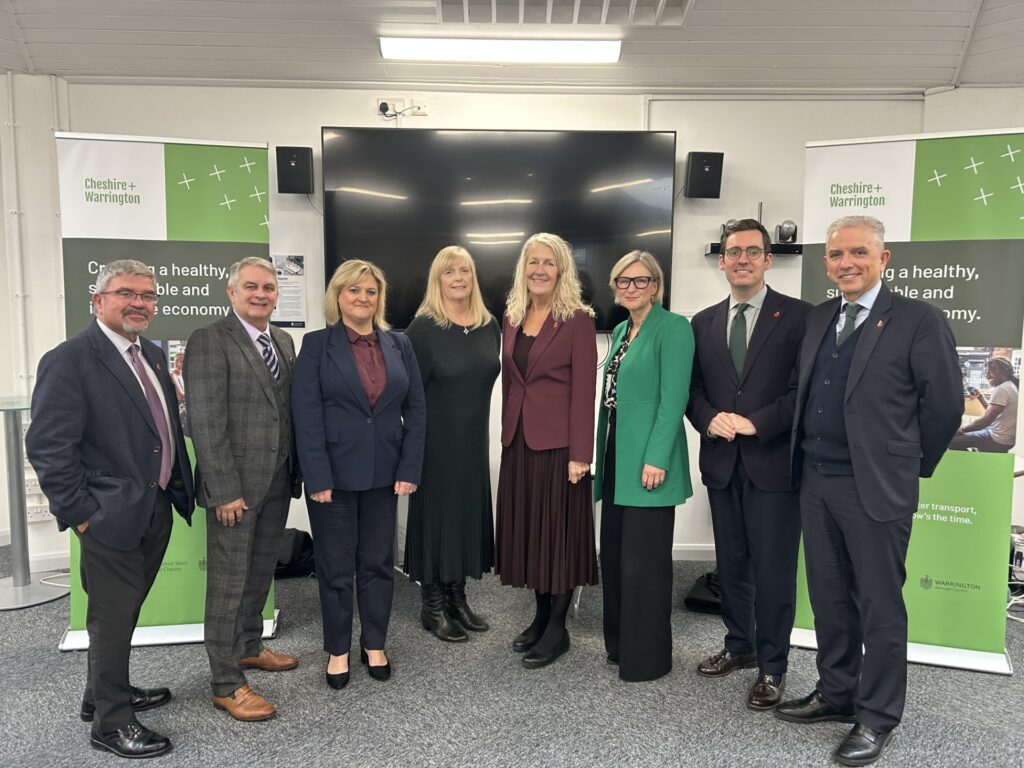




















Recent Comments