Nicola Haywood-Cleverly takes up the reins at the expert panel, as Ben Argo brings a fresh perspective to the group that advises on health tech growth
The appointments come as Highland expands its Elevate showcase initiative as the NHS accelerates the shift from analogue to digital
The Highland advisory board has welcomed a new chair and a new member. Nicola Haywood-Cleverly, an experienced non-executive director and board-level specialist in digital transformation, has taken the reins at the expert panel.
Nicola Haywood-Cleverly
While Ben Argo, an accessibility consultant and lead governor at Bristol NHS Foundation Trust, has joined the group to provide a new perspective on its discussions and the guidance it provides to the health tech growth agency and its clients.
The appointments have been made as Highland expands the Elevate health tech showcase initiative to take health tech direct to trusts for a full day of engagement, as they prepare to accelerate the 10-Year Health Plan’s shift from analogue to digital.
Nicola Haywood-Cleverly said: “I am thrilled to be taking on the role of chair for such an amazing group of people. I joined the Highland advisory board six years ago, after co-founding Tech4CV19, a volunteer movement that wanted to make sure digital could play the best role possible in addressing the challenges presented by Covid-19 especially for smaller and local community organisations.
“The board has been a great place to continue the conversation about how we can make sure health tech contributes effectively to the development of health and care.
“I am really looking forward to helping to shape its agenda as the NHS moves into a new phase of reform. Plus supporting Highland to develop initiatives that truly serve health and care providers like Elevate, which is a refreshing approach engaging trusts and suppliers in how health tech can support services, staff and patients.”
Ben Argo
Ben Argo said: “The biggest thing I bring to everything I do is my lived experience. Growing up, I relied on the NHS and mental health services a lot. But my background is technology. So, since Covid I have combined the two by focusing on digital accessibility.
“I have spent the past six years of my life working across the Bristol region to champion accessibility and to make sure that where services are delivered in the digital space, they are inclusive and work for everybody – staff and patients alike.
“I think the Highland advisory board is another perfect blend between providers and the digital sphere. It brings a select group of people together from the NHS and industry and I am looking forward to some really good discussions about what can be done if we put our minds to it.
“That’s particularly important when there is so much change on the agenda, with the 10-Year Health Plan and the left shift from analogue to digital. The shift is essential, and we must get it right.”
Highland is an established strategic growth partner for organisations working in the health tech sector and helps innovators succeed in a complex, changing market. Its Elevate health tech showcase series is a collaborative venture with NHS trusts and industry partners that takes curated services, products and innovations direct to hospital sites.
Each showcase provides a full day of engagement with staff all levels, from the c-suite to IT and operational teams and, critically, frontline professionals.
Ben Argo supported the last Elevate health tech showcase at Bristol NHS Trust, which launched its digital strategy. He said: “It was a great day and I had some amazing conversations.
“The biggest benefit for an NHS trust is that you can get frontline staff there. You could never do that with a national conference, because you would have to pull them away from their jobs, for a whole day, and cover their costs.
“With Elevate, people can pop in over lunchtime or at the end of their shift, try things out, and provide invaluable feedback to their organisation and the suppliers that want to work with it.”
The Highland advisory board is comprised of current and former NHS and ICB chief information officers, chief nursing officers, clinicians, radiologists and social and community care experts as well as individuals that hold senior positions at leading health tech organisations.
New chair Nicola Haywood-Cleverly started her career in engineering, and has worked in education, local government, and the police, as well as the NHS, where she was both a trust and system CDIO. She is a lifelong advocate for carers, and for empowering patients and giving them and their families a voice. Nicola believes Ben will be a hugely valuable addition to the advisory board.
She now owns a community interest company that provides digital transformation services, and holds non-executive director posts at NHS trusts, within the housing sector and in industry.
Ben Argo did a degree in web design and ran his own web design company, before pivoting to digital accessibility. As lead governor of Bristol NHS Foundation trust, he leads a council of 29 governors and provides independent scrutiny and assurance of its work.
Mark Venables, chief executive of Highland, said: “We would like to thank our former advisory board chair, Jeremy Nettle, for his work and input, which was based on years of experience at Oracle and Lockheed Martin, at techUK, and at his home trust in Salisbury.
“We would also like to thank Nicola Haywood-Cleverly for stepping up at a fascinating time for healthcare technology, and to welcome Ben Argo, who will provide a different perspective, based on a deep commitment to accessibility and making sure that digital services work for everybody.
“We look forward to hearing more of their views as they help us to understand the complex but exciting health tech sector and to develop the Elevate health tech showcases as the programme expands over the rest of 2026 and into 2027.”
Growing fire safety leader Fire Aware is challenging those responsible for upholding best practice across multiple sectors – stand up and be counted for the public.
Fire Aware CEO Gavin Skelly says those who adopt the highest standards of best practice should be proud of their stance as opposed to those who still cut corners.
He said: “There is a growing demand from the public and decision-makers in the supply chains to meet and exceed fire safety requirements. The Building Safety Act references competence and what it means in terms of knowledge, qualifications and skills.
“However, the public doesn’t know what competence looks like technically and neither should they be expected to, but they have a right to expect reassurance that they are safe moving around in our towns and cities.
“Best practice every time should be the norm but it is still isn’t and we will continue to demand the highest standards technically and morally to ensure that people and the buildings they inhabit are safe.
“The public has a right to know they are protected by the actions and behaviours of those duty holders responsible for putting fire safety into place including those who procure products and services, install them and assess them.
“But if we are to change culture, we must shift the market to provide the public and the supply chains with an identity of that responsible provider. Providing the consumer with a choice to make about their service provider’s behaviour is surely as important as identifying their technical ability when people’s lives are at stake.
“Our own Fire Aware members commit to a Code of Conduct and our specific charters which take the safety process beyond legislation and abide by them. This is a vocation, not a job, and we should not forget that.
“That means following the codes and legislation and even exceeding them to ensure the public can sleep at night with peace of mind. We still come across instances where safety has been breached by cutting corners to save money. We need commitment and transparency in the way that companies and responsible people do business when safety is at risk.”
Skelly emphasised that the fire safety principles are relevant to any sector which relies on best practice including the retail industry, hospitality, stadia, healthcare and the public infrastructure.
Dame Judith Hackitt – who led the Grenfell Inquiry – has called for cultural change through moral and ethical behaviours, recently supported by the new independent Building Safety Regulator (BSR) that was created to ‘promote competence and higher standards.’
The BSR sits at the heart of the government’s mission to create safe communities, support economic growth, and deliver 1.5 million high-quality homes for residents. Its role is part of the drive to advance building safety and restore confidence in the safety of people’s homes.
Fire Aware is a recognised membership body serving the built environment and related sectors with a common aim to work and trade responsibly to all best practice standards in the interests of the safety of the general public.
The Water Jetting Association is to hold its next trade show at one of the UK’s premier sporting venues – giving companies involved in the water jetting industry the opportunity to meet and do business.
WJA Trade Show 2027 will take place at Newbury Racecourse on Friday 25th June 2027. It is a new venue that will allow a major expansion of external displays of Britain’s biggest and most powerful water jetting machines.
WJA Chairman Lee O’Callaghan said: “We’re excited to give our members and other businesses a unique commercial opportunity to meet potential new customers and show them the important services they deliver and equipment they supply.
“It’s the only event in the UK dedicated to promoting the water jetting industry and is the place where contractors, service buyers, training providers and industrial bodies can do deals and shape the future of our industry.
The association is hosting WJA Trade Show 2027 at Newbury Racecourse because it provides excellent outside space for exhibitors to display larger items of equipment and water jetting vehicles.
Lee O’Callaghan explained: “We’re expanding the external display area in response to requests from equipment suppliers, who want to show off their latest equipment, and contractors, who value being able to look at different kit in one place before they make a decision to buy.”
The move to Newbury Racecourse comes after WJA hosted two successful trade shows at StoneX Stadium in North West London, in 2024 and 2025.
WJA Trade Show 2027 remains free to attend and there is free parking for visitors and exhibitors. As one of the UK’s premier horseracing venues, visitors and exhibitors will also benefit from Newbury Racecourse’s high quality facilities.
The internal trade show space is located directly beneath the main stand, with 23 exhibition stands.
The external display area is in front of the main stand, right next to the track finish line, with spaces for 15 exhibitors, over 50% more than at the last trade show.
WJA Trade Show 2027 is expected to attract exhibitors promoting all types of water jetting, including drain jetting, high-pressure and ultra-high pressure water jetting and pressure washing.
Water jetting applications across every industrial sector will be on show, including drainage, water utilities, oil and gas, petrochemicals, industrial cleaning, construction and maritime maintenance.
The previous two WJA Trade Shows also attracted visitors with many different roles across a wide range of industries, including business owners and directors, contract managers, equipment buyers, safety specialists, and service specifiers.
Exhibitors and visitors who attended WJA Trade Show 2025 were impressed by the experience.
James Coverdale, Head of Sales at CCTV equipment manufacturer iTouch Systems, said: “We were busy all day, with a lot of interested visitors stopping at our stand. We got some strong leads. It’s been a very good day for us.”
Exhibitor Bucher Municipal is a manufacturer of municipal vehicles, including drainage jet vac tankers. Its UK Sales Manager, Mark Robson, said: “We’ve met new customers. It’s been an ideal opportunity to show drainage contractors they can take the next step from a van pack to our CityFlex combination unit.”
Show visitor Michael Ward, Director of water jetting specialist MW Services, said: “I want some new nozzles and there are some good suppliers here. It’s good to see faces and look at the products in person.”
Ben Thorne, Franchise Business Manager at drainage company Dalrod UK, said: “I’ve had good conversations with equipment suppliers. There was new technology I was also glad to see. It made for a productive day.”
WJA Trade Show 2027 will also allow the WJA to promote important developments, including the launch of the new WJA Code of Practice, which has replaced the association’s previous three codes.
The WJA will also be showcasing its City & Guilds-accredited training programme, which now has new non-water jetting courses, including Drain CCTV, Gutter Cleaning, and Remote Structural Repair.
WJA Technical Manager Gordon Taylor said: “Our trade shows are invaluable opportunities for us to engage with exhibitors and visitors to promote safety and further our aim of supporting our members and the highest standards across our industry.” View the WJA Trade Show 2027 brochure: waterjetting.org.uk/wp-content/uploads/2026/08/WJA-Trade-Show-2027-Brochure-1.pdf
Electric vehicle (EV) charge point operator (CPO) Believ marked World EV Day on the 9th September by offering free EV charging and information at Newby Place in Tower Hamlets to help showcase the benefits of transitioning to EVs. From 10am to 4pm, Believ engaged with the local community and set up beside a local charger, offering a free charging session to drivers. The Believ team were on hand to answer questions about EV charging and explain how Believ’s growing local network can support residents, commuters, taxi drivers and businesses.
Believ recently announced the first live charging locations in its partnership with Tower Hamlets Council, a fully funded rollout of more than 70 rapid and ultra-rapid chargers across 35 sites in the borough. The first 17 chargers are now live, with Newby Place among the locations supporting convenient residential charging for drivers who may not have access to off-street parking or a means to privately charge their vehicles
Tower Hamlets is a densely populated borough and a major route for traffic travelling from the northeast and east. With 93%* of homes lacking off-street parking, accessible public charging will play an important role in helping more residents make the transition to EVs.
Guy Bartlett, CEO of Believ, said World EV Day is an opportunity to show how accessible, convenient EV charging can support communities and help make cleaner air for all a reality:
“We were pleased to meet with residents and drivers at Newby Place, where we were able to answer practical questions, introduce people to the local network and celebrate the progress being made through our partnership with Tower Hamlets Council.”
Most mornings, my working day begins at my mother’s kitchen table. I open my laptop, respond to emails and take calls for my property management business. At the same time, I might be arranging a prescription, preparing for an appointment or dealing with one of the unexpected situations that come with dementia.
My mother is 87 and living with the condition. I am 61, running and growing a business while helping to care for her. Like many people in this position, I do not always think of myself as a carer. I am simply a son doing what needs to be done.
That is one reason World Alzheimer’s Month matters. Held every September, with World Alzheimer’s Day taking place on 21 September, it encourages greater understanding of Alzheimer’s disease and other forms of dementia while challenging the stigma surrounding them. It should also prompt us to recognise the enormous contribution made by family members who provide unpaid care alongside their jobs.
Dementia does not respect diaries, deadlines or working hours. You cannot always plan for a parent becoming confused, distressed or suddenly needing help. A quick trip to the pharmacy can turn into several hours of phone calls and appointments. You may be trying to concentrate on a meeting while wondering whether your parent is safe.
The practical demands are only one part of it. There is also guilt. When I am working, part of me feels I should be doing more for my mother. When I am caring for her, I am conscious of the calls I have not returned and the decisions waiting to be made. It can feel as though neither part of your life is receiving your full attention.
This experience is not unique to business owners. Employees across every sector are balancing work with caring for parents, partners and other relatives. Some will speak openly about their responsibilities, while others may not use the word “carer” at all. They may also worry that telling their employer will affect how committed or capable they are perceived to be.
Research from Carers UK shows the consequences this can have. Thirty-five per cent of working carers have reduced their hours, while 21% have accepted a lower-paid or more junior role that fits better around their caring responsibilities. Behind those figures are experienced people whose skills, confidence and financial security may be gradually eroded, not because they want to stop working, but because work and care have become increasingly difficult to reconcile.
Employers can make an enormous difference. Compassionate management, flexible hours, the ability to work remotely where appropriate and understanding when an emergency occurs can help people remain productive without feeling they must hide what is happening at home. Sometimes, simply being able to have an honest conversation removes a significant source of stress.
However, employers cannot provide the entire answer. Public-sector organisations also have an important role to play by making support easier to understand and access. Carers often find themselves dealing with GPs, hospitals, pharmacies, adult social care teams and care providers, repeating the same information and trying to coordinate services that do not always connect easily.
Many of the people navigating these systems are also trying to hold down jobs or run businesses. Clear information, joined-up communication, flexible appointment options and early access to carers’ assessments and respite services can reduce the burden considerably. Public services are already supporting families in extremely difficult circumstances, and building on this work can help more carers remain economically active and protect their own wellbeing. But how can we support carers to make it easier?
Here I share some practical ways to support people who work and care:
· Make it easier to speak openly: Employers can encourage people to discuss caring responsibilities without worrying that it will damage their career prospects.
· Offer practical flexibility: Flexible hours, remote working and temporary adjustments can help carers manage appointments and unexpected emergencies.
· Create a clear carers’ policy: Employees should know what leave, flexibility and workplace support are available before they reach crisis point.
· Train managers: A supportive manager who understands the unpredictable nature of dementia can make a significant difference.
· Improve signposting: Employers and public-sector organisations can connect carers with assessments, respite care, financial guidance and local support services.
· Make services easier to navigate: Clear information, joined-up communication and flexible appointment options can reduce the time and stress involved in arranging care.
· Protect carers’ wellbeing: Carers should be encouraged to take breaks, maintain their own routines and ask for help before exhaustion becomes burnout.
· Recognise that every family is different: Dementia affects people in different ways, so meaningful support should always begin by listening to what the individual carer needs.
Working is very important financially and mentally to many people, including me. It provides income, purpose and an identity beyond caring. I do not want to be defined only by my mother’s dementia, just as she should not be defined solely by her diagnosis. Maintaining routines, staying active and continuing to grow my business all help me manage an unpredictable situation.
This World Alzheimer’s Month, we should recognise that supporting unpaid carers is a shared responsibility. Employers, public services, families and communities all have a part to play. With greater understanding and practical support, people should not have to choose between earning a living and caring for someone they love.
SITA launches SITA Border Flow Lane, a new border processing solution that turns years of progress in traveller data and intelligence into a new border experience
The future of border control no longer has to happen at the border. SITA today launched SITA Border Flow Lane, a new border processing solution that turns border control from a stop-and-check process into a data-driven, pre-clearance and move-through experience. Instead of stopping at a gate, kiosk, or officer checkpoint to present a passport, travellers are verified before they depart and upon arrival, as they move through the immigration hall.
For decades, border agencies have invested in technologies that answer three fundamental questions earlier and with greater certainty: Can this person travel? Who are they? What does their journey tell us?
The result is border clearance up to eight times faster than traditional border control eGates, helping trusted travelers keep moving while allowing border officers to focus on the cases that need closer attention.
Border Flow Lane is the latest innovation, resulting from our decades of experience helping governments use quality passenger data and intelligence earlier in the journey. It transforms years of progress in digital border management enabling a new operational model where border decisions increasingly happen before arrival, making physical stops the exception rather than the rule.
Today, more is known about a traveller before they board a flight than at any point in history. The question is no longer whether border authorities have the information they need to take the right decisions. The question is: if those decisions can already be made before a traveler arrives, why should every traveller still have to stop and present documents at the border?
“The aviation industry cannot build its way out of every capacity challenge”, said Pedro Alves, Senior Vice President of Borders at SITA. “Traveller demand changes constantly, but airport infrastructure doesn’t. The opportunity is to make better decisions before travellers arrive, helping trusted travellers keep moving while creating more capacity from the infrastructure already in place. Stopping becomes the exception, not the rule.”
For border officers, that changes where their attention is needed. More than 75% of travelers can be cleared before departure, so officers spend their time on the important cases that need a closer look. They keep the ability to stop anyone at any point, with a fuller picture of who is arriving and why.
For airports and border agencies, it creates capacity in a different way. Every traveler who keeps moving instead of stopping frees up space for the next traveller. More travellers can move through existing immigration halls, reducing pressure on infrastructure and helping airports accommodate growth within the space they already have.
The operational impact extends beyond faster processing. Border Flow Lane is designed to improve throughput without compromising security, privacy, traveler choice or government oversight. Travellers choose to enroll and use authorized biometric data, while border agencies retain full control of identity verification and border decisions. We make sure efficiency does not come at the expense of trust.
For travelers, the outcome is simple: less stopping, fewer interruptions and more time getting where they want to be.
Growing fire safety leader Fire Aware says the only way to achieve cultural change is for organisations large and small to recognise that the public are relying on their moral approach for their safety.
Fire Aware CEO Gavin Skelly says the duty holders in multiple sectors affected by fire safety legislation should raise their own standards of best practice to meet and even exceed legal requirements.
Skelly said: “Our own members are proud to commit to a Code of Conduct and our specific charters which take the safety process beyond legislation. This is a vocation, not a job, and we should never place other corporate drivers before that.
“As we continue to seek methods to improve fire safety in the post-Grenfell era, we all need to commit to taking actions and changing behaviours. This includes the way we procure products and services, how we install fire safety equipment and materials and how we assess safety in our buildings.
“The public has a right to know they are safe as they inhabit and move about our buildings in large cities and towns. This includes shopping malls, hospitality venues, stadia, healthcare buildings and public infrastructure.
“This applies to any sector which has a responsibility to protect people as part of its remit, and committing to meeting that responsibility is key to progress.”
Dame Judith Hackitt – who led the Grenfell Inquiry – has called for cultural change through moral and ethical behaviours, recently supported by the new independent Building Safety Regulator (BSR) that was created to ‘promote competence and higher standards.’
Skelly said all of those involved in the design, construction, management, maintenance and letting of the built environment also need to understand that they have an obligation to fire safety even if their business is not directly connected with fire specialisms.
Fire Aware continues to focus on the moral responsibility of all those working in the fire safety supply chain including designers, developers, asset owners, managers and other stakeholders.
It aims to change the culture of the built environment sector with its moral Code of Conduct via a series of charters designed to influence how member companies behave in upholding their duty of care.
Fire Aware is a recognised membership body serving the built environment and related sectors with a common aim to work and trade responsibly to all best practice standards in the interests of the safety of the general public. See www.fireaware.org.
Leading food services and facilities management company Sodexo has been approved onto the Government Commercial Agency’s (GCS) new RM6378 Facilities Management & Security Services framework.
The national framework, which replaced both the RM6232 Facilities Management & Workplace Services and RM6257 Security – Physical, Technical & Support Services frameworks earlier this year, enables selected suppliers to bid for public contracts.
RM6378 represents £120 billion of public procurement funding, covering a range of Total Facilities Management (TFM), Hard Facilities Management (Hard FM), Soft Facilities Management (Soft FM), Guarding Services and Security Services, such as catering, cleaning, waste management, security, asset and building maintenance, and care and custody services, among others.
Part of The Procurement Act 2023, the framework is available to all UK public sector bodies to easily access services from a range of trusted suppliers who have already gone through a procurement process to assess the quality and prices of services.
Individual users of the framework can tailor requests to match their social value and sustainability priorities.
This award follows the UK Government recently announcing changes to the weighting of £90 billion worth of public contracts, prioritising local community value and creating opportunities for young people over other criteria.
Paul Anstey, Chief Executive Officer (Government & Energy) at Sodexo UK & Ireland said: “We’re delighted about the continued trust and confidence in Sodexo as a strategic supplier that being approved onto this framework represents. For more than 30 years, we have developed a strong track record delivering a wide range of services and added value to the communities and people we serve across the UK in partnership with Government.
“Looking ahead towards eight more years of collaboration, our team is relishing the opportunity to build on our reputation as a trusted partner by continuing to bring expertise, skills, and passion to the services we provide across the Government sector.”
For more information on Sodexo please visit: uk.sodexo.com
The first 17 chargers are now live in Electric Vehicle (EV) charge point operator (CPO) Believ and Tower Hamlets Council’s rollout of more than 70 chargers across 35 sites in the borough.
The rollout is Believ’s largest rapid and ultra rapid charging deployment to date and will support residents and commuters travelling through the borough in making the EV transition.
The densely populated central London borough serves as a major transit route for traffic arriving from the northeast and east and is among the local authorities with the highest demand for public charging, with 93%* homes lacking off-street parking.
The project, which is fully funded by Believ, will offer both rapid and ultra-rapid charging options. This will provide convenient, shorter charging sessions for a range of users, including taxis, fleet vehicles, commuters and local residents, ensuring convenient charging across the borough.
All charge points will be located on street, strategically positioned to ensure practical access for residents and commuters, enabling them to charge their vehicles without having to travel a significant distance outside of their usual routes.
In order to protect current parking access, a system has been devised to include a mixture of dedicated EV parking bays and standard parking bays with EV charging access.
Among the first live locations are White Horse Lane, Prusom Street, Plumbers Row, Alfred Street, Stepney Green and Chrisp Street.
Guy Bartlett, Believ CEO, expressed his excitement to be working with Tower Hamlets Council in support of its commitment to sustainable transport:
“We are proud to be supporting Tower Hamlets with its EV charge point rollout, delivering rapid and ultra-rapid charging across the borough. Believ’s fully funded offering helps local authorities to make their electric vehicle infrastructure goals a reality.
“With their strategically positioned locations, these charge points will be instrumental in serving both residents and through-traffic, advancing electric mobility across the region.”
Councillor Shafi Ahmed, Cabinet Member for a Clean and Green Borough, said: “Expanding our public charging network is a vital part of making electric vehicle ownership a realistic option for more people in Tower Hamlets.
“Believ’s investment in rapid and ultra-rapid charging infrastructure, alongside competitive tariffs, will help ensure residents, commuters, taxi drivers and businesses have access to reliable, convenient charging where they need it most.
“This rollout is another important step towards delivering our Climate Emergency Plan by reducing transport emissions and supporting a cleaner, greener Tower Hamlets.”
Image L-R: Cllr Shafi Ahmed (Cabinet Member for Environment and Climate Emergency for Tower Hamlets Council) and Guy Bartlett (CEO of charge point operator Believ)
Organizations are moving beyond traditional models to build more agile, intelligent and cost-effective IT ecosystems.
Scopism and Unisys (NYSE: UIS) have released a new white paper, “The Global Rise of Selective Service Integration: Why the Service Integration and Management Model is Evolving.” The paper highlights an emerging trend: organizations are strategically applying integration principles selectively. By applying only where they deliver the most value, organizations can build responsive and powerful ecosystems fit for the future.
Recognizing a shift in how organizations design, implement and operate service integration across increasingly complex, multi-supplier ecosystems, Unisys partnered with Scopism to examine evolving service integration operating models. The findings draw on a global survey of more than 5,000 SIAM professionals across the UK, Europe, Australia, Asia and the Middle East.
Key findings include:
· Only 6% of organizations have adopted a fully integrated Service Integration and Management (SIAM) model spanning all services and suppliers, and only 12% operate under a fully outsourced SIAM provider model.
· Close to half of organizations (44%) apply service integration selectively to specific domains, suppliers, or processes.
· Control is shifting inward, with 52% of organizations retaining the service integrator role in-house.
The white paper reveals that integrative capabilities are being built into tooling via cloud platforms, automation and AI. AI-driven automation turns performance data into trend-level insights, helping organizations proactively identify risk, improve service quality and support continuous improvement across increasingly complex ecosystems. This allows organizations to adopt a ‘just enough’ SIAM approach, creating streamlined governance models tailored to their supplier-specific operational requirements.
“Early SIAM models were based around an ‘all or nothing’ approach,” said Claire Agutter, CEO and founder, Scopism. “What we’re seeing now shows SIAM thinking has matured dramatically. It’s no longer a question of whether to adopt SIAM, but how to apply it effectively and pragmatically. Organizations recognize the value of SIAM principles, but they can choose the level and scope of integration that meets their requirements. Selective Service Integration (SSI) reflects the industry’s push for smarter, more practical solutions that align with their own operational needs.”
Advantages for organizations embracing SSI capabilities:
· Greater agility to adapt to market changes at speed.
· Reduced cost and complexity by avoiding unnecessary integration overhead.
· Improved risk management through automation, AI and focused control over critical service areas.
“As businesses navigate constant change, SSI isn’t just a new trend; it’s the future of service management taking shape,” said Karl Brandt, senior vice president and general manager, Global Delivery Operations, Unisys. “With a more targeted approach, core integration principles can focus on services or suppliers that need it most, rather than a blanket overhaul. We’re excited to be at the forefront of this shift, helping our clients build service ecosystems that are integrated, as well as tailored and flexible.”
SSI represents an evolution in how SIAM is adopted, upholding the fundamental principles of strong governance, collaboration and end-to-end accountability while enabling businesses to select their integration approach.
Scopism surveyed its global SIAM community of more than 5,000 professionals across customer organizations, service providers, consultancies and public-sector organizations. The research explored service integration adoption, key drivers and emerging trends. Survey findings were complemented by 10 practitioner interviews across the United Kingdom, Europe, Australia, Asia and the Middle East.
By Susie Thomson, Chair Elect of the Professional Background Screening Association (PBSA) and former founder of Security Watchdog
Education has always evolved to prepare young people for the world they will enter. Today, that world is increasingly digital, and with it comes a new reality: a student’s online footprint is becoming an important part of how they are assessed when applying for higher education, employment and roles of public trust.
For today’s students, growing up online has been the norm. Every public post, comment, shared video and online interaction contributes to a digital footprint that may remain accessible for years. As employers increasingly incorporate social media screening into recruitment, and organisations place greater emphasis on safeguarding and reputation, digital identity is becoming an extension of a person’s professional profile. This presents an important challenge for education leaders. Alongside academic achievement, schools, colleges and universities now have a growing role in helping students understand how their online behaviour may affect future opportunities.
Preparing students for modern working life At this year’s Professional Background Screening Association (PBSA) Summit, employers, educators and screening professionals explored how digital identity is becoming an increasingly important consideration in recruitment.
For more than a decade, employers have been using social media and open-source intelligence (OSINT) as part of pre-employment screening. What once amounted to a simple internet search has evolved into a sophisticated process supported by specialist technology, compliance frameworks and trained investigators.
According to insights shared at the Summit by Martin Hardy of SP Index, around 70% of employers now use some form of social media screening. One in three have rejected a candidate because of publicly available online content, while 45% say a positive digital presence has influenced a hiring decision. These figures should not alarm educators, but they should encourage discussion. They demonstrate that digital reputation is no longer separate from career readiness.
Behaviour, not personality
One of the biggest misconceptions surrounding social media screening is that employers are searching for perfect candidates with flawless online profiles.
In reality, responsible screening focuses on behaviour rather than personality.
Recruiters are generally looking for publicly available content that may indicate poor judgement, safeguarding concerns or behaviour that could present a genuine workplace risk. Discriminatory language, threats, harassment or evidence of illegal activity are likely to raise concerns. By contrast, evidence of volunteering, professional interests, creative work, thoughtful discussion or community involvement can strengthen an individual’s profile. This distinction is important for education leaders. The objective should never be to discourage young people from participating online, but to help them understand that public digital activity carries long-term consequences.
AI is changing the landscape
Artificial intelligence is rapidly transforming how online due diligence is carried out. Modern screening tools can analyse large volumes of publicly available information far more efficiently than manual searches, identify connected accounts and highlight patterns that may previously have gone unnoticed. As technology develops, publicly available activity across a wider range of online platforms may become relevant where it is appropriate and proportionate to do so. At the same time, these technological advances bring significant ethical responsibilities.
Under UK GDPR and data protection legislation, employers cannot carry out indiscriminate online searches without a legitimate purpose. Responsible screening providers operate within strict legal and ethical frameworks, reviewing only publicly available information that is relevant to a particular role or safeguarding requirement. Professional screening is not intended to assess lawful personal beliefs, political opinions or lifestyle choices. Instead, it aims to identify genuine, role-relevant risks while helping employers make fair, evidence-based decisions.
A new responsibility for education
As Michael Hilton of Jisc explained during the PBSA Summit, education has an important role to play in helping students understand how digital identity is becoming part of employability. Through Prospects, the UK’s leading graduate careers platform, Jisc is exploring ways of supporting students to better understand digital reputation before entering the workforce. The emphasis is not on creating anxiety or encouraging self-censorship. Rather, it is about equipping young people with the knowledge to manage their online presence responsibly and to understand how publicly available information may be interpreted by future employers.
For schools, colleges and universities, this represents a natural extension of existing work around digital citizenship, online safety and careers education.
Teaching students how to think critically about what they share online is becoming just as important as helping them write a CV or prepare for an interview.
As recruitment practices continue to evolve, education must evolve alongside them. Digital literacy is no longer simply about using technology effectively. Increasingly, it is about understanding that an individual’s online reputation forms part of their professional identity.
By helping students develop responsible digital habits from an early stage, education leaders can ensure that young people enter higher education and the workplace not only with the qualifications they need, but also with the digital awareness required to thrive in an increasingly transparent world.
By Graham Jarvis – Freelance Business and Technology Journalist
Graham Jarvis
One thing is worth remembering: nobody is immune to either fraud or data breaches. Each and every one of us – including our organisations – could be successfully cyber-attacked; and this is exactly what happened recently in late May and early June 2026 to the Council of Europe. Attacks often begin with an emotional hook because when we as individuals become emotional, we think irrationally. This leads to mistakes begin made. In this case, the alleged emotional and structural hook was the 297GB exfiltration of the organisation’s payroll and medical records.
It reveals a terrifying reality: The very institutions tasked with governing privacy and human rights are helpless against modern cloud extortion – not even from hacking group ShinyHunters. This group executed the compromise via a sophisticated zero-day supply chain exploitation, rather than via a traditional perimeter hack. This poses a systemic threat because it emphasises the risk that, potentially, many organisations can no longer sit comfortably thinking that they can still protect their border.
Zero-day exploit
This culminated in the Oracle PeopleSoft zero-day, whereby the hackers exploited vulnerabilities, such as being able to create a Server-Side Request Forgery (SSRF), an unauthenticated Remote Code Execution (RCE) flaw in the Environment Management component of PeopleSoft PeopleTools, versions 8.61 and 8.62.
This impacted at least 100 organisations globally – including the Council of Europe, with a heavy focus on the higher education sector (such as the University of Nottingham) and corporate networks. For remediation, Oracle issued an emergency security alert with mitigation and patching instructions on 10th June 2026. Five days later, and The Register confirmed in an article that the ShinyHunters extortion group had added the international organisation to its dark web leak site. Therefore, the Council of Europe fell victim to the very same CVE-2026-35273 PeopleSoft heist.
Eventually, ShinyHunters got to a point where they were able to safely pull data from the Council of Europe’s servers, and list it on their Tor leak site over the weekend of 13th and 14th June 2026. It was at this point they put forward a demand for a hard ransom negotiation deadline of 16th June 2026. The Council of Europe refused to negotiate an undisclosed amount as part of a ransom, and so they leaked 4.7 GB of compressed data dump on 18 June 2026 to prove the validity of their haul. Despite this being part of a multi-stage release of the stolen data, the Council has continued to refuse to pay.
Technical turning point
The hack has nevertheless highlighted a technical turning point – and much because it caught so many organisations off-guard. Subsequently, it demonstrates that the traditional patch and pray approach to cyber-security defence models are completely fractured. To this end, there is a massive and unfolding cyber-security crisis that needs to be immediately challenged and tackled.
Organisations need to avoid this chaos. In another incident, ShinyHunters defaced Canvas login portals during the final exams at 330 schools – illustrating how digital extortion is in this case about inflicting immediate real-world disruption on millions of students and educators. While this is likely to cause much emotional stress on all of them, sometimes these events are about causing stress to push an organisation or an individual to make a mistake for financial gain.
Thankfully, Canadian firm Telus Digital did not pay the $65m demanded by the group. However, it shows that cybercrime has gone way beyond being an operational nuisance. It is a material threat to corporate solvency and, particularly when data breaches are involved. In some jurisdictions, such as in the EU and in the UK, it can lead to heavy fines in line with GDPR regulatory breaches. So, their exploits still pose a threat to global infrastructure, education and governance.
Entirely in the Cloud
David Trossell
As David Trossell, CEO and CTO of WAN Acceleration company Bridgeworks, says, “The World operates entirely in the Cloud in mid-2026, and this makes the software supply chain the ultimate vulnerability for any organisation; this allows for hackers to cause an intersection of sophisticated state-level disruption, corporate liability and to exploit the vulnerabilities of everyday public, civic and educational institutions inasmuch as those of corporate entities.”
Given that the threat from groups such as ShinyHunters comes from SaaS exploits and from cloud supply chain breaches, there is a role for WAN Acceleration to either eliminate or reduce the disruption caused by data breaches.
“Rather than acting after the fact, it’s important to store data in at least 3 far-off, disparate locations to minimise any disruption and to maintain uptime by focusing on service continuity,” he advises. This is because prevention is always cheaper than a cure – or than moving the corporate battle towards containment, rapid detection and post-datum recovery.
Trossell argues that it’s no good accepting the death of any permitter when it comes to cyber-security and preventing data breaches. The goal is to protect data, and even if a breach is exfiltrated it must still be highly encrypted. Unlike WAN Optimisation, WAN Acceleration, data is encrypted in transit. There is no need, unlike with WAN Optimisation, to unlock the data before it can be sent over a Wide Area Network (WAN). In contrast, WAN Acceleration with PORTrockIT deploys a no-touch approach and its use of artificial intelligence and machine learning can accelerate the transfer of data, while obfuscating cyber-criminals by making it harder to divert and access data in transit.
By mitigating latency and maximising bandwidth utilisation by up to 98%, enterprises can maintain continuous, automated offsite replication. They can frequently push immutably isolated or air-gapped data to distant, secure facilities. If a breach happens, recovery could – for example – be achieved in two hours old rather than two days because WAN Acceleration achieves up to 50× faster data recovery performance by dramatically shortening the recovery window.
Organisations should nevertheless treat the events caused by cybercriminals, such as ShinyHunters, as a warning that resilience can no longer depend on perimeter security, delayed patching or a reactive incident response. They need to be far more proactive to prevent and curtail any form of cyber-disruption. This begins with assuming that SaaS platforms, cloud services and third-party software supply chains may be at any point compromised.
Mihai Popa, CISO at Bridgeworks, explains: “The lesson from these incidents is that organisations can no longer plan for a world where the perimeter holds. SaaS, cloud platforms and software supply chains are now part of the attack surface, which means resilience has to be engineered into the way data is protected, replicated and recovered. At Bridgeworks, our focus is on helping organisations to keep encrypted data moving securely and rapidly across distance, so that even when disruption occurs, recovery is measured in hours rather than days.”
This warrants, not just WAN Acceleration, but also the prioritisation of continuous monitoring, rapid and continuous vulnerability management, strong identity controls, heightened data encryption, immutable backups stored in geographically dispersed locations that are regularly tested for replication and recovery. At the very least, such plans have to be in place.
Essential: Act to disrupt hackers
In terms of prevention, the goals should be to cut any cyber-attackers ability to disrupt operations before any such event can occur. It is also imperative to have processes in place to ensure that any pressure put on anyone by hackers, doesn’t lead to a decision that could be costly financial and operationally.
Nobody should be given the tools to exploit any individual or organisation, and so they should be taken out of their hands. This is why WAN Acceleration is significant – supporting the practical side of resilience; this is by enabling organisations to move voluminous amounts of highly encrypted data fast across large distances without being impinged by the effects of latency and packet loss.
In a threat landscape where downtime, data loss and delayed recovery can be as damaging as the breach itself. However, with this technology, organisations can shift from a purely defensive posture to one focused on continuity, prevention and, when a beach does occur, it can help with rapid recovery. This posture therefore revives the perimeter and it can prevent its ultimate death.
Graham Jarvis is the Freelance Lead Journalist, for Business and Technology, at Trudy Darwin Communications.
By Matt Horne, Director of Intelligence and Investigations, Clue Software
Matt Horne
The Public Authorities (Fraud, Error and Recovery) Act 2025 hands the PSFA significant new powers – to investigate, levy civil penalties and recover money on behalf of public authorities. It is the most significant escalation in public sector counter-fraud enforcement in years.
Importantly, several provisions go further than enforcement after the fact. The DWP-specific elements of the Act are proactive – giving the department access to real-time data to detect breaches by benefit recipients before fraud becomes entrenched. New bank account monitoring powers will allow DWP to identify claimants with undeclared savings above eligibility thresholds or additional income streams that have not been declared: two of the most persistent and costly forms of benefit fraud.
But legislation alone does not solve the underlying problem. The harder question – the one senior leaders across departments and arm’s-length bodies need to be asking now – is whether their organisations are structurally equipped to detect fraud early enough for any of those powers to matter. For many, the honest answer is not yet. But the tools, frameworks and political will to change that are now in place.
The gap between standard and reality
The Government Functional Standard GovS 013 sets out what adequate counter-fraud controls look like – and the PSFA audits departments against it. The Cross-Government Fraud Landscape Report, published in 2026 using 2023/24 data, is instructive: DBT, health and education bodies detected and prevented the most fraud. Beyond that, the picture is varied. Many organisations simply do not have the capacity to detect fraud, let alone respond to it.
This is not a question of willingness. The professionals responsible for counter-fraud work are skilled and acutely aware of the standards expected of them. The problem is that they are too often held back by technology debt, legacy systems and slow organisational change. One of the most significant shifts I have observed is fraud teams beginning to adopt the intelligence-led prioritisation tactics long used in law enforcement. That shift is the right one – and the new legislative framework creates real momentum for organisations willing to build on it.
The early warning problem
Where does early-warning intelligence fail most consistently? In my experience, the answer is all three: technology, process and culture – but the root cause is usually capacity. Counter-fraud professionals are overwhelmed not by a lack of data, but by too much of it. Without the ability to triangulate signals with risk and intelligence insights, without clear decision-making frameworks, and without structured case management and consistent data sharing between departments, organisations drown in noise rather than acting on it.
The solution is not more technology. It is designing the response process end-to-end before embedding data analytics – so that when a signal is identified, there is a clear, resourced pathway from detection to action. This is an organisational design
challenge as much as a technology one – and it is entirely within the reach of bodies that choose to prioritise it.
A threat environment that is not standing still
The threat facing public services is not static. AI-enabled fraud, synthetic identities and deepfake impersonation are operational realities. AI-enabled attacks make welfare fraud possible remotely, at speed and from multiple jurisdictions simultaneously. Research from LexisNexis has identified millions of synthetic “Frankenstein” identities posing multi-billion-pound fraud risks to UK organisations – and public services are not immune.
More broadly, fraud is no longer a standalone threat category. It is increasingly cyber-enabled, cross-border and connected to wider criminal networks – drugs, money laundering and human trafficking. The investigative model that worked a decade ago is no longer fit for purpose, and organisations that invest in building better capability now will be significantly better placed than those that wait.
What intelligence-led actually means in practice
Moving from reactive investigation to a structured, intelligence-led operating model is not a technology project. It is an organisational one – and it starts with clarity of purpose: proactive identification of fraud networks, predictive targeting, disruption rather than prosecution. In the public sector, this aligns to the National Intelligence Model – a framework that provides genuine structure for how intelligence is gathered, assessed and acted upon.
From there, the practical requirements follow: data analytics capability, robust reporting tools, structured case management, and the training to use them effectively. Organisations need to agree the decision points that will be intelligence-driven – case selection criteria, resource allocation, intervention types – and set outcome-based metrics that go beyond case counts to measure fraud prevented and risk reduced. None of this requires unnecessary bureaucracy. It requires intentional design.
With new powers comes responsibility
The PSFA’s new enforcement unit – providing investigative services on behalf of departments and arm’s-length bodies that lack the capability to respond alone – is a significant and welcome development. Many public sector organisations are established to deliver policy missions, not investigate fraud and recover debt. Having a central resource to call on fills a genuine gap.
But with expanded powers comes expanded responsibility. In the wake of the Post Office Horizon scandal, it is both right and necessary that the use of these powers – particularly the DWP’s real-time data access provisions and the PSFA’s enforcement remit – is subject to a strong, robust assurance model. Public trust in the state’s ability to exercise investigative powers fairly has to be earned and maintained, not assumed. Getting the oversight framework right is not a bureaucratic consideration – it is a fundamental condition of the Act delivering the outcomes it promises.
The enforcement unit should be understood as a floor, not a ceiling. It cannot replace the investment in detection, intelligence and structured investigation capability that every public body needs to build for itself.
Seizing the moment
The Act has raised the bar – and for organisations willing to act, it represents a genuine opportunity to build the resilient, intelligence-led counter-fraud capability the current threat environment demands. The legislative framework is in place. The PSFA has the tools. The question now is whether departments and arm’s-length bodies will use this moment to close the gap between the standard expected of them and the reality of how they currently operate.
The professionals in the room already know what needs to happen. The question is whether their organisations will give them the tools – and the mandate – to make it happen.
Matt Horne is Director of Intelligence and Investigations at Clue Software, the intelligence and investigation platform trusted by the Home Office and NHS Counter Fraud. Clue serves government, law enforcement, financial services and corporate clients worldwide.
Public trust in health innovation may be less predictable than healthcare organizations assume, according to new research from DNV, the independent assurance and certification provider.
A global survey of 12,500 people across 17 countries found that mindset is a stronger indicator of trust than traditional demographic factors such as age, income or geography.
Contrary to popular belief, the research finds that trust cannot be explained through demographics alone. People with similar demographic profiles can hold very different attitudes towards innovation and the future of health.
The findings, published in DNV’s new report The Future of Health: Four mindsets shaping trust, innovation and care challenge conventional approaches to audience segmentation and identify four distinct trust mindsets that influence how people evaluate healthcare, innovation and the future of care: Trusting Optimists, Human Connectors, Evidence Evaluators and Pragmatic Realists.
Across all four mindsets, one finding stood out. Nearly two-thirds of respondents, expressed concern that healthcare could become less personal as technology adoption accelerates, highlighting a shared expectation that innovation should strengthen and not replace the human experience of care.
The findings also challenge common assumptions about age and technology. While older people are often viewed as more resistant to innovation and younger generations as more naturally accepting, the research suggests attitudes are shaped less by age than by people’s experience of healthcare.
The research suggests that people do not embrace innovation simply because it is new. Rather, confidence grows when technology is developed responsibly, assessed rigorously and implemented with patient outcomes in mind.
With health ecosystems facing growing pressure from ageing populations, workforce shortages and rapidly advancing technologies, understanding what builds public confidence will become critical.
While Trusting Optimists are inclined to embrace new technologies that promise better outcomes and access to care, Human Connectors judge innovation through the lens of personal relationships and compassionate care. Evidence Evaluators look for transparency, accountability and proof that innovations deliver on their promises. The largest group identified in the research was Pragmatic Realists, people who judge innovation less by how advanced it is and more by whether it improves access, affordability and healthcare outcomes.
What makes these mindsets particularly significant is that they cut across traditional demographic boundaries. While age, income, health status and location all influence attitudes towards healthcare, they do not fully explain how people build trust. The research found, people with similar demographic profiles often belong to different trust mindsets, while people from very different backgrounds frequently share similar views on innovation and the future of care.
“Healthcare has never been innovating faster. But innovation alone won’t determine the future of healthcare, trust will. Many assume trust is determined by age, gender or social status. Our research shows it’s far more nuanced than that. Demographics influence trust, but do not define it.” said Geir Fuglerud, CEO – Life Sciences at DNV. “The four mindsets we identify show that people build confidence in different ways, yet they share one important expectation: Technology should strengthen healthcare, not replace human care.”
The report The Future of Health: Four mindsets shaping trust, innovation and care is available to download here.
Strengthening Cyber Assurance for Critical Infrastructure
Synectics has announced that its Synergy security and surveillance platform has been awarded Cyber Assurance of Physical Security Systems (CAPSS) certification from the UK National Protective Security Authority (NPSA), confirming that it meets the Government’s stringent cyber security standards.
The CAPSS certification independently verifies Synergy’s cyber resilience, giving customers assurance that robust cyber security is built into the platform’s development and operation.
David Aindow
This reinforces the platform’s suitability for deployment across critical national infrastructure (CNI), including utilities, transport, policing, government facilities and public spaces.
It also strengthens Synergy’s position in markets where cyber assurance and CAPSS certification are increasingly crucial requirements for procurement and supplier selection of physical security systems, helping buyers compare and choose with greater confidence.
CAPSS certification also secures Synergy’s inclusion in the NPSA Catalogue of Security Equipment (CSE), providing procurement teams from government departments and infrastructure operators sourcing cyber-assured solutions with the confidence that the platform meets nationally recognised cyber assurance standards.
David Aindow, Chief Strategy Officer at Synectics, said: “Security and surveillance platforms are part of an organisation’s critical operational infrastructure and customers rightly expect them to meet the highest standard of cyber resilience.
“CAPSS certification demonstrates that Synergy has been independently assessed against rigorous government-defined cyber security requirements, giving customers greater confidence in the platform’s ability to support secure operations in some of the world’s most demanding environments.”
Cyber resilience by design
Synergy ensures users see the information that matters to protect people, secure assets, and improve efficiencies. It has been engineered with cyber security embedded throughout, and key capabilities supporting secure deployment include:
Secure Check: a built-in framework that helps users configure systems in line with cyber security best practices, including password strength, encryption settings, and account permissions.
Role/permission-based access controls: to ensure that only authorised users can access specific data and system functions.
Encrypted video transmission and storage: to protect sensitive footage both in transit and at rest.
Device and network authentication: to prevent unauthorised devices from connecting to the system.
Audit logging and system health dashboards: to support real-time threat awareness and post-event forensics.
These features help customers reduce cyber risk, maintain regulatory compliance and ensure operational integrity in the face of evolving digital threats.
Strengthening procurement confidence
CAPSS is increasingly specified or strongly recommended within procurement frameworks, security policies, and national guidance – particularly for environments where security and surveillance systems protect critical services or national assets.
Aindow added: “Cyber resilience is now inseparable from physical security. Organisations increasingly expect security platforms to deliver operational performance and independently verified cyber resilience.
“Synergy’s CAPSS certification reinforces Synectics’ commitment to delivering on these requirements and further strengthens our position in markets where cyber assurance is becoming an increasingly important differentiator when selecting security and surveillance technology.”
For further information on Synergy’s CAPSS certification, visit the website.
The impact of international events continues to be felt on local, national, and global economies, and residents and businesses need to be supported through challenging times.
To ensure that a more resilient, more dynamic and more productive economy is delivered, local authorities and Government must put foundations for future growth in place through cross boundary collaboration, strategic investment and long-term planning. A use case for this approach is The Central Edge, a new, green, economic growth zone in Wolverhampton and South Staffordshire, bringing together green innovation, advanced manufacturing and sustainable logistics to create a nationally significant destination for investment.
For over a decade, the City of Wolverhampton Council, Staffordshire County Council and South Staffordshire Council have worked together to attract private and public sector investment and improve skills and innovation across the Midlands. This collaboration has delivered i54, one of the UK’s most successful enterprise zones. The councils will build on this success through The Central Edge which will further boost growth, innovation and employment.
This next phase of collaboration will unlock investment, create high value jobs, and provide other local authorities with a blueprint for utilising existing infrastructure and developing strong partnerships and policies to attract and support well established global brands and create the conditions for long term, sustainable growth.
Growth generating more growth
The new economic growth zone will benefit from an existing business ecosystem anchored by the i54, a hub for advanced manufacturing, with 3,700 jobs already on site and brands such as JLR, and aerospace companies already capitalising on its strategic location and existing infrastructure. The partners have undertaken extensive research and in-depth analysis to understand economic markets, sectors and trends and create a new, sustainable economic environment to serve the region.
Building on a shared ambition to create high value jobs, remove barriers to development, provide investor confidence, and boost business-friendly, public-private partnerships, the local authorities have pledged to provide practical support to develop The Central Edge. The green, economic growth zone runs from the city centre of Wolverhampton into rural South Staffordshire and sits at the centre of the national logistics network, benefiting from strong highway connectivity, plus links to the West Coast Mainline and HS2. The site includes 16.4million sq ft of prime innovation development land, the opportunity for a combined £582 million in Gross Value Added (GVA) and will lead to the creation of 14,700 jobs.
The Central Edge area also consists of Wolverhampton’s Green Innovation Corridor (GIC) and significant sustainable logistics and advanced manufacturing locations in South Staffordshire, creating a unique business ecosystem focused on advanced manufacturing and green/sustainable technologies. This offers emerging sectors and startups ready-made incubation space for innovation and R&D.
The unique business ecosystem will offer complementary growth and collaboration opportunities, bringing together ‘start-up space’ opportunities in Wolverhampton with larger sites and manufacturing space in Staffordshire. There are more than a quarter of a million businesses located within a 45-minute drive of the county making it one of the UK’s critical supply-chain locations. By leveraging major infrastructure projects, such as the £1 billion West Midlands Interchange, M54/M6 link road, Indurent’s site at junction 13 of the M6 and Logic 54, the councils are creating a foundation for attracting more businesses and investment as part of The Central Edge growth zone.
Inward Investment
So, how will this influx of business and investment benefit local communities? Through attracting and supporting well established global brands, the councils aim to generate GVA growth and workforce benefits that extend across the Midlands. Bringing together distinctive green innovation and advanced manufacturing will create a wide range of employment opportunities, from entry-level positions to highly skilled roles, while also offering opportunities for people to learn, develop transferable skills, foster entrepreneurship, and build long-term career ambitions. It’s vital that increased investment leads to more aspirations for local people, and the councils will encourage collaboration between business and education institutions, such as universities in Wolverhampton and Staffordshire, to upskill young people and install them with the confidence they need to successfully enter the workforce. Seamless development As well as providing benefits to the local community, The Central Edge team also wants to support organisations and ensure business growth and innovation is encouraged through effective policies, strong partnerships, and by ensuring the seamless development of knowledge and research hubs. To create conditions for long-term growth, a number of regional and national challenges must first be addressed. For example, transport infrastructure needs to be improved to ensure people with the right skills can access the jobs and businesses of the future. Achieving this will require a shared commitment across government, industry, and local partners. Policymakers must create conditions for growth by enabling investment, supporting high-impact initiatives, strengthening partnerships, and ensuring projects are delivered at pace.
The Councils have a strong track record of bringing sites forward in a timely manner and minimising any delays through the planning process. The partnership is committed to working with developers and potential occupiers to ensure high quality developments and the team provide practical support between planning authorities, ensuring a consistent approach that jointly addresses development challenges. This is made easier for example as all of the South Staffordshire sites are, or will be, allocated in the Local Plan and have either Outline or Reserved Matters approvals in place.
Businesses need confidence that the fundamental conditions for investment are either already in place or being actively delivered. This includes mitigating key risks and creating a development-friendly, pro-
business environment that provides the certainty needed to support long-term investment and maximise returns. It is only through having the fundamentals in place that seamless developments can be developed and deployed. Embarking on a new chapter of growth The Central Edge provides a unique opportunity to demonstrate how collaboration can unlock sustainable economic growth at scale. While there are still challenges to be overcome, the partnership is committed to building on its shared success and continuing to turn ambition into delivery. The next steps for the three local authorities include supporting innovation, people, skills, and encouraging private sector commitments. This blueprint for sustainable growth can be replicated across the UK, creating high-value jobs, attracting investment, and demonstrating how partnerships can unlock long-term economic prosperity.
By continuing to work collaboratively with the local communities, government and industry, Staffordshire and Wolverhampton are creating a stronger regional economy, and we welcome opportunities to work with partners who share our ambition to drive inclusive, long-term growth.
Chris Kirkland is Head of Business Partnerships and Investment at City of Wolverhampton Council, Grant Mitchell is Programme Director for the Central Edge and Charlotte Cain is Staffordshire Investment Agency Manager at Staffordshire County Council.
Albion Water, the first NAV (New Appointment & Variation) to have been established in 1999 and now under the ownership of SDS Water Group has appointed Andy Holland as its new Director of Business Development.
Andy brings with him more than two decades of technical and commercial experience in water and wastewater infrastructure, helping to shape growth across the UK utilities sector.
Prior to his appointment at Albion Water Andy held senior positions within the Severn Trent Group, Icosa Water and Last Mile and has been instrumental in their growth strategies and success.
With a focus on broadening Albion Water’s market share, Andy said of his new role: “I’m excited to join Albion Water at such an important time for the NAV sector. There is a real opportunity to help developers unlock land through innovative, on-site water and wastewater solutions, while supporting more sustainable outcomes through Water Recycling Centres and SuDS. Albion Water has a strong reputation and proven expertise in this space, and I look forward to building new partnerships, strengthening existing relationships and helping more clients benefit from what we can deliver.”
Albion Water was the first NAV to be licensed by OFWAT in 1999 and since that time has remained at the forefront of on-site treatment and difficult to serve developments.
The appointment comes as developers face growing pressure to deliver housing and infrastructure in a way that is resilient, efficient and environmentally responsible. By combining NAV expertise with the wider SDS Water Group’s specialist knowledge in water reuse, sustainable drainage and integrated water management, Albion Water is well placed to support new communities with practical, future-focused solutions.
By Rory Evans, regional director, LHC Midlands and South East
A solar panel can cut a bill. But what it can’t do is dry a wall, repair a roof or make a damp home healthy.
That is the tension social landlords face as they respond to the latest Government announcement on the Warm Homes: Social Housing Fund (WH:SHF).
Published on 30 April 2026, the announcement confirmed that, subject to final approvals, the Government is providing an extra £100 million for the Social Housing Fund, helping to deliver up to 57,000 solar installations for households during this financial year.
That top-up of funding is certainly welcome. Solar is visible, understandable and capable of giving social landlords and their tenants a tangible benefit from the energy transition. On the right homes, procured in the right way, solar PV can reduce energy bills and help reduce reliance on fossil fuels.
But a visible measure is not always the right first measure. Put simply, panels on roofs do not, on their own, solve the deeper problems of poor stock condition.
That is why the less headline-grabbing fabric-first argument still matters.
A cornerstone of energy efficiency
Of course, the government has not abandoned fabric. The WH:SHF also funds both cavity and loft insulation and external wall insulation, as well as heat pump installations. The Warm Homes Plan states that fabric insulation measures, when installed with appropriate ventilation, remain “a cornerstone of energy efficiency”. They help reduce damp and mould, improve thermal comfort, lower the risk of underheating and reduce heating costs.
At the same time, the Government has acknowledged that some insulation measures, particularly solid wall insulation, have become less viable in recent years following supply-chain cost increases. Alternative technologies, including rooftop solar and home batteries, are now seen as potentially more cost-effective routes to reducing energy bills and maintaining thermal comfort.
That is an important policy shift. But it is not an instruction to ignore fabric, and landlords should be wary of using funding streams to create a single-measure programme before addressing the more difficult questions of stock condition, planned maintenance, ventilation, heating demand and long-term retrofit strategy.
A damp home with a solar panel will very likely remain a damp home. A roof close to replacement will still need replacing. Draughty windows will still create discomfort. Poor ventilation will still create risk. And a building with high heat loss will still be harder and more expensive to keep warm, especially in winter when solar generation is lower and heating demand is highest.
How procurement can help
This is where well-planned asset management and Gold Standard procurement comes in.
Social landlords will want to take a more holistic look at the issues. And once they are ready to invest, frameworks such as LHC’s N9 Retrofit and Decarbonisation framework can help because they give public sector bodies a structured route to procure retrofit and decarbonisation works.
N9 includes six workstreams covering consultancy, multi-disciplinary works, building insulation, heating and ventilation systems, building controls and management systems, and solar PV and electrical.
The rules do not require landlords to insulate every home before installing PV. But they do require landlords to think beyond the panel.
Where solar is funded under WH:SHF rules, the landlord still has to evidence the retrofit logic, the installer competence, the resident benefit, the lodgement trail and the value-for-money case. That means being able to demonstrate relevant requirements such as PAS 2035 compliance, appropriate installer certification, TrustMark lodgement where required, resident engagement, value for money and least-regrets retrofit planning.
So the breadth of the N9 framework is very important. The solar PV and electrical workstream covers solar PV and battery storage, while the consultancy workstream can support areas such as grant funding advice, PAS 2035 domestic audits and heat decarbonisation planning.
In practical terms, that means a landlord could use N9 to procure a consultant for stock condition surveys, bring in PAS 2035 support, check roof and fabric suitability, find a reliable local PV installer, consider future heating or ventilation works, and avoid treating PV as a disconnected bolt-on.
Solar funding is an opportunity, not a strategy. Landlords will be judged not by how many panels can be installed, but whether those panels are being installed on the right homes, at the right time, with the right surveys, the right compliance and the right long-term plan.
A solar panel will not rescue a damp home, but a well-planned retrofit programme might.
Growing fire safety organisation Fire Aware has reminded the public sector fire safety industry – “We’re all in this together so let’s collaborate.”
Fire Aware CEO Gavin Skelly gave the reminder of the importance of working closely in the supply chains in the post-Grenfell era as the legal process in the aftermath continues to its conclusion.
Gavin Skelly said: “We have listened to the calls from the inquiry into Grenfell and the subsequent fall-out and we are all acutely aware of not getting fire safety right. Let’s start to collaborate make sure we are all doing our job to ensure this never happens again.
“The challenges of the new legislation and the Building Safety Act are sometimes quite complex and challenging for everyone but not insurmountable if we share issues and find solutions.
“There is a need to commit to best practice beyond the legislation itself, and once a company or an individual does that then everything changes. We are here to protect the public as they move about in our towns and cities. They have a right to feel safe, and we all have a responsibility. This is a vocation, not just another job.”
Skelly highlighted Fire Aware’s own Code of Conduct and specific charters which make specific demands across all specialisms for all members who join.
Dame Judith Hackitt – who led the Grenfell Inquiry – has called for cultural change through moral and ethical behaviours, recently supported by the new independent Building Safety Regulator (BSR) which has been created to ‘promote competence and higher standards.’
Skelly said all of those involved in the design, construction, management, maintenance and letting of the built environment need to understand that they have an obligation to fire safety even if their business is not directly connected with fire specialisms.
Fire Aware continues to focus on the moral responsibility of all those working in the fire safety supply chain including designers, developers, asset owners, managers and other stakeholders.
It aims to change the culture of the built environment sector with its moral Code of Conduct via a series of charters designed to influence how member companies behave in upholding their duty of care.
Fire Aware is a recognised membership body serving the built environment and related sectors with a common aim to work and trade responsibly to all best practice standards in the interests of the safety of the general public. See www.fireaware.org.
Border technology has never been better. Yet the governments that get the most out of it will not be the ones with the biggest budgets. They will be the ones with the clearest operating models: the governance, the accountability, the agency coordination, and the policy alignment that turn thousands of separate decisions into coherent national capability.
Technology is the easy part. It is also the part you can buy.
The harder work — and the differentiator — is building the operating model around it.
This may sound like an odd argument from a technology provider. It is not. After years of working with border agencies and governments worldwide, the pattern is consistent: the most advanced systems fail when the operating model around them is fragmented, and modest systems thrive when the operating model is coherent.
And the prize is real. A joint study by the World Travel and Tourism Council and SITA estimated that effective border strategies could unlock up to $401 billion in additional global GDP and 14 million jobs over the next decade. Get the operating model right, and the upside is national-scale.
The most successful border programs already understand this. They place collaboration and partnership at their core, with technology supporting operations that adapt quickly, scale effectively, and respond to both security threats and economic opportunity.
Borders Under Pressure: The 12.4 Billion Passenger Reality
Governments are navigating a complex landscape when shaping border strategies. Passenger volumes have rebounded since the pandemic and according to the International Civil Aviation Organization (ICAO), global passenger traffic will almost triple to 12.4 billion by 2050.
Airports and ports worldwide – including across the UK and Europe – are responding by expanding terminals, gates and infrastructure. But borders often have less flexibility to adapt at the same pace. Many still rely on systems, processes, and organizational models built for a different era. The speed of our industry means many border programs are catching up; yet in areas like digital identity, advanced data sharing, and pre‑clearance, live solutions show what tomorrow’s borders can look like today.
While aviation often acts as the primary control point for modern borders, these pressures extend across land, sea, and trade, demanding a truly national, joined-up approach.
Security at the Speed of Travel
Security will always remain the primary responsibility of every border authority. That is non‑negotiable. But what has fundamentally changed is the speed and scale at which borders are now expected to operate.
Modern borders must function at the pace of travel itself, with decisions made earlier in the journey, so that low-risk travelers can move smoothly and attention focuses where it is needed most. That requires systems that are faster, better coordinated, and highly adaptable.
Risk must be assessed continuously, using data and insight gathered before travel, at the border, and beyond, aligned across agencies and, increasingly, across countries.
Flexibility is key, especially when needing to manage sudden changes and shifts in travel – such as a global health crisis, migration flows or large-scale events like the Olympics or FIFA World Cup. A more responsive approach allows government to adjust and align border policies and procedures in real-time, without compromising security or safety.
Unified Borders: The Power of Coordination
Integration is also key. Border management is never the responsibility of a single agency. It is a shared national effort spanning immigration, customs, public health, law enforcement, and increasingly trade and tourism authorities.
When operating in fragmented silos, ‘blind spots’ emerge for bad actors to exploit, while ‘bottlenecks’ simply frustrate legitimate travelers and trade. They need to shift toward borders that are more focused on high-risk cases, while enabling smoother journeys for legitimate travelers.
By aligning data, intelligence, and decision‑making across agencies, governments can move toward an integrated model that creates a single, unified view of each traveler or consignment. This enables borders to focus on high‑risk cases while delivering smoother journeys for legitimate travelers, aligning all stakeholders to shared national outcomes.
The National Border Strategy
Modern borders require far more than plans for fences, guards, or standalone systems. They require a comprehensive National Border Strategy, not as a policy statement or technology roadmap, but as an operating model.
An effective National Border Strategy recognizes that security, trade, tourism, public health, and economic growth are deeply interdependent. It brings together all relevant government departments under a shared framework for governance, accountability, and decision‑making, aligned to national outcomes rather than agency silos.
Without this alignment, borders default back to fragmented execution, regardless of how advanced individual systems may be. Ownership becomes blurred, decisions are slowed, and operational effectiveness suffers. Technology alone cannot compensate for disconnected policies and competing priorities.
When ownership is clearly defined and coordination is embedded, information and intelligence can flow across government, resources can be deployed where they have the greatest impact, and borders become more resilient to both threats and opportunity.
A cohesive National Border Strategy dismantles traditional departmental silos and enables governments to respond quickly to sudden surges in travel, health emergencies, or shifts in global trade patterns – without compromising security or trust.
By aligning policy, operations, and technology around shared objectives, governments can deliver borders that are secure, agile, and economically enabling – supporting national growth while protecting national interests.
SITA – GPSJ cover
Reducing Friction at the Front Line
We do still have some way to go. According to the International Air Transport Association (IATA), more than 70% of travelers still face long queues and repeated document checks at airports, ports, and other border crossings worldwide.
This friction is more than an inconvenience; it is an operational failure. Queues drain vital human resources. They force highly trained officers to spend hours processing ‘low risk’ passengers and undermine confidence in border operations.
Approaches such as ‘Exporting the border’ – using pre-travel authorization and advance data to assess travelers before they arrive – allow agencies to focus attention to where it matters most. This proactive approach has already saved aviation hundreds of millions of pounds by preventing the transport of inadmissible passengers.
The $401 Billion Opportunity: The Value of Tourism
Tourism ministries are playing an increasingly active role in shaping, and in some cases financing, border-related initiatives, given the contribution of travel to national income and employment.
A Better Borders joint report by SITA and the World Travel and Tourism Council (here) highlighted that effective border strategies could unlock up to $401 billion in additional global GDP and create 14 million jobs over the next decade.
Where border strategies are misaligned with tourism, the economic consequences can be substantial.
With tourism integrated into the National Border Strategy, particularly in areas such as visa policies and technology, a nation can reap a huge benefit. Borders are enablers of economic growth, but only when they are designed to facilitate legitimate travel as efficiently as they secure national interests.
Moving Forward Together
The mandate of the modern border is clear: a strong line of defence against threats, a welcoming gateway for legitimate travel and trade.
That balance is not a product. It is a discipline, built across government departments, agencies, technology partners, and ecosystem stakeholders working to a shared strategy. Structured enough to provide control. Flexible enough to respond.
Get that right, and technology does what it should. It disappears into the background, and the journey simply works.
Igor Oliveira, Head of Portfolio, Solutions & Innovation at SITA Borders, the air transport industry’s tech engine that works with over 700 airlines, hundreds of airports and more than 75 governments – including every G20 nation – to provide passenger journeys rather than isolated touchpoints.








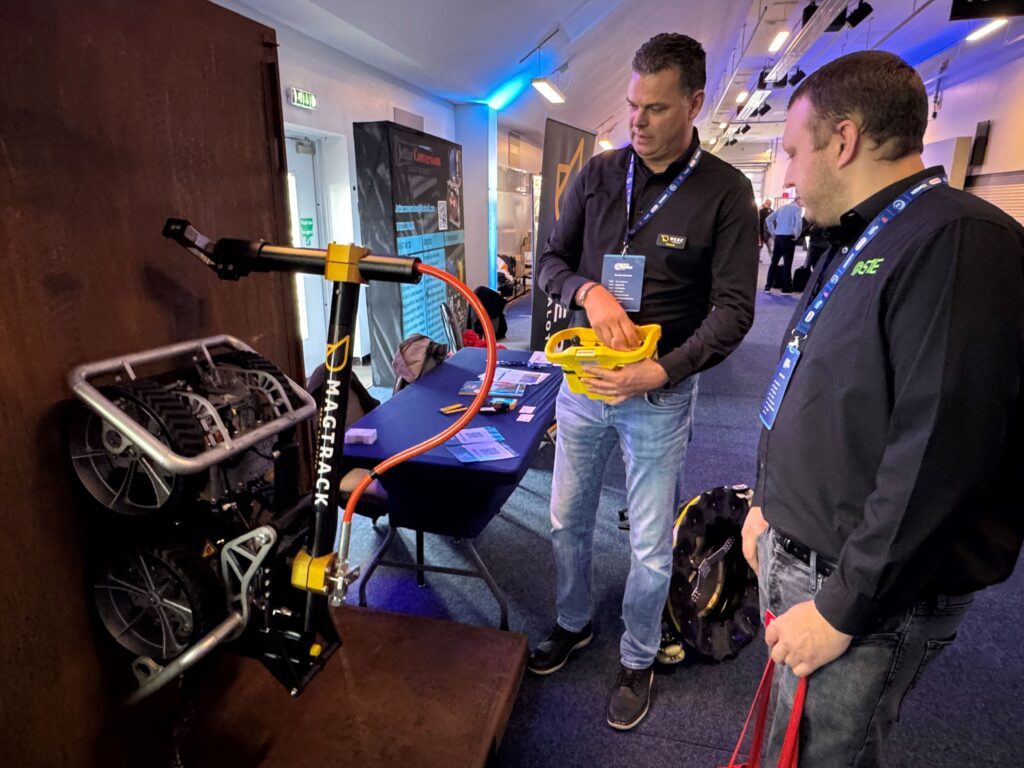







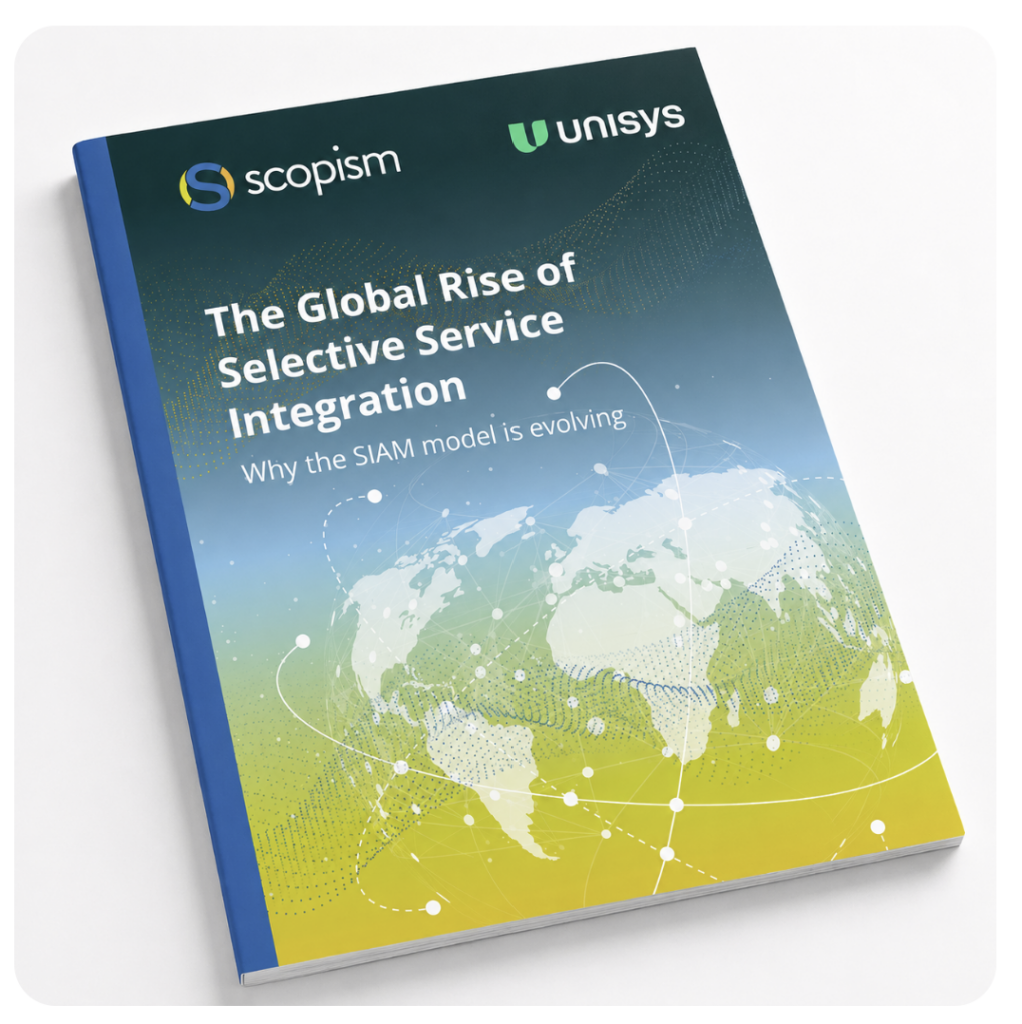







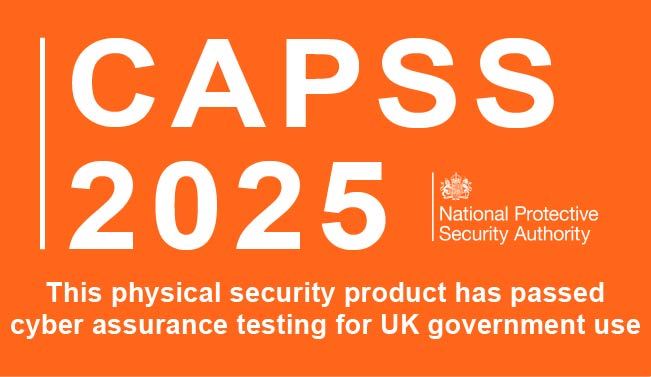











Recent Comments