A new whitepaper, Readiness is Resilience, has been launched by intelligent automation solutions provider Voicescape designed to help local authorities prepare for local government reorganisation (LGR).
UK local government finances have deteriorated significantly over the past decade and a half. Net debt has doubled since 2010, reaching £122.2 billion in 2024/25, while approximately 43% of local authorities are considered at risk of issuing Section 114 notices. There is now broad consensus that the current funding model is unsustainable and that meaningful reform is essential.[1][2]
With the first wave of new unitary authorities expected from 2027 onwards, counciles are already beginning the complex work of merging teams, systems and proceses. Voicescape’s new report explores how Revenues & Benefits teams can maintain effective revenue collection while navigating the structural changes, systems integration, and policy harmonisation required as authorities merge.
Drawing on exclusive sector insights, practitioner interviews, and real-world case studies, the whitepaper examines how the LGR timeline is intensifying pressure on Revenues and Benefits teams that will be critical to ensuring seamless revenue collection through and beyond transition.
The report highlights several operational challenges facing councils during reorganisation:
Integrating multiple legacy systems acrossmerging authorities
Harmonising policies charging regimes and operational processes
Maintaining consistent and positive engagement with residents
Managing increasing caseload complexity with limited resources
Balancing the need for stability with opportunities to innovate and modernise services
Introducing the READY framework
To address these challenges, the whitepaper introduces the READY framework – a practical model designed to help councils operational resilience during reorganisation.
Built around five pillars, Resilience, Engagement, Automation, Diverse communications, and a Yes culture, the framework offers a structured approach to modernising revenue collection whilst improving resident experience during a period of significant change.
Resilience: strengthening operational capacity so teams can manage both rising caseload complexity and organisational transition
Engagement: adopting communication approaches that build trust and encourage earlier, more constructive engagement from residents
Automation: reducing manual workload through intelligent processes that free staff to focus on complex cases
Diverse communications: using a broader mix of channels and data insights to reach residents effectively
Yes culture: fostering a mindset of flexibility and problem-solving to support better resident outcomes
Gary Haynes, Managing Director at Voicescape, comments: ” Local government reorganisation will place significant pressure on council revenues teams, but it also presents a rare opportunity to modernise how services operate. LGR provides a once-in-a-generation opportunity to enact real, necessary change.
“Reorganisation creates the justification to address long-standing inefficiencies – whether that’s replacing fragmented systems, improving communication with residents, or introducing automation to reduce manual workload.
The ambition with this report is to help councils shift the conversation from ‘how do we survive LGR?’ to ‘how do we emerge stronger from it?'”
The UK has announced the biggest ever drone package for Ukraine, delivering at least 120,000 drones for Ukraine this year and driving growth and jobs across the UK.
It comes after the Defence Secretary travelled to Berlin on Wednesday to co-chair the 34th meeting of the 50-nation strong Ukraine Defence Contact Group in Berlin, alongside German Defence Minister Boris Pistorius, Ukrainian Minister of Defence Mykhailo Fedorov, and NATO Secretary General Mark Rutte.
The new package, the largest of its kind ever supplied by the UK, will include thousands of long-range strike drones, intelligence and reconnaissance drones, logistics drones and maritime capabilities, which are all battle-proven on Ukraine’s frontline. Deliveries of these new drones to Ukraine have already started this month.
Drones are proving critical to both Ukrainian counterattacks across the frontline over the past months, as well as their defence against continued Russian attacks. Approximately 6,500 one-way attack drones were launched by Russia against Ukraine in March 2026, a significant increase on February’s total.
In a boost to British business, the majority of this investment will be spent with UK-based companies, including Tekever, Windracers and Malloy Aeronautics – creating new UK jobs whilst defending Ukraine’s security and sovereignty. The British drone sector is rapidly advancing, and supports both UK security and wider European deterrence, while driving skills and innovation in every region of the UK.
Defence Secretary John Healey MP said:
“In the fifth year of Putin’s brutal war, the UK is stepping up further and providing the highest ever number of drones for Ukraine this year.
“This big boost of battle-proven drones will give Ukrainian forces the capability they need to defend their people and fight back against Russian aggression.
“With eyes on the Middle East in recent weeks, Putin wants us to be distracted, but Ukrainians continue to fight with huge courage and nothing will distract us from continuing to stand with them for as long as it takes to secure peace.”
The new drone package is backed by the UK’s wider £3 billion military support for Ukraine this year, as well as ERA funding. The Defence Secretary will also confirm that the UK will be providing hundreds of thousands of artillery rounds and thousands of air defence missiles for Ukraine this year.
This follows the new world-leading defence partnership, agreed last month, that will see the UK and Ukraine work together to boost global defensive capability against the proliferation of low cost, high tech military hardware, including drones.
The UK continues to play a leading role in international support, with Healey convening and co-chairing the Ukraine Defence Contact Group alongside Germany, working closely with allies across NATO and beyond. The Chancellor of the Exchequer, Rachel Reeves is also expected to announce further support for Ukraine later today at a meeting of international finance ministers in Washington DC.
Today’s announcement builds on the UK’s recent £500 million air defence package announced in February at the Ukraine Defence Contact Group at NATO headquarters in Brussels.
That package included £150 million for NATO’s Prioritised Ukraine Requirements List (PURL) initiative, enabling the rapid delivery of air defence interceptors, alongside the provision of more than 1,000 Lightweight Multirole Missiles manufactured in Belfast.
It also supported a £390 million deal to boost collaboration between UK and Ukrainian industry, including the transfer of production and support for air defence systems to Ukraine.
Sodexo has secured a two-year £16 million-a-year extension to its soft FM services contract at His Majesty’s Naval Base (HMNB) Portsmouth, as part of the Ministry of Defence’s Future Maritime Support Programme (FMSP).
Sodexo’s dedicated team of 300 employees provides a wide range of essential services, including cleaning, waste management, catering, retail, leisure activities, grounds maintenance, and helpdesk support.
Since taking over the contract five years ago Sodexo has demonstrated its commitment to making meaningful change having identified a number of improvement opportunities to enhance the lived experience of those based at HMNB Portsmouth. It has successfully completed the majority with more in progress.
Improvements have included changes to the retail facilities and the introduction of its Mindful Active Programme which offers health and wellbeing guidance to military personnel, helping them make informed choices about their lifestyle.
Sodexo’s commitment to reduce the impact of its services on the environment has seen more environmentally friendly chemicals introduced, the use of re-usable micro-fibre cloths and mops used to reduce waste in paper and disposable cloths and other recycling initiatives as well as the implementation of Sodexo’s WasteWatch data-driven food waste management programme.
Mark Baker, COO Defence, Government & Energy, Sodexo UK & Ireland said: “The extension of this contract recognises our commitment to improvements in service delivery at HMNB Portsmouth. Through a strong focus on operational excellence, environmental responsibility and wellbeing support, our dedicated team has delivered outcomes that matter to military personnel at the base”.
The Future Maritime Support Programme is made up of 11 contracts in total which support and maintain UK HM Naval Bases equipment and capabilities, ensuring that Royal Navy personnel benefit from enhanced services and facilities whilst on land or at sea.
HMNB Portsmouth has been an integral part of the city since 1194 and is home to almost two-thirds of the Royal Navy’s surface ships. The base is a major employer and provides lodging facilities to personnel serving at the base and in Portsmouth-based ships.
The recent arrest linked to alleged multi-million pound packaging fraud is a stark reminder that waste crime is evolving and that its consequences reach far beyond the individuals directly involved.
While this particular case centres on the Packaging Producer Responsibility (PPR) regime, the underlying issue is one we see time and again across the wider waste ecosystem: criminal activity distorting a system that relies on trust, transparency and compliance.
At its core, this isn’t a victimless crime. When fraudulent credits are generated for recycling activity that never took place, it removes vital funding from the system. That shortfall doesn’t simply disappear, it creates additional pressure on legitimate producers and businesses who are already meeting their obligations and doing the right thing. Ultimately, they are the ones who end up paying more.
From a UK Bakers perspective we see a different but related side of waste crime – the theft and misuse of reusable bakery equipment. While the mechanics may differ, the impact is strikingly similar. Criminal activity removes assets and value from the supply chain, disrupts operations and drives up costs for compliant businesses.
Whether it’s fraudulent PRNs or physical asset misuse, the outcome is the same: a system that becomes harder and more expensive to operate fairly.
This is why enforcement action like this matters. It sends a clear signal that waste crime, in all its forms, is being taken seriously. The Environment Agency’s continued focus on intelligence-led enforcement, alongside its broader plans to strengthen oversight, is a positive step forward. But enforcement alone is not enough.
If the UK is to deliver on its environmental ambitions, including the successful rollout of Extended Producer Responsibility (EPR), there must be confidence that the system is robust, transparent and protected from exploitation. That means continued investment in enforcement, better data sharing across the sector, and a willingness to call out and tackle criminal behaviour wherever it appears.
Because ultimately, every pound lost to fraud or criminal activity is a pound that isn’t being invested in improving recycling infrastructure, supporting circularity or reducing environmental impact.
For those of us operating legitimately within the system, the principle is simple: the rules only work if they are enforced and if those who break them are held to account.
Tackling waste crime isn’t just about stopping bad actors. It’s about protecting the businesses that are doing things properly and ensuring the system works as it was intended.
Supply chains are increasingly taking their duty of care for public safety seriously in the interests of protecting people across multiple sectors, according to growing fire safety body Fire Aware.
The fire safety organisation is seeing a behavioural change as a wide range of companies large and small start to adopt rigorous processes to ensure safety of those using buildings and spaces around towns and cities.
Fire Aware CEO Gavin Skelly said: “As we move about to talk to those companies and groups with products and services in fire safety, we are seeing a step change in their attitude to fire safety. Even in those companies who don’t necessarily have a fire safety competence requirement but still hold a duty of care.
“They want to commit to doing the right thing and make sure their part in the fire safety supply chain is fit for purpose. They recognise that this is more than a job, fire safety is a vocation.”
“Many are joining us as members because they want to sign up to our code of conduct which binds us all together. Their membership is a sign of intent to protect people through a combination of competence and behavioral performance. After all, it is people’s lives we are talking about.”
Skelly said all of those involved in the design, construction, management, maintenance and letting of the built environment needs to understand that they have an obligation to fire safety even if their business is not directly connected with fire specialisms.
Dame Judith Hackitt – who led the Grenfell Inquiry – has called for cultural change through moral and ethical behaviours, recently supported by the new independent Building Safety Regulator (BSR) which has been created to “promote competence and higher standards.”
Sectors which are particularly vulnerable to fire risk include the hospitality sector – with the many bars, restaurants and hotels which are trusted to protect their customers – and healthcare which has to protect many vulnerable and elderly people including those who cannot look after themselves in the event of a real fire.
Fire Aware continues to focus on the moral responsibility of all those working in the fire safety supply chain including designers, developers, asset owners, managers and other stakeholders.
It aims to change the culture of the built environment sector by introducing a moral code of conduct via a series of charters designed to influence how member companies behave in upholding their duty of care.
Fire Aware is a recognised membership body serving the built environment and related sectors with a common aim to work and trade responsibly to all best practice standards in the interests of the safety of the general public.
Report finds a consistent pattern across AI, cybersecurity, digital identities and sustainability: sharing and coordinating operational data across systems and partners is a key focus for the industry
SITA’s 2025 Air Transport IT Insights report finds that, while the air transport industry invested a record $50.8 billion in technology in 2025, a common obstacle keeps emerging: where data does not flow freely between systems and partners, that investment cannot fully deliver what it was designed to unlock. The cost of this data coordination gap is higher than ever now that the conflict in the Middle East continues to disrupt the industry at a global scale. Operators investing in closing that gap are building foundations that will outlast the current disruption.
“We are publishing this research at a moment when the industry is under significant pressure. Across every area we measured, the same constraint emerges: where data does not flow freely across systems and partners, investment cannot fully deliver what it was designed to unlock. That constraint carries a higher cost today, but also a clear opportunity to emerge stronger,”said David Lavorel, CEO of SITA.
Airlines and airports are increasing their investment in IT. In 2025, airlines committed $36 billion, or 3.6% of revenue, while airports raised their spend to $14.8 billion, representing 7.3% of revenue, up from 6.4% the previous year. The reason is consistent across both: eighty-three percent of airlines and 89% of airports say data-driven decision-making is a strategic priority, a clear signal that the industry is actively building the operational foundations it believes resilience depends on.
In Europe, investment intent and data infrastructure are both strong. Ninety-four percent of airlines and 84% of airports increased IT spend in 2025, and data platforms are already in place at 90% of airlines and 71% of airports. The constraint the data points to lies elsewhere: only 34% of European airlines share data with partners, even as 75% of airports do so. Sixty-one percent of airlines identify data sharing between airports, airlines and other organizations as a leading IT challenge, and 55% flag data integration across multiple systems. Eighty-two percent of airlines name AI tools and passenger digital channels as their joint top planned investments in data and technology over the next two years; 84% of airports name AI tools as their single top planned investment in the same period. Forty-six percent of airports also flag data privacy and regulatory compliance as a leading IT and data challenge, reflecting the particular weight of GDPR in this region. The investment is committed and the internal foundations are largely in place. The gap is in how freely that data moves across the ecosystem.
Operational reliability has become a direct driver of financial performance
When operations run close to capacity, disruption carries a direct financial cost. Flight delays alone account for $30 billion of total industry revenue, according to IATA. Improving the predictions and response to disruption is key, which is why data integration is starting to be actively addressed: 46 percent of airlines are upgrading their flight operations systems to make information consistent and accessible across flight, crew, aircraft and passenger systems in real time. The goal is to give operational teams the shared picture they need to intervene earlier, before a single delay becomes a network problem. Yet 49% of airlines identify data integration and consistency as the primary barrier to achieving this. When information is fragmented across systems, the window for early intervention closes before it can be used.
AI stands to deliver the most value when it coordinates decisions across multiple systems at once
Early AI deployments in aviation focused on individual systems: predictive alerts, route optimisation, maintenance forecasting. The shift now underway is more significant. Sixty-three percent of airlines use AI in operations control to manage disruption, aircraft assignment and crew availability simultaneously, evaluating recovery options across multiple constraints at once before recommending actions. Seventy-nine percent name generative AI and large language models as their top investment priority for the next 12 months, a signal that ambition is running well ahead of current deployment.
AI is used most confidently when using it within a single system. It is used least where decisions require consistent data from multiple partners: only 17% of airlines use AI to monitor turnaround activity in real time. Airports are moving to close that gap, with 53% now applying AI to aircraft turnaround, up from 36% in 2024. But the ceiling on AI’s impact is not capability. It is data alignment.
“Aviation is deploying AI with real ambition. But the survey is clear: the primary barrier to maximising that investment is the lack of data integration across the operation. The technology is there. The data infrastructure to connect it often is not,”added Lavorel.
Cyber Security now protects shared operational data, not just individual platforms
As airlines and airports connect more systems across operations, passengers and partners, the exposure from a cyber incident has changed. A breach would no longer affect a single platform. It risks affecting the accuracy and availability of the shared data that operations depend on: gate changes, turnaround status, passenger information. Seventy-one percent of airports now rank cybersecurity as their top overall IT focus area, and 68% name it as the primary driver of infrastructure upgrades. The industry is responding: 64% of airports are already applying AI in cybersecurity to detect anomalies earlier and reduce response times, up from 51% in 2024.
Digital identity solutions are scaling fast, but coordination remains the primary constraint
The move toward airline and airport-issued digital identity credentials is accelerating sharply. Sixty-four percent of airlines plan to use their own issued credentials, up from 32% in 2024, and biometric border control, already live at 54% of airports, is expected to reach 83% by 2028. The technology is ready and the investment is committed. The key to delivering value is coordination: 57% of airlines cite airport cooperation as the primary requirement for scaling digital identities, up from 40% the previous year. An identity program only works when every touchpoint in the passenger journey recognises the same record consistently. Without that alignment, the infrastructure exists, but the benefit does not.
Sustainability investment is most advanced where operators control the data directly
The sustainability data in this year’s report tells the same story. The focus is strongest where a single operator owns the data and the decision: 83% of airlines are implementing fleet renewal programs, 67% are sourcing Sustainable Aviation Fuel in selected locations and 75% of airports use building management systems to monitor terminal energy. However, adoption of total emissions tracking and airside carbon measurement – capabilities that require consistent data sharing across airlines, ground handlers and infrastructure – remains below 20%.
The pattern is not a coincidence. Across AI, cybersecurity, digital identities and sustainability, the report finds the same ceiling: progress is most advanced where data is coordinated across systems and partners.
“Across AI, cybersecurity, digital identities and sustainability, operators name the same constraint: data that does not flow freely across systems and partners. It is consistent across every area we measured. Data coordination is not a future priority. It is what is limiting outcomes today,”concluded Lavorel.
Sahra Group and AMST partner for first of its kind facility in the UAE set to provide world-class training for critical emergency response in the Middle East and beyond
Advanced Helicopter and Water Rescue Simulators will ensure teams are fully prepared for the operational challenges of live-saving missions
Groundbreaking center will allow for more efficient, safe, sustainable and cost-effective training
A new multi-million dollar, state-of-the-art Security and Rescue Training Center (SRTC) – the first commercial facility of its kind in the world – is set to be built in the United Arab Emirates (UAE). It will serve as a regional hub for advanced, first-class, certified mission-based training for Helicopter Emergency Medical Services (HEMS), law enforcement, special forces, and commercial enterprises across the world.
Created by investment firm, Sahra Group, the groundbreaking facility, opening in 2028, will be constructed and operated in partnership with worldwide leader in solutions for aircrew training and simulation, AMST Group.
The SRTC will be the only commercial capability in the world to combine high-fidelity simulation environments for Helicopter Emergency Response and OPITO Training, including helicopter hoist systems, fast roping and rappelling towers, Helicopter Underwater Egress Trainers (HUET), and maritime vessel simulators to enable safe, realistic training for high-risk scenarios that cannot be safely and efficiently replicated in live training. It will enable 24/7 training for medical emergency response, water rescues, rescue in natural disasters, special forces and counter-terrorism operations as well as high-speed boat operations. SRTC will provide a full service offering for all disciplines.
The center will house helicopter simulators suspended on cranes that fly in the facility – sounding and feeling like the real thing – as well as fast vessel simulators and a water pool for rescue and emergency egress in water, to mimic real world rescue and mission scenarios. As well as freeing-up real, physical assets for operational use, these training programs can be completed at a fraction of the cost of live training. Training will incorporate realistic environmental challenges including darkness, rotor downwash and high noise levels, ensuring teams are fully prepared for the pressures of live-saving missions.
With an investment of AED 180 million (USD 50 million), the facility has capacity to train up to 4,500 personnel annually across Police, Coast Guard, Civil Defense, Medical Service, Fire Service, Army, Navy and Special Forces, as well as commercial customers from the tourism, oil, gas and energy sectors. The center will also play an important part in disaster management, as helicopters are instrumental in first response. It will be a regional center of excellence and a critical piece of safety and operational infrastructure for the UAE and wider MENA region.
Maritime rescue simulator
Jamal Alkaf, CEO at Sahra Group, says: “This facility represents a significant investment in the future of mission-critical training and positions the UAE at the forefront of global capability development. As the first facility of its kind, it brings together advanced simulation, integrated environments, and full-spectrum training in a way that simply does not exist today.
“Beyond its immediate impact, the SRTC is designed as a scalable platform for growth – capable of expanding its training offerings, technologies, and international partnerships over time. Our vision is not only to set a new benchmark for operational readiness, but to establish a global center of excellence that will attract organizations from across the region and around the world seeking the highest standards in safety, sustainability, performance, and efficiency.”
Currently, most rescue missions, military operations, and industrial tasks must be carried out under tight time constraints, often in harsh weather, and intensely stressful conditions – placing aircrew and operational teams at significant risk. While helicopters are involved in over 1,000 rescues each year, traditional training using them is often costly, time-consuming, weather-dependent, and inherently dangerous when conducted in real-world conditions. Synthetic training increases training efficiency significantly, as trainees can typically gather 10 times the experience in simulation compared to live helicopter training.
Military training floor
SRTC overcomes those challenges, providing a controlled environment where teams can train safely, efficiently, and cost-effectively to a superior standard, with refresher courses accessible every year. Teams using the center can save thousands in costs by switching from real helicopters in training scenarios – which often cost up to USD10,000 per hour to hire, fuel and operate. The helicopter simulators in the SRTC will run at a fraction of the cost and are considerably more sustainable – cutting CO₂ emissions per hour by over 99% compared to real helicopter flight.
Wolfgang Lindlbauer, Senior Business Development Manager at AMST Group, added: “In every rescue, operation or critical response, the margin for error is measured in seconds – and in lives. This new facility will eliminate uncertainty by recreating the most demanding real-world conditions in a controlled, repeatable environment. Here, teams will master intense and hazardous scenarios, from complex helicopter hoist operations to high-risk water rescues and rapid deployment techniques. It will enable key personnel to build instinct, precision, and confidence to take forward into the field. The training starts with the basics and ends with the trainee completing mission simulation, very similar to reality.
“By combining advanced simulation with mission-based training, we are making world-class preparation safer, more accessible, and more cost-effective, ensuring that every crew member, responder, and operator is equipped to perform when it matters most.”
The center will also uniquely support helicopter-assisted and water-based industrial and infrastructure missions, including maintenance and repair work on electrical power lines, wind turbines, cranes, telecommunications equipment and offshore oil and gas installations.
Sahra Group and AMST have begun the process, with completion and official opening scheduled for the first half of 2028.
Carefully selected eVans, onsite training and detailed handover give council drivers a smooth journey to electric mobility
As part of its Climate Action Plan 2026-2030, the London Borough of Camden has partnered with Europcar Mobility Group UK to cut its fleet emissions as it moves towards being a net-zero borough by 2030. Working together the two organisations identified that a large proportion of the car derived and short-wheelbase van fleet operated by Camden could immediately be replaced with battery electric alternatives.
With a clear focus on financial efficiency, Camden did not want to commit to the usual fleet lease length of 3-5 years or purchasing vehicles outright. Europcar has therefore provided the local authority with a long-term flexible rental solution that ensures it has access to the right vehicles for its operational needs without the upfront costs seen in leasing or outright purchase.
Europcar supports Camden Council
Europcar worked with Camden throughout the planning and deployment process to identify what vehicles would best suit their operations. The first wave of eVans provided included the Renault Kangoo E-Tech, VW e-Transporter and Vauxhall Vivaro Electric, some fitted with equipment ranging from modular racking and roof bars and pipe carriers to steel tool vaults and Camden livery. The vehicles were delivered quickly and seamlessly despite a very tight deadline.
“Camden is committed to leading by example and addressing its own operational emissions,” commented Tom Middleditch, Head of B2B Marketing and Sustainability spokesperson at Europcar.
Critical to the success of the project has been the insight into vehicle usage that Europcar can deliver through its 100% connected fleet. While the Senior Management Team was fully on board with zero-emissions mobility, some drivers were less certain and shared concerns around range and suitability of eVans.
To help ease the transition from petrol and diesel to less familiar electric vans, and ensure drivers achieve the best performance, Europcar delivered training for the council’s drivers, covering a wide range of topics. These included practical information on charging, how to use regenerative braking to maximise range and how the weather and driving style impact range.
Insight from Europcar’s 100% fleet has also helped Camden overcome early doubts from drivers. “We worked closely with Camden to monitor use and driver feedback and have been able to quickly correct misunderstandings and inefficient charging habits that led to some concerns among drivers,” added Tom Middleditch.
“In the first few weeks of implementation, some drivers reported that they were having issues with the range of the eVans supplied and did not believe they were fit for purpose. However, by accessing real usage data from the vehicles supplied, the Europcar team could see the vans were actually performing well. On average the first 6 vehicles supplied covered 119 miles per week, which was well within the vehicles’ range. Plus, we could see that one user had charged their vehicle 14 times in one week. This was clearly a not surprising reaction to being asked to use a new drive train, but was not necessary.”
Europcar and Camden worked on a programme of training and support to address these concerns with the drivers, with the result that there have been no further issues raised. The data also identified a fault in some of Camden’s own charging points which the local authority was able to rectify.
As a result, Europcar has already been able to help Camden drastically reduce its mobility emissions. And following the early success of the project, it has added more electric vans to its fleet, with extremely positive feedback as a result.
Richard Turnbull, Head of Public Affairs at charge point operator (CPO), Believ, has a long-standing career in the electric vehicle (EV) industry. As the market scales and evolves to meet growing EV demand, and continues to adapt, Richard shares his thoughts with GPSJ on the latest policy measures, how they impact the rollout of charging infrastructure, and what more can be done to accelerate the EV transition.
Tell us a bit about your career, and how you found your way to Believ and the position of ‘Head of Public Affairs?
Richard Turnbull
I’ve been working in the EV space since 2009, mainly focused on charging infrastructure. My work has always been at the crossroads of policy, sustainability, and collaborative partnerships, helping shape the regulations and standards that enable zero-emission mobility.
Joining Believ was a natural next step, as it allowed me to build on this experience and contribute to delivering reliable, affordable, and accessible charging infrastructure, which is key to achieving cleaner air for all.
What does your role at Believ entail on a day-to-day basis?
My role is all about engaging with both public and private sector stakeholders to understand pain points, barriers to progress and what Believ can do to speed up the EV rollout. I spend considerable time working with trade associations like Charge UK, where I chair the On-Street Working Group. We engage with policymakers and contribute to shaping the policies that govern how public charging infrastructure is rolled out and managed.
There’s always something happening! We’re now over a year into the enforcement of Public Charge Point Regulations, and December 2025 saw the publication of the PAS 1899 Review. In the run up to, and following last year’s Autumn Budget announcement there have been several consultations to address issues around affordability and grid challenges. For me, it’s great to see companies like Believ investing in public affairs and policy roles, helping drive positive change across the sector.
Ultimately, my role supports Believ’s ability to achieve its objectives by making sure there’s alignment between policy and market conditions. This helps consumers and fleets switch to EVs with confidence.
Why did you choose to work in the EV charging industry?
I grew up in New Zealand, where the environment was a big part of the school curriculum. As a result, environmental impact has always been front of mind for me. In 2008, I took the opportunity to reset my career and joined an EV startup as their first employee in 2009… and I’ve been hooked ever since!
Overall, I’d say that the EV charging industry helps me play a role in making cleaner transport the norm for future generations.
How do you interpret the EV-related measures in last year’s Autumn Budget?
The proposed Electric Vehicle Excise Duty (eVED pay-per-mile) measure certainly grabbed everyone’s attention, but the real question will be how it’s implemented. Hopefully, the consultation the government launched following last year’s budget will bring much-needed clarity and fairness to its application, ensuring a smooth transition and continued EV uptake.
Another key milestone will be 31st August 2026 which sees the end to the fuel duty freeze, which will likely highlight the cost benefits of EV ownership. Additionally, the ten-year business rates relief announced in last years’ budget forCPOs is a step in the right direction, as it helps with the heavy investments needed ahead of demand.
In the long run, I hope the government will take a broader look at the fairness of its tax policies, ensuring that EVs are treated fairly and that taxes on high-polluting vehicles are higher to balance the scale.
How important is the commitment to VAT reduction in demonstrating that policy changes can deliver real savings for EV drivers?
Aligning VAT on public charging (currently 20%) with home energy (at 5%) is simply fair, and would deliver meaningful savings for drivers, especially those who rely on public networks. While last year’s Budget didn’t cut VAT, the government has committed to a review of charging costs, including VAT, by the end of 2026. This is a critical opportunity to explore how overall costs – including capacity and standing charges – can better support the transition to EVs.
When you consider how those with off-street parking are typically more affluent and have cheaper access to charging, reducing VAT would make EVs more accessible for those without off-street parking, levelling the playing field.
What types of grants or incentives would make the biggest difference to drivers right now?
Personally, I’d support a robust scrappage scheme to remove the most polluting vehicles from UK roads and support drivers switching to second-hand EVs would nicely complement the current EV Grant scheme that focuses on new vehicle sales. We also need action on legacy, low-power charge points that create inconsistent user experiences.
If the government fails to enhance affordability, what risks does that create for the UK’s EV transition timeline?
Affordability is a key driver to ensure the EV transition continues at pace. If the government doesn’t move quickly on issues like VAT, standing charges, and energy pricing, we risk slowing down adoption. The Cost of Charging Review is a great opportunity for government to review these costs and support both industry and drivers to make EV accessible to all.
At Believ, we’re working to improve affordability through our own efforts, such as better energy contracts and offering off-peak rates. But the government needs to keep doing their part to support the decarbonisation of transport, and with the upcoming charging review ithey have the opportunity to do this.
Believ is driven by the belief that sustainable transport should be accessible to all. With this in mind, what are your thoughts on the report reviewing the PAS 1899 EV accessibility guidance?
At Believ, we are fully committed to improving accessibility, both in terms of our physical products and the digital experiences we offer. Our £300 million investment is a clear demonstration of that commitment. We’ve worked tirelessly to ensure that charging works better for everyone, and we welcome the PAS 1899 report as another important step forward.
The report makes some great recommendations but also highlights ongoing technical challenges, like cable weight and required force particularly on ultra rapid chargers, that will require sustained research and development from operators, manufacturers, and policymakers. The report also makes the recommendation to align with European Standards bodies Cen & CENELEC, which I think is a positive step when thinking about mobility for a global market. Accessibility is an area we are committed to, leaving no one behind in the transition to EVs.
If you had four wishes to help accelerate the rollout of EV charging throughout the rest of 2026, what would they be?
1. Reduce VAT on public charging to 5%, aligning it with home energy. This would make charging more equitable, benefiting those who rely on public networks.
2. Address high capacity and standing charges. These upfront costs for energy are penalising CPOs for installing future proof charging capacity. This needs to be addressed to ensure that the sector can grow sustainably.
3. Streamline grid connections. A more efficient and standardised process for connecting to the grid would help accelerate deployments and reduce delays, making it easier to scale the infrastructure to meet demand.
4. As a fourth wish, I’d love to see the adoption of wireless charging take off. This would truly transform the user experience and make charging accessible for all!
Local authorities are calling for clearer guidance and faster action to ensure the UK’s expanding public Electric Vehicle (EV) charging network is accessible to all drivers, as new research reveals many councils are struggling to deliver inclusive infrastructure in constrained public spaces.
More than half (53%) of councils say balancing the need for accessible charge points with local space constraints is problematic, with narrow streets, limited street width and competing resident requirements making it difficult to deliver charging that works for everyone. This figure rises to 90% amongst London councils, highlighting the significant spatial challenges in the UK’s densely-populated capital.
The research, detailed in EV charge point operator Believ’s latest Local Authority Insight Report, finds that there is also a strong appetite for practical support on implementation. More than two fifths (42%) of national and 60% of London local authorities want additional guidance from central government on how to deliver accessible charging in their areas.
While 60% of UK councils have or are working on an accessibility plan, 4% are not considering disabled access for EV charging yet, and 37% of those responsible for EV charging infrastructure are not sure whether their networks are working to an accessibility plan.
Accessible charging infrastructure is critical for the UK’s 1.35 million disabled drivers, a proportion of whom will be wholly or partially dependent on public charging as the transition to EVs accelerates.
In 2022, the British Standards Institution introducedPAS 1899, a voluntary best-practice specification designed to improve the accessibility of public charging for those with diverse accessibility needs, including minimum requirements for space, layout and ease of use.
Believ is urging policymakers and industry stakeholders to make meaningful improvements in accessibility, by supporting local authorities with clearer direction and ensuring best practice is implemented consistently across the UK. While PAS 1899 guidance is not mandatory, CPOs have little power as individual organisations to implement accessible networks.
“As the EV transition gathers pace, we must ensure no driver is left behind,” says Guy Bartlett, Believ CEO.
“Some local authorities are working hard to expand accessible charging provision, but many are facing real-world constraints, particularly where streets are narrow and space is limited. Our research shows that local authorities are currently unclear on best practice – this needs to change. While the solutions are not always straight-forward, they are available. So, the answer is not to compromise on inclusion, but to provide the guidance and support councils need to implement accessibility confidently and consistently,” he says.
In 2025 Believ contributed to the PAS 1899 review, which brought together consumer and disability groups, local authorities, and other CPOs, to assess how well the standard is working in practice and to recommend improvements for its future development.
Key amongst the findings was the need to recognise the differences in charge point installation in their diverse environments and to identify industry implementation advice specific to different scenarios, such as managing the logistical and spatial constraints of on-street charge point installations.
“Cleaner air and lower emissions should benefit everyone,” adds Guy. “We want to see the outcomes of the PAS 1899 review translated into practical improvements on the ground, backed by clearer guidance for local authorities, so that accessible charging becomes standard, not exceptional.”
The review also highlights the importance of future engagement with European bodies such as CEN and CENELEC, helping to create more consistent, pan-European accessibility guidance, which Believ views as a positive step towards global accessibility standards for EV infrastructure.
Believ has already been working with local authorities to improve inclusive EV charging infrastructure in three East London boroughs. It has collaborated with the boroughs of Waltham Forest, Newham, and Redbridge, leveraging LEVI funding to trial new on-street EV charging bay designs that enhance accessibility, engaging with customers and advocacy groups to understand real-world barriers and rapidly deploy improvements.
By Mark Bufton, Senior Business Development Manager at BHN
Mark Bufton
For years, local welfare schemes have faced a quiet tension: how to provide emergency financial help quickly, while ensuring public funds are used responsibly. These schemes are designed to support people facing acute financial hardship – often those on low incomes, families struggling to meet essential costs, or individuals experiencing sudden crises such as job loss, illness, or unexpected bills.
Under the Household Support Fund (HSF), many councils relied heavily on vouchers – for supermarkets, energy or specific retailers – in part because guidance placed significant emphasis on the risks associated with cash payments. The funding aimed to ensure support was directed towards essential living costs during a prolonged cost-of-living crisis.
With the introduction of the Crisis and Resilience Fund (CRF) in April 2026, the government has signalled a clear shift in approach. For the first time, national guidance explicitly sets out a “cash-first” principle for crisis payments, positioning cash as the default form of support.
The logic behind it is easy to see. Cash usage is flexible and gives recipients autonomy over how they meet their immediate needs. But as this approach gains traction, it also raises important questions about risk, accountability and long-term outcomes.
What does “cash-first” actually mean?
In practice, cash-first prioritises direct payments. This can include bank transfers, cash-out vouchers or other mechanisms that allow recipients to access and spend funds as they choose. While the guidance makes clear this is not a “cash-only” approach, it establishes cash as the starting point, with alternatives used where deemed more appropriate.
This reflects a recognition that financial crises are rarely uniform. A broken appliance, an urgent travel cost or a delayed wage can quickly destabilise a household already under pressure. In these moments, flexibility matters.
However, flexibility without safeguards can create new challenges.
When flexibility introduces risk
The CRF guidance itself acknowledges that cash payments can carry risks, particularly given the scale of funding involved and the number of organisations responsible for delivery. While cash provides freedom of choice, there is limited control over how funds are ultimately spent.
This lack of control creates challenges for local authorities. Once funds are distributed, visibility is significantly reduced, making it harder to track outcomes, report on usage or demonstrate how public money is supporting essential needs. At a time of increasing scrutiny, this absence of clear data can undermine confidence in how support is delivered and evaluated.
For recipients, flexibility can come with its own pressures. In moments of crisis, individuals are often forced to make extremely difficult choices between competing priorities – rent arrears versus food, energy bills versus transport or debt repayment versus immediate day-to-day needs. Seen as a way to encourage financial responsibility, it can feel more like throwing someone in at the deep end. Without guidance or structure, support can be stretched across multiple demands, reducing its overall impact.
For individuals facing complex or vulnerable circumstances, this lack of guardrails can have serious consequences, and safeguarding becomes a critical consideration. Local authorities have a duty not only to distribute funds quickly, but to ensure support does not unintentionally place individuals at greater risk.
In moments of crisis, decision-making is often shaped by stress and urgency. Without financial education or the right support or structure, even well-intentioned assistance may not always lead to the best long-term outcomes. In more acute cases, unrestricted cash can expose individuals to harm – particularly those experiencing domestic abuse or substance dependency. Funds may be taken from them, misused or spent in ways that undermine recovery, with no recourse once the payment has been made.
In these cases, the absence of safeguards can turn targeted support into an additional point of vulnerability.
The practical realities of cash-first
Beyond safeguarding, there are also practical challenges in how cash is accessed and used. The promise of immediate support does not always translate into reality. Local distribution points such as Post Offices can become overwhelmed, with long queues forming as large numbers of recipients attempt to access funds at the same time. For individuals with mobility issues, caring responsibilities or limited access to transport, simply collecting cash can become a barrier in itself.
Therefore, accessibility remains a significant concern. Not all recipients are able to travel easily, and for those with disabilities or living in rural areas, accessing physical cash points may be difficult or delayed. In a crisis, these frictions matter – delays in accessing support can mean children going hungry, families unable to heat their homes or households falling further into financial distress.
There are also limitations in how cash can actually be used. Not all essential service providers or retailers readily accept cash payments, as more and more businesses move towards digital banking only. This can create additional steps for recipients, who may need to deposit funds into a bank account before they can pay for critical services. For those who are unbanked or underbanked, this presents a significant barrier.
Even where bank accounts exist, challenges remain. Payments deposited into accounts may be absorbed by existing overdrafts or debts, reducing the intended impact of crisis support. In these cases, funds designed to cover essential needs may never reach their intended purpose, undermining the effectiveness of the support provided.
In this context, the question is not whether cash has benefits, but whether a cash-first approach provides the right balance between flexibility, protection and accountability.
A more balanced approach to crisis support
Alternative disbursement methods, such as prepaid cards and vouchers, offer a way to strike that balance.
These solutions retain many of the advantages of cash – speed, ease of access and reduced stigma – while introducing safeguards that help protect recipients and public funds. Spending parameters can be applied where appropriate, reducing the risk of misuse, while still allowing individuals to meet their essential needs.
At the same time, they provide local authorities with valuable data and reporting capabilities. This enables better tracking, auditing and evaluation of support, helping councils to refine their approach and demonstrate impact over time.
For example, BHN supports local authorities through prepaid solutions such as vouchers, prepaid cards or cash-out services, that can be issued digitally or physically and loaded quickly with crisis support funds. By bringing these options together in one place, BHN helps reduce the administrative burden on local government, acting as an outsourced partner to manage distribution end-to-end. This enables residents to access support without needing a bank account, while giving councils the visibility and control needed to maintain robust governance.
Such tools also help address accessibility challenges, ensuring support reaches those without bank accounts or reliable digital access, without compromising on oversight.
Speed matters in a crisis
The CRF guidance rightly sets an expectation that crisis payments should ideally be delivered within 48 hours of approval, reflecting the urgent nature of many requests for help.
In this context, speed is often cited as a key advantage of cash-first approaches. However, rapid access to funds is not exclusive to cash. Many local authorities are already using payment technologies that enable support to be accessed almost immediately.
Digital payment systems and cash-out mechanisms can allow residents to withdraw funds within minutes of a decision being made, without removing the safeguards and oversight that councils require.
Delivering this level of responsiveness relies on robust payment infrastructure. BHN supports local authorities through tools such as SMS-based payment systems, sometimes referred to as “Pay by Text”, which enable approved funds to be sent directly to a recipient’s phone and accessed almost immediately via ATM networks or cash-out locations.
For households facing an immediate financial shock, that speed can mean the difference between a short-term difficulty and a spiralling crisis.
Rethinking what effective support looks like
The move towards cash-first reflects a broader shift in how crisis support is understood – one that rightly prioritises dignity, speed and autonomy.
But these goals do not need to come at the expense of safety or accountability. In practice, the most effective approaches are those that combine flexibility with appropriate safeguards, ensuring support not only reaches people quickly, but also helps protect them and deliver meaningful outcomes.
Crucially, cash-first does not have to mean cash-only. There are solutions that enable recipients to access funds instantly and use them for essential needs, without the barriers associated with physical cash, removing the need to visit a retailer, Post Office or ATM to access the support they have been promised.
As the CRF rolls out, local authorities face a critical task: designing schemes that reflect the realities of financial hardship while maintaining responsibility for public funds.
Cash may be the starting point, but the greatest impact comes from solutions that combine its flexibility with greater control and visibility
Lt Gen Elviss assumed command of the Field Army, headquartered in Andover, in March 2024, following his tenure as Chief of Staff (Operations) at the Permanent Joint Headquarters in Northwood. His leadership as Commander Field Army has been transformative, marked by an unwavering focus on doubling the Field Army’s fighting power and lethality. By equipping soldiers with cutting-edge technology and fostering a force that is stronger, leaner, and more agile, he has ensured the Army is prepared to meet the complex challenges of modern warfare.
Now, as he takes up the role of Commander ARRC at Imjin Barracks in Gloucestershire, Lt Gen Elviss steps into a position of critical importance for both the British Army and NATO. His appointment comes at a time when NATO is reinvigorating its focus on Corps-level warfighting, and his leadership will be instrumental in advancing the UK’s role as a leader in NATO. This transition represents a key milestone in delivering on the UK’s commitments to the Alliance and strengthening collective defence.
Lt Gen Elviss said: “It is a huge privilege to be selected as COMARRC at such a critical and exciting time, as the UK begins to meaningfully deliver on its commitments as one of NATO’s Strategic Reserve Corps.”
Al Carns, Minister for the Armed Forces said: “The security environment doesn’t stand still, and neither can we. Appointing Lieutenant General Mike Elviss as COMARRC is a clear signal of the UK’s commitment to NATO — not just in words, but in the quality of the leadership we’re putting forward. He takes command of a Corps that is sharper and more lethal than ever, and he has the experience and the drive to keep it that way. I want to pay tribute to Ralph Wooddisse for everything he has delivered in command.”
Lt Gen Stenning
The British Army is taking a decisive step in reinforcing the Allied Rapid Reaction Corps (ARRC) as NATO’s principal warfighting formation, with both the 1st and 3rd Divisions set to come under its operational command. This move expresses the Army’s commitment to strengthening NATO’s collective defence posture and enhancing its ability to respond to emerging threats.
As part of this deliberate shift, Lieutenant General Zac Stenning CB OBE, currently Director of Cyber and Specialist Operations Command, will assume the newly titled role of Commander Land Forces (CLF). The change in title reflects the Army’s focus on being able to scale and adapt to the demands of modern warfare.
In this capacity, Lt Gen Stenning will help prepare and generate Land Forces at home, to NATO, and across the globe. He will also spearhead training and warfare development across the entire Army, ensuring it remains at the cutting edge of modern military capability.
Lt Gen Hamilton
Reflecting on his appointment, Lt Gen Stenning said: “I am honoured and excited to be returning to the Army after two years in Cyber and Specialist Operations Command. I look forward to accelerating the modernisation of our Land Forces in support of Defence through the integration of advanced technology, innovative tactics, and the dedication of our brilliant soldiers and officers. Together, we will deliver the most capable Land Forces wherever our Nation needs its Army.”
Further strengthening the Army’s leadership team, Lieutenant General Simon Hamilton, CBE, has been appointed as the new Deputy Chief of the General Staff, succeeding Lieutenant General Sir David Eastman, KBE.
In his new role, Lt Gen Hamilton will lead the Army’s Force Design, overseeing the Army’s personnel and capabilities, thus ensuring soldiers are equipped to fight and win both now and in the future. He will continue to build on his extensive relationships with industry through the newly established National Armaments Director Group, driving investment in a modernised force that leverages survivable, autonomous, and disposable attack systems.
Lt Gen Hamilton said: “I am honoured, following the conclusion of my tenure as CEO Defence Equipment & Support, to become the next Deputy Chief of the General Staff. It is an enormous privilege to have been appointed to this role. I much look forward to returning to the Army Headquarters and supporting CGS in transforming the Army’s lethality.”
These leadership changes mark a seminal moment for the British Army, as it transforms its capabilities and strengthens its role within NATO.
Together, these leaders will ensure the Army remains a formidable and adaptable force, ready to meet the challenges of today and tomorrow.
As AI becomes increasingly embedded in everyday life, children are encountering these technologies from an early age. While this presents significant opportunities, it also raises safeguarding and welfare considerations – making clear policy and leadership oversight more important than ever.
Unlike a rigid template, the LGfL AI Policy Toolkit is a flexible and practical guide designed to help schools shape their own vision, policies and practices around AI. It empowers leaders to take a whole-school approach, ensuring that safeguarding, compliance and educational value remain central to decision-making.
Why this is a safeguarding matter
The pace of AI advancement is unprecedented. While it offers significant educational benefits, it also presents safety and welfare risks. Generative AI poses documented risks to children, including illegal and exploitative content, misinformation, biased or fabricated outputs, privacy harms, grooming, and the spread of harmful or age-inappropriate material.
Teachers’ use of AI also needs careful consideration and planning, in particular to mitigate data privacy and intellectual property risks. Leaders should provide clear policies, processes and guidance on what Gen-AI tools can be used and when and also explicit direction about what information can and can’t be shared.
Designated Safeguarding Leads play a critical role in ensuring that safeguarding considerations underpin all decisions about AI use in schools. The Toolkit places child protection and risk awareness at its core, helping schools proactively manage emerging challenges.
What’s included in the Toolkit?
The AI Policy Toolkit is tailored to suit each school’s unique context and includes:
Outlined roles and responsibilities – Clear descriptions of key staff responsibilities to support a coordinated whole-school approach
Suggested development steps – A structured framework for establishing or refining your school’s AI strategy
Practical resources – Including a pupil safeguarding question bank and a staff Gen-AI survey to assess current usage and confidence levels
Approval frameworks – Templates to maintain a register of approved Gen-AI tools and track Data Protection Impact Assessments (DPIAs)
DfE alignment guidance – Support in understanding and applying the latest Department for Education Generative AI Product Safety Standards to assess tool suitability.
Schools can also access additional AI support resources including webinars, posters, curriculum materials and template documents.
Schools are encouraged to download the AI Policy Toolkit, book a place on the webinar, and explore further resources at genai.lgfl.net.
Please share this announcement with DSLs and Senior Leaders in your school to ensure your setting is prepared to harness the benefits of AI safely and responsibly.
Hörmann UK is reinforcing its commitment to public safety and infrastructure resilience with a range of certified high-security bollards designed to meet the stringent requirements of public sector and local government environments. The range has been engineered specifically to protect people, buildings and critical infrastructure from unauthorised vehicle access while supporting the operational needs of modern public spaces.
Central to their suitability for government and public projects is their compliance with recognised international impact resistance standards. All bollards within the Hörmann High Security Line are crash-tested and certified to PAS 68 and IWA 14-1, demonstrating proven performance against high-speed vehicle impacts of 30mph and 50mph using a 7,200kg vehicle. This level of certification provides specifiers, planners and security consultants with confidence that the products meet the requirements for high-risk and sensitive locations.
Alongside their certified impact resistance, Hörmann bollards are designed to offer flexibility in deployment across a wide range of public spaces and infrastructure projects. Fixed, removable, semi-automatic and fully automatic options provide a balance between permanent protection with the need for controlled access for emergency services, deliveries or temporary events. This adaptability supports effective traffic management without compromising security credentials.
Durability and long-term performance are also a key consideration, with Hörmann bollards being manufactured using corrosion-resistant materials and robust construction methods, helping to reduce costs through low maintenance requirements and extended service life. Automatic variants incorporate intelligent control systems and integrated heating, ensuring reliable operation in demanding environmental conditions often encountered in exposed urban locations.
Aesthetics are increasingly important in public sector developments, particularly within regeneration schemes and shared public spaces. Hörmann bollards are designed to integrate discreetly into the urban landscape, allowing certified security measures to be implemented without detracting from the visual and architectural quality of the surroundings.
With decades of experience delivering industrial and commercial access solutions, Hörmann UK brings together German engineering expertise and local technical support to meet the complex needs of public sector clients. Its certified security bollards are already trusted across Europe, providing local authorities and government bodies with a proven, compliant and future-ready solution for perimeter protection.
New certification demonstrates operational rigour and aerospace-grade quality standards for its encrypted hardware storage products
Apricorn, the leading manufacturer of software-free, 256-bit AES XTS hardware-encrypted USB drives, today announced that it has become the first and only encrypted USB storage device manufacturer to achieve AS9100 certification, the internationally recognised Quality Management System (QMS) standard for the aerospace and defence industry.
AS9100 is a quality management standard for aerospace suppliers that builds on ISO 9001 with aerospace-specific requirements and complements the EU’s EASA (European Union Aviation Safety Agency) rules as an organisational QMS used by manufacturers, maintenance and design organisations to ensure consistent quality and customer confidence. The standard incorporates additional, stringent criteria specific to aviation, space, and defence organisations, including enhanced risk management, supply chain oversight, configuration control, product traceability, and continuous improvement.
By securing this certification, Apricorn has demonstrated the operational discipline, process maturity, and quality assurance measures required to support high-stakes aerospace and defence environments.
“Achieving AS9100 reflects the rigor embedded throughout our organisation, from design and manufacturing controls to supplier management and documentation. The AS9100 certification further strengthens Apricorn’s position as a trusted partner to organisations that require secure, reliable, and compliant data protection solutions,” said Kurt Markley, Managing Director, Apricorn. “For our aerospace and defence customers, it serves as an independent assurance that Apricorn products are developed and delivered under a quality management framework designed for mission-critical use.”
The AS9100 certification process includes comprehensive third-party audits of an organisation’s quality management system, focusing on risk mitigation, operational consistency, corrective action processes, and continuous improvement. For organisations operating in aerospace and defence, AS9100 provides confidence that suppliers maintain disciplined, repeatable processes designed to meet exacting regulatory and performance requirements.
Apricorn’s portfolio of hardware-encrypted storage devices is widely used to protect sensitive data at rest and in transit across regulated industries, including government, defence contractors, aerospace manufacturers, and critical infrastructure operators. The company also holds other certifications including TAA, ISO 9001, CMMC Level 1, SEWP, NATO restricted, and FIPS 140-3 pending for Q3 2026. Collectively, these certifications enable Apricorn to support the government and defence industries as well as other highly regulated sectors such as healthcare, manufacturing, energy and utilities, higher education and communications.
“As data security becomes increasingly intertwined with national security and operational resilience, quality cannot be separated from cybersecurity,” Markley added. “Our customers need to know not only that their data is encrypted, but that the devices themselves are manufactured and managed under strict quality controls. AS9100, as well as the other certifications we hold, reinforces that commitment which has always been a major part of Apricorn’s DNA.”
With AS9100 certification in place, Apricorn is well positioned to expand its support for aerospace, aviation, and defence organisations seeking secure storage solutions aligned with globally recognised quality standards.
Apricorn provides secure storage innovations to leading organisations in finance, healthcare, education, and government across North America, EMEA, and Asia. Apricorn products have become the trusted standard for a wide range of data security strategies. Founded in 1983, Apricorn has developed numerous award-winning products and patents under its own brand as well as for leading computer manufacturers on an OEM basis.
Supply chain partners working closely together across multiple sectors can help ensure our buildings are safe for those moving about in them, says growing safety body Fire Aware.
Collaborating on issues including legislation, supply of products and new innovations can all help to create a safer outcome across many sectors facing challenging times, it says.
Fire Aware CEO Gavin Skelly said: “Our members tell us that when they work closely together the solutions are easier to find and everyone benefits. We are all in this together. At Fire Aware, we have a community of companies large and small who often collaborate together to find the solution to a problem.
“We all believe in fulfilling our duty of care and working closely with partners who are like-minded will help everyone to achieve that. This is a vocation for life, not a job.
“The Fire Aware community – and the wider fire safety industry – are all of the same mind. We cannot compromise when it comes to safeguarding the safety of people moving about in our buildings. That cuts cross all sectors and applies to a multitude of responsible people who may or may not be directly involved in fire safety but want to uphold their duty of care. It’s not just about the specialists. It’s about the entire supply chain.”
Fire Aware focuses on the moral responsibility of all those working in the fire safety supply chain including designers, developers, asset owners, managers and other stakeholders.
It aims to change the culture of the built environment sector by introducing a moral code of conduct via a series of charters designed to influence how member companies behave in upholding their duty of care.
Dame Judith Hackitt – who led the Grenfell Inquiry – has called for cultural change through moral and ethical behaviours, recently supported by the new independent Building Safety Regulator which has been created to ‘promote competence and higher standards.’
Sectors which are particularly vulnerable to fire risk include the hospitality sector – with the many bars, restaurants and hotels which are trusted to protect their customers – and healthcare which has to protect many vulnerable and elderly people including those who cannot look after themselves in the event of a real fire.
Fire Aware is a recognised membership body serving the built environment and related sectors with a common aim to work and trade responsibly to all best practice standards in the interests of the safety of the general public.
The partial remains of 72 British soldiers who served and died during the First World War have been returned to France from a museum collection.
The Commonwealth War Graves Commission’s (CWGC) recovery unit in France has received the partial remains and will now arrange their interment.
The remains will be placed in the existing grave of each individual at the CWGC’s Mont Huon Military Cemetery, France.
They have been safely returned to the Commonwealth War Graves Commission in France, where they will be placed in the existing casualty graves at Mont Huon Military Cemetery near Dieppe where they will continue to be cared for by the CWGC, in perpetuity, with the utmost respect.
The partial remains of 12 British personnel who survived the First World War and therefore are not buried in a military ceremony, have also been returned to CWGC in France for subsequent interment.
The Ministry of Defence Joint Casualty and Compassionate Centre – known as the War Detectives – will now attempt to trace and contact any living descendants and in time arrange a blessing service.
Joint Casualty and Compassionate Centre caseworker Nicola Nash, said:
“We in the MOD War Detectives team will work diligently to trace and contact the relatives of those whose remains have been returned to the care of the Commonwealth War Graves Commission.
“For each of the 72 in this case, as with all the fallen we identify, we will attempt to build family trees and then, using publicly available sources, identify surviving next of kin. Ultimately, we will attempt to contact each family in the hope of providing them with a respectful and fitting conclusion to their relative’s story.”
The partial remains were originally transferred from a military hospital in France shortly after the First World war for scientific study, which was common practice at the time.
The remains have been securely stored by the Mütter Museum and Historical Medical Library in Pennsylvania, Philadelphia.
The CWGC was informed of their existence in late September 2025, and it immediately undertook the necessary detailed and meticulous work with the museum to verify their origin and status, confirming many of these remains belong to British war casualties who are already buried and cared for by the CWGC within Mont Huon Military Cemetery in France.
The Commonwealth War Graves Commission has worked closely with the museum and the Ministry of Defence to ensure that each set of remains is treated with the utmost respect.
CWGC Director of Commemorations Richard Hills said:
“We have worked closely with the museum and the Ministry of Defence to ensure that each set of remains is treated with the utmost respect. This work forms an essential part of the Commission’s ongoing commitment to care for all who served and died in the world wars, reflecting its enduring mission to honour all who rest in its care and ensure they are appropriately commemorated now, and for generations to come.”
This work forms an essential part of the Commission’s ongoing commitment to care for all who served and died in the world wars, reflecting its enduring mission to honour all who rest in its care and ensure they are appropriately commemorated now, and for generations to come.
A new showcase series is reshaping NHS-supplier engagement. Pioneers at the first NHS host brought together hundreds of staff organisation-wide, along with major tech companies and niche innovators in a single day, already inspiring 10 further NHS providers to follow in 2026.
Highland has launched Elevate, a new health tech event series that is bringing technology suppliers directly into NHS organisations for focussed, whole-organisation engagement in a single day.
Elevate is giving suppliers a wide breadth of access across almost every role – already reaching senior executives, board members, clinicians, procurement, estates, pharmacy, finance, and frontline staff for in-depth conversations.
NHS chief executives and digital leaders are actively embracing the ability the initiative provides to engage staff and bring in curated, relevant technology aligned to local priorities and strategy, with staff at every level exposed to innovations that can transform how they work and deliver care.
At least 10 NHS providers are planning Elevate events in the year ahead and more are showing interest, after the first showcase attracted hundreds of NHS staff and delivered unprecedented digital engagement across the organisation, shaping strategy and changing technology perceptions.
Hospital groups and integrated care systems are coming on board too, extending reach beyond acute settings and informing direction for newly formed integrated organisations.
Mark Venables, CEO of health tech growth company Highland, said: “We set out to completely change how suppliers engage the NHS. Elevate proves there’s a better way. When 500 staff turn up in a single day – from the chief executive through to all levels of the organisation – and suppliers tell us this is the best engagement they’ve ever had, you know the model works. This is levelling the playing field for the NHS and health tech: elevating innovative technology into the NHS, elevating the voices of staff and engagement in digital strategy, and elevating the art of the possible. We’re now taking this across the country.”
The first showcase event held at University Hospitals of Derby and Burton NHS Foundation Trust in October 2025 has proven the model works. It saw 500 staff attend, from the chief executive and interim trust chair to ward nurses, surgeons, digital leads, registrars, HCAs and admin and clerical – from departments as far and wide as pharmacy, radiology, pathology, endoscopy, estates, procurement, finance, infection control, tissue viability and cleaning teams.
The event attracted innovators from major multinational technology companies to niche tech suppliers. It became the starting point for the trust’s 2026–2030 digital strategy, with strategic conversations and new ideas already emerging after the event.
George Farmer, head of digital strategy, governance and risk atUniversity Hospitals of Derby and Burton NHS Foundation Trust, said:“Digital people go to digital events. Clinical people go to clinical events. This is clinical people coming to a digital event. And I think it’s the first I’ve known of it in my 20 years in the NHS. This event has been the jumping-off point for our digital strategy. We’re bringing vendors to the people. The breadth of excitement, the buzz that’s been created: we wouldn’t get that anywhere else.”
Debbie Loke, executive chief digital information officer, said: “By working with Highland to bring this event to our hospital, it has brought the opportunities to our staff – many of whom work clinically – this has meant they have been able to see this technology in action in a way that they wouldn’t have done otherwise.
“We have been able to get real-time feedback from our teams on how the advancements in technology can improve their working lives and patient care, which has been key in developing our future digital strategy.”
The response from health tech suppliers has been equally positive, with many redirecting marketing spend after the impact of the initial showcase in Derby.
Jasraj Singh Nagra, account manager at Nanosonics, said: “We’ve had so many people come to us with questions whom we wouldn’t normally be able to reach. The interim chair of the trust even stopped by to speak with us for half an hour and really listened to what we had to say.”
Olivia Sykes, event manager at Radar Healthcare, said:“The event gave us a valuable opportunity to engage directly with decision makers from across the trust. Those conversations helped build momentum and a shared understanding of how our work can support their priorities.”
To carry impact from beyond an exhibition space, Highland is also working with partners and leveraging senior members of its advisory board to help to shape each event and translate conversations into strategy and practice.
Bristol NHS Group, a partnership between North Bristol NHS Trust and University Hospitals Bristol and Weston NHS Foundation Trust, is one such organisation to take advantage of this opportunity. It will host an Elevate event on 13 May 2026, to engage staff across 10 organisations in the city’s integrated care system. Health tech vendors with innovative solutions are being urged to sign up as soon as possible to secure a space.
Suppliers can gain advance visibility of all upcoming events by registering here. NHS trusts can contact Highland at info@highland.health to discuss hosting their own event.
By Graham Collie, director of product innovation, LHC Procurement Group (LHCPG)
Graham Collie
Dropping social value from public sector procurement may sound like a simple way to cut costs, but in housing it would come with a heavy price.
Remember, with social housing decisions do not just affect budgets; they shape the quality of homes, the resilience of supply chains and the strength of local economies. In a nutshell, it would be a blow to the very communities procurement is designed to help.
Recent proposals from RE:State – which describes itself as Britain’s leading public services think tank – argued in its Procure and Simple report that social value could be removed entirely from procurement processes, returning the focus purely to quality and price.
It has also suggested replacing locally determined SME targets with a national requirement that 10 per cent of public spend goes to startups and scaleups.
At a time when public finances are under pressure, these arguments can sound attractive. Everyone in the housing sector understands the need for value for money. But this approach risks narrowing how “value” is defined at precisely the wrong moment.
This debate comes just as the Procurement Act 2023, which came into force on 24 February 2025, reshapes the landscape. The biggest overhaul of public procurement in a generation, it replaces EU-derived rules with a simpler framework that places renewed emphasis on public benefit and long-term value.
Because let’s be clear, cheapest is rarely best in construction and housing delivery. Lowest-cost tendering tends to reward size, balance-sheet leverage and the ability to absorb short-term losses, not long-term performance, financial resilience or commitment to local communities.
The collapse of Carillion in 2018 should still give the sector pause for thought. With £7bn of liabilities, thousands of job losses and hundreds of public projects thrown into chaos, it exposed the risks of over-reliance on large contractors simply because they appeared “safe”.
No single procurement policy caused that failure, but it highlighted what happens when scale and price are trusted more than delivery culture, due diligence and supply chain health. It was a reminder that procurement decisions can amplify systemic risk when resilience is undervalued.
Well-designed frameworks are a safeguard There are some frameworks, such as LHC Procurement Group’s, that are Gold Standard verified via an accreditation managed by Constructing Excellence with fully independent verifiers. This is a safeguard for fairness, transparency and consistent standards in supplier selection and management. We are one of only eight providers to have received this accreditation to date.
Well-designed frameworks add value. By pre-qualifying suppliers, embedding transparency and assessing more than cost alone, they reduce the risk of inconsistent or opaque decision-making. They also create routes for smaller firms to participate in public contracts that would otherwise be inaccessible.
Frameworks provide a consistent, auditable way to embed social value priorities – whether that is local employment, decarbonisation, skills, or community investment – into real contracts, not just policy statements.
That is how social value moves from aspiration to delivery: through repeatable, enforceable commercial mechanisms that suppliers understand and clients can manage.
Back to the Procurement Act; granted it moves away from the explicit language of the Social Value Act 2012, but it does embed social, environmental and economic outcomes within the statutory objective of delivering public benefit.
Under the new Most Advantageous Tender (MAT) approach, contracting authorities are expected to consider wider outcomes throughout the procurement and contract lifecycle, not treat them as a bolt-on. That reflects a shift from lowest price to best overall outcome.
In housing, that matters because the outcomes we care about are not short-term outputs, but long-term performance: safer homes, lower energy bills, reliable maintenance, stronger local supply chains and a workforce with the skills to sustain delivery over decades.
The act’s emphasis on public benefit and lifecycle value aligns procurement much more closely with how housing actually works: transformational, not transactional.
Social value – done properly – is simply the practical expression of that principle. It turns public benefit from a statutory objective into something that can be specified, measured and contract-managed over time.
That brings us to SMEs, and where RE:State’s position becomes less aligned with delivery reality. Placing such a focus on startups and scaleups risks confusing innovation policy with procurement reality. Startups and scaleups have an important role to play, but they are not the same as SMEs, and they are not always best placed to deliver core housing programmes. Our client base needs to be assured that they can trust the suppliers entering into their tenants’ homes.
Across the country, established local SMEs form the backbone of social housing delivery. They employ local people, train apprentices, understand local conditions and deliver repairs, retrofit and construction work year after year.
These are not speculative businesses; they are dependable operators with deep roots in their communities.
A rigid national mandate risks favouring a narrow subset of firms defined by growth stage rather than capability, track record or contribution to public benefit. In doing so, it could inadvertently sideline the very SMEs that public procurement has spent years trying to support.
Allowing contracting authorities to set their own SME targets is not an exercise in bureaucratic freedom. It reflects the Procurement Act’s intention to give authorities flexibility to design processes that suit local markets, capacity and delivery needs.
Value for money is of course essential
None of this is an argument against cost control. I am a quantity surveyor at heart so value for money is essential, particularly in the current fiscal climate. But even the most commercial quantity surveyor knows that it is not the same as lowest price.
When applied properly, social value is not a vague or sentimental add-on. It is a practical mechanism for ensuring that public spending delivers wider public benefit: sustained local employment, skills development, supply chain resilience, carbon reduction and long-term delivery capacity. These are not peripheral outcomes; they are risk controls that support stable delivery over time.
In other words, social value is not a distraction from delivery risk; it is one of the main ways to manage it.
A workforce pipeline reduces programme delays. Strong local supply chains reduce dependency on a small number of overstretched national providers. Investment in skills and capability improves quality first time and lowers whole-life costs. These outcomes are not soft benefits – they are the foundations of reliable, scalable delivery.
If procurement strips these considerations out, it does not become more commercial. It becomes more exposed.
Frameworks that understand regional markets and supply chains are often best placed to translate these principles into effective delivery. That’s why we have experts in each of the devolved nations as part of our evaluation process.
Building homes at scale will always require Tier 1 contractors. The question is whether procurement frameworks encourage those contractors to engage meaningfully with local SMEs, or whether poorly designed rules push work towards ever larger, more concentrated providers.
RE:State’s Procure and Simple analysis is right to say that procurement must deliver value for money. But stripping out social value – at a time when the Procurement Act has embedded public benefit at the heart of the system – risks narrowing competition and weakening local economies.
In social housing, where public money shapes lives, procurement should be judged not only by what it saves this year, but by what it brings to communities for years to come.
The cultural change needed to bring about a shift in fire safety starts with a recognition of a duty of care by all of those responsible across multiple sectors, says growing fire safety body Fire Aware.
Everyone involved in the design, construction, maintenance and letting of the built environment needs to understand that they have an obligation to fire safety even if their business is not directly connected with fire specialisms, says the expanding fire safety organisation.
Dame Judith Hackitt – who led the Grenfell Inquiry – has called for cultural change through moral and ethical behaviours, recently supported by the new independent Building Safety Regulator which has been created to “promote competence and higher standards.”
Fire Aware CEO Gavin Skelly said: “We have many members who are not directly connected to fire safety but still accept they have a duty of care for public safety. People can get hurt through a fire incident even if it is by the actions of people way outside of the fire specialisms.
“Committing to the moral and ethical values of being fire safe is more than a job. It’s a way of life and a vocation. Our members are all of the same mind and we are moving towards raising the bar of standards, competence and commitment to fire safety of the public. Ultimately, we are talking about protecting people.”
Sectors which are particularly vulnerable to fire risk include the hospitality sector – with the many bars, restaurants and hotels which are trusted to protect their customers – and healthcare which has to protect many vulnerable and elderly people including those who cannot look after themselves in the event of a real fire.
Fire Aware continues to focus on the moral responsibility of all those working in the fire safety supply chain including designers, developers, asset owners, managers and other stakeholders.
It aims to change the culture of the built environment sector by introducing a moral code of conduct via a series of charters designed to influence how member companies behave in upholding their duty of care.
Fire Aware is a recognised membership body serving the built environment and related sectors with a common aim to work and trade responsibly to all best practice standards in the interests of the safety of the general public.



















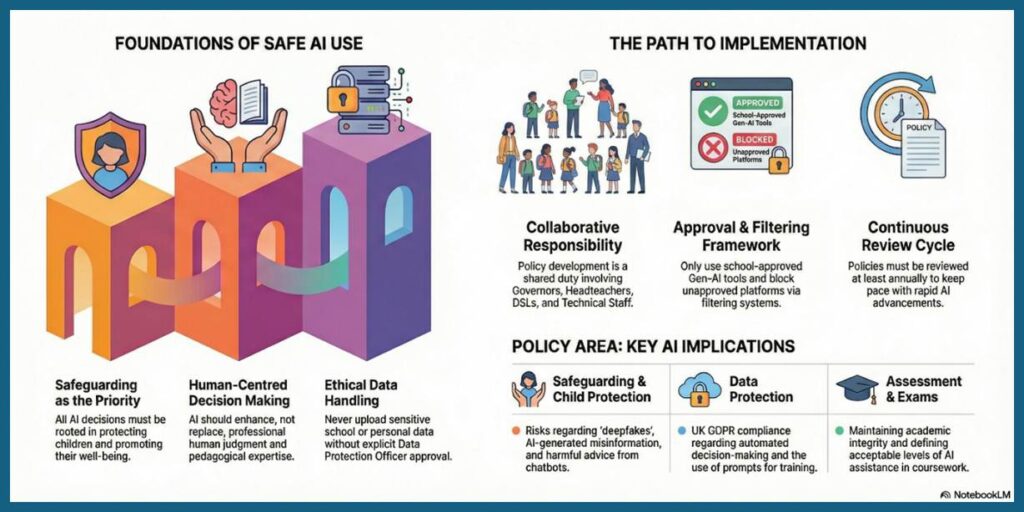











Recent Comments