As the North West of the UK sees more regeneration and development, groups like Integritas Property Group (IPG) are offering a beacon of sustainable development in recently undeveloped cities; sharing a commitment to building communities that not only thrive in the present but also for generations to come, instilling a sense of confidence in the long-term sustainability of their projects.
The heart of ethical development lies in a process that ensures every aspect of its projects embodies sustainability, from conception to completion. Liverpool, a city currently undergoing significant development and redevelopment, is a prime example of how developers can contribute to the creation of thriving communities. Ethical developer Integritas Property Group, with several projects in the city, strategically integrates sustainability strategies into every phase of development. This approach, starting with the careful selection of project sites and active engagement with local stakeholders, fosters a sense of community ownership from the outset. Through comprehensive environmental impact assessments, developers can evaluate potential consequences, paving the way for informed decision-making.
For ethical developers, sustainable principles guide every decision, with a particular focus on building design. Residential buildings and renovation projects are all centred around sustainable design and construction, adhering closely to established guidelines. Energy efficiency is a top priority, with features such as insulation, triple-glazed windows, and LED lighting, all contributing to a reduced environmental impact of development. These features not only benefit the environment but also enhance comfort and affordability for residents, making sustainable living a reality.
The commitment to renewable energy is also high on the agenda. Integrated solar panels and heat pumps will be installed across properties to reduce the carbon footprint and future-proof the developments against rising energy costs. Unlike fossil fuels, which are subject to price fluctuations and geopolitical risks, renewable energy sources offer long-term price stability. Investing in renewable energy systems for new buildings can provide a hedge against future energy price volatility, offering predictability and financial stability over the building’s lifespan.
Sustainable building materials, of course, play a pivotal role in the projects, as a focus on low-carbon materials, sustainably sourced timber, and recycled metals lessens the environmental impact of such big projects and construction. By prioritising the use of more ethical materials, it can be ensured that these buildings promote not only environmental sustainability but also occupant health and well-being. Sustainable building materials are typically designed to be durable and long-lasting, with properties that resist degradation, rot, and pests. Investing in high-quality, durable materials can prolong the lifespan of the building, reduce maintenance requirements, and minimise the need for frequent replacements, saving both time and money in the long run.
Water management and conservation are equally important, with innovative strategies like rainwater harvesting and greywater recycling minimising consumption. Installing water-efficient fixtures helps empower residents to play an active role in conservation efforts, fostering a culture of sustainability within communities. Compliance with these regulations is essential for avoiding penalties and legal liabilities. Implementing robust water management practices can help buildings meet regulatory requirements and demonstrate environmental responsibility.
The commitment to sustainability doesn’t end with new construction; developers are now also recognising the potential for impact in existing buildings, where thoughtful retrofitting can unlock significant energy and cost savings. Through comprehensive audits and tailored plans, new life can be breathed into older structures, bringing them in line with modern sustainability standards. This can be done with cutting-edge technology, such as improved insulation and window replacements to smart heating controls and renewable energy systems. If leveraging the latest innovations, building construction can maximise efficiency and minimise waste, ensuring that communities remain at the forefront of sustainability long into the future, providing a sense of reassurance and confidence in the long-term commitment to sustainable development.
The sociability impact can also be around supporting employment and the level of influence that a development has on a community. Based in Liverpool, Integritas Property Group, is committed to sourcing local workers and companies to work on these projects. This not only enhances the employability level of the area, giving locals employment for the duration of projects (which can range from one year to five years plus), but when creating many communities across a city, this is then creating a whole new employment pool for the area, offering local people ongoing work as more project and more communities under the brand develops.
An ethical approach to building and development is a great way to build new communities, and this can be defined by a commitment to sustainability and social impact. Whether this be from the careful selection of project sites, the integration of renewable energy, or the retrofitting of existing buildings. Through innovation, collaboration, and a relentless pursuit of excellence, projects like these are shaping communities and will continue to benefit areas for years to come.
As a project-management training and software company, working within central and local government, social housing and with SMEs, we see organisations faced with similar challenges and having to deal with the same issues, again and again. These include a disjointed approach to delivering change and transformation projects, people working in silos and inconsistency in the way projects and new tech are introduced into everyday work.
In few sectors is this truer than in local government. With increasingly stringent regulatory standards, the recent council elections and a possible new national government just months away, the need for effective project delivery and change management is a top priority.
By following some key principles, investing in people and using strong software solutions, many common project-management challenges can be overcome. Projects can realise the true potential their creators had in mind for them, they can save time and money, boost staff engagement and efficiency, and deliver better outcomes for the public.
We have recently completed a huge piece of work for a local authority based in the North West, who were embarking on a Cloud- migration programme. Firstly, they engaged us to review the project. They then asked us to help design and support the implementation of a new target operating model. This involved the establishment of new ways of working and crucially setting up a PMO to support the delivery of the council’s strategic plan. We trained the team in project management fundamentals, sharing our knowledge and providing tools to ensure that future projects are delivered efficiently and result in the best outcomes for the council and the public. Our work with the council has been a very good example of how to establish excellent project-management practices in local government and other organisations.
An important place to start, for an overall idea of your ability to deliver projects, is an in-depth governance review. It’s important to look at issues such as the way projects are established, managed and closed out, as well as how staff communicate, ownership and accountability within projects, and measuring and realising the benefits and outcomes that are expected to be delivered.
It’s vital to look at your team’s skills to make sure they are able to not only work on a project, but implement the outcomes on an everyday basis. We look particularly at project managers’ skills and how they are able to communicate the aims and actions needed for a successful result. We also look at staff perception of projects, to make sure it aligns with senior leaders’ visions.
Our analysis of all these issues combines to give our clients a holistic view of whether their projects are achievable or in trouble.
It’s also crucial that there is a clear business case for doing a project, with a golden thread back to organisational objectives. This ensures alignment and makes sure time and resources are used effectively, not wasted, and that the project remains on a critical success path.
Organisations must always look for the points at which a new project may overlap with other pieces of work or affect existing processes. You should ensure that there is good engagement between key stakeholders and so that no one is left confused or disgruntled and economies of scale can be achieved.
One of the key problems we see, particularly when helping with a technology project, is that outside companies often have their own methodology and project managers and are very focused on simply installing a piece of tech or other solution in an organisation. What gets missed is engaging the workforce on the benefits of the new tech and training them to use it. It’s a mistake to simply get IT teams to sort out a project and the tech provider to deliver it, without much other joined-up company thinking. If the staff aren’t ready for it or fully onboard with it, it is likely to be a massive failure.
Another vital aspect of project management, that many organisations don’t fully get to grips with, is transitioning the project into business as usual. If a new project feels dumped onto employees, without careful and transparent integration, it creates chaos, duplication of effort, people not working as a team and pointing the finger at each other, when things go wrong. Suppliers, too, must be fully made aware of how a new way of working fits in with them.
Working with clients we can tie all the various factors together to make sure that any project has a high success factor within any public sector organisation.
After the implementation of the new target operating model for our council client, our training has equipped the team with the key tools needed to self-manage projects sufficiently going forward. These include stakeholder mapping tools, planning tools, budget trackers and risk and issues management tools.
Public sector organisations need to make sure that everyone involved in the delivery of projects is trained in a methodology, like Flowlio’s, so they don’t work in silos, overlapping and bumping up against others’ efforts and creating risk for an organisation and the people they employ and serve.
Flowlio’s Ofqual government-accredited training course and our new end-to-end SaaS solution give people an overview and visibility on projects, right across the board. There are no hiding places for people not performing or engaging with an initiative.
People must have the right tools to develop and implement projects. They need to be prepared for any potential changes in work methods. Giving staff the tools they need to deliver successful projects is vital, we’ve seen many projects fail due to inadequate systems and information not being available, poor audit trails and single points of failure. It’s important to get access to the right information, in one place, and have a high-level overview and a detailed view of project performance. Our SaaS solution provides just that and more, it’s an enterprise-wide solution with end-to-end workflow and alerting, enabling teams to deliver joined-up change projects.
Having the right tools and systems enable people to do things quickly, because they strip out bureaucracy. They help avoid mission creep and allow project teams to deliver and close projects effectively. Our portfolio manager and performance dashboards provide visibility and transparency of project performance, helping senior leaders to make informed decisions, and Flowlio’s benefits recognition tool clearly shows senior leaders the worth of an initiative.
Project management can be a costly headache in large, complicated public sector bodies. But with software and training solutions from companies like Flowlio, it doesn’t have to be.
For more information about Flowlio’s project-management SaaS, training solutions visit www.flowlio.co.uk
Lincolnshire County Council (LLC) needed to improve and expedite its operational and financial highways management processes, from initial defect reporting through to completion confirmation of the final repair.
Over five years, the council saved more than £1.5m after using Confirm to replace old office systems.
The council also saved more than £3m of non-cash related savings due to improved efficiencies of its operations.
The use of Confirm Connect enables highways inspectors’ maintenance teams to spend longer in the field, without returning to the office between jobs to complete paperwork.
Case study:
Highways Officers can allocate resources to each reported issue while having insight into ongoing and future projects.
Lincolnshire County Council has reported both time and resource savings when carrying out maintenance and repairs since adopting the new reporting system, from Brightly, a Siemens company.
Richard Fenwick
The enquiry form system, within Brightly’s Confirm asset management solution for local government, allows Highways Officers in Lincolnshire to address reports made by the public by creating forward planning briefs (FPB).
FPB lists are automatically updated in the system, which streamlines the resource management process and ensures that issues are resolved in a timely manner.
How it works
Members of the public in Lincolnshire are able to report road-related issues – for example, potholes, flooding or a fallen tree – to the council. Highways Officers in Lincolnshire County Council can then create FPBs to set up a job for each reported issue. FPBs enable job timeframes and budgets to be allocated to a job and the system issues task orders to contractors who will execute the repairs. FPBs also enable the council to efficiently store vast amounts of information about jobs in a centralised system, including where and when they are taking place, and the completion status.
Richard Fenwick, Head of Highways Asset Management at Lincolnshire County Council, explains: “When a job gets raised, we calculate target costs for our service team. When the job is completed, we can look back and compare the estimate against what it ended up costing.”
He adds that when a FPB has been set up, an action officer (for example, a Highways Officer) is assigned, and they can set and update the job status according to its progress.
Confirm’s enquiry form system allows jobs to be viewed and filtered according to their status, date, priority level and electoral division, and it provides a visual map view showing the location of upcoming projects. Job information, as well as the map, can be viewed by all users of the system within the council, for example, Highways Officers. It can be shared with teams within the council who are not linked to the highways management team, as well as external parties, such as contractors, thanks to Confirm’s capability to integrate with numerous other software such as Power BI.
New and improved approach
Lincolnshire County Council started using Confirm for its asset management in 2010 and a few years ago, it rolled out the FPB system to centralise information about ongoing and future jobs, as well as improving collaboration.
Fenwick explains: “Before we started using enquiry forms for our ongoing and future schemes, job information was stored in spreadsheets – typically one per team. This meant that within a certain area, the Programme Leader for carriageways, the Surfaces Treatments Manager and the Highways Manager would each have a spreadsheet of schemes. If a local manager wanted to know what was happening in that area, they would have to ask and review each of those spreadsheets.”
The new approach, he says, is more efficient and consistent, saving the council more than £1.5m over five years.
It ensures that only one job per issue is reported, rather than duplicates. For example, if a pothole is reported and an FPB is created for it, officers and contractors will see it in the system and will be aware that it’s being resolved.
“The more areas using one source of truth, the better,” says Fenwick.
Efficiency first
The new system hugely saves on time, because officers and/or contractors in the field can view and update jobs on-site – with a phone or tablet, for example – and seamlessly move between jobs, rather than having to report to an office after each one to update relevant paperwork. The map view also enhances the logistics of repairs by enabling jobs to be addressed in order, based on proximity. For example, pot holes can be repaired from East to West of a route, rather than in no particular order.
Fenwick says: “We’ve had examples of people reporting a pothole in the morning and it’s been repaired before the end of the day. In cases like that, a Highways Officer was working in close proximity to the reported issue; they’ve been instantly notified of it and have been able to take care of it later that day.”
Fenwick says a key benefit of Confirm is its capability to be tailored to meet the needs of Lincolnshire County Council’s highways management team. Indeed, this particular system was purpose-built to enable better monitoring of current and future jobs, as well as related resource planning, yet other local authorities in the UK are using the software differently.
Fenwick says: “It’s a tool that is flexible enough to be shaped around the needs of us and our contractors. It’s a comprehensive, data-driven solution with a user-friendly interface that enables information to be viewed and extracted easily.”
Looking forward, Lincolnshire County Council is working with Brightly to enhance the system by enabling it to show logged jobs as far three years in advance. This will enable Highways Officers to better manage their resources – including budgets – across longer time periods.
Ultimately, by continuing to respond to reports in a timely and cost-efficient manner, Lincolnshire County Council is further improving the public’s trust in its capabilities, while a facilitating safe, thriving community.
Do you want to revolutionise your asset management? Click hereto learn more
OggaDoon, the leading Bristol-based PR agency, has shared highlights from their time working with the Ministry of Defence (MOD) and Logiq Consulting where they provided marketing and PR services to launch Secure by Design, UK Defence’s new approach to cyber security risk management. The collaboration saw OggaDoon research and produce a complex marketing and communications strategy to initiate cultural and behavioural change. This was followed through execution across the MOD generating substantial awareness and recognition and recall of Secure by Design, as project teams and leads adopted the new approach to reduce cyber vulnerabilities and increase resilience to attacks.
Secure by Design in Defence is the latest element in the UK Government’s adoption of early cyber risk identification and protection across its departments. For UK Defence and its supply chain, this heralds a purposeful shift from accreditation to ongoing self-assessment, moving cyber risk management into daily habitual activity. Secure by Design in Health, Secure by Design in Consumer Connectable Products and Secure by Design in the Cabinet Office are Government-led programmes that build towards a cyber-secure future for the UK.
OggaDoon was appointed in early 2022 to build a marketing programme that would reach people across all levels by utilising a multi-channel, multi-layered approach using shared key messages adapted to segmented audiences. With the MOD being a complex organisation with many levels and a myriad of stakeholders, information needed to be clear in catering to both military and civilian personnel to deliver awareness of this transformational shift in the organisation’s approach to cyber security.
Running alongside the development of the Secure by Design process, tooling and governance led by Logiq Consulting, the marketing communications plan was curated with audience engagement, research and testing over 15 months before the launch in July 2023. The launch and subsequent campaign combined strong, persistent internal communications and marketing, with external PR and media coverage as well as third-party event participation.
Internal to the MOD’s large headcount, OggaDoon, supported by Logiq Consulting, delivered regular communications including Lunch and Learns, Defnet articles, Secure by Design portal content, and weekly and monthly newsletter contributions. These were augmented with Defnet blogs, Town Hall sessions, an MOD-wide All Hands briefing, an All Questions session, an episode for the Cyber Confident podcast, 5+ case studies, 5+ fact sheets, 12+ articles for internal magazines/platforms, participation in internal cyber and security days, and a MODNET splash screen amongst other activities. OggaDoon was instructive in the inception of the Secure by Design portal (produced by Logiq Consulting). The Bristol PR firm also created the Secure by Design Working Comms Group which brought together communication leads from across the Frontline Commands and Top Level Budget holders.
Caroline Macdonald, CEO of OggaDoon, said:
“We used our experience of working with complex organisational structures to deliver effective marketing and communications for the launch of Secure by Design. It was a complicated process, keeping in mind the multiple organisations within the MOD and the sheer number of people employed.
“Following the initial launch, we continued to maintain the concentrated awareness marketing as we progressed throughout the organisation. At the same time, we started to deliver specific messaging about the finer details of Secure by Design, while adapting our content to suit the type of audience groups we were targeting.
“It’s been fantastic to see MOD teams and the UK Defence supply chain across all levels embrace this dynamic change. For over 15 years, we have helped public sector organisations and primes to implement change management using effective marketing and communications that connect with their intended audiences. Sometimes it can feel like an impossible task, yet it is achievable with good planning and steady execution.”
Following the official launch in 2023 for all new projects, Secure by Design is now embedded into the organisation with the transition ongoing until 2026. As of March 2024, over 200 projects have registered and started this adoption. The MOD is recognised for Secure by Design by the supply chain and other public sector departments as leading the way. 1,500 people attended the Lunch and Learn sessions to learn more about Secure by Design principles. In terms of PR, the content generated 20 articles, equating to 1,000,000 total monthly unique users. Now, it is part of the discussion with everyone talking about it.
More than 2,000 devices reported lost or stolen across seven government departments in 2023
Apricorn, the leading manufacturer of software-free, 256-bit AES XTS hardware-encrypted USB drives, has today announced findings from annual Freedom of Information (FoI) responses into data breaches and device loss within government departments. The results highlight an alarming number of customers potentially affected by breaches declared to the Information Commissioner’s Office (ICO) by the HM Revenue and Customs (HMRC) during 2023.
HMRC noted that the number of customers potentially affected by the 18 breach reports on notifiable incidents disclosed to the ICO totalled 10,209. This is concerning given the sensitivity of the data that HMRC houses which ranges from personally identifiable information (PII) to financial data concerning tax, benefits and pensions which could pose a significant risk if it should fall into the wrong hands.
Worryingly, the Driver and Vehicle Licensing Authority (DVLA), which declared 19 breaches in 2021 and just nine in 2022, disclosed a colossal 278 breaches in 2023. This marks a huge increase on previous years and implies that standards are slipping and that there’s work to be done in securing data.
Other departments disclosing data breaches included the House of Commons which experienced 41 data breaches in total and the House of Lords which disclosed eight Near Misses (where there may be no evidence that data has been accessed inappropriately) Losses and Breaches. Of these eight incidents, one was recorded as a Loss and one as a Breach.
“Government departments will inevitably fall victim to data breaches due to the valuable data they handle, but it’s positive to see these breaches being rightfully declared to the ICO. However, the effects and repercussions for the government departments and their customers could be hugely detrimental. With so much at risk, a back-to-basics approach may well be required to establish how so many breaches are slipping the net”, said Jon Fielding, Managing Director, EMEA Apricorn.
Breaches aside, of the 15 departments questioned, nine declared the loss and theft of multiple organisational devices. The HMRC again tipped the scale, having reported 1015 lost and stolen devices, including 583 mobiles, 428 tablets and four USBs. Somewhat more than the 635 that went amiss in 2022, 346 in 2020 and 375 in 2019. A significant number of the reported phone losses were, however, the result of an internal audit of legacy phones that had been replaced with newer models.
Amongst others, the Ministry of Justice misplaced 653, the Department for Energy Security and Net Zero – 122, the Department for Education (DfE) – 78, Home Office – 153, House of Commons – 65, and Department for Science, Innovation and Technology – 54.
“The number of devices being lost or stolen within these departments is huge and whilst they are all encrypted, it’s important that they have robust back-up plans in place. This is particularly prudent in the throes of a ransomware attack which is highly plausible with such sensitive data at play. Ensuring they have at least three copies of data, on at least two different media, with at least one copy held offsite is a must. Equally, the recovery process must also be rigorously and regularly tested to ensure full data restoration can be achieved effectively,” added Fielding.
An HMRC spokesperson told GPSJ: “Security and privacy are at the heart of our work as we deal with tens of millions of customers every year.
“We take quick action to deactivate any lost or stolen devices and investigate all security incidents, taking steps to reduce future recurrences.”
Background
All HMRC standard issue devices are encrypted to HMG standards, and they are all deactivated remotely once they have been reported lost or stolen.
We constantly monitor and review our security measures, strengthening them where required.
Furthermore, HMRC staff are required to report all lost or stolen HMRC IT devices as security incidents and all security incidents are investigated. After the loss / theft has been reported, IT devices are sometimes subsequently located and recovered.
About the FoI Requests
The research was conducted through Freedom of Information requests submitted through Whatdotheyknow.com. The requests, submitted between February and April 2024, along with the successful responses can be found here.
ScottishHealth Secretary announces additional £100,000 for the initiative.
A programme which uses football to promote mental health and wellbeing has received additional funding from Scottish Government.
The Changing Room – Extra Time initiative has been awarded £100,000 for a fourth year.
It builds on The Changing Room – a 12-week programme which takes place at football stadiums across Scotland and supports men to open up as they participate in walking football games, stadium tours, pitch-side walks and talks from a motivational speaker.
Extra Time aims to give people the chance to speak in more depth about their mental wellbeing and explore areas which are giving them particular challenges or concerns.
The programme is delivered by SAMH (Scottish Action for Mental Health) in partnership with the SPFL Trust and associated community trusts at Aberdeen (AFC Community Trust), Rangers (Rangers Charity Foundation), Heart of Midlothian (Big Hearts) and Hibernian (Hibernian Community Foundation) football clubs.
Health Secretary Neil Gray, who visited the initiative at Pittodrie, home of Aberdeen FC as part of Mental Health Awareness Week, said:
“We know that it’s never been more important to look after our physical and mental wellbeing. It is pleasing to see this initiative go into its fourth year and to hear that is really is making a difference to people’s lives.
“We shouldn’t be afraid to talk about how we are feeling and this project has really helped people open up about their mental health.”
Billy Watson, Chief Executive at SAMH said:
“The Changing Room – Extra Time project changes lives. It builds confidence, helps get relationships on the right track and it has even saved lives.
“Football and mental health are a great match. What this project shows is that football fans are not just comfortable talking about their mental health, they’re really keen to do so – as long as it’s in the right place. The Changing Room – Extra Time is the right place and we’re really grateful that the Scottish Government has agreed to continue to fund it.”
Kyle Hewitt, 37, from Dyce attended Changing Room Extra Time at Aberdeen FC and said:
“I grew up aware of mental health and its potential impacts on people and those around them because of my own experience. But sometimes I didn’t feel like I had the ability to face the world. I had low moments as a parent and a husband, I wasn’t always nice to be around and I could be hyper-critical of myself.
“Then I embarked on a journey through Extra Time with like-minded men and amazing facilitators from SAMH. I realised I had been deflecting, avoiding and bottling things up. I was able to give myself credit for what I was doing. I also became more resilient and better at creating positive habits and finding ways to change my outlook and mind-set. I have thrived as a result.”
Aberdeen Community Trust Chief Executive, Liz Bowie said:
“We are delighted to deliver the Changing Room Extra Time programme at Aberdeen FC Community Trust, working in partnership with SAMH and the SPFL Trust. We have learned so much through the support of SAMH, which has ensured that our staff are appropriately trained and mentored to provide excellent support to the men who participate in this initiative. We have seen amazing results and crucially have watched strong, supportive networks build amongst the participants which extend well beyond the term of the course itself. Football is a force for good and is so powerful in encouraging men to talk and open up to each other in support of their mental wellbeing.”
FourNet becomes the only partner in the UK to earn the top tier accreditation
Digital transformation and customer experience experts, FourNet, have been awarded Platinum Status by NICE, one of the world’s leading CX AI providers.
FourNet is one of just four Solution Providers this year, and the only partner in the UK, to earn the top tier accreditation, which is part of NICE’s Partner Programme.
Globally, only 14 companies across all partner types have reached NICE Platinum Status this year.
“Being a Platinum Partner brings with it a range of positive benefits for both our companies. We look forward to continuing to grow together, and to benefit our customers as a result.”
“Our partnership with FourNet is a great example of what it means to partner for success. Working with FourNet to deliver best in class solutions brings benefits for both of our customer bases,” said Darren Rushworth, President, NICE International.
“We are thrilled to be able to award them with Platinum Partner status, which is a significant milestone.”
Both businesses have recently been engaged in a customer experience project for UK dementia charity, Alzheimer’s Society, which is expected to transform the organisation’s dementia support services and fundraising capabilities.
“Achieving Platinum Status is a very strong indication of the incredibly important working partnership FourNet has with NICE,” said Richard Pennington, FourNet CEO.
The contact centre solution has been tailor-made to ensure best-in-class support for people living with dementia, with key input to the design from people with lived experience through Dementia Voice, Alzheimer Society specialists and their Dementia Friends programme.
Award-winning FourNet is one of the fastest growing privately owned technology companies in the UK, providing communications, cloud, contact centre, managed service and secure infrastructure solutions to a broad range of enterprise and public sector organisations.
With offices in Manchester and Derby, FourNet works with some of the most critical and secure organisations in the UK, including more than 30 UK Government departments and agencies, as well as emergency services and local authorities.
The Institute of Economic Development (IED), the UK’s leading independent professional body representing economic development and regeneration practitioners working for local and regional communities, has launched its Early Career Network: a dedicated platform to enable those in the early stages of their economic development careers to connect and collaborate.
The network’s mission is to create a pool of resources to help members’ progress their careers and build their knowledge of the opportunities available within the economic development industry via networking events, accessible channels of communication, and other activities including talks with experts on economic development.
As well as a dedicated on LinkedIn group, meetings will typically run on a monthly basis and take place online. These meetings will be accessible via a link shared exclusively to members in the network’s WhatsApp group chat, and include:
‘Talks with experts’ – a series of interview-style sessions with speakers from the economic development sector, as suggested by members of the network.
Spotlight sessions – where members of the network take time out of the meeting to explain and describe what their day-to-day roles consist of, as well as sharing industry and events information. This will allow for networking and further understanding of the opportunities within the sector.
Bi-weekly admin meetings – run by a core group of five volunteer members, these meetings will take place to enable the ongoing running of the network and for members to touch base if they would like to. This group, which will rotate, will also own communications platforms and publish content.
Micaela Benvenuto, an Economic Development Consultant at Mickledore, is one of the volunteer members driving the network.
“We are really excited to launch the Early Career Network, which brings a valuable opportunity to connect with others in the early stages of their economic development career, and already we have 40 members,” she said. “Not only will members gain on-the-ground industry insights from other members, they will be able to expand their professional network which could lead to new business partnerships and/or potential career opportunities. Members can also build their personal brands and professional credibility by being a part of a network affiliated with a well-renowned organisation such as the IED.
“From my perspective, it is helping me to explore different areas of economic development and connect with peers of the sector to understand how we can better partner up to intervene in ways that may produce positive outcomes.”
The network is open to anyone who is a member of the IED and in their early stages of their economic development career or aspiring to join the sector, including students. Those who do not hold an IED membership but are interested in joining the network are encouraged to communicate with admin@ied.co.uk and attend one of the network’s meetings and/or be co-opted into the group for an agreed period of time.
Claire Hill, Economic Growth Officer at West Lindsey Council, told GPSJ: “Having worked across the private, not-for-profit and public sectors, I have arrived in economic development later than others. The professional networks I have already established are outside of this area of work. The Early Career Network therefore seemed an ideal opportunity to connect with others in a similar position, and further my understanding of the wider work happening in this field.”
“I am excited by the opportunities this network brings, especially in terms of learning from my industry peers and staying up-to-date with the latest developments,” added MartinOwen, Planning/Regeneration Consultant at BE Group.
IED Executive Director Nigel Wilcock commented: “The Early Career Network is a fantastic initiative to unite professionals in the early stages of their career across the economic development sector. It is built very much on the principle of co-creation between members of the network, and we are excited by its potential to inform and inspire the progression of up-and-coming economic development professionals.”
More information about the Early Career Network, and its membership, can be found here.
With nearly 1,400 IED members overall, professionals are drawn from the public sector (local authorities, universities and government departments) and the private sector (consultancies supporting economic development in its widest sense). For higher education the IED offers student membership for full or part-time students working towards a qualification in a relevant discipline but who are not in employment.
Procurement organisation and social enterprise Fusion21 has announced the renewal of its national Materials Supply and Associated Services Framework, worth up to £250 million over four years, and is now inviting bids from interested suppliers providing regional or national coverage.
Designed to supply construction materials to housing providers, as well as the wider public sector, managing the delivery of repairs and maintenance works, the framework can accommodate multi-year contracts and will provide access to all goods required throughout the property life cycle.
Offering innovation in technology and service delivery solutions, and a new lot for ‘Adapted and Accessible Living’, the framework will assist members in achieving greater operational efficiencies, in addition to improving first-time fix performance.
Split into a total of 6 lots, the structure is:
Lot 1 General Building Materials
Lot 2 Electrical
Lot 3 Plumbing and Heating
Lot 4 Managed Services
Lot 5 Kitchens
Lot 6 Adapted and Accessible Living
Peter Francis, Group Executive Director (Operations) at Fusion21 told GPSJ: “In response to member and supplier feedback, our streamlined offer launches in September 2024, enabling the housing and wider public sector to manage built assets effectively, while enhancing business performance.
“The renewal of the framework includes both energy-efficient and net-zero products and can implement contracts that support innovation and net-zero ambitions, having a positive impact on communities and the wider environment.
“Providing a compliant framework, the refreshed offer has a variety of cost models and flexible call-off options and as with all of Fusion21’s frameworks, the Materials Supply and Associated Services Framework will help members to deliver social value they can see in communities, aligned with their organisational priorities.”
Tender applications are welcome from interested organisations that meet the criteria set out in the tender documentation, now available on the Delta e-Sourcing Portal via the following link: hubs.li/Q02wm2190
The submission deadline is Friday 14 June 2024 at 10am.
UK trade association AXREM and health tech specialist agency Highland Marketing have formed a new partnership, to help support a sector that serves vital healthcare services.
Sally Edgington
AXREM represents member companies that collectively provide UK hospitals with most of their diagnostic medical imaging technology, and radiotherapy equipment.
Mark Venables
The association has seen substantial growth in recent years, with membership also including suppliers of health IT, AI and care equipment such as patient monitors. AXREM helps to facilitate cross industry dialogue on key issues affecting the sector.
Highland’s team has extensive experience building brands and telling stories for health technology providers of all sizes. It has generated substantial media attention for the sector and has created countless headlines that demonstrate the positive impact of technologies within healthcare.
Highland Marketing has become highly regarded as a champion of the health tech sector for more than two decades. The agency provides a full range of communications, content, marketing, research, and consultancy services, complemented by an influential advisory board with NHS CIO, CNIO and CCIO experience.
The new partnership will help to combine and leverage expertise across the two organisations, including the delivery of a webinar series around marketing best practice in the industry for AXREM members.
Sally Edgington, AXREM’s CEO, said: “Our members work closely with radiologists, radiographers, oncologists, and many other healthcare professionals throughout the UK to deliver technologies that make a meaningful difference to patient care. They have a powerful story to tell, and a great deal of expertise in areas of healthcare that are currently undergoing significant transformation. I look forward to working closely with Highland Marketing, who will no doubt have many valuable insights to share with our membership.”
Mark Venables, CEO for Highland Marketing, said: “The UK’s health tech sector is a thriving marketplace that plays a significant role in supporting the NHS and UK healthcare more widely. AXREM has built a strong reputation and represents a focussed and important part of that market – which we have already been fortunate to support. We look forward to collaborating and sharing expertise to help to spread the story even further.”
Ahead of the BBQ and campfire season, Bar-Be-Quick, the UK’s pioneer of the instant barbecue, has created a nationwide BBQ and Campfire Safety Code to ensure people can enjoy cooking outside safely.
Local Authorities across the country have their own legislation to deter people from using barbecues or campsites in areas of high risk—for example, moorland. In recent years, due to climate change, the UK has seen hotter and drier summers, which have been a tinder box when people think they know about fire safety but are unsure about best practices.
Caroline Morris from Bar-Be-Quick says, “Outdoor living is super popular in the UK—in recent years, there has been a boom in consumer spending on little outdoor havens for entertaining and living. Whilst we want people to enjoy outdoor dining, it is all of our responsibilities to equip the consumer with the education needed to minimise error.”
Preventing fires from BBQ and campfire use is crucial to ensuring a fun and worry-free experience. Bar-Be-Quick has launched a BBQ and Campfire Safety Code this month to educate people across the UK about the dangers of using instant barbecues and campfires in the countryside or a park, on a beach—and even at home.
The Bar-Be-Quick BBQ and Campfire Safety Code is available to consumers on its packaging, website and social media channels. A PDF copy is also downloadable for its website [insert link] for local authorities to post on websites and community notice boards.
BBQ and Campfire Safety Code
Choosing the Right Spot for Your BBQ or Campfire
Identifying an appropriate location is vital for the safe enjoyment of BBQs and campfires. Ideally, choose a level area, ensuring it has no potential fire hazards such as dry grass, bushes, or low-hanging branches. Proximity to flammable materials can quickly escalate a controlled fire into a dangerous situation. If your chosen venue has designated BBQ spots, it’s important to utilise these facilities, as they are designed to mitigate risks associated with open fires.
Adhering to any local regulations or signage regarding fire use will also help prevent accidental damage to natural surroundings or incurring penalties.
By selecting an optimal spot, you contribute to the safety and enjoyment of your outdoor cooking experience.
Preparing for Safe BBQ Use and Campfire Management
Before lighting your BBQ or campfire, taking precautionary measures is essential to prevent potential fires. It is recommended that emergency extinguishing methods be used at hand, such as a bucket, bottle of water, or fire extinguisher. When using a disposable BBQ, it is crucial to place it on a stable, non-flammable surface and to follow the provided safety instructions. Avoid using accelerants like lighter fluid, which pose a significant risk of causing uncontrollable flare-ups. Additionally, ensuring your cooking area is free of debris and combustible materials will protect against unexpected fires. These preparatory measures are essential in creating a safe environment for outdoor cooking adventures.
Lighting Your BBQ or Campfire Safely
Approaching the task of lighting your BBQ or campfire with caution is essential. Use extended matches or a specialised BBQ lighter to initiate the flame, ensuring your face and hands are kept at a safe distance to avoid burns. If constructing a campfire, start with smaller kindling and progressively add larger logs as the fire stabilises, building it up slowly. Never leaving the fire unattended once lit is important – vigilance is critical to a safe barbecue or campfire experience. Moreover, maintaining a perimeter that keeps children and pets well away from the heat source is a crucial safety measure.
Monitoring and Controlling the Fire
Vigilance is crucial once your barbecue or campfire is alight. Continuously monitor the flames, being prepared to adjust the air reaching the fire to keep it under control. It’s essential to resist the temptation to overload the campfire with excess fuel, as this can rapidly escalate into a dangerous situation. When the flames become unexpectedly vigorous or show signs of spreading, it’s essential to act swiftly, utilising water or a fire extinguisher to douse them. This proactive approach ensures that the fire remains manageable throughout its use, contributing significantly to a safe and enjoyable outdoor cooking experience. Remember, effective fire control ensures your safety and the surrounding environment, helping to prevent the increased risk of fires during hot weather.
Extinguishing Your BBQ or Campfire Properly
Ensuring that your barbecue or campfire is entirely extinguished is crucial in practising safe BBQ use and preserving the natural environment. Begin by allowing the flames to reduce to a low glow, which indicates that the fire is nearing a state where it can be safely managed. Proceed to gently douse the embers with water, doing this slowly to avoid creating steam or scattering ash. Stirring the ashes thoroughly is essential, exposing any hidden pockets of heat that could reignite. Add water and stir until you are confident that the embers are cool. It’s essential to ascertain that no warmth emanates from the remains, as even the slightest heat can be a catalyst for another fire. Before leaving the site, ensure that all residual materials are disposed of appropriately, according to local guidelines, to mitigate further environmental risk. Most instant barbecues are recyclable and reusable.
Leaving No Trace Behind
Ensuring that the picnic areas remain as clear and tidy as when you arrived is a crucial aspect of responsible outdoor cooking. Any refuse generated from your BBQ or campfire activities, including food remnants, packaging, and disposable BBQs, should be cleared away. Proper disposal of leftover charcoal or ashes is equally important; they must be cooled thoroughly before being safely discarded to prevent any risk of reigniting.
It’s essential to take any rubbish with you until you find disposal facilities, as leaving rubbish behind detracts from the area’s natural beauty and could contribute to environmental damage or pose a fire hazard.
By adopting a conscientious attitude towards cleanup, you safeguard the environment and ensure it remains enjoyable for future visitors.
Practising this BBQ and Campfire Safety Code will ensure outdoor eating can be done safely while minimising our impact on the environment. This will allow us all to enjoy outdoor living without a detrimental footprint.
With Mental Health Awareness Week started, senior leaders and mental health experts have joined forces to launch the Trauma Toolkit for Teachers, a comprehensive resource aimed at helping schools support students through trauma-informed teaching strategies.
With a staggering 500,000 children in the UK currently waiting for mental health support, the need for early intervention and trauma-responsive approaches has never been more critical.
Erin Docherty, National Mental Health Lead for Oasis, highlights the importance of early intervention and trauma-responsive approaches, quoting Desmond Tutu: “We must move from being trauma-informed to being trauma-responsive. Early intervention is crucial at every level. It’s the difference between securing a life where young people thrive as opposed to watching them just survive.
Patrick Ottley-O’Connor, Leadership Consultant & Coach, echoes this sentiment “We must encourage, engage & empower all children & young people to see and own their own mental health & wellbeing reality, before finding solutions (with support) and then taking action to improve things for themselves to build positive emotional, social, communication, and thinking skills and behaviours to adapt.”
The Trauma Toolkit for Teachers aims to address the pressing need for support in schools by providing educators with practical strategies and resources to recognise and respond to trauma effectively. Laura Tristram, drawing from her experience as a teacher and mother, spearheaded the initiative to empower teachers to foster resilience and wellbeing among their students.
Laura, Mental Health and Wellbeing Lead at Lumii expressed concern over the increasing mental health challenges faced by young people, particularly in the post-pandemic era. “We must move from being trauma-informed to being trauma-responsive,” she said, “Early intervention is crucial at every level; it’s the difference between watching young people just survive or thrive.”
“Trauma is like being chased by a tiger; our goal is to equip teachers with the tools they need to understand, recognise, and adapt their teaching to support traumatised students effectively,” added Laura.
With contributions from professionals in the field, The Trauma Toolkit has developed in collaboration with leading experts, including Laura Tristram, Mental Health and Wellbeing Lead at Lumii, Emma Loker, Adolescent Psychotherapeutic Counsellor, and Erin Docherty, National Mental Health Lead for Oasis Community Learning, Cathy Davies, Executive Headteacher, Rachel Jones, Headteacher andAndrewCowley, Wellbeing educator, speaker and author, offers insights into understanding trauma, recognising its signs, and implementing trauma-informed practices in the classroom.
The Trauma Toolkit for Teachers addresses the intersection of trauma and learning differences, provides strategies for educators to create safe and supportive learning environments, and emphasises the role of trauma-informed teaching in enhancing academic success and emotional wellbeing.
The Trauma Toolkit for Teachers is a collaborative effort aimed at equipping educators with the knowledge and resources to support students’ mental health and wellbeing effectively.
For further information or to download the Trauma Toolkit for Teachers, please visit:
Herefordshire and Worcestershire Health and Care NHS Trust has successfully implemented Alcidion’s Miya Precision platform to streamline bed management workflow across seven community hospitals in Worcestershire. The trust delivers community nursing and therapy services within the county, as well as being the main provider of mental health and learning disability services across Herefordshire and Worcestershire.
The trust recognised the need to transform bed management processes within its community hospitals by implementing an electronic patient flow solution to reduce the volume of manual administration tasks, such as phone calls and emails. The implementation of Alcidion’s patient flow solution gives the organisation a real-time view of bed capacity, pending discharges, and discharge activity tracking to coordinate and support a safe and effective discharge process.
The trust is pursuing a staged approach to this transformation, starting with the implementation of Miya Precision, which will provide a trust-wide orchestration layer, seamlessly integrating clinical and patient data with its existing PAS system via the FHIR standard.
With this platform in place, phase one focussed on delivering the foundation for a new bed management workflow across community hospital wards. The platform module, Miya Flow, facilitates real-time monitoring of patient movement via electronic journey boards, empowering the trust’s staff to proactively identify bottlenecks. Miya Access was also implemented and takes advantage of clinical data to optimise bed allocation decisions, further enhancing the patient journey.
Kath Stanbra, associate director of County Wide Community Services said: “The implementation of Alcidion’s bed management solution has been positively received by staff working on the wards. A benefit of note has been the real time visibility and enhanced operational oversight of the patients journey from admission to planning a safe and effective discharge.
“The support provided by Alcidion throughout the roll-out has been exceptional. The company’s project manager and team worked in partnership with us to tailor a solution and system processes; resulting in the seamless implementation of our new patient-flow system.”
Phase two, in the planning stage, will optimise and expand on the current functionality to include Miya Command and Alcidion’s Patientrack electronic observation and early warning system (e-Obs). The trust’s vision is to provide a seamless transition for nurses to navigate between Miya Flow and NEWS2 observation capture via Patientrack.
Building off the previously implemented modules, Miya Command displays the expected demand in the context of available resources. This graphical real-time visualisation will immediately highlight potential constraints.
Alcidion managing director Kate Quirke commented, “The transition from manual administration tasks to Alcidion’s Miya Precision has empowered staff with trust-wide visibility into capacity, facilitating proactive bottleneck identification and efficient patient flow management. We are delighted to witness the positive impact of Precision on enhancing patient care delivery at Herefordshire and Worcestershire Health and Care NHS Trust.”
By Jan de Graaf (Signify), Francesco Martini (Inventronics) and Carsten Moellers (Green Gems)
Zhaga enables luminaire manufacturers to design serviceable indoor luminaires with replaceable components that prolong their useful life, contributing to a circular economy.
In the pursuit of sustainability, the lighting industry is undergoing a profound transformation, driven by the imperative to embrace circularity. As the world’s demand for energy-efficient lighting solutions continues to soar, the need for serviceable indoor luminaires has never been more pressing. Zhaga, a pioneering consortium, is at the forefront of this paradigm shift, revolutionizing the way indoor lighting systems are designed, manufactured, and utilized.
Zhaga’s mission is clear: to enable luminaire manufacturers to create serviceable indoor luminaires with replaceable components, thus prolonging their useful life and contributing to a circular economy. This commitment to serviceability aligns seamlessly with the ethos of the Right to Repair movement, which advocates for the repairability of consumer goods across various industries, including lighting.
Zhaga Book 26
Legislators and decision-makers worldwide are recognizing the pivotal role of serviceability in advancing the circular economy. For example, in Europe, the “Single Lighting Regulation” is in force, setting product design requirements pushing the move to a circular economy. The published provisional agreement of the” Ecodesign for Sustainable Product Regulation (ESPR)“ looks to require that lighting products be designed to not only be more reliable, with a longer lifetime and contain more recyclable material, but also be easier, upgrade and repair. Additionally, it is expected, the future review of the so called “Single Lighting Regulation”, will set additional resource efficiency requirements for lighting products, concerning the removability and exchangeability of light sources and control gears.
Enter Zhaga’s concept of ‘circularity lighting’—a holistic approach that emphasizes enhanced serviceability through modular design and standardized component interfaces. Zhaga achieves this through a series of specifications known as ‘Books,’ each defining the interface of specific LED luminaire components. From LED modules and sensors to communication modules and control gear, Zhaga Books lay the foundation for a new era of serviceable indoor lighting.
Among the key Zhaga Books driving this transformation are Books 7, 14, and the upcoming Book 26. Book 7 delineates a family of linear and square LED modules suitable for indoor lighting applications, offering maximum design freedom while ensuring ease of installation and maintenance. Book 14, recognized meanwhile as IEC Standard 63356-1, focuses on a family of flat, linear, socketable LED light sources that are suitable for low-profile linear lighting. Book 26, on the other hand, defines a cost-effective interface for replaceable linear LED modules, facilitating plug-and-play interoperability and late-stage configuration.
Also relevant to indoor lighting is Book 20, which, together with D4i certification by the DALI Alliance, defines a smart interface between an indoor LED luminaire and a sensing and / or communication modules. The node connects to the LED driver and control system, and typically can provide sensory inputs or enable communication between network components. These nodes can be installed and replaced in the field.
Two other Zhaga Books that are relevant to the serviceability of indoor luminaires are 24 and 25, both of which deal with Near Field Communication (NFC) technology. The extremely short-range wireless communication standard allows manufacturers to configure such lighting components as LED drivers to their specifications, both before and after installation – which can play an important role in enabling circularity lighting.
NFC also lets you manage data over the luminaire’s entire lifecycle, from production to installation, maintenance, replacement and repair. Having such lifecycle data not only helps increase efficiency, it also promotes products that use a modular design and that can be easily repaired and upgraded.
The diagram illustrates how various Zhaga Books contribute to the serviceability of LED drivers, modules and sensor and/or communication modules.
The inside of the graphic points to a minimum serviceability while the outside refers to a maximum serviceability.
Minimum serviceability means that the component is replaceable and only that. Maximum serviceability however indicates that the component is replaceable, based on a global standard, is plug and play, has a socket, and in case of a driver is programmable with NFC.
The benefits of Zhaga’s approach extend beyond manufacturers to encompass stakeholders across the lighting ecosystem. Luminaire manufacturers stand to gain interoperability, access to global markets, and compliance with evolving regulations. City governments and building owners benefit from future-proof investments, while lighting designers and architects enhance their value proposition by recommending circularity-based lighting solutions.
By embracing Zhaga’s vision of circularity lighting, the lighting industry is poised to navigate the challenges of a rapidly changing landscape, characterized by evolving regulations and growing consumer demand for sustainable solutions.
In conclusion, Zhaga’s relentless pursuit of serviceable indoor (and outdoor) luminaires marks a significant milestone in the journey towards a circular future for the lighting industry. By standardizing interfaces and promoting modularity Zhaga is paving the way for a more sustainable and resilient lighting ecosystem.
The Highland Marketing advisory board discussed social care and technology a year into the Covid-19 pandemic. Three years on, there has been progress and set-backs, leaving plenty of questions for an incoming government.
The Highland Marketing advisory board last discussed adult social care in April 2021; a year into the Covid-19 crisis that had demonstrated its value – while highlighting some of its challenges.
The sector had gone into the pandemic facing a chronic shortage of funding and staff, while the Covid-19 response highlighted that care homes and domiciliary providers lacked wi-fi, electronic health records, effective communications, and monitoring technology.
Not enough of the vision thing
When Boris Johnson took over as prime minister, he promised to “fix” the crisis in social care “once and for all.” In December 2021, as his government reluctantly prepared for its third lockdown, it issued a ten-year “vision” for the sector.
‘People at the Heart of Care’ came with a headline pledge that people would no longer need to sell their houses to fund their care, and that £1.5 billion would be invested in housing, workforce and technology. Two years on, the Commons’ public accounts committee found this has fallen well short of a fix.
Days before the advisory board revisited its discussion of social care and technology, the PAC warned the promised funding had been scaled right back and the government no-longer has a roadmap, milestones or targets for the sector after March 2025.
Meanwhile, adult social care now accounts for as much as 70p in every pound of council funding, pushing an increasing number towards bankruptcy. Brexit has not helped vacancy rates, which have reached 152,000. Providers are struggling with the cost of fuel, heating and food. Yet, almost inevitably, demand continues to rise.
Digital social care records: two thirds of the way there
There have been some positives in the past three years. Integrated working is still on the agenda, even if progress has been slow, with NHS England and integrated care systems focused on finances and waiting lists.
The government has launched a plan to develop the domestic care workforce, with a new, accredited qualification, and a career structure with defined job roles. And there has been some progress on digital.
In fact, Claire Smout, head of digital skills at Skills for Care, told the advisory board that the £100 million ‘People at the Heart of Care’ earmarked for digital skills and technology is one of the few pots of funding that have not been raided and are still being spent.
The money has gone into three areas, starting with digital social care records. Smout said Care Quality Commission figures suggest “about 67% of care companies now have a digital social care record of some sort.”
Money has also gone into ‘digital readiness’ such as wi-fi provision, cyber security, digital skills and training, and into care tech pilots, ranging from using AI to help with scheduling, to installing Alexa and other voice-activated devices in people’s homes.
Data and interoperability standards
Even so, there’s a lot left to do. There are 18,000 social care providers in England, and while there are some large chains, many are small and simply cannot afford technology. “We’ve got small providers who cannot afford to put the infrastructure in place for digital social care records,” Smout said.
“They struggle to find investment for thewi-fi, or the tablets, never mind the licences. So, over the next two to three years, there’s likely to be a cross-over where we have some care providers that are paper-based and some that have moved on electronically.”
At the same time, the CQC doesn’t have a definition for digital social care record, so it’s not clear what systems that 67% of providers have deployed. Smout’s colleague and advisory board member Jane Brightman said an assurance framework has been developed to address this and drive-up quality.
Poor social care leads to poor healthcare
This will be issued against a background of policy activity to address data quality and interoperability. An updated Care Data Matters strategy has been issued to make sure data can be captured once and used many times.
While, days after the advisory board meeting, the DHSC issued a prior information notice for an interoperability platform and services to share data with health providers and shared care records.
Strategies to recruit, retain, and upskill the workforce
On the training and skills front, Skills for Care has been commissioned to develop a Digital Skills Framework for its sector. Smout said it covers seven areas, ranging from ethics to cyber security and data management.
Each area sets out the skills that anybody working in social care should have, while another sets out the skills that those in more senior positions require. The framework has a learning and development framework attached to it, with a free e-learning platform holding videos and other resources, and a database of training providers.
“The framework has been developed with the sector,” Smout stressed. “It’s very interactive, and it’s not designed to sit there, gathering dust.” Nor is it being developed in isolation from other workforce initiatives. The DHSC is working on a strategy for digital, data and technology (DDaT) staff.
While Skills for Care has been tasked by its sector with developing an adult social care workforce strategy, as the government has not commissioned one.
Brightman said the strategy, which should be published in July, will cover one-to-five years and five to 15 years, so it can address immediate challenges – such as the collapse in apprenticeships – and longer-term ones – like creating new digital roles to support new ways of working.
How far will the money stretch?
With all this going on, it’s clear the digitisation of social care still has some way to go. And advisory board members questioned whether there is the money to do it.
Neil Perry, a consultant and former acute trust chief information officer, noted that £100 million is just 5% of the money the NHS is putting into its frontline digitisation programme to implement and upgrade electronic patient records.
“The breadth of social care, the number of places in which it works, it can’t be any simpler than the NHS, surely?” he mused. “So, the question is: how is that £100 million going to stretch?”
“The positive is that social care is a greenfield,” Brightman said. “We haven’t got some of the structural problems with technology that the NHS has got. “We’re not years down the line with long, unwieldy contracts with our suppliers.”
Having said that, she acknowledged that with 18,000 providers to cover, the government has effectively said: “we can’t do all of it” and: “we can only put a little bit in.” And that will run out at the end of the three-year spending review period next March.
Finding drivers for adoption
Andy Kinnear, another consultant who formerly worked for an NHS commissioning support unit, admired how far that “little bit” had been stretched. “You’re getting these dreadfully meagre crumbs off the table, so the fact that you are still smiling and so positive is an incredible achievement,” he said.
But in the absence of funding, he wondered what other drivers are available. Smout said a lot of impetus will come from the Care Quality Commission, which has issued guidance suggesting providers will need to adopt digital social care records to remain ‘good’ or ‘outstanding’; and instructing them to complete the Data Security Protection Toolkit.
Skills for Care is also looking at how it can drive the skills and training agenda by building these into other frameworks. “The new care qualification, for example, will be available for new staff, so how can we make sure digital skills are embedded into that – and into some of the other mandatory training that people have to do?” she asked.
Finding solutions, engaging policy makers
Both Brightman and Smout stressed that finding practical solutions is essential to keep ministers and Treasury officials on board. “What I have learned is that the government just doesn’t listen if we go in cap in hand, saying social care is a nightmare, and you need to fund this, this and this,” Brightman said. “So, what we’re trying to do is come up with positive solutions they can work with.”
James Norman, a former acute trust CIO who now works on the supplier side, accepted the point, but wondered if things would change with a change of government.“What about Labour,” he asked: “Do they give any indication of funding this?”
Brightman said the party seems to be interested in a National Care Service, but its immediate priorities are likely to be a new offer on pay, to attract and retain more staff, and further investment in digital.
On top of everything else discussed, Kinnear suggested the party should look for ways to commission new, digital models of care and to put care tech into the hands of users, so they can access some of the self-serve functions that have become common in banking, shopping, and other sectors.
“Health has been slow and clumsy to move in that direction, but there must be opportunities to rethink social care in the same way,” he argued. Brightman and Smout said some councils are already talking about a “frank conversation with citizens” about how to share responsibility for health and social care.
Time to tackle funding
Whatever Labour decides on structure, workforce and digital, it will need to address funding. After all, Ian Hogan, CIO at a community and mental health trust pointed out, social care is an investment.
A failing social care sector leads to delayed discharges from hospital, makes it harder for people to return to the workforce, and means people live less full lives than they could. Or, as he summed up: “Poor social care leads to poor healthcare, which has a direct, knock on effect on all of us.”
David Hancock, a consultant who previously worked for major EPR and SCR companies, agreed. “In 2015, [former NHS chief executive] Simon Stevens said that if he had more money, he would put it into social care,” he said. “It didn’t happen then – but it needs to happen now.”
Government Chancellor Jeremy Hunt has called for an urgent rethink of council strategy.
Seen by some of the public sector as a provoking statement, Hunt delivered a bleak explanation of local government and how they manage their resources and funds. Hunt proposes that significant spending cuts should be made on consultants and diversity schemes, asking councils to look at other ways of optimising their resources.
Today, councils have to deliver more for less and face the challenges of navigating post-pandemic deficits but with higher demands for service quality. Hunt’s recent comments have started much-needed discussions about what tomorrow holds for council operations.
As I reflect on my time within service integration and management, I have seen that there are other solutions. Long-term, creating flexible outsourcing models, coupled with Service Integration and Management (SIAM) principles, could offer the solution that councils have been looking for financially and operationally.
In local government, there will always be a clash between existing methods And innovation. Sometimes, this is due to the landscape of fiscal caution and efficiency demands. Hunt’s recent advocacy for radical shifts in council strategies exemplifies this tension. Some view his propositions as a necessary response to financial restrictions; others will see that if they choose to explore, there are other, more innovative approaches for operational excellence.
Jeremy Hunt’s assertive approach and call for fiscal prudence are mistakenly placed. Hunt pushes for a significant reduction in consultant and diversity scheme spending. Hunt’s view is that these measures are indispensable for protecting essential services within local government and ensuring the longevity and sustainability of local government. Hunt’s ideas reinforce the need to investigate fiscal concerns head-on but may not be the most strategic perspective.
Reactive management shifts from one extreme to another In times of crisis, such as the move to complete outsourcing and then a move back to in-house later as full insourcing resumes. But, a more logical and nuanced approach would be to develop a sourcing strategy. This could have built flexibility, with room to scale included. This model allows local government to respond and adapt to the landscape without causing significant disruption.
Suppose we can find a smarter solution that incorporates service integration and management, a move which delivers long-term, flexible outsourcing models, supplemented by adopting Service Integration and Management (SIAM) principles and embedding the role of a service integrator. SIAM principles could balance the needed financial outcomes with the required goals for service delivery and quality efficiency.
This conversation is helpful, highlighting the sometimes challenging decisions facing nationwide councils. While fiscal austerity remains a pressing reality, the SIAM approach could deliver potential strategic investment and innovation dividends. Council leaders find themselves at a crossroads, weighing up short-term cost-cutting measures against the promise of transformative operational strategies. Ultimately, the dialogue sparked by this debate offers councils an opportunity to chart a course that balances fiscal responsibility with innovation, delivering the resilience and sustainability local government needs.
A marketplace of service providers willing to embrace new ways of working at every step of the journey awaits Council leaders willing to look at alternative solutions. This new way of working can create a culture of collaboration with their service providers through agile sourcing and procurement exercises to collaborative operations spanning multiple suppliers. It will foster short-term improvements and the long-term innovation needed for councils to stay ahead.
In this constrained resource landscape, Hunt is correct in that systemic reforms are imperative. But, to realise the benefits of increased efficiency, councils must embrace modernisation, simplification, and digitisation of operational processes. Robust risk management practices are equally essential, ensuring continuity in service delivery despite financial uncertainties. Moreover, councils must reassess their sourcing strategies and vendor management approaches, fostering seamless service integration and effective ongoing vendor management.
To achieve the desired positive outcomes, councils need to adopt robust strategic planning systems, implement effective risk management, and prioritise service integration so councils can navigate financial challenges while delivering essential services for their local communities.
We know that financial challenges stifle innovation, but they can also push forward positive change at the other end of the spectrum. Councils should seize the opportunity to enhance citizen experiences, leveraging data and digitisation to increase transparency and efficiency. A flexible supply network that fits changing circumstances can further support councils’ quest for long-term resilience and sustainability.
Last year, I wrote in GPSJ that the UK must close the IT skills gap if it hopes to become an artificial intelligence (AI) superpower.
Perhaps someone in government took notice. Fast forward to February 2024, and Technology Secretary Michelle Donelan announced a new drive to get young people into IT.
Backed by the Department for Science, Innovation, and Technology (DSIT), the Skills Bootcamp campaign is focused on improving five priority skills, covering cloud computing, software development, data and analytics, cybersecurity, and web development.
The thinking behind this scheme is simple. With the demand for cloud and coding skills sky-high, these short courses could help a new generation of young people kickstart a career in technology.
Not only would this boost their job prospects, but it would also help the British tech sector, which is in desperate need of junior staff.
“Whether your personal ambition is to secure a comfy pay packet, land a creative role, solve the world’s most pressing challenges, or all three, the Skills Bootcamps we are promoting today can help you achieve your own career goals while being part of our superpower sector,” Ms. Donelan said in a statement announcing the initiative.
Should potential recruits need an additional sweetener, the announcement mentioned salary expectations for those who finish their training with “average pay packets hitting £70,000 for cloud computing pros”.
IT skills are essential for the future
Make no mistake, the campaign is a good idea. But I do have some reservations, in particular concerning salary. First, there is a danger that some young people may think they can simply walk into a job once they complete the training. Yes, there is a shortage of junior IT staff, but they have to be properly equipped to meet the needs of the workplace.
Second, suppose this initiative is designed to recruit the next generation of IT workers for the public sector. What’s to stop them from hightailing it off to the private sector, where they could easily double their money?
Third, is this merely a one-off programme of events or part of a long-term strategy designed to narrow the skills gap permanently?
Skills training must be part of a long-term plan
Of course, some people may question why the Government is spending money on this now, especially in what is likely to be an election year.
After all, when the Government is under pressure to do so much—everything from increasing health spending to lowering taxes—some may argue that the money allocated to this scheme would be better spent elsewhere.
But as someone who has worked in IT all my life, I view this as an investment in the future and money well spent. And when it comes to closing the skills gap by upskilling the next generation of engineers, developers, and coders, we must do everything we can to attract new talent.
Which is, perhaps, why I was interested to learn that each Bootcamp—made up of courses that last up to 16 weeks each with a guaranteed interview on completion—is open to everyone. Attendees require “no technical knowledge or educational qualifications” to secure a place.
Removing barriers to entry
This is really refreshing. In effect, it’s allowing people to pursue a career in computing even though they may lack a recognised qualification. This reminds me of an approach taken by GCHQ, the government’s intelligence and security agency. In its hunt to recruit the brightest minds, it regularly posts puzzles to test a range of problem-solving skills and spark an interest in their important work.
Rather than rely on academic qualifications to find the best talent, it seeks out candidates who think differently in terms of ‘ingenuity, creativity, and lateral thinking.’ If we are ever to solve the skills gap, it is up to educators who handle students from the earliest ages to recruiters in both the public and private sectors to think outside the box.
By removing the obstacle of needing a qualification and focusing instead on talent and aptitude, the Department for Science, Innovation, and Technology is maximising its reach. With such initiatives, the prospects for IT skills in Britain appear more promising.
Perhaps the UK has the potential to emerge as a force in AI after all.
One in 10 businesses doesn’t have an incident response plan
Highlights:
New Barracuda report explores why just 43% of organizations surveyed have confidence in their ability to address cyber risk, vulnerabilities, and attacks
Around half find it hard to implement consistent, company-wide security policies
A third worry about securing the supply chain
The report features a cyber-resilience checklist template based on the NIST 2.0 framework
Barracuda Networks, Inc., a trusted partner and leading provider of cloud-first security solutions, has just published the CIO report: Leading your business through cyber risk, which explores the top governance challenges facing companies trying to manage cyber risk and boost their cyber resilience. The report offers practical tools such as a checklist template, created with Barracuda’s own IT and security leadership, to help companies navigate their way to resilience.
Leveraging data from the international Cybernomics 101 study, the report assesses how challenges relating to security policies, management support, third-party access, and supply chains can undermine a company’s ability to withstand and respond to cyberattacks.
Among other things, the findings show that many organizations find it hard to implement company-wide security policies such as authentication measures and access controls. Half (49%) of the smaller to mid-sized companies surveyed listed this as one of their top two governance challenges. Further, just over a third (35%) of the smaller companies worry that senior management doesn’t see cyberattacks as a significant risk, while the larger companies are most likely to struggle with a lack of budget (38%) and skilled professionals (35%).
Many organizations have concerns about a lack of security and control over the supply chain and visibility into third parties with access to sensitive or confidential data. Around one in 10 doesn’t have an incident response plan to turn to in the event of a successful breach.
“For many businesses today, a security incident of some kind is almost inevitable,” said Siroui Mushegian, CIO of Barracuda Networks. “What matters is how you prepare for, withstand, respond to, and recover from the incident. This is cyber resilience. Advanced, defense-in-depth security solutions will take you most of the way there, but success also depends on security governance — the policies and programs, leadership, and more that enable you to manage risk. When NIST updated its benchmark cybersecurity framework earlier this year, it added security governance as a strategic priority.”
The report offers practical templates to help organizations manage cyber risk and map where they are in their journey toward cyber resilience. The cyber resilience checklist draws on the latest iteration of the U.S. National Institute of Standards and Technologies (NIST) Cybersecurity Framework and can be freely downloaded and printed from the Barracuda website.
The research data comes from the Cybernomics poll of 1,917 IT security practitioners from companies with 100 to 5,000 employees across various industries in the United States (522), the United Kingdom (372), France (329), Germany (425), and Australia (269) in September 2023. The final sample of respondents represented enterprises with between 100 and 5,000 employees. All respondents are involved in the management of their organization’s IT security functions or activities.
Traffex – the UK’s leading road maintenance, traffic management and road safety event – has unveiled a packed conference programme for 2024 with over 100 speakers across five CPD-accredited stages, including National Highways, Department for Transport, PACTS, Transport for London, Office of Rail and Road and more.
Taking place on 22 – 23 May at the CBS Arena in Coventry alongside Parkex, Cold Comfort and brand-new event Evex, the two-day educational programme will explore the most pressing topics impacting the UK’s roads network through keynote addresses, insightful panel discussions and interactive workshops.
This year’s stages focus on:
Road Management & Mobility
Road Safety
Sustainability
Winter Road Resilience
Electric Vehicle Infrastructure
Topics on this year’s agenda will range from Road Investment Strategy 2 (RIS2), data, biodiversity and decarbonisation to the electrification of the Strategic Road Network. The agenda will also include case studies covering digital twins, the lower Thames crossing and Publicly Available Specification (PAS) 2080.
“We’re really excited about this year’s agenda – it’s absolutely jam-packed with excellent content that will provide visitors with practical and actionable takeaways to help them work better and smarter,” said Iain McDonald – Business Development Director SRL Traffic Systems Limited.
“With so much going on in the theatres, plus well over 120 exhibitors across four show floors, I encourage everyone to start scanning the agenda and get planning their itineraries today. It is an outstanding programme bursting with innovation, networking, inspiration and invaluable insights – not to be missed.”
Visitor registration is now open – one pass gives visitors free access to all four events. Experience Traffex, where entry is complimentary, parking is convenient, and all the essential connections await you under one roof.
By Barley Laing, the UK Managing Director at Melissa
With little attempt to increase public sector budgets in the Spring Budget, apart from for the NHS, most public bodies are continuing to face significant cuts to their spending power in real terms over the coming years. This is backed up by figures from the Resolution Foundation that predicts many in the public sector face a 16 per cent drop in spending power between 2022-23 and 2027-28, despite inflation showing signs of easing.
At the same time the Government is actively encouraging public bodies to be more productive in how they operate.
This means the core focus for the public sector has to be on fiscal due diligence and investigating possible efficiencies, from top to bottom.
Why clean databases?
With spring in the air a great place to start delivering efficiencies is by maintaining clean databases of those that use their services. This way they can avoid wasting time and precious budget on inaccurate communications, and continue to provide a standout service to the public.
Barley Laing
Also, with accurate data on users it’s possible to obtain valuable insight, such as a single citizen view (SCV), which can be used for better targeting, including personalisation with communications. This will help to deliver a consistent, positive user experience, which is something people expect in today’s increasingly digital world.
In fact, best practice decision making is based on high quality, reliable user data, because the insight that it helps to provide makes it possible to create informed decisions; for example, on the future of a service, or the creation of a new one.
Data decay an ongoing issue
A big issue for the public sector is that data decays on average at two per cent a month and roughly 25 per cent a year, as people move home, divorce or pass away. With data continually degrading it’s essential to have data cleaning processes in place not only at the onboarding stage, but to clean held data in batch. The good news is such an approach usually involves simple and cost-effective changes to the data quality regime.
How to effectively clean databases:
Use an address lookup or autocomplete service
To obtain accurate contact data at the onboarding stage it’s essential to use an address lookup or autocomplete service. These tools deliver accurate address data in real-time by providing a properly formatted, correct address when the user starts to input theirs. At the same time the number of keystrokes required is cut by up to 81 per cent, when entering an address. This speeds up the onboarding process and improves the whole experience, making it significantly more likely that the user will complete an application or purchase.
Such a service is very important because about 20 per cent of addresses entered online contain errors; these include spelling mistakes, wrong house numbers, and incorrect postcodes, typically due to errors when typing contact information.
First point of contact verification can be extended to email, phone and name, so this valuable contact data can also be verified in real-time.
Deduplicate data
The average database contains 8-10 per cent duplicate records, which makes data duplication a common and significant issue. It occurs for a number of reasons, for example when two departments merge their data and errors in contact data collection take place at different touchpoints. It adds cost in terms of time and money, particularly with printed communications and online outreach campaigns, and it can have a negative impact on the sender’s reputation. Using an advanced fuzzy matching tool to merge and purge the most challenging records is the best solution to create a ‘single user record’ and source an optimum single citizen view (SCV). The insight from which can be used to improve communications.
Additionally, organising contact data in this way will increase efficiency and reduce costs, because multiple communication efforts will not be made to the same person. Finally, the potential for fraud is reduced with a unified record established for each user.
Data cleansing and suppression
It is important to undertake data cleansing or suppression to reveal people who have moved or are no longer at the address on file. Along with removing incorrect addresses, these services can include deceased flagging to stop the distribution of mail and other communications to those who have passed away, which can cause distress to their friends and relatives. By employing suppression strategies the public sector can save money by not distributing inaccurate messaging, protecting their reputations, while boosting their targeting efforts to overall improve the user experience.
Use a data cleaning platform
Today, it’s never been easier or more cost-effective to deliver data quality in real-time to support wider organisational efficiencies and the delivery of a better user experience. One that stands out is a scalable data cleaning software-as-a-service (SaaS) platform that can be accessed in a matter of hours, and doesn’t require coding, integration, or training. This technology can cleanse and correct names, addresses, email addresses, and telephone numbers worldwide. It also matches records, ensuring no duplication, and data profiling is provided to help identify issues for further action. A single, intuitive interface offers the opportunity for data standardisation, validation, and enrichment, ensuring high-quality contact information across multiple databases. It can deliver this with held data in batch and as new data is being gathered. As well as SaaS, such a platform can alternatively be deployed as a cloud-based API or on-premise.
In summary
Delivering databases that are clean and accurate must be one of the first things those in the public sector implement during these challenging times for budgets. Making a concerted effort to spring clean their databases, something they should do on an ongoing basis, will make sure they deliver significant efficiency savings, while also providing a standout experience to those that use their services.





















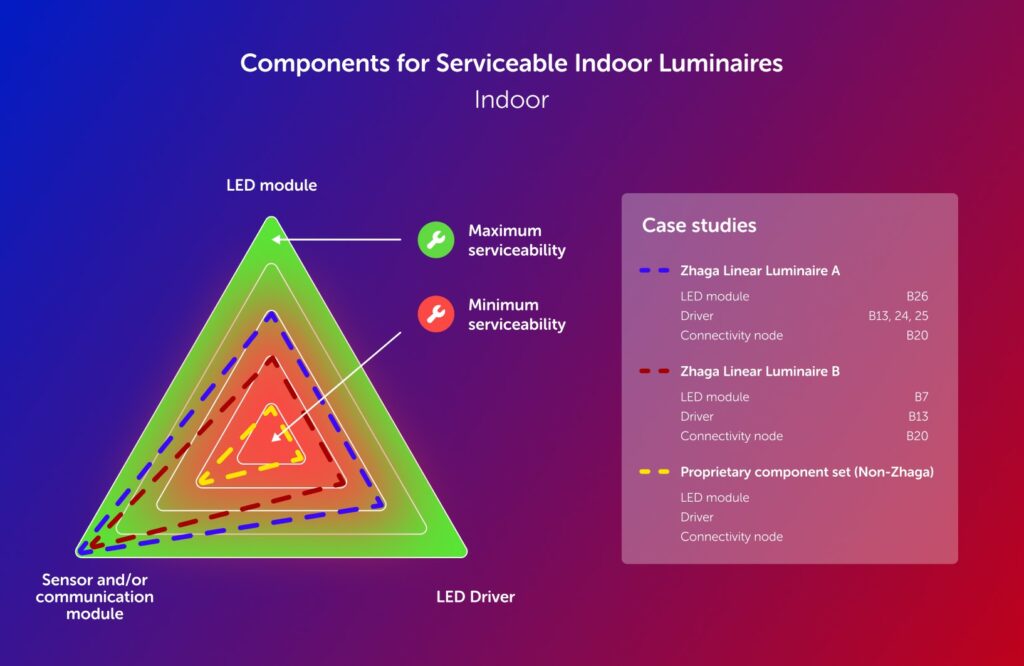
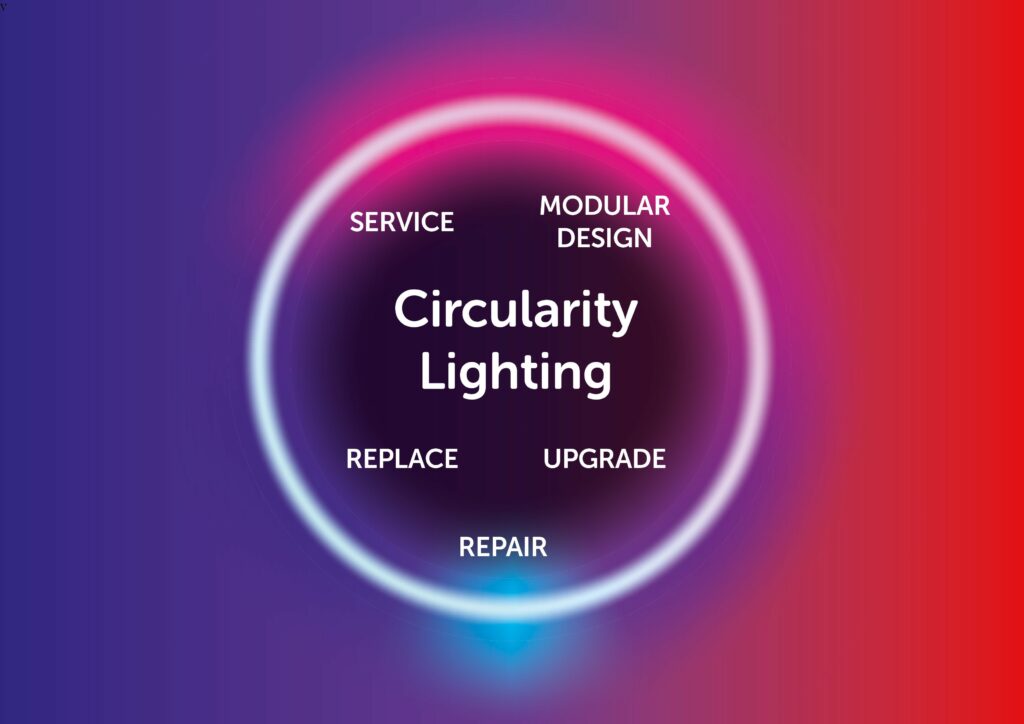









Recent Comments